Home › Destinations › Africa
Explore Africa
Africa Travel Guide
Africa is home for me, and there is always somewhere new to discover. Start with a country that catches your curiosity, or compare the regions below. Choose fewer places and give them proper time.
By Rob Wheatley · Traveller and Viking Program Director

Choose a country
Ten starting points, each offering a different kind of journey. Open a country guide to explore further, or browse the full country directory for more options.
Morocco
Medinas, mountain scenery and desert possibilities. Start by choosing the balance between city days and time on the road.
Egypt
Ancient sites and Nile travel. First decide which sights matter most, then compare the arrangements needed to reach them.
Kenya
Wildlife and coast options. Compare the safari component and transfers before building the rest of the trip.
Tanzania
Wildlife-focused journeys and island possibilities. Check the geography and transfer costs before combining chapters.
South Africa
Cities, coastline, wine regions and wildlife. Choose a focused route rather than trying to cover the whole country.
Namibia
Desert scenery and open-road ambitions. Allow time for distances and investigate the driving conditions.
Botswana
A wildlife-focused starting point. Compare access arrangements and what a lodge or safari price actually includes.
Ghana
History, cities and coastal visits. Build the route around the places and conversations you want time for.
Senegal
Music, history and coast. Start with a focused plan, then check the connections for any wider journey.
Mauritius
An Indian Ocean island option. Decide whether you want one relaxed base or time to explore different parts of the island.
Explore Africa by Region
Still deciding? Compare these five regions, then explore the countries within them. Check actual connections before combining destinations.


North Africa

West Africa

Central Africa
Rainforests, rivers and wildlife may draw you towards this region. However, practical access and security conditions vary considerably by country and location. Use the regional guide to investigate the options, then check current advice and specialist arrangements before treating an idea as a bookable route.
Planning priority: specific access, local expertise and current conditions.
East Africa
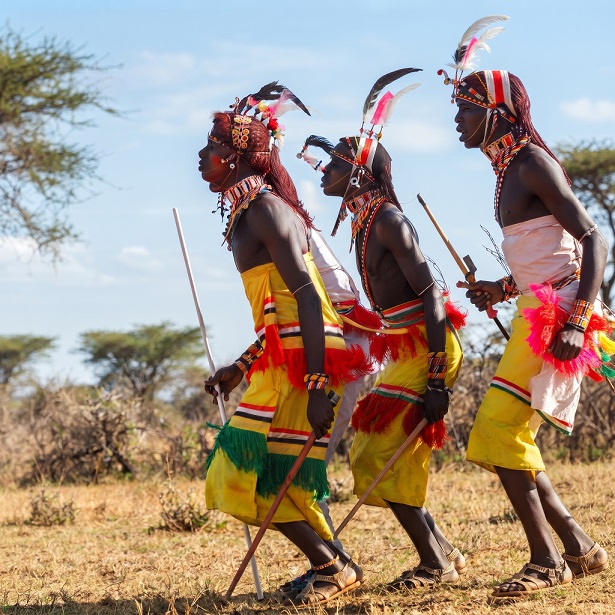
Consider wildlife, highland or coastal travel, then decide which experience deserves most of your time. Kenya and Tanzania are useful country guides to compare. Meanwhile, a safari-and-beach combination needs realistic transfer days rather than a string of attractive photographs.

Southern Africa
Choose between city-and-coast days, desert scenery and wildlife-focused journeys. South Africa, Namibia and Botswana each deserve their own planning. For a first visit, I would build around one of them before considering a wider circuit.
Start with: South Africa, Namibia or Botswana. For a concrete example, see the Cape Town and safari starter itinerary.
Explore by Travel Style
How you travel matters as much as where you go. Before booking, decide whether you want local guidance, independent days or a mixture. Then check how that choice changes the transport, cost and pace.
My rule: fewer stops usually give you more of the trip you came for. If the journey already includes a long transfer, do not fill the remaining hours as though it were a normal sightseeing day.
Explore by What You Love
Food & local life
Build in time for markets, meals and the ordinary life around the famous sights. Instead of rushing lunch, let it become part of the day.
History & heritage
Choose the sites that interest you, then give their context some attention. A good guide or museum can make the next stop far more meaningful.
Nature & wildlife
Start with the landscape or wildlife experience you most want. Afterwards, compare seasons, access and time on the ground before adding another destination.
Coast & islands
Choose whether you want beach time, coastal towns or an island chapter. Then check weather and transfers for that particular coast.
A Few Checks Before You Lock the Route
1. Check connections before hotels
Map proximity can be misleading. Compare the actual flight, road or rail journey first, including time to reach the departure point. Then choose accommodation around the route that works.
2. Check each country’s entry rules
Requirements depend on your passport, purpose of travel and route. Use the relevant government or embassy website, and also check transit countries. Do not assume one visa covers the whole journey.
3. Check health advice for the itinerary
Use country-specific travel-health information and discuss your route with a qualified travel-health professional. Recommendations and entry requirements are different questions; both deserve checking before departure.
4. Price the whole experience
Compare transfers, guiding, permits, meals and activities alongside the room price. A cheap-looking night can become a rather expensive day once everything else arrives on the bill.
For current checks, use U.S. State Department destination advice and CDC destination health information. Also review your travel documents and the trip-planning guide.
If This Is Your First Time in Africa
Choose one manageable first chapter rather than a continental circuit. The ideas below are starting points to investigate, not fixed packages or guarantees about current conditions.
North Africa: one country first
Compare Morocco and Egypt, then choose one for this trip. A city-and-landscape plan in Morocco and a history-focused journey in Egypt need different arrangements. However, neither needs two extra countries to make it worthwhile.
East Africa: decide what comes first
Begin with either Kenya or Tanzania and the experience that matters most. If you later add the other country or an island stay, check transfers and entry rules first. More borders do not automatically mean a better safari holiday.
Southern Africa: give the route room
For a concrete first plan, explore Cape Town and a safari stay. Alternatively, investigate Namibia or Botswana as the main trip. Cross-border driving needs its own permissions, timing and vehicle checks.
West Africa: begin with a focus
Compare Ghana and Senegal for the history, food, music or coastal experiences that interest you. Then choose a first base and a realistic route. A two-country holiday is an option to investigate, rather than the default.
Africa Travel FAQs
Where should I start when planning a trip to Africa?
Start with one experience, your dates and the pace you want. Then compare a region and a country guide. Check transport, entry requirements and current advice before adding more stops.
What is the best time to visit Africa?
There is no single best season for the continent. Choose your country and the particular coast, park or region first. Then check local weather patterns, seasonal access and the activities you want.
Can I visit several African countries on one trip?
Yes, but compare the actual connections, separate entry rules and transfer costs first. For a short first visit, one country or a focused route is often a more manageable starting point.
Is Africa safe for travellers?
Safety varies by country, region, route and time. Use current official destination advice rather than a continent-wide label. Check the specific places you intend to visit and the support available along the way.
Is an African holiday always a safari?
No. This hub also leads to city visits, heritage, food, coastlines, islands and slower stays. A wildlife trip is one possibility; choose it because it interests you, rather than assuming it is compulsory.
Do I need a visa or vaccinations?
That depends on your passport, destination, route and individual circumstances. Check official entry rules and country-specific travel-health information. For health decisions, discuss the full itinerary with a qualified professional.
Choose Your Next Planning Step
Start with clarity, then add detail. First choose the travel style you want; afterwards, turn the country idea into dates, connections and a budget.
A question for fellow travellers: Which part of Africa are you leaning towards, and what draws you there? If you have already been, what practical tip would you pass on? Share your plans or ask Rob a question.