PRACTICAL TRAVEL READINESS
Visas & Entry Requirements: What to Check Before You Travel
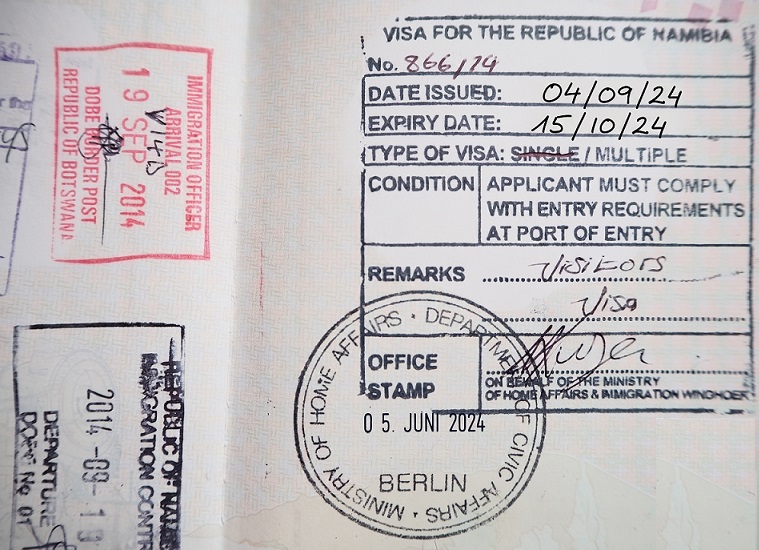
Visas and entry requirements are not the romantic side of travel. I certainly don't think so. Nobody sits at the kitchen table dreaming about passport validity rules. But this is one of those boring little checks that can save the whole trip before it turns into a very expensive airport lesson.
The goal here is simple: understand what affects your entry rules, know where to verify them, and make sure you are not relying on a half-remembered forum comment from 2018. Different passport, different route, different answer. That is where people get caught.
Quick Overview
Five things usually decide your travel entry requirements
Entry rules are personal. They depend on your passport, route, timing and reason for travel. So before you book, run these five checks.
Your passport nationality
The same destination may treat two travellers completely differently.
Your destination
Each country sets its own rules, even when neighbours look similar on a map.
Your transit countries
A connection can still create a document requirement.
Your length of stay
Short visits, long stays and repeat entries can trigger different rules.
Your purpose of travel
Tourism, work, study, business and relocation are not the same thing.
Why this gets confusing
Entry rules are personal, not universal
One of the biggest mistakes I have made and other travellers make is asking, “Do I need a visa for Italy?” as though there is one answer for everyone. There usually isn’t.
The better question is: “With my passport, for this trip, on these dates, through these transit points, what do I need?” That tiny change in wording can save you a world of trouble.
This is why visas and entry requirements should be checked against your exact situation. Your friend may have entered easily last year. You may still need a travel authorisation, stronger proof documents, a different passport validity period or a transit visa because your route is not the same.
Start here
The 5 checks before you book
Before you fall in love with a flight price, run these five checks. They are simple, but they separate prepared travellers from the people having a small nervous breakdown at the airline counter.
Passport nationality
Entry rules are based mainly on the passport you will use to travel. If you have more than one passport, check the rules for the passport you will actually present.
Destination
Check the official rules for every country you plan to enter. Do not assume neighbouring countries share the same visa rules.
Transit countries
A layover can matter. Some airport connections are simple airside transfers. Others require border control, luggage collection or a separate document.
Length of stay
A 10-day holiday is not the same as a 78-day slow wander. Longer stays, repeat visits and regional limits can change the answer.
Purpose of travel
Tourism, business meetings, paid work, study, volunteering and relocation can sit in different legal boxes. Pick the wrong box and the border may not be amused.
The common trap
Visa-free does not mean paperwork-free
I learned this lesson at a check-in desk in Europe, approximately four minutes before I became that person holding up the queue. I'd done my research, ticked my boxes, and was thoroughly confident I had everything sorted. I did not.
Visa-free travel sounds wonderfully simple. Sometimes it is. However, it may still come with conditions: maximum stay limits, passport validity rules, onward travel proof, accommodation proof, financial proof or a separate travel authorisation.This is where newer ETA and ETIAS-style systems matter. They are not always “visas” in the traditional embassy-sticker sense, but they can still be required before you fly.
Turns out "visa-free" and "walk straight through with zero preparation" are not the same thing. A distinction I now make very clearly — and rather loudly — to anyone who'll listen.Europe note
The European Union says ETIAS is scheduled to start in the last quarter of 2026 for many visa-exempt travellers entering participating European countries. Do not use rumours here. Check the official ETIAS site before you travel.
Official EU ETIAS information →
Small details, big consequences
Passport rules that catch travellers
A passport can be valid and still not be accepted for your trip. That sounds ridiculous until you are standing at check-in with a perfectly real passport and a very real problem.
Six-month validity
Some countries require your passport to be valid for several months beyond your arrival or departure date. Six months is a common rule of thumb, but always verify the exact requirement.
Blank pages
Immigration stamps and visas need space. Some destinations require one or more blank pages. If your passport is full of beautiful memories and no space, renew early.
Damaged passports
Water damage, torn pages, loose covers and unreadable details can all cause problems. A passport is not a scrapbook. Treat it like the key to the trip.
Name mismatches
Your booking, passport, visas, travel authorisations and insurance documents should match. One spelling difference can create a morning you will remember for the wrong reason.

What you may be asked to prove
The documents border staff may ask for
Border staff are usually trying to answer a simple question: does your travel story make sense? The documents you carry should help them say yes quickly.
- Return or onward ticket: proof that you plan to leave within the allowed time.
- First accommodation: at least the first night or first few nights confirmed.
- Funds: evidence that you can support yourself during the visit.
- Insurance: especially useful for longer trips, cruises, remote travel or countries that require it.
- Invitation letter: relevant when visiting family, friends, events, conferences or business contacts.
You do not need to walk around with a filing cabinet. But you should be able to find the important documents fast, even when the Wi-Fi disappears.
A personal trick of mine is to WhatsApp myself with these copies. This way I can call them up instantly. If you are concerned with Wi-Fi reception, have a folder on your phone with the images already opened.
Europe made simple
Europe, Schengen and the 90/180-day trap
Europe catches travellers because it looks like one easy region on a map, but the rules are layered. The Schengen Area has a short-stay limit that is commonly described as 90 days in any 180-day period for many visitors.
The important part: those days are counted across the Schengen Area, not separately country by country. France to Germany does not magically reset the clock. Lovely thought. Not how it works.
This page is not the place for a full Schengen masterclass. For now, just know this: if you are planning a longer Europe trip, count your days carefully and use the official calculator.
Use the official EU short-stay calculator →Do not guess
Where to verify visas and entry requirements
Blogs, videos, forums and Facebook groups can be useful for lived experience. But for travel entry requirements, the final answer should come from official or airline-grade sources.
IATA Travel Centre
Useful for checking passport, visa and health requirements based on nationality and itinerary.
Destination government site
Best for current entry rules, forms, fees and local requirements. Search for the official immigration or foreign affairs site.
Embassy or consulate
Useful when you need a formal visa, supporting documents, appointments or clarification for unusual cases.
Your airline tool
Airlines can deny boarding if documents do not meet destination or transit rules. Check what they will check.
Government travel advisory
Good for safety context, document reminders, local laws and warnings that may affect your trip.
UK ETA guidance
A useful example of how electronic travel authorisations are becoming part of modern travel planning.
The hidden wrinkle
Transit countries can change the paperwork
Many travellers check the destination and forget the route. That can be a problem. A connection through one country, a self-transfer, a change of airport or a night between flights can introduce extra entry requirements.
This matters even more if you are piecing together cheaper flights. The bargain fare is less charming if it requires a transit visa you did not know about.
Ask these before booking a connection
- Do I remain airside, or do I pass border control?
- Do I need to collect and re-check luggage?
- Am I changing airports?
- Does the transit country require a visa or authorisation for my passport?
Timing
When to check entry rules
Requirements can change. So do not treat this as a once-and-done task. Build a small checking rhythm and you will travel with a much calmer stomach.
Check the big blockers
Confirm visa needs, passport validity, transit rules and whether your purpose of travel fits the entry category.
Check for changes
Reconfirm official rules, print or save key documents and make sure travel authorisations are approved.
Prepare your border pack
Save documents offline, screenshot approvals and put passport, authorisation, accommodation, insurance and onward proof within reach.
Do not be heroic with complex cases
When to get proper help
Most ordinary holidays can be checked with official sources and common sense. But some situations deserve proper advice from an embassy, consulate, immigration professional, visa service, employer, school or relocation specialist.
If your situation is complicated, do not patch together legal advice from comment sections. This is one of those moments where saving money in the wrong place can become expensive later.
Quick questions
Visas and entry requirements FAQ
Is visa-free travel the same as no paperwork?
No. Visa-free travel may still include stay limits, passport validity rules, proof of onward travel, accommodation details, funds, insurance or an electronic travel authorisation.
Do transit countries matter if I never leave the airport?
Sometimes. It depends on the airport, airline, route, baggage arrangements, terminal changes and whether you pass border control. Always check transit visa requirements for your exact route.
Should I trust a travel blog for entry rules?
Use blogs for practical experience, not final confirmation. Entry rules should be verified through official government sources, embassy or consulate pages, airline tools or IATA-style requirement checks.
How often should I check before travel?
Check before booking, again 1–2 weeks before departure, and once more around 72 hours before travel. This is especially important for multi-country trips.
Want the deeper system?
This public page gives you the essentials. The course lesson builds the full travel document system.
If you are planning a longer or multi-country trip, the next step is not more random reading. It is building a simple system: what to check, when to apply, where to store documents and what to keep ready for border moments.
I cover that inside the World Travel Course lesson on visas and documentation, including a calmer way to organise your passport, approvals, confirmations, insurance and border-proof documents.
Where to go next
Keep building your travel readiness
Visas and entry requirements are one part of the preparation picture. These related pages help you keep the rest of the boring-but-important travel machinery in good shape.
Join the conversation
Have you ever been caught by a visa rule, passport validity issue, transit requirement or one of those “why did nobody tell me this?” airport moments? Share it below. Your story may save another traveller from learning the hard way.