DESTINATIONS · REGION HUB
Asia Travel Guide
Asia isn’t one trip — it’s many worlds layered on top of each other. The first time I travelled through Asia, what surprised me wasn’t a single “wow” moment… it was how quickly my assumptions stopped working.
This hub isn’t here to rush you. It’s here to help you understand how Asia actually works for travelers — so you can move through it with curiosity, patience, and confidence.
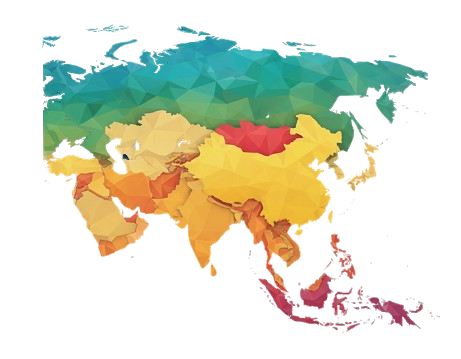
Pick a starting lens
If Asia feels huge, that’s because it is. The easiest way to get calm is to pick one angle and start there. You can always widen the trip later.
How Asia works for travelers
Little truth from the road: Asia gets easier when you stop treating it like one system. Different countries (and even regions inside a country) run on different rhythms — and that changes everything.
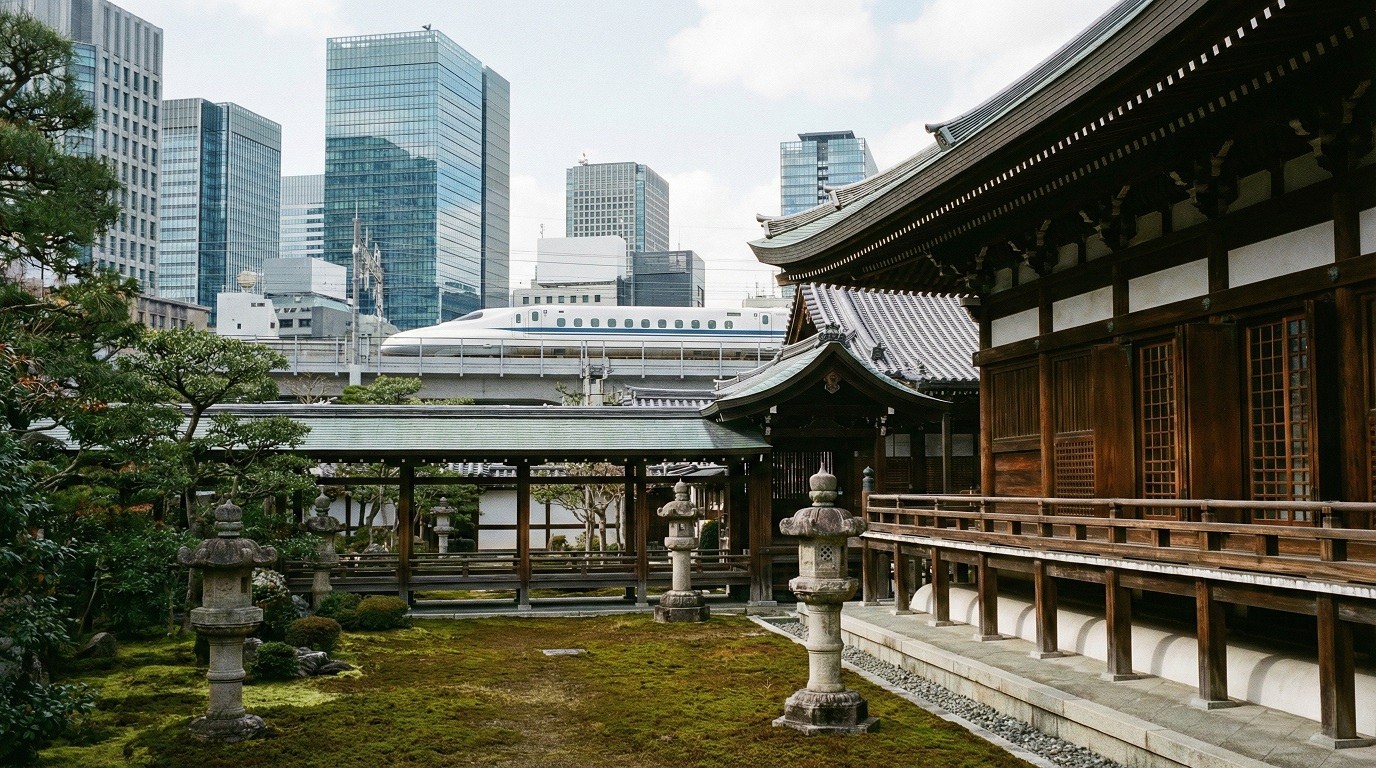
A mindset that removes most stress
- Assume variety: costs, comfort, language, and transport can change fast between borders.
- Read the rhythm: heat, seasons, festivals, and daily routines shape the “real” itinerary.
- Respect beats efficiency: indirect communication is common — politeness matters.
- Plan less, anchor more: lock the big legs, then leave space for good surprises.
Popular countries to start with
If you already have a country in mind, start here. If you don’t — totally normal — choose a travel style first and circle back.
Japan
High comfort, clear systems, and deep culture — brilliant if you like structure with surprise.
Explore JapanThailand
Easy entry, social travel, and flexible routes — great for first-timers who want variety without stress.
Explore ThailandVietnam
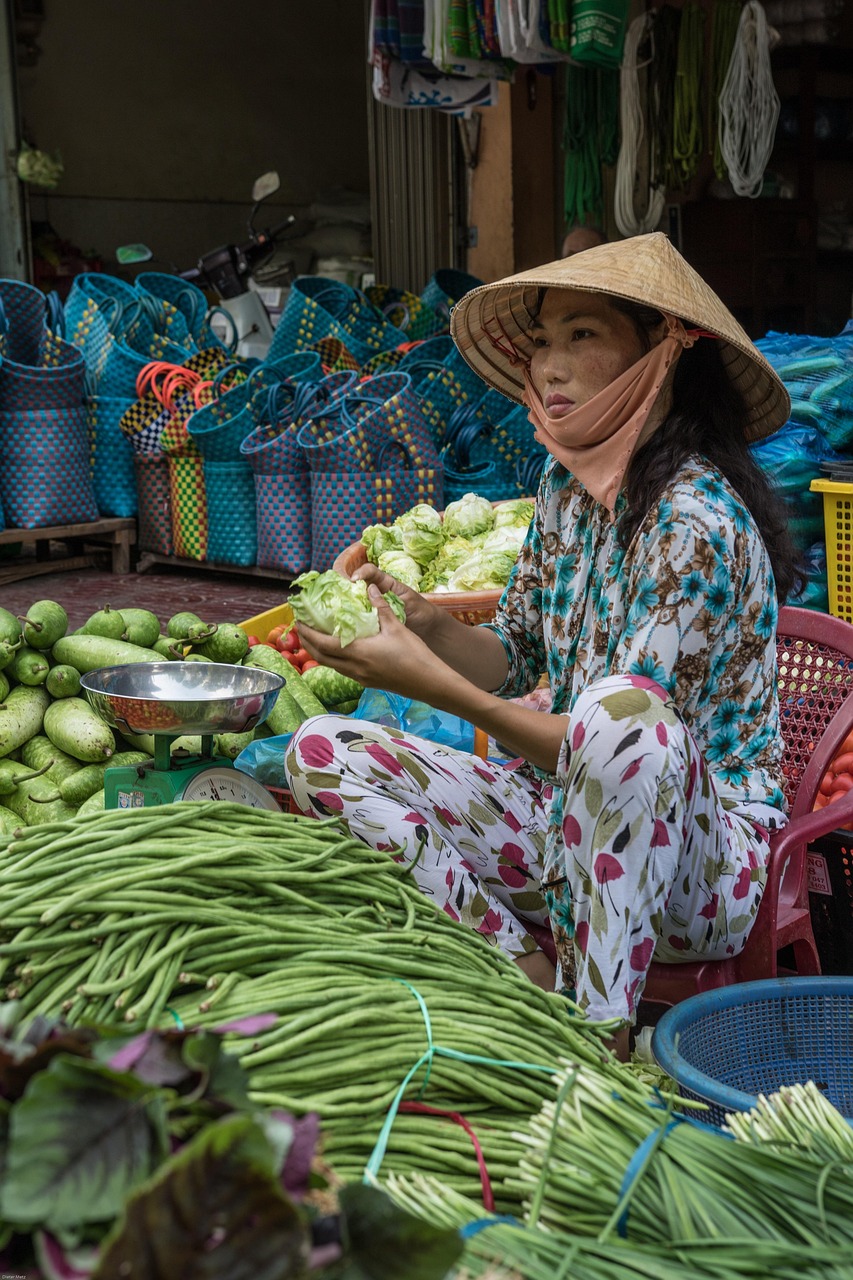
Food, energy, and great value — best when you pace it and let the country breathe.
Explore VietnamIndia
Powerful, intense, unforgettable — ideal with smart pacing and a plan that includes recovery days.
Explore IndiaIf this is your first time in Asia
Start with “easy systems”
Strong infrastructure + clear transport
If you want confidence fast, choose places where trains, signage, and booking systems do a lot of the work.
Build a base, then day-trip
One home base + small loops
This removes decision fatigue. You get depth without constantly moving your whole life every two days.
Schedule recovery days
Heat + sensory overload are real
Asia is generous, but it can be intense early on. Rest days aren’t “wasted days” — they’re smart travel.
Eat where the plastic stools are
The best food rarely has an English menu
If locals are sitting elbow-to-elbow on tiny stools, you've found it.
Master three phrases, skip the rest
Quality over quantity in language
You don't need fluency. You need functional kindness. Connect with one local, not a hundred tourists
Let confidence compound
Small wins stack quickly
The first few successful transfers, meals, and conversations change your whole experience.
You don’t need the perfect plan. You just need a sensible starting point — then let the trip teach you the rest.
Not sure where to start yet?
Choose the next step that matches how your brain works today — clarity first, details later.
Join the conversation
Where in Asia are you leaning — and what’s pulling you that way? Share your plans, questions, or “I have no idea yet” thoughts in the comments. If you’ve been, drop one tip that would help a first-timer feel calmer.