TRAVEL STYLES · A LITTLE MORE ADVENTURE
Adventure Tourism: Find Your Kind of Adventure
I went looking for a different sort of holiday in Spain and came back with a Coastal Skipper qualification—and some Spanish phrases unsuitable for polite company.
Adventure tourism can begin with a simple question: what would I like to do, rather than just where would I like to go?
Need the gist?
Adventure tourism brings physical activity, nature and cultural discovery into a trip. It can mean a guided walk, a sailing course or a demanding expedition. Choose the experience for your interests, skills and realistic limits; check the operator, conditions and insurance before booking. A memorable holiday does not require the most extreme option.
The holiday that became a sailing course
I was in Spain and wanted to do something other than sightsee, lie on the beach or party in Benidorm. All perfectly respectable holiday occupations, although none was quite what I was looking for.
I wanted to learn something.
At the time, I was trying to learn Spanish. I also had a list of things I had always wanted to do, and ocean sailing was on it. Somehow those two ambitions collided. The next morning, I went in search of a sailing school and actually signed up.
What exactly possessed me, I have no idea. But I did it.
I spent two weeks getting my Coastal Skipper qualification in broken Spanglish. It was enormous fun. I passed, got the certificate and learned some key Spanish phrases—some of which I could not share here.
That experience changed how I thought about holidays. A destination could be more than somewhere to look at. It could be somewhere to learn a skill, test a curiosity and discover a part of myself that had been waiting patiently for an invitation.
Ask yourself what you would like to do, rather than only where you would like to go. The answer may take your next trip somewhere quite different.
What does adventure tourism actually mean?
Adventure tourism generally involves active exploration, engagement with nature and opportunities to experience local culture. The Adventure Travel Trade Association describes it through the combination of nature, culture and physical activity.
That covers a wider world than cliff edges and parachutes. Hiking, cycling, paddling and sailing can all form part of an adventure holiday. So can a journey that combines outdoor activity with meaningful encounters in the places you visit.
However, simply doing something unfamiliar does not automatically make it adventure tourism. A cooking class might be a wonderful cultural experience; a trek that includes village visits brings different elements together. The label matters less than understanding what the trip actually involves.
I still think of adventure as the hot and tangy spice you can add to a holiday. You need not order the entire chilli plantation. Sometimes one guided outing is enough to discover whether you want more.
And there is nothing wrong with a beautiful resort, room service and a cocktail overlooking the sea. We all deserve a little pampering. It simply need not become the staple diet of every holiday we take.
Find your level: interest first, bravado later
The useful question is not “How adventurous am I?” It is “What does this particular experience ask of me?”
A long walk can be physically demanding without requiring technical climbing skills. A short paddling trip can become difficult when wind, current or water temperature changes. A chairlift may remove the uphill cycling, but it does not give you the skills to descend a technical mountain-bike trail.
Terms such as soft adventure and hard adventure can help describe a trip. They are not universal safety ratings. Read the itinerary, ask specific questions and choose for the conditions and support actually offered.
| If you want… | Consider… | Ask before booking |
|---|---|---|
| A first taste | A short guided nature walk, introductory cycling outing or beginner paddling session. | Is this suitable for complete beginners? What terrain, water and duration are involved? |
| To learn something | A structured sailing, climbing or kayaking course. | What prerequisites, instruction and supervised practice are included? |
| An active holiday | A supported cycling route, walking holiday or multi-day river journey. | What are the daily distances, rest options, accommodation and evacuation arrangements? |
| A technical challenge | Specialist climbing, advanced whitewater or technical mountain biking. | What proven skills and equipment are required? Who assesses suitability? |
| A high-adrenaline experience | A professionally operated tandem skydive or another specialist activity. | What eligibility limits, briefings, weather rules and insurance conditions apply? |
These are examples, not safety classifications. Any outing needs an appropriate match between the participant, activity, operator and conditions.
If you are still deciding what sort of trip you enjoy, explore Travel Styles. If time or money is the obstacle, Microadventures offers a smaller starting point.
Adventure travel ideas that leave room for enjoyment
Cycling: see the bits between the sights
Cycling can change the scale of a journey. You notice the village, the bakery and the river bend you would otherwise pass in a blur.
The Rhine is an appealing example, especially around the Upper Middle Rhine Valley, with its castles, settlements and dramatic river landscape. But you do not have to turn a holiday into an attempt to cycle through three countries before breakfast.
Choose daily distances you can enjoy, confirm the surfaces and traffic exposure, and check bike hire, luggage arrangements and places to stay. An e-bike may help with effort, but it still needs confident handling and a workable charging plan.
Mountain biking: the downhill is an activity too
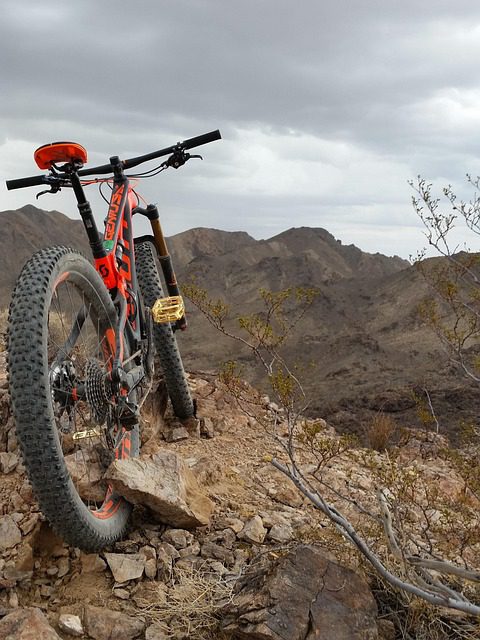
If road or leisure cycling feels too sedate, mountain biking opens another view of the landscape. A friend of mine enjoyed riding in Switzerland in summer, taking a ski lift up and freewheeling down.
It sounds wonderfully efficient. The mountain, however, has not agreed to become less technical just because you arrived at the top by lift.
Trail difficulty, braking skills, protective equipment and instruction matter. Start on terrain appropriate to your experience. Fitness and bike-handling ability are different things, and neither should be guessed from the enthusiasm of the person selling the excursion.
Seven days on the Orange River
In South Africa, I did an amazing seven-day kayaking voyage down the Orange River.
The Richtersveld gave us dramatic, craggy scenery along the riverbanks. At night, there was the canvas of stars, food and a guide. It was a very different sort of holiday from checking into a hotel and asking which way to the pool.
The landscape became part of the experience, rather than the backdrop to it. You were travelling through it, at river pace, with the next stretch of water shaping the day.
For context, SANParks' Richtersveld information describes this remote desert environment beside the Orange River. My memories are of my own journey; they are not a promise about the conditions on a trip booked today.
A river holiday might be gentle paddling or demanding whitewater. Check the exact route, season, expected water conditions and participant requirements. The river difficulty scale from American Whitewater helps explain why a rapid's grade needs context. Duration, remoteness and the consequences of a swim also matter.
Do not choose a river trip by the excitement of the photographs alone. Ask the operator what beginners actually do, what happens if conditions change and how the group is supported.
And the more dramatic activities?
Some people genuinely want the rush of freefall or the intensity of a specialist adventure sport. That is their choice. It does not make their holiday more valid than yours.
For a tandem skydive, choose a reputable operator working under the relevant local rules. Ask about instructor qualifications, participant restrictions, equipment procedures, weather decisions and briefing. A filming package may be optional; it is not a measure of the operator's competence.
Wildlife encounters deserve an additional question: what does the experience do to the animals and the place? For shark cage diving, methods and conditions vary. Check permits where required, wildlife practices, swimming requirements and what species are realistically encountered. A photograph is not a guarantee of a sighting.
Look for operators who explain their methods, follow local rules and put animal welfare ahead of the photograph. On land, respect trail closures, pay required access fees and choose guides who know the area. The place should benefit from your visit too.
Six questions to ask an adventure operator
A glossy brochure can tell you how the trip wants you to feel. These questions tell you rather more about what you are buying.
- Who is this trip genuinely suitable for? Ask about required experience, swimming ability, mobility, fitness and any eligibility limits. Explain your own experience honestly.
- What does a normal day involve? Get distances, duration, terrain, altitude where relevant, rest opportunities and accommodation details.
- Who guides the activity? Ask about relevant qualifications, local authorisation, first-aid capability, group size and supervision.
- What equipment and instruction are included? Check fit, protective gear, maintenance and whether introductory practice is provided.
- What happens when things change? Ask about weather cancellations, alternative routes, communication, emergency response and refunds.
- Does my insurance cover this exact activity? Check exclusions, limits, medical and evacuation cover, and any guide or equipment requirements directly with the insurer.
The UK government's travel insurance guidance highlights the need to cover planned activities, including adventure sports; some need specialist cover or an add-on. Your own policy wording is what determines your cover.
A useful limit is not a personal failure
Tell the guide if you are unsure. Ask for a shorter option. Decide against an activity that does not suit you. A holiday is a poor place to discover that your pride has booked something your body, skills or insurance cannot support.
Try one activity before building a whole holiday around it
My advice remains much the same as when I first wrote this article: add something to a holiday you already want to take. Try a lesson, a guided outing or an introductory experience. If you love it, a more dedicated adventure holiday can follow.
That gives curiosity a chance without asking it to commit to ten days of an activity it has only seen on YouTube.
It also lets you keep the comforts you enjoy. Adventure and a decent bed are perfectly capable of occupying the same itinerary. You can explore all day and still appreciate hot water and somebody else doing the dishes.
For the practical foundations, use Essential Travel Tips. Documents, money and arrival plans still matter when the main attraction involves a paddle.
Adventure tourism questions
What is adventure tourism?
It generally combines active exploration with nature and cultural engagement. Hiking, cycling, paddling and sailing are common examples. The intensity varies widely, so check what a particular trip involves rather than relying on the label.
What is the difference between soft and hard adventure?
Soft adventure usually describes more accessible experiences with less technical skill required; hard adventure usually involves greater technical demands or challenge. These are broad descriptions, not guarantees of safety or standardised difficulty ratings.
Can beginners enjoy an adventure holiday?
Yes, when the activity, instruction, conditions and support suit them. Look for genuinely introductory experiences and ask specific questions about prerequisites. Beginner-friendly does not mean suitable for every person in every condition.
Do adventure holidays have to involve camping?
No. Some use tents or remote camps; others return to hotels, lodges or comfortable accommodation. Check the itinerary. Your preferred sleeping arrangements can be part of choosing the right trip.
Does ordinary travel insurance cover adventure activities?
Do not assume it does. Cover varies by policy and may depend on the activity, altitude, supervision or equipment. Give the insurer the exact details and check whether specialist cover or an extension is needed.
Give the bigger trip a little structure
If your adventure is becoming part of a longer journey, my World Travel Course can help bring the planning pieces together. Start with the experience you want, then build a trip that can support it.
Bring home something more than a boarding pass
You might return with a new skill, a better understanding of a landscape or the discovery that you like doing something you had never seriously considered.
In my case, it was sailing, a certificate and a rather expanded Spanish vocabulary.
The point is to give curiosity somewhere to go. Choose well, prepare properly and leave room to enjoy it. Your adventure does not have to resemble anybody else's.
What would you like to try?
Have you ever built a holiday around learning something—or tried an activity that changed how you travel? Share your experience in the comments. And if there is an adventure still sitting on your list, I would love to know what it is.