Home › Travel Styles › Food Tourism
TRAVEL FIELD NOTES · FOOD & CULTURE
Food Tourism
How to taste your way through a destination.
By Rob Wheatley – Program Director & traveler
Updated 8 October 2026
We travel thousands of kilometres to look at things. Then we get home and tell people about lunch.
The cathedral was magnificent, obviously. There was a king involved. Possibly several kings. But that little restaurant down the side street? Now, that requires a full account, including what arrived at the next table and why we should have ordered it.
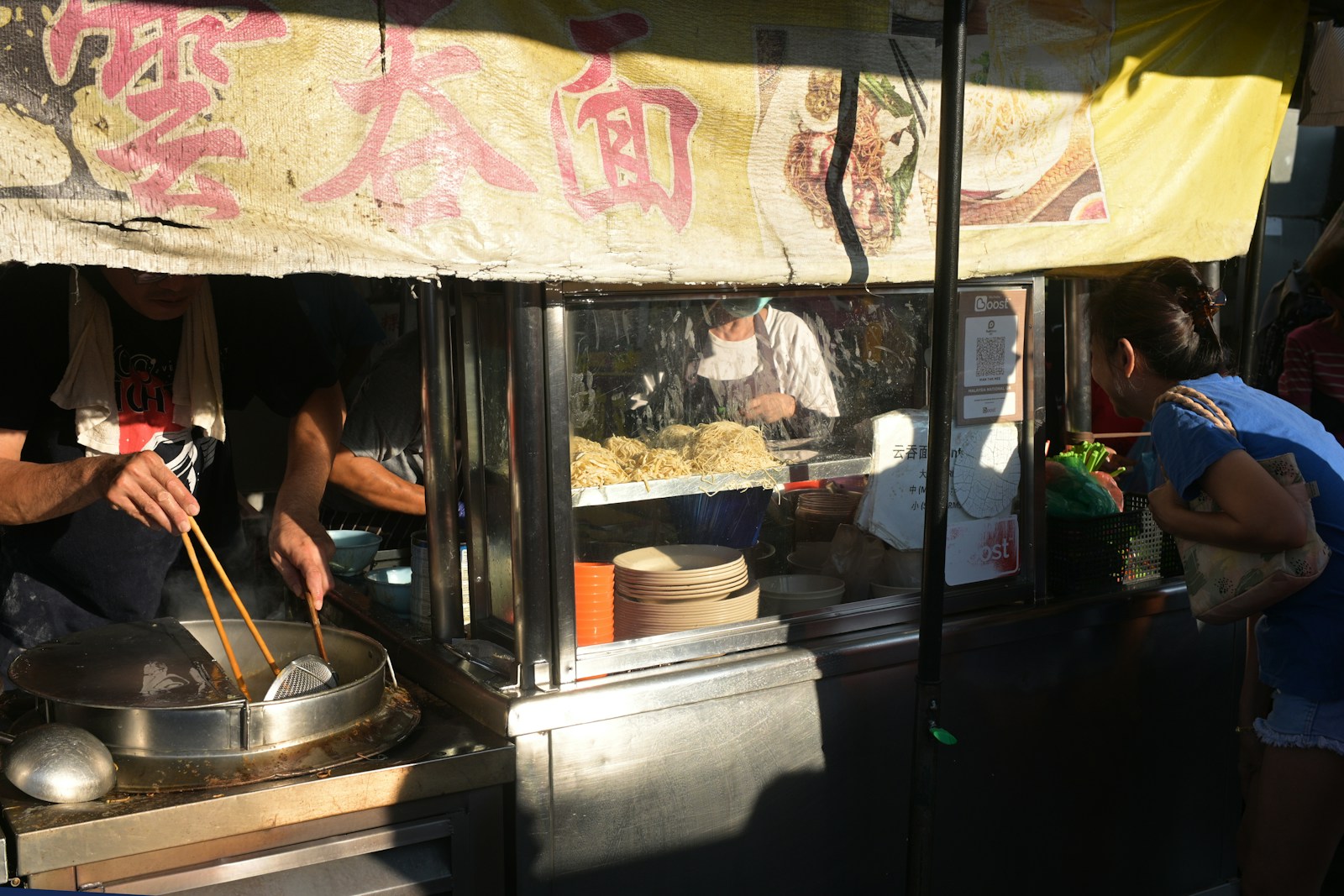
Food, people and a place to pause. Photo: Kelvin Zyteng / Unsplash.
Food tourism at a glance
Food tourism means exploring a destination through its food, drink and the people who make them. It can include markets, neighbourhood restaurants, cooking classes and producer visits. You can build a whole holiday around it or simply give local food a more thoughtful place in an ordinary trip.
Food has a habit of quietly taking over a holiday.
You set out with a respectable plan: a museum, a historic square, perhaps something involving an audio guide. Then the smell of onions frying drifts across the pavement, somebody walks past carrying something promising in a paper bag, and your cultural priorities undergo a small adjustment.
I understand this perfectly.
In my cruise work, guests regularly ask where they should eat ashore. Bear in mind, there is plenty of food aboard. Nobody needs to organise a hunting party. Yet another dining room, however comfortable, cannot quite compete with the possibility of finding something that belongs to the place outside.
Personally, I’m drawn to markets. I like the bustle, the ingredients I recognise and the ones that make me stop and think, Right. What do we do with you, then?
There is something wonderfully absorbing about watching people choose their everyday food while you stand there regarding it as an event. For them, it’s Tuesday. For you, it might be the most interesting hour of the morning.
And you don’t need to be an expert. I’m far more interested in asking a question than delivering a verdict. What is that? How do you eat it? What would you suggest? These are useful beginnings. “I detected a rather assertive finish” can probably wait.
This is what interests me about food tourism: the chance to get a little closer to a place through something as ordinary—and occasionally as surprising—as lunch.
So how do you find those experiences? When is a food tour worth paying for? And how do you explore with curiosity, a sensible budget and enough room left for dinner?
Let’s start there.
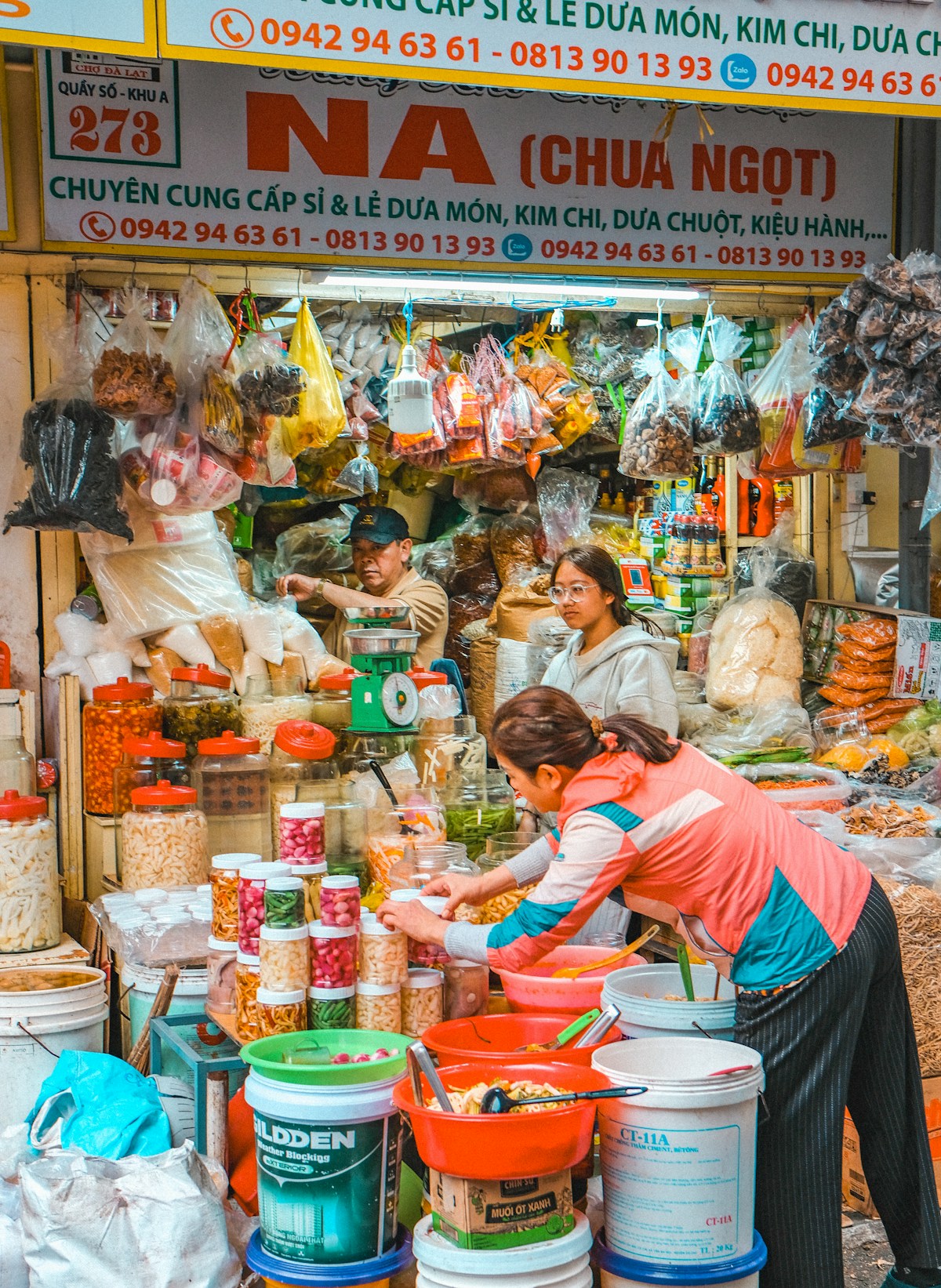
For them, it’s Tuesday. For you, it could be the most interesting hour of the morning. Photo: ANNIE HATUANH / Unsplash.
What is food tourism, exactly?
Eating because you are hungry is one thing. Choosing a market because you want to understand what people grow, cook and enjoy is another. Food tourism adds intention to something you were going to do anyway.
The World Food Travel Association connects food tourism with gaining a deeper understanding of a place through its culinary identity. That includes everyday food and drink, not just elaborate restaurant meals. Its explanation of food tourism is a useful reference if you want to explore the terminology.
You will also see “culinary tourism”, “food travel” and “gastronomy tourism”. There are differences in how organisations use those terms, but travellers needn’t pass a vocabulary examination before booking lunch.
A bakery visit, a cooking lesson, a brewery tour or a conversation with a producer can all be part of the experience. Alcohol is optional. So is fine dining.
Why a plate can tell you more than a postcard
Food gives you questions to ask. Why is this ingredient common here? When do people eat this dish? Is it everyday food or something prepared for a celebration? Does the recipe change from one town to the next?
Those questions can lead towards farming, trade, migration, religious practice and family traditions. However, don’t assume that one meal explains an entire country. Think of it as an introduction, with an excellent reason to keep asking questions.
It also changes the pace of a trip. You stop treating lunch as the interruption between two attractions. The meal, the room and the conversation become part of the attraction.
Of course, not every meal becomes a revelation. Sometimes lunch is simply lunch. It is allowed to be enjoyable without changing your life.
Would this travel style suit you?
If you investigate markets, ask what a region is known for eating or come home talking about lunch almost as enthusiastically as the cathedral, you probably already have the beginnings of a food traveller.
You don’t have to love every flavour. Nor do you have to abandon familiar food altogether. A good trip can include curiosity and comfort in the same day.
The more useful question is what kind of food experience you enjoy. Do you like watching and tasting? Would you rather make something yourself? Are you interested in ingredients, social traditions or one particular cuisine?
If you’re still working out the wider shape of your holiday, Find Your Travel Fit can help you think beyond a destination name.
What sort of food traveller are you?
Start with what you enjoy doing. Then choose an experience that gives you more of it.
01 · WATCH & TASTE
Markets & local meals
See everyday food being chosen, prepared and shared.
Before you book: Check trading times, menus and dietary suitability.
02 · MAKE & LEARN
Classes & producer visits
Understand the ingredients, techniques and people behind a dish.
Before you book: Check hands-on time, visitor access and what is included.
03 · FOLLOW A STORY
Food walks & regional trails
Let a guide or a regional speciality give your day a focus.
Before you book: Check the route, walking pace, transport and total cost.
Choose the experience before choosing the restaurant
Markets and everyday eating
A market offers a starting point: produce, prepared food and a chance to see what is being bought. Check whether it is a working food market, a souvenir market with snack stalls or a food hall. All can be enjoyable; they offer different experiences.
Visit at a time when the activity you want is actually happening. A wholesale market at dawn and a night market after dark are not interchangeable outings.
Cooking classes and producer visits
A cooking class is worthwhile when you want to understand technique, ingredients and the reasons behind a dish. Ask whether you will cook yourself or mainly watch a demonstration, and whether the recipes and ingredients are practical to use at home.
Farm, cheese, bakery, coffee and other producer visits shift the focus towards how something is made. Check visitor arrangements before arriving. A working business is not automatically an attraction with walk-in access.
Regional meals, food trails and festivals
You might plan around a regional speciality, follow a food or wine route, or visit during a festival. Before booking, check dates, opening hours, transport and reservation requirements directly with organisers or businesses.
For wine and other alcohol tastings, arrange transport that doesn’t depend on driving afterwards. A memorable afternoon should not become a questionable journey home.
Fine dining
An ambitious restaurant can be a highlight if it interests you and fits your budget. However, price alone tells you little about how much you will learn about a destination.
You can enjoy a tasting menu one evening and a simple bakery lunch the next. Food travel doesn’t require choosing a side.
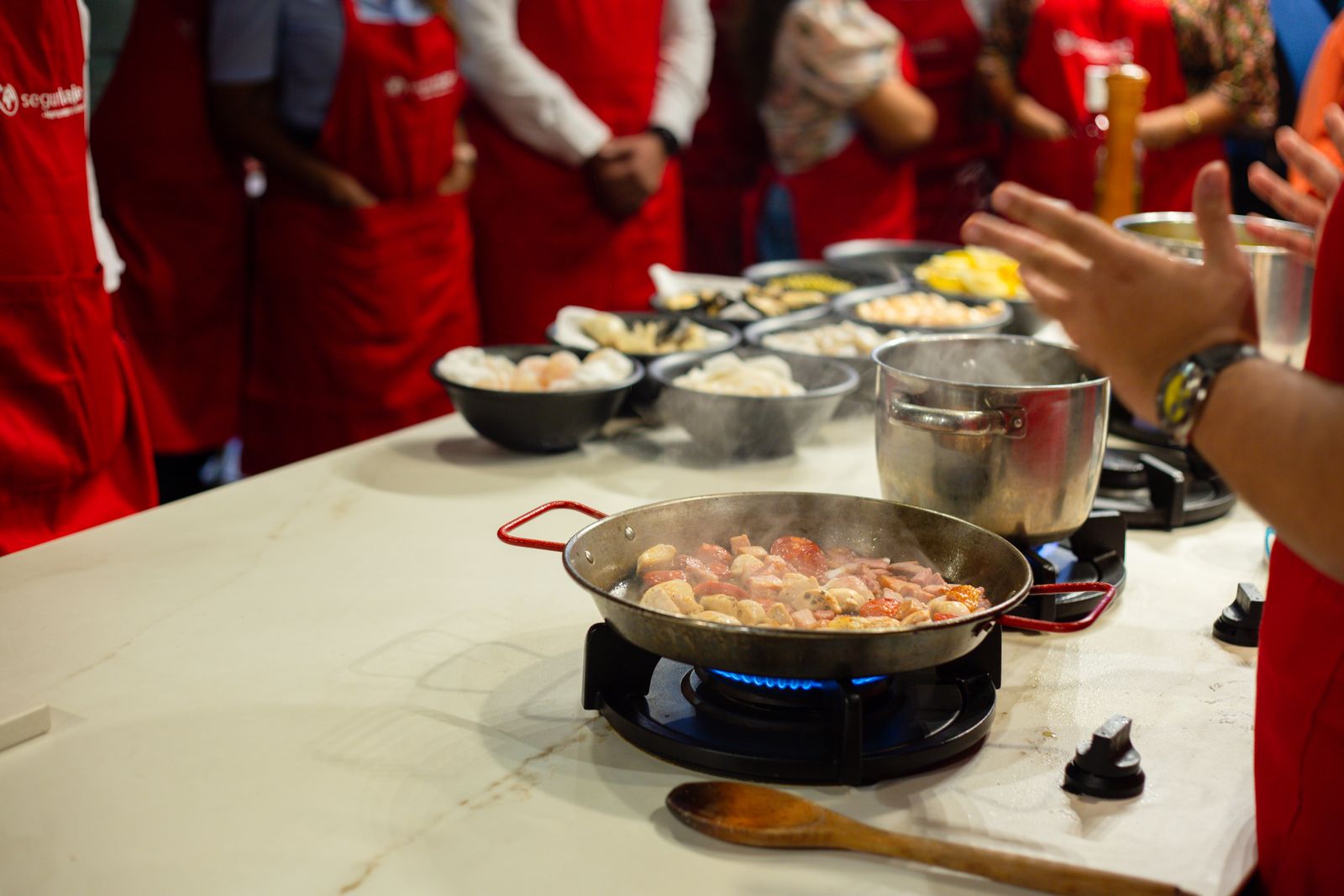
A good class explains the why as well as the how. Photo: Nisy Ripoll / Pexels.
Eight countries: eight starting points, not a league table
These eight countries offer different starting points for a food-focused trip. Choose the experiences that interest you, then look more closely at a particular town or region.
Thailand: start with the market
Use a market visit to discover what is being prepared and what you would like to understand better. Watch, ask and choose carefully. A familiar dish can be a starting point rather than the whole itinerary. Don’t mistake a queue for a food-safety certificate.
Italy: make the question smaller
“What should I eat in Italy?” is a very large question. “What is this town or region known for?” gives you something more useful to investigate. Choose a regional dish, find out how it is made and compare that experience with a market or cooking lesson.
Japan: give the meal your attention
Choose an experience that interests you: a noodle shop, a market, a tea experience or a more formal meal. Learn the expectations of the particular venue rather than assuming one etiquette rule applies everywhere. Explore the Japan guide when considering the wider trip.
Mexico: ask about ingredients and preparation
A market or cooking experience can take you beyond recognising a dish’s name. Ask what goes into it, how it is prepared and whether the version you are trying is particular to the area. Don’t expect one menu to represent a whole country.
India: resist the single-menu idea
Approach your chosen region with specific questions about ingredients, meals and dietary needs. “Indian food” is too broad to be a useful itinerary. If you are vegetarian or have allergies, check the actual preparation rather than relying on a dish name or assumption.
France: make room for ordinary pleasures
A bakery, market and neighbourhood lunch can form a satisfying food day without an elaborate restaurant booking. Pay attention to the products and the people selling them. Ask what is seasonal, and choose something you can enjoy without turning every meal into homework.
Spain: let the meal be social
Make space for sharing and conversation, while checking local meal times and how ordering works at the places you choose. Don’t assume tapas are always free or that every region serves the same dishes. A little local research prevents a surprising bill.
USA: choose a city or region
Start with a particular place and the communities, producers or food traditions you want to explore. A neighbourhood food walk and a regional road trip are different holidays. Pick the experience that interests you, then build the travel around it.
How to find a worthwhile local meal
I would begin with a better question than “Where is the best restaurant?” Ask: “Where would you go for this particular dish, and why?” The answer gives you something to assess instead of another unexplained recommendation.
Use recent reviews for practical clues: consistent comments about the food, clear pricing, reservation requirements and the experience of people with similar dietary needs. A spectacular photograph tells you rather less about lunch than its owner might hope.
Meanwhile, learn a few ordering words and the local expectations around service, tipping and payment. Ask permission before photographing people. If somebody is busy serving customers, keep your curiosity brief and considerate.
There is no prize for rejecting every place that welcomes tourists. A good business can serve visitors and residents well. Judge what it offers, rather than how convincingly it can hide you from other travellers.
Food tourism on a budget: spend on what matters
Set a daily food budget in local currency, then decide which experience deserves extra money. Perhaps that is a class, a guided walk or one restaurant you have wanted to try for years. Everything else can be simpler.
Bakeries, markets, casual restaurants and lunch menus are places to investigate, not universal guarantees of cheap eating. Compare actual menus. Check whether drinks, service, taxes or other charges are included before ordering.
Staying somewhere with a kitchen can make market shopping part of the holiday. It can also prevent every meal becoming a restaurant decision. However, a kitchen saves little if you book one and never use it.
My advice is to spend deliberately. A modest lunch that interests you can offer more than an expensive meal chosen because the booking website put it first.
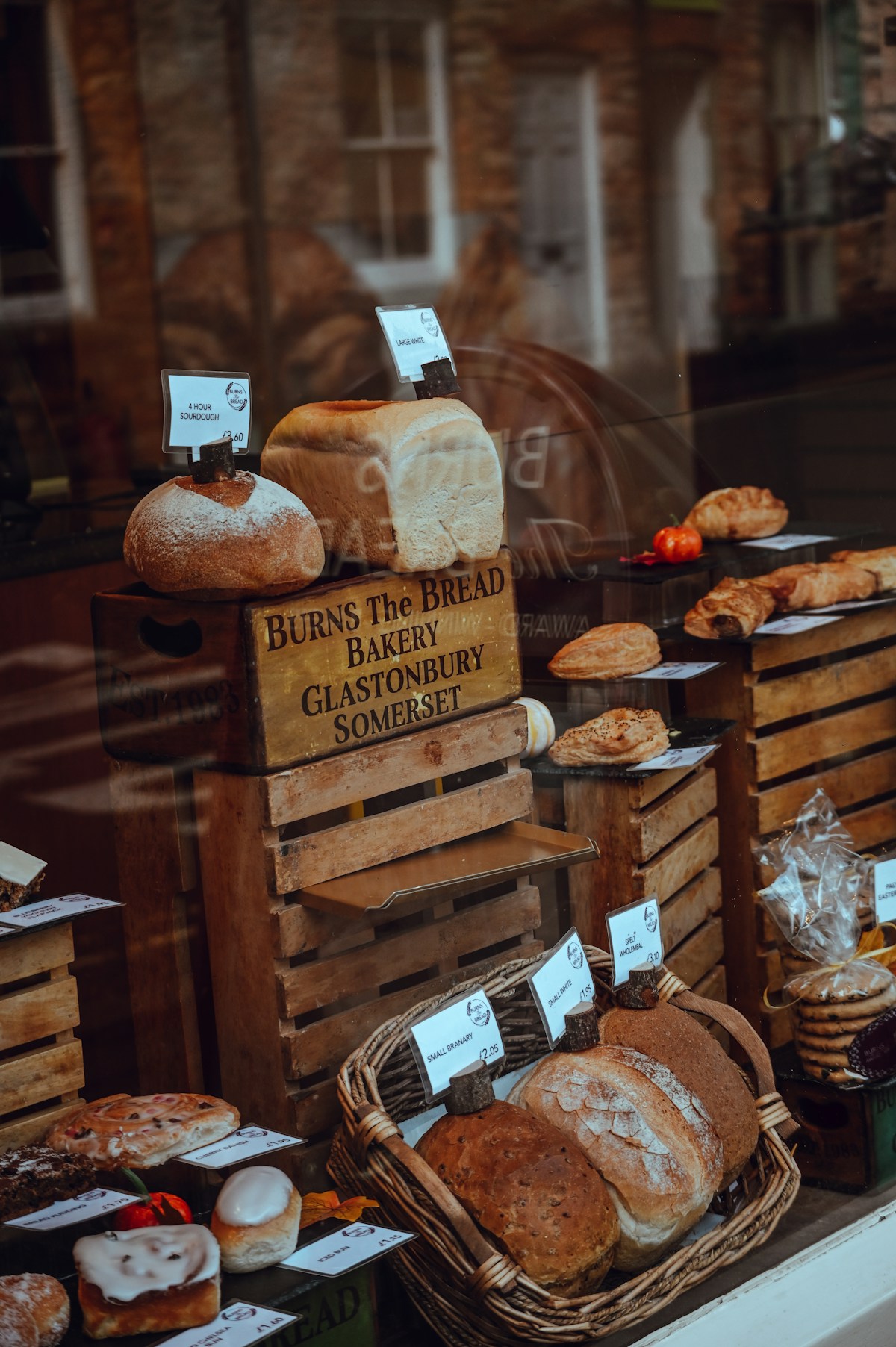
Ordinary pleasures deserve a place in the itinerary. Photo: Nik / Unsplash.
Are food tours worth paying for?
A good food tour should add context, useful access or confidence. The guide should help you understand the food and the neighbourhood, rather than simply move you between snacks.
Before booking, check five things:
- The route and theme: what will you learn, and why were those stops chosen?
- The group size and pace: how much walking, standing and waiting is involved?
- The inclusions: tastings, drinks, transport and any additional charges.
- Dietary arrangements: which needs can actually be accommodated, confirmed in writing?
- Recent reviews and terms: guide quality, substitutions and cancellation conditions.
A tour may be useful early in a stay, when its context can inform later meals. On the other hand, if you already know what you want to explore and enjoy doing your own research, you may prefer an independent day.
Judge the explanation, not just the quantity. Seventeen snacks are not automatically seventeen insights.
Food safety without becoming frightened of lunch
Food safety belongs in the plan. Neither a smart dining room nor a busy stall guarantees safe food, and popularity cannot tell you whether water, ingredients or storage are safe.
CDC guidance on food and drink when travelling recommends avoiding street vendors. If you choose street food, it advises following the same precautions as elsewhere, including choosing food cooked and served steaming hot.
Follow destination-specific advice about water and ice. Prefer properly cooked food, be cautious with raw foods and unpasteurised products, and wash your hands before eating. These precautions reduce risk; they cannot remove it entirely.
If you have a food allergy, explain it before ordering and ask about ingredients and cross-contact. Carry a clear translation, but don’t treat an app’s translation as proof that a kitchen can meet your needs. For severe allergies, plan with your clinician and carry prescribed medication.
You can enjoy food travel with dietary restrictions. It takes more preparation, and sometimes the sensible answer is to choose a different venue. There is no obligation to eat something merely because somebody calls it authentic.
Build a food day that still feels like a holiday
Choose one main experience and arrange the rest around it. A class that includes a substantial meal probably doesn’t need a large lunch immediately beforehand.
| Time | A flexible idea | What to check |
|---|---|---|
| Morning | Bakery or café | Opening hours and what you want to try |
| Late morning | Working food market | Active trading times and visitor access |
| Lunch | One regional dish | Venue, price and dietary suitability |
| Afternoon | Class or producer visit | Booking, duration and food included |
| Evening | Neighbourhood meal | Appetite, transport and reservations |
This is a menu of possibilities, not five compulsory bookings. Leave room between meals, allow time for travel and keep something unplanned.
Your appetite has a limit. Your itinerary should acknowledge it.
Rob's food tourism rulebook
These are the principles I would use to plan a food-focused day:
- Ask one more question. The story behind a dish can be as interesting as the dish.
- Choose a place, not a national stereotype. Start with the town, region or neighbourhood you are visiting.
- Spend for a reason. Pay for skill, context or an experience you actually want.
- Respect the people doing the work. They are running a business, not performing in your holiday film.
- Keep your boundaries. Dietary needs and food safety matter more than impressing the table.
- Leave room. For another flavour, a conversation or simply a walk after lunch.
Frequently asked questions
Is food tourism the same as culinary tourism?
The terms overlap substantially. Both can describe exploring a place through food and drink. Organisations use the terminology differently, so check what an individual trip or experience includes rather than relying on its label.
What are examples of food tourism?
Examples include visiting food markets, taking cooking classes, trying regional dishes, joining a guided food walk and visiting producers. An ordinary holiday can include these experiences without becoming a specialist tour.
Do you need to be an adventurous eater?
No. Curiosity can mean learning how familiar ingredients are used, watching something being made or asking about a tradition. You don’t need to eat outside your comfort level to participate.
Which country is best for food tourism?
There is no universal winner. Choose according to the food and experiences that interest you, your budget, dietary needs and the kind of trip you enjoy. A specific region is usually a better planning unit than an entire country.
Can food tourism work on a small budget?
Yes. You can explore markets, bakeries and casual local meals, comparing actual prices and setting a daily budget. Paid tours and fine dining are optional. Check all charges before assuming an experience offers good value.
Can vegetarians and people who don’t drink enjoy food tourism?
Absolutely. Food tourism includes much more than meat dishes and wine. Research suitable experiences and confirm ingredients, preparation and substitutions directly with organisers or venues.
Does a busy food stall mean the food is safe?
No. A queue does not establish safe handling, storage or water quality. Follow official food and water advice for your destination, and make choices suited to your health and dietary needs.
Take your curiosity to the table
For your next trip, choose one meal or food experience you would like to understand better. Find out what makes it particular to that place, how to experience it thoughtfully and what you need to arrange.
That is enough to begin. You can build a larger food journey later, if the appetite develops.
What meal, market or food encounter has stayed with you after a trip? Tell me about it in the comments—and what made it memorable.
Next: give the experience room to happen
A market, a conversation and a meal are much easier to enjoy when the next booking is not breathing down your neck.
Explore Slow Travel → for a trip with more breathing room. Or choose your destination and start with one local food experience.