TRAVEL FIELD NOTES · TRAVEL LIFESTYLE
What Is Slow Travel? How to See Less and Experience More
A practical guide to reducing unnecessary movement, avoiding the hidden cost of constant transfers, and finding a travel pace you actually enjoy.
By Rob Wheatley – Program Director & traveler
Updated 8 October 2026
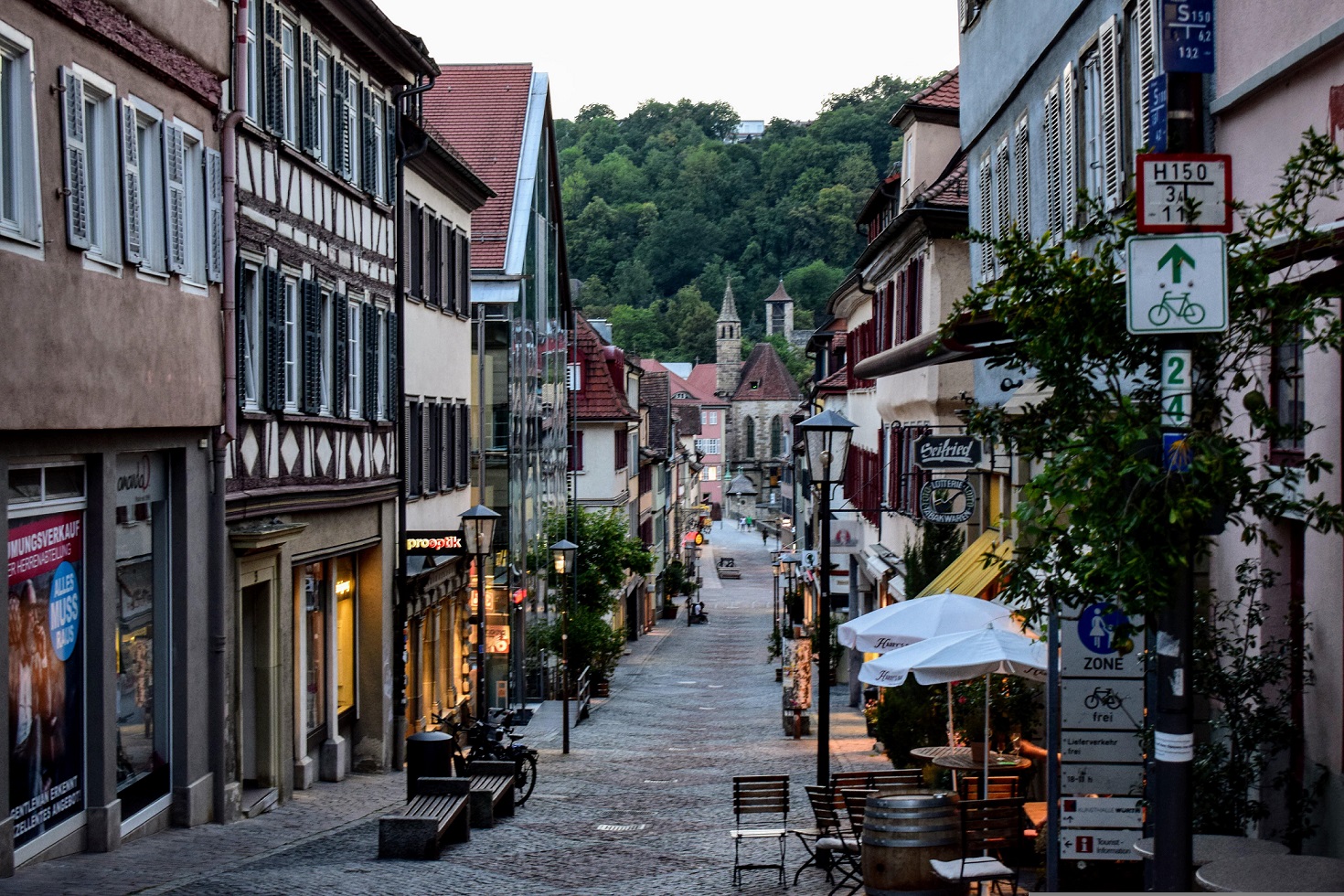
I used to think a successful trip could be measured in dots on a map.
Paris. Tick. Amsterdam. Tick. Cologne. Tick. Somewhere in Belgium whose name I could no longer remember by the following Tuesday. Tick.
It feels wonderfully efficient.
Until you realise you’ve spent half your holiday checking out of hotels, finding railway platforms and dragging a suitcase across cobblestones laid several centuries before anyone had the decency to invent wheels suitable for luggage.
Travel has a peculiar way of doing this to us. We finally get two precious weeks away and immediately behave as though someone has challenged us to see Europe before the battery on our phone runs out.
There is another way to travel. It involves doing something that can initially feel rather uncomfortable:
Less.
Quick Overview
Slow travel means spending more time experiencing fewer places, with less emphasis on ticking off attractions and more room for everyday life, curiosity and spontaneity. It isn’t necessarily about travelling for months or literally moving slowly. Even a one-week holiday can become slower and more rewarding if you stop treating every empty hour as somewhere else you ought to be.
What is slow travel?
The original slow-travel movement put much more emphasis on how you reached a destination—particularly reducing reliance on flying and driving—while today’s broader use of the term often includes the pace and depth of the experience once you’re there.
You can spend a month somewhere and still race around like a contestant on a particularly stressful game show. Equally, you can have six days in one city, choose what matters, leave some breathing room and come home feeling that you’ve actually been there.
The difference is pace, depth and intention.
ROB’S TRAVEL FRAMEWORK
The Transition Tax
We seriously underestimate how much time changing places consumes. A 90-minute train is rarely a 90-minute travel day once you include packing, checking out, getting to the station, waiting, arriving, navigating to the next hotel, checking in and orientating yourself.
I think of this as the Transition Tax. You don’t necessarily pay it in money. You pay it in time, energy and attention. And the faster you travel, the more often you pay it. If this is the part of travel that tends to unravel your plans, my Travel Logistics & Transit guide is the natural next stop.
What slow travel actually looks like
Imagine you’ve got seven nights. The conventional temptation is Rome → Florence → Venice. It’s perfectly possible. You’ll see extraordinary things. You’ll also check into three accommodations, check out of three accommodations and move yourself and your luggage between three cities.
Now imagine seven nights based in Florence, perhaps with one or two easy day trips.
The famous sights don’t disappear. But other things start appearing. You find the café you like. You recognise the street back to your hotel. You realise the restaurant around the corner is better than the one beside the cathedral. You return somewhere because you enjoyed it rather than because a guidebook says there’s another attraction you haven’t “done.”
And perhaps most importantly, you stop constantly preparing to leave.
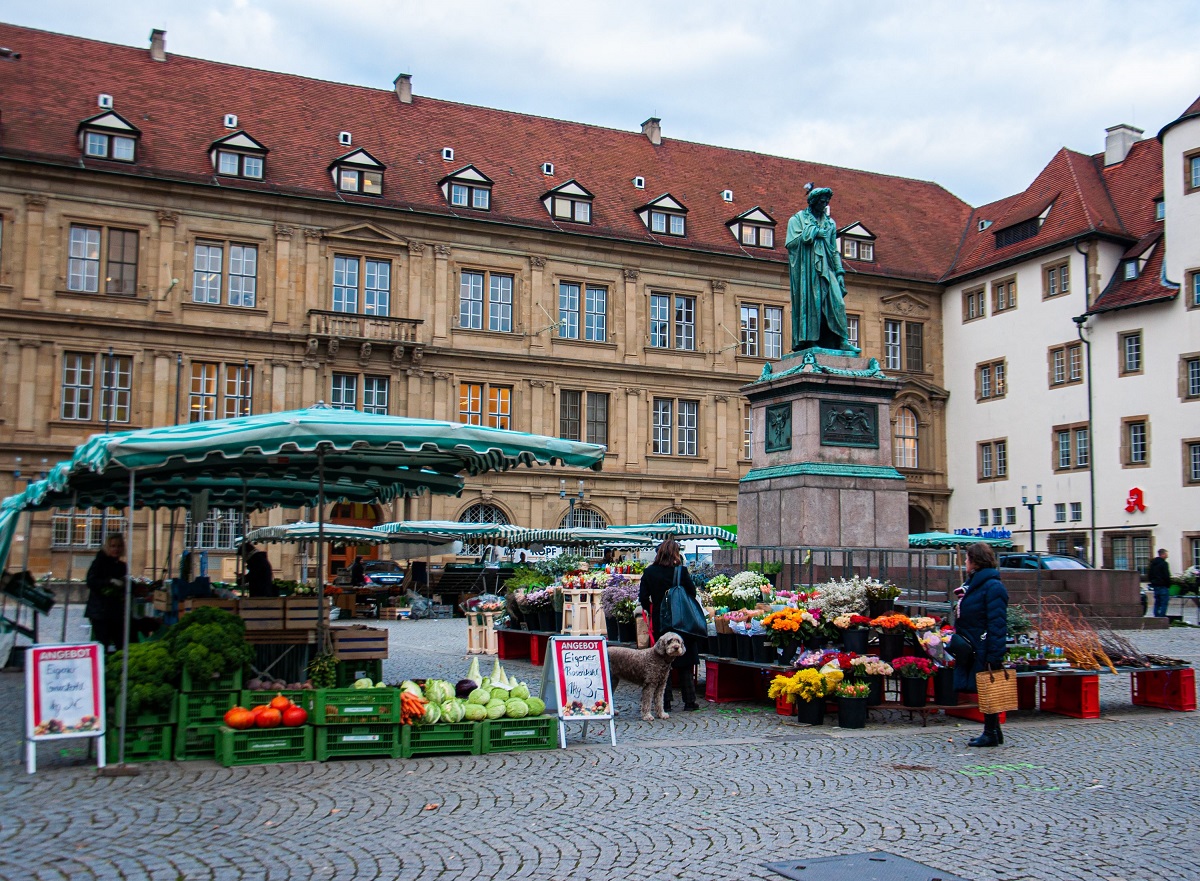
The real benefits of slow travel
You get more usable time. Reducing hotel changes and transfers can give you back hours that would otherwise disappear into logistics.
Places become familiar. On the first day almost everything requires a decision. By day three, things begin becoming familiar.
Spontaneity becomes possible. Slow travel deliberately leaves room for the unexpected.
You may connect more deeply with local life. I’m slightly wary of the phrase “live like a local.” You’re a visitor, and that’s perfectly all right. Staying longer simply gives you more opportunity to move beyond the most obvious visitor experience.
Seven nights: faster vs slower
Faster · more places
4 bases · 3 hotel changes
Repeated packing
Several transfer days
Limited spontaneity
Slower · greater depth
1–2 bases · 0–1 hotel changes
Minimal packing
Few transfer days
More room for spontaneity
The same seven nights. A different trade-off. These are illustrative itineraries. Choose the balance that suits you.
Is slow travel cheaper?
Sometimes. Not automatically.
Travelling more slowly can reduce certain costs. You may take fewer flights or long-distance trains, get better weekly or monthly accommodation rates, or have access to a kitchen. But slow travel doesn’t magically make an expensive destination cheap. If you’re working out what pace your budget can realistically support, see how much it costs to travel the world for the broader budgeting picture.
Slow travel can lower your cost per day, particularly on longer trips. It doesn’t guarantee a lower total trip cost.
Is slow travel more sustainable?
Often, it can be. But slow travel and sustainable travel aren’t the same thing.
Slower itineraries can involve fewer flights, greater use of trains and public transport, longer stays and less frequent movement. Yet flying halfway around the world and staying in one place for a month doesn’t make the flight disappear. My guide to sustainable travel practices looks at that wider set of choices in more detail.
The sensible principle is straightforward: move less often, choose lower-impact transport where practical, and make each journey worthwhile. No halo required.
Slow travel isn't for everyone—or every trip
I like slow travel. I don’t believe every trip should be slow.
You may have limited annual leave. You may be making a once-in-a-lifetime trip. Perhaps you’re travelling for a special event. Maybe you genuinely enjoy changing cities every couple of days.
The point isn’t to adopt somebody else’s preferred style of travel. It’s to understand your own. That’s exactly what the broader Travel Styles guide is designed to help you work out.
Can you slow travel on a one-week holiday?
Absolutely. You don’t need three months, a linen shirt and an apartment overlooking a Tuscan vineyard. You need to reduce unnecessary movement.
Choose one main base rather than three. Use day trips instead of repeatedly changing hotels. Group sights geographically. Leave part of a day unplanned. Choose one or two priorities rather than ten. Return to places you enjoy. Ask whether every overnight stop is genuinely worth another check-in and check-out.
Slow travel isn’t created by the length of your holiday. It’s created by what you decide not to cram into it. And if the real problem is that you keep rushing even after you’ve arrived, Mindful Travel tackles that from a different angle.
TRY THIS BEFORE YOU BOOK
Rob's Slow Travel Test
1. Count your nights.
2. Count your accommodation changes. Every hotel change carries a Transition Tax.
3. Count your proper transfer days. Think door to door, not merely the scheduled travel time.
4. Look for blank space. If every morning, afternoon and evening already has a job, you’ve created a timetable rather than a holiday.
5. Ask the uncomfortable question: If I removed one destination, would the trip actually become better?
Instead of “What else can we fit in?” try “What could we remove without regretting it?”
A simple way to plan a slower trip
Start with the experiences you genuinely care about. Not everything a review site thinks you should care about. Not every pin you’ve saved. Not everything your neighbour Sheila insists you absolutely must see because she went there in 2007.
Your priorities.
Then cluster those experiences geographically. Choose the smallest number of sensible bases. Estimate transfers door to door, not station to station. Leave room for something to go wrong—and leave room for something to go wonderfully right.
WHERE TO GO NEXT
Find your own travel rhythm
The goal isn’t necessarily to become a “slow traveller.” The more useful question is: At what pace do you enjoy travelling? Perhaps three nights in one place feels perfect. Perhaps you need a week. Perhaps after four days you’re itching to move on. That’s your travel rhythm—and understanding it can completely change the way you plan future trips.
The short version
Slow travel isn’t about travelling indefinitely or refusing to board an aeroplane. It’s about experiencing fewer places more fully and reducing the time, energy and attention lost to constant movement.
The important question isn’t: How much can I fit into this trip?
It’s: How much can I actually enjoy?
Frequently asked questions about slow travel
What does slow travel mean?
Spending more time in fewer destinations and reducing unnecessary movement between places.
How long do you need for slow travel?
There is no minimum length. It can work during a week-long holiday as well as a months-long journey.
Is slow travel cheaper?
It can be, but it doesn’t automatically reduce the total cost of a trip.
Is slow travel the same as sustainable travel?
No. The ideas overlap, but a slow itinerary isn’t automatically environmentally sustainable.
What is the difference between slow travel and slow tourism?
The terms are often used interchangeably; slow tourism is more common in tourism research, while slow travel is the everyday traveller-facing term.
One last thought
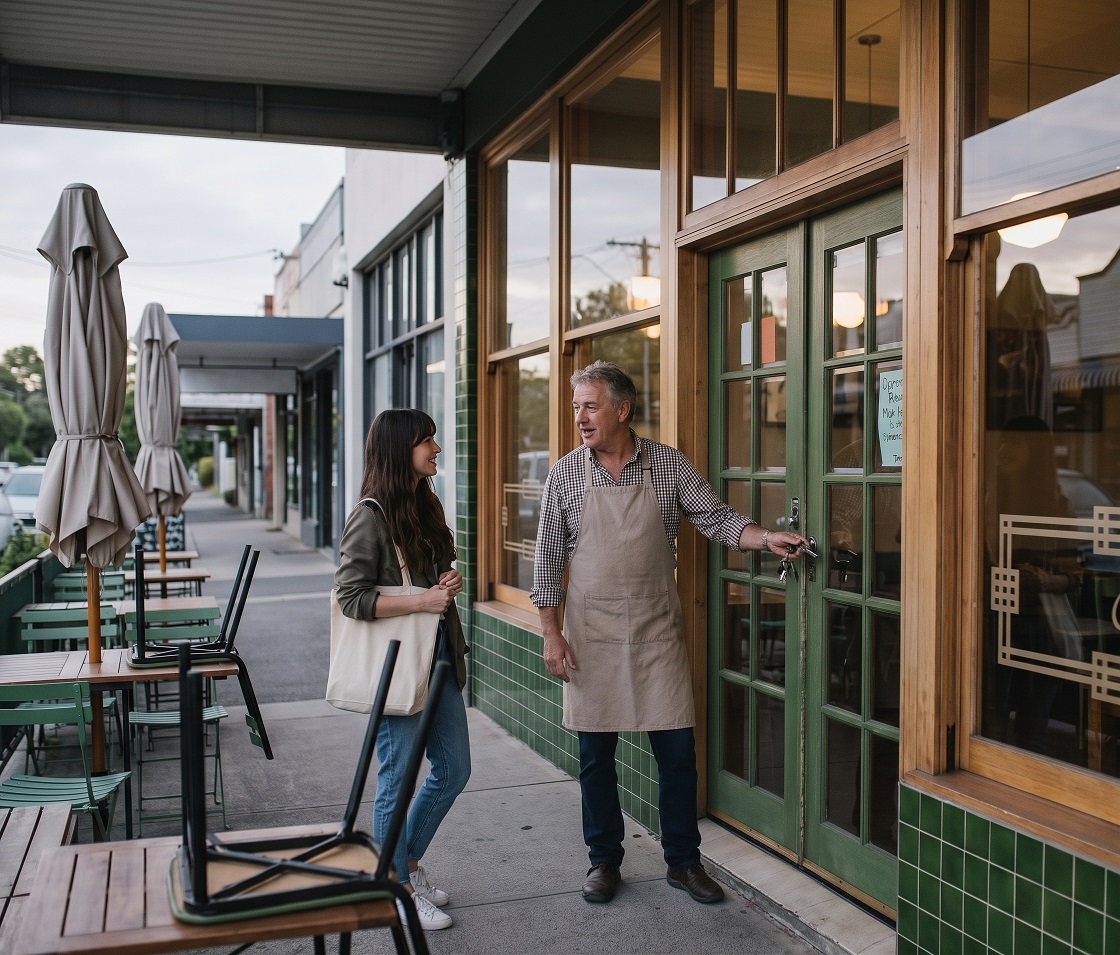
Slow travel simply gives you permission to question the assumption that more destinations automatically make a better holiday. Sometimes they do. Sometimes they just produce more laundry.
What would you remove from your next itinerary if the goal were to enjoy it more? Tell me in the comments.