The Art of Travel: Slow Down, Notice More, Remember Better
Travel has a strange way of making life feel freshly painted.
A street you have never walked before. A language you only half understand. A morning coffee in a place where nobody knows your name yet. Suddenly, the world gets its colour back.
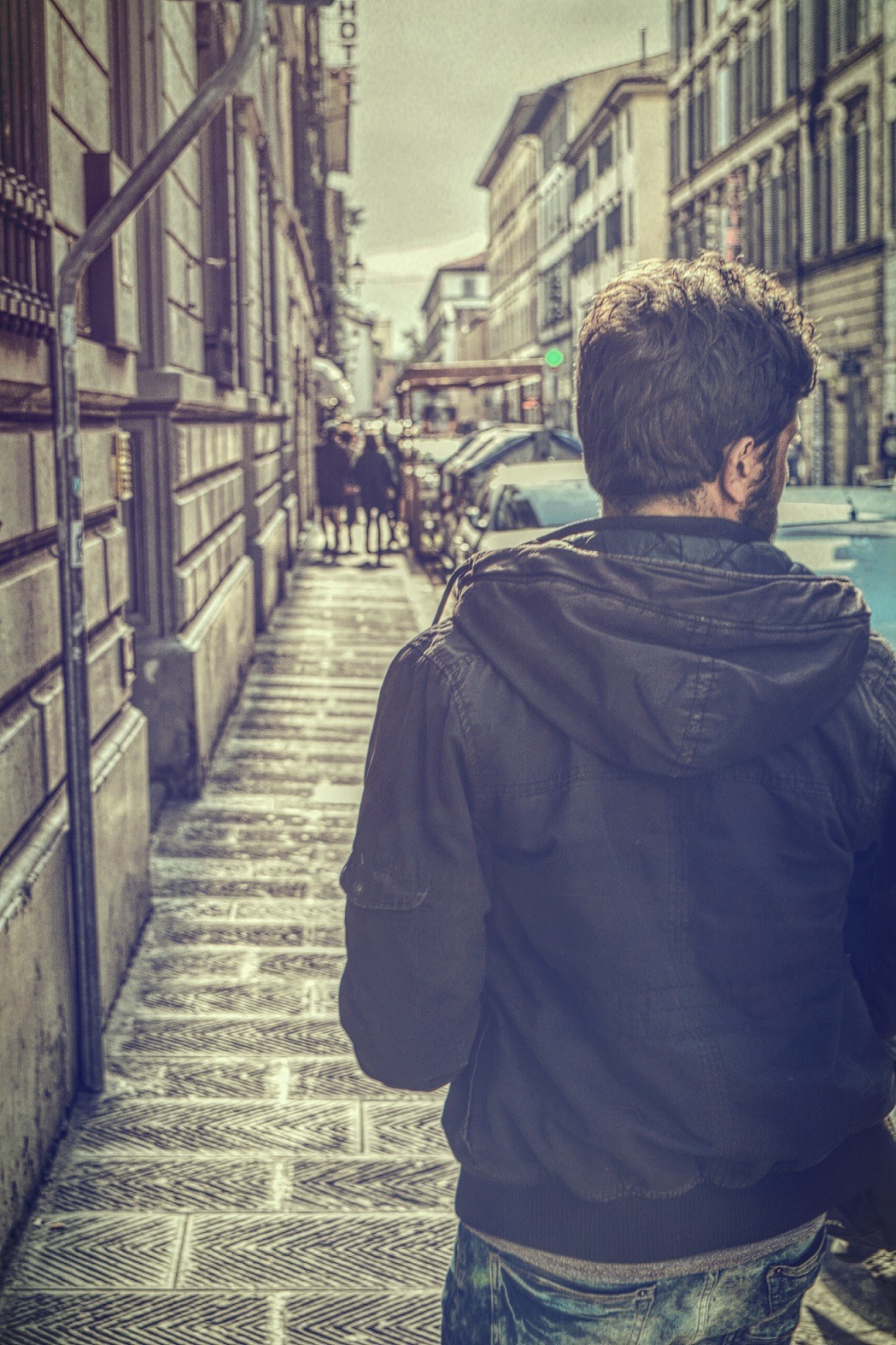
For me, that is the art of travel.
Not rushing from landmark to landmark, collecting proof that I was there. Not flattening a city into a checklist and then wondering why the memories all look the same. Instead, the art of travel is simpler than that.
It is paying attention.
More than anything, it is slowing down enough to notice the smell of bread from a corner bakery, the light on an old wall, the waiter who remembers your coffee, and the tiny moments that somehow become the trip.
This is the heart of the Inspiration section on Around the World with Rob. Not motivational wallpaper. Not “follow your dreams” with a sunset slapped behind it. Rather, this is about travelling with more attention, more curiosity, and a little more humanity.
Because travelling well is not only about where you go.
It is about how much of the place you actually let in.
At a Glance
The art of travel is the practice of travelling with attention. It means slowing down, noticing more, connecting with people, accepting a bit of friction, and bringing home something more useful than a fridge magnet. Done well, travel becomes memory, not just movement.
What Is the Art of Travel?
For me, the art of travel is the difference between passing through a place and actually meeting it.
You can stand in front of a famous building, take the photo, and move on. Nothing wrong with that. The icons are famous for a reason.
However, travel becomes richer when you leave space around the obvious things.
A second coffee in the same café. A walk with no heroic purpose. A conversation with someone who has no interest in your itinerary. A wrong turn that puts you in front of a tiny bakery, an old bookshop, or a street musician playing as if the whole city has stopped to listen.
That is where meaningful travel often hides.
Not always in the headline attraction.
Often, it waits in the ordinary hour you almost rushed past.
A Mindset and a Method
The art of travel is part mindset and part method.
The mindset is curiosity. The method is rhythm.
Slow down. Look properly. Ask better questions. Return to a place twice. Learn a few words. Let the day breathe.
Of course, a trip does not need to be slow from beginning to end. Most of us have limited time, limited money, and real lives waiting for us at home. Even so, a short trip can still be travelled with more presence.
Three rushed days can blur.
By contrast, three attentive days can stay with you for years.
Why This Belongs Under Inspiration
Inspiration is often treated as the soft corner of a travel website.
A quote here. A dreamy beach there. Maybe someone standing on a cliff with arms wide open, apparently unaware that wind exists.
But real travel inspiration should do more than make you want to leave.
It should help you understand why you want to go in the first place.
Some people travel because they are curious. Others go because they need beauty again. Some are escaping a life that has become too small. Meanwhile, many want culture, food, wilderness, history, silence, company, distance, or a decent pastry in a square where nobody is trying to sell them a productivity course.
The Deeper Question Behind Every Trip
This Inspiration section exists for that deeper part of travel.
The part that asks:
That is the job of this page.
It is the front door into the more reflective side of the site.
Travel Is Not a Checklist
I understand the temptation.
You arrive in a new city. You have three days. Every guide says “must-see.” Every friend says “you can’t miss.” Meanwhile, every app is waving stars at you like a frantic traffic officer.
Before long, your trip starts looking like homework.
Museum at 9. Monument at 11. Famous lunch at 12:30. Viewpoint at 3. Collapse into bed at 9 with 600 photos and the nagging feeling that you somehow did not really arrive.
This is where travel starts losing its colour.
A checklist can help you plan, but it should not become the trip.
Instead, the art of travel means choosing fewer things and experiencing them better.
See the famous square, yes. But sit there long enough to notice the old man feeding pigeons as if they are difficult relatives. Visit the market, but do not just photograph the fruit. Buy something. Ask what it is. Mispronounce it bravely. Laugh when corrected.
Travel rewards attention.
It does not always reward speed.
How to Travel With More Presence
Presence sounds fancy until you make it practical.
You do not need a linen notebook, a silent retreat, and a suspiciously expensive candle. What you need are a few simple habits that pull you out of autopilot.
Start with one purpose for the day.
Not ten. One.
Maybe today is for food. Perhaps it is for walking. It might be for one museum and one long lunch. Or, better still, it could be for getting lost in a neighbourhood that does not appear on every postcard.
Then build the day around that.
Leave white space. Travel needs margins. Without them, surprise has nowhere to sit.
Use your phone, but do not let it lead the whole parade. Navigate when you need to. Take the photo. After that, pocket the thing and let your senses take over.
What do you hear?
Which smells are coming from the side street?
Where are the locals queuing?
Why is that café full and the shiny one empty?
These are not small details.
They are the trip introducing itself.
Small Rituals Make a Place Feel Real
One of my favourite ways to understand a place is to repeat something.
Same café two mornings in a row. Same evening walk. Same bench. Same bakery. Same ridiculous attempt at the local greeting until someone finally smiles out of mercy.
Repetition changes the way a place feels.
The first time, you are a stranger.
On the second visit, you are almost expected.
By the third time, the place begins to soften.
That is why small rituals matter.
They turn travel from performance into relationship.
You do not have to live somewhere for six months to feel a little thread of connection. Sometimes, it begins with the person behind the counter remembering that you take your coffee without sugar.
Tiny thing.
Big feeling.

Connection Over Checklists
Some of the best travel experiences begin with one small question.
Where do you eat when you are not working?
What should I try that visitors usually miss?
Which street do you like walking down?
What is one thing people misunderstand about this place?
Ask gently. Do not interrogate people like a documentary crew with bad manners. Still, do ask.
Most people enjoy sharing something they love about where they live.
This is where authentic travel experiences often begin. Not by forcing yourself into someone else’s life, but by showing genuine curiosity and respect.
Before you arrive, learn ten useful phrases.
Hello. Thank you. Please. Excuse me. How much? Delicious. Good morning. Goodbye. I am sorry. I do not speak much, but I am trying.
That last one is magic.
A little effort goes a long way. Not because your pronunciation will be good. It may be criminal. But because effort says, “I know I am the visitor here.”
That matters.
Slow Travel Is Not About Doing Nothing
Slow travel does not mean sitting motionless under a tree until enlightenment arrives and your laundry somehow does itself.
Instead, it means giving a place enough time to become more than a backdrop.
Sometimes that means staying longer. At other times, it simply means doing less inside the time you have.
A slow travel mindset can fit into a weekend.
Choose one neighbourhood instead of five. Walk instead of jumping between attractions. Eat where people seem relaxed, not where the queue exists only because social media has been shouting. Spend one hour with no plan except noticing.
This is not laziness.
It is attention with better shoes.
When you slow down, you start seeing the layers. The morning rhythm. The school run. The market being packed away. The difference between a square at noon and the same square at dusk.
Places change through the day.
However, you will miss that if you are always sprinting to the next “essential” stop.
When the Plan Unravels
And it will.
The train will be late. The museum will be closed. The weather will turn dramatic. Your hotel room may have a view of a wall with emotional issues. At some point, a menu will defeat you.
Good.
Not pleasant, necessarily. But good.
Travel is not only here to entertain us. It also tests our habits. It pokes the parts of us that like control, comfort, speed, and certainty.
When a plan unravels, start small.
Breathe. Drink water. Eat something if you have become unreasonable, which is often just hunger wearing a hat. Then choose the next useful step.
Not a five-point rescue plan.
One next step.
Ask someone local. Change direction. Laugh if you can. If you cannot laugh yet, take notes. Some stories need time before they become funny.
Usually, they do.
The art of travel includes resilience. Not the heroic kind with swelling music. Rather, the ordinary kind. The kind that says, “Right, this is not what I planned. What now?”
That question has saved many days.
Travel That Changes You
I am careful with this phrase because it can become syrupy.
Not every trip changes your life. Sometimes a trip just gives you sore feet, better photos, and a strong opinion about airport sandwiches.
Still, that is something.
Travel can change us when we let it challenge the way we see.
You notice that your normal is not universal. Around you, people are building full, beautiful lives with different rhythms, priorities, foods, faiths, jokes, struggles, and ideas of what makes a good day.
That does something to you.
It loosens the screws on certainty.
You may come home more grateful. Or more restless. Perhaps more patient. Maybe more aware that the world is bigger, stranger, kinder, and more complicated than your daily routine allowed.
That is one of travel’s quiet gifts.
It does not always give answers.
Sometimes, it improves the questions.
Sustainable Travel Without the Halo
I believe in travelling more responsibly, but I do not believe in turning every traveller into a guilty statue.
Most of us are imperfect. We fly. We forget things. Convenience wins sometimes. Mistakes happen.
Still, better choices matter.
Carry a refillable bottle where safe. Use public transport when practical. Stay longer when you can. Spend money in local businesses. Respect neighbourhoods as places where people live, not stage sets built for your content.
Do not treat culture as decoration.
Avoid treating wildlife as props.
And please, do not treat a cheaper price as proof that bargaining harder is always noble.
Responsible travel is mostly about remembering that your holiday is happening in someone else’s home.
That one thought will improve many decisions.
Micro-Adventures: Practising the Art of Travel Anywhere
The art of travel does not begin at passport control.
You can practise it at home.
Take a different route through your own city. Visit a neighbourhood you normally ignore. Try one new café and sit without rushing. Go to a market. Learn the story of a building you pass all the time. Walk as if you are visiting.
This sounds simple because it is.
Even so, it works.
Micro-adventures keep curiosity alive between bigger trips. They remind you that travel is not only distance. It is attention.
A familiar street can become new when you stop treating it as background.
That is good training.
Because if you cannot notice where you are, changing countries will not automatically fix it.
Bring the Art of Travel Home
This may be the most important part.
A good trip should not end the moment you unpack.
Bring something back that is not an object.
A slower breakfast. An evening walk. A better greeting. A recipe. A phrase. A habit of sitting in public without needing to be entertained every second. A little more courage to speak to strangers. A little less panic when things do not run perfectly.
Travel should colour ordinary life.
Otherwise, we risk turning it into an escape hatch we only open once or twice a year.
I want travel to do more than decorate memory.
More than that, I want it to improve the way we live.
Back home in Africa, or wherever I happen to be based, I try to keep that ritual alive. New routes. Names learned. Neighbourhoods explored. A willingness to look twice at things I thought I already knew.
That is when travel becomes more than movement.
It becomes a way of seeing.
Mistakes I Still Make
I still over-schedule sometimes.
I know better, naturally. Which makes it worse. I can preach white space and then find myself trying to squeeze three neighbourhoods, two museums, a market, and a “quick” walk into one day. This is how a grown man becomes a sweaty spreadsheet.
So now I cut.
One anchor experience per day. Maybe two if they are close together. Then space around them.
Also, I still chase highlights now and then. Some are worth it. Others feel like standing in a queue to prove I stood in a queue.
So I balance the icons with ordinary streets.
Another mistake? I take too many photos when I should be looking. The trick that helps me is simple: take the photo, then stay a little longer without the camera.
Let the place continue after the evidence has been collected.
And yes, I still stay in my own bubble sometimes. We all do. It is comfortable in there. Familiar snacks. Familiar thoughts. Familiar little fears.
But travel gets better when I step out.
Even briefly.
Especially briefly.
The Souvenir Test
Here is how I know whether a trip has stayed with me properly.
I remember names, not just sights.
One small ritual came home with me.
I returned to a place twice because it felt like mine.
Something surprised me.
A belief shifted, even slightly.
Most importantly, I brought home a story, not just an object.
That is the souvenir test.
There is nothing wrong with buying something beautiful. I am not here to insult your fridge magnet. It has done nothing to me.
But the best souvenirs are often invisible.
A sound. A smell. A sentence. A small act of kindness. A new way to begin the day.
Those are the things that keep colouring your life long after the suitcase is back in the cupboard.
Where to Go Next
If this page speaks to you, the rest of the Inspiration section will help you go deeper.
Start with these:
FAQ: The Art of Travel
Is the art of travel the same as slow travel?
Not exactly. Slow travel is one way to practise the art of travel, but they are not identical. The art of travel is the wider mindset: pay attention, connect, reflect, and travel with intention. Slow travel supports that by giving you more time and space.
Can I travel this way if I only have a few days?
Yes. You do not need six months and a linen wardrobe. Choose fewer things, leave space in the day, walk more, return to one place twice, and pay attention while you are there. A short trip can still be rich if you stop trying to swallow the whole city.
How do I balance photos with being present?
Take the photo, then stay. That is the simplest rule. Capture the moment, then put the phone away and let the scene continue. The problem is not photography. The problem is leaving emotionally the second the photo is taken.
Is going off the beaten path safe?
Sometimes yes, sometimes no. Use judgement. Ask locals, check transport options, avoid reckless wandering at night, and trust your instincts. “Authentic” is not a magic word that cancels common sense. The goal is curiosity, not stupidity in comfortable shoes.
What if I am introverted?
Introverts can travel beautifully this way. Connection does not have to mean constant conversation. It can mean observation, small exchanges, journaling, returning to familiar places, and giving yourself enough quiet time to absorb where you are.
How do I make travel memories last longer?
Write three lines at the end of each day. Not a grand diary entry. Just three sensory details: what you saw, what you heard, and what surprised you. Later, these small notes become hooks for memory.

Why trust this guide?
Written by Rob Wheatley — Program Director, cruise insider, and world traveller. This guide is built from lived travel experience, not brochure poetry in hiking boots.
Final Thoughts: Travelling Well Is an Art
Travel is like a giant blank canvas, and the painting on the canvas is limited only by imagination.
I have always liked that idea.
Life lays down the first strokes: work, family, love, loss, ordinary Tuesdays, small wins, and the occasional disaster that arrives without making an appointment.
Travel adds colour.
Not because every trip is perfect. It is not. Sometimes it rains. Sometimes the room is disappointing. Occasionally, you take the wrong train and learn more about regional platforms than any person should reasonably know.
But when you travel with presence, even the awkward parts become part of the picture.
The art of travel is not about being fancy, spiritual, or permanently serene. Thank heavens, because most of us would fail before breakfast.
Instead, it is about noticing.
It is about giving the world enough attention that it can surprise you.
Slow down. Look properly. Learn a few words. Leave room for the unplanned. Talk to people. Walk without needing every step to be useful. Let a place be more than its attractions.
Then bring something home that changes the way you see your own streets.
That is travelling well.
That is the art of travel.
Join the Conversation
What did this spark for you?
Share a quick thought, question, or travel habit below. Your experience may help another traveller slow down, notice more, and make their next trip feel less like a blur.
Add your comment below.