DESTINATIONS · SOUTH ASIA
India Travel Guide: Big Energy, Deep Culture, and Routes That Actually Work
India can feel intense in the best possible way: incredible culture, huge regional variety, and unforgettable days. But if your route is overpacked, the magic gets buried under transfer fatigue. So I’d rather help you build a clean, realistic loop than chase ten cities in one sprint.
What Makes India Different
India is less “one country, one vibe” and more “many travel worlds under one flag.” Mountains, deserts, beaches, spiritual hubs, modern metros — all with different rhythm, language feel, food style, and transport reality.
The key is choosing one core corridor first. Then, if your energy and time hold up, add one contrast leg — not three.
The payoff: when your route is calm, India becomes one of the richest travel experiences on earth.

India in 60 Seconds
- Best for: travelers who want culture depth, food diversity, history, and strong contrast in one trip.
- Trip style: choose one region deeply, or two regions max with clear buffer days.
- Ideal first route: Delhi → Agra → Jaipur (Golden Triangle), then one add-on (Varanasi or Kerala).
- Reality check: map distance looks easy, but city logistics and transfer days can stretch longer than expected.
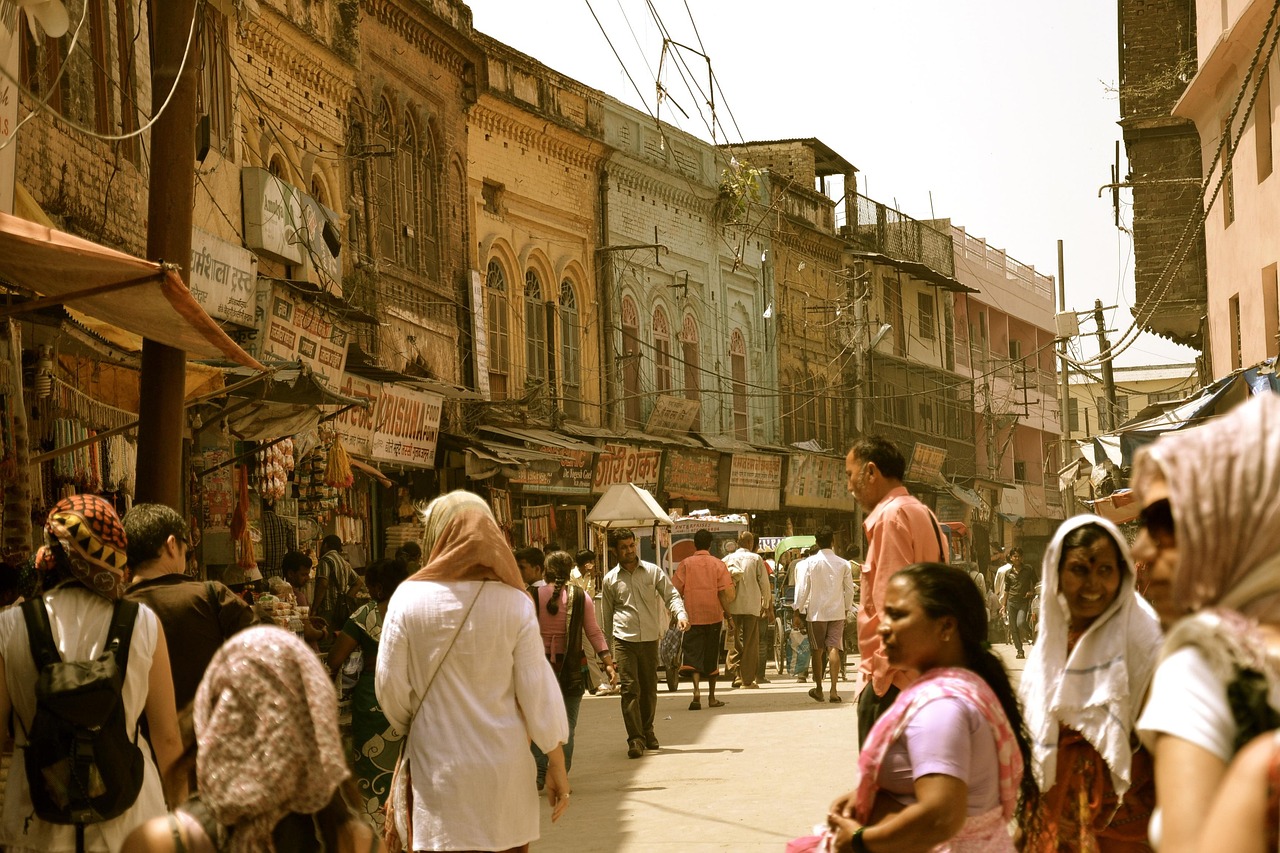
Trip Fit Snapshot
Best time to go
October to March is easiest for most first-time routes, with more comfortable temperatures in many regions.
Budget feel
One of the most flexible destinations globally: strong budget options and excellent premium upgrades if you want comfort.
Ideal trip length
10–14 days for a first route with breathing room. Shorter can work, but only with fewer bases.
Effort level
Moderate to high depending on route density. Keep recovery mornings and transfer buffers in your plan.
The Major Destinations
If you’re planning your first India trip, these anchors give you strong route logic without chaos.
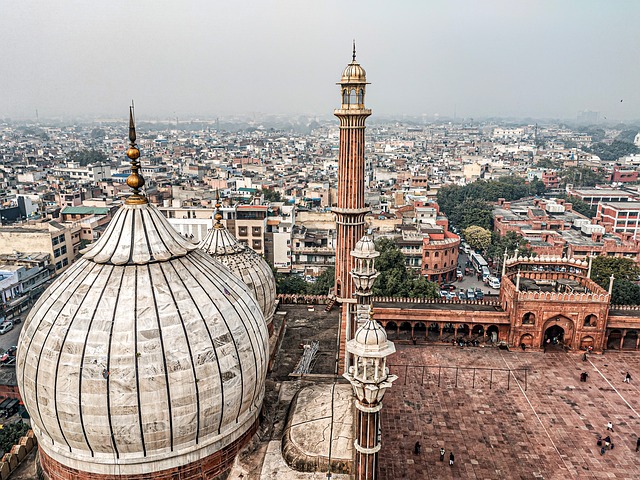
Delhi
Big, layered capital with history and modern energy. Best used as a gateway and culture shock soft-landing.

Agra
Home of the Taj Mahal and major Mughal heritage. Usually a focused 1–2 night stop.

Jaipur
Rajasthan’s classic first base: forts, palaces, and strong visual culture with good accommodation range.
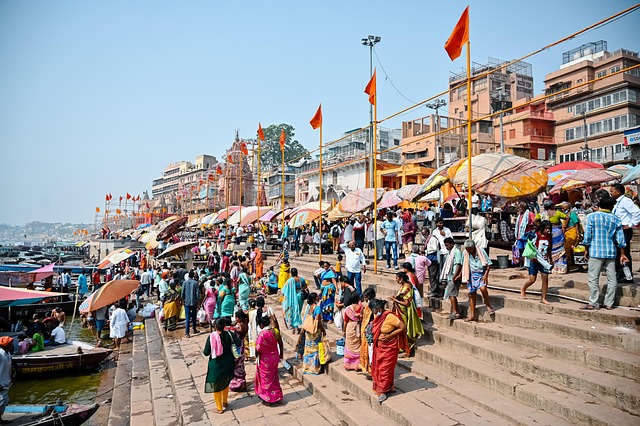
Varanasi
Deep spiritual and cultural intensity. Powerful destination, but best planned with slower pacing.
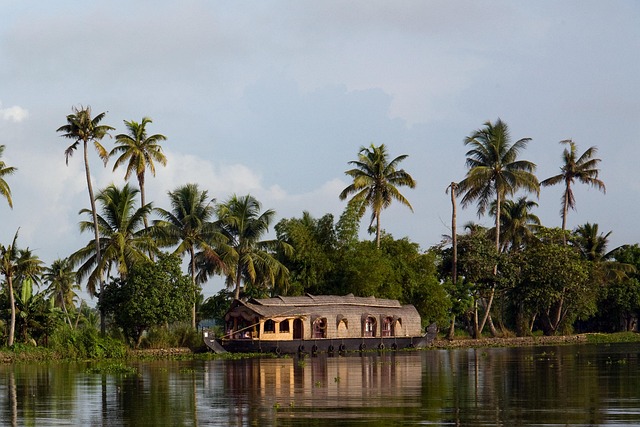
Kerala
Calmer contrast route: backwaters, coastline, and gentler travel rhythm after high-intensity city legs.
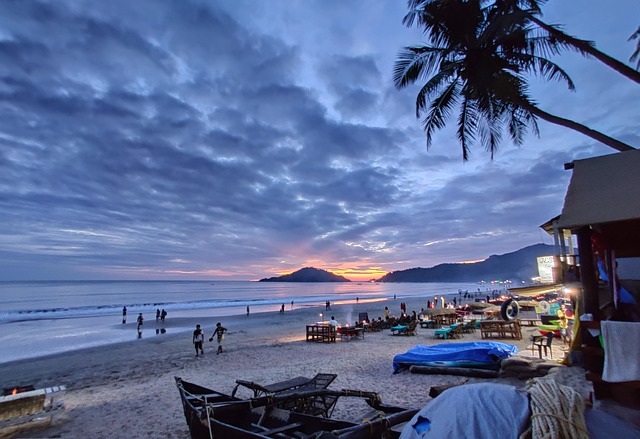
Goa
Beach reset with culture, food, and downtime. Works well as a decompression block late in your route.
Daily Rhythm Comparison
| Route style | Who it suits | Typical pace | Risk of burnout |
|---|---|---|---|
| Golden Triangle only | First-timers with 7–9 days | Steady and manageable | Low |
| Triangle + one contrast leg | Most first-time 10–14 day trips | Balanced with variety | Low to moderate |
| Multi-region sprint (4+ bases) | Fast-paced experienced travelers | Transfer-heavy | Moderate to high |
Safety & Comfort: What Matters in India
- Transport realism: leave buffer between major moves, especially when combining rail/road/air days.
- Hydration & food discipline: stay consistent, especially in hot seasons and high-movement itineraries.
- Crowd awareness: stations, markets, and festival zones need extra attention to bags and pacing.
- Respect local context: dress and behavior norms vary by region and sacred sites.
- Insurance cover: keep medical and interruption coverage active for flexible rerouting when needed.

Costs at a glance
- Budget: very strong value in many regions with smart route choices.
- Midrange: best comfort-to-cost lane for most travelers.
- Treat mode: heritage hotels, private transfers, and upgraded rail/air can still be reasonable value.
In India, your route design is the biggest cost-control lever.
Seasons
- 🌤️ Oct–Mar: easiest broad planning window for many first routes.
- ☀️ Apr–Jun: hotter conditions in many inland zones.
- 🌧️ Monsoon: greener landscapes, but transport variability in some corridors.
- 🏔️ Himalaya zones: season behavior differs by altitude and pass conditions.
Logistics Lite
- Entry rules: check current visa requirements before flight booking.
- Getting around: rail is iconic; flights save time on long hops; drivers help on regional circuits.
- Connectivity: strong in major cities, variable in remote areas.
- Packing: lightweight layers and practical footwear beat heavy luggage.
India FAQs
Is India suitable for first-time South Asia travelers?
Yes — if you keep the route focused. A clean corridor with realistic buffers works far better than a packed checklist itinerary.
How many days do I need for a first India trip?
Ten to fourteen days is a strong first window. You can still do seven to nine days if you keep to one compact route.
Should I prioritize cities or nature?
Do one core city/culture block, then add one nature or coast contrast block. That balance usually gives the best trip feel.
What is the simplest first itinerary?
Delhi → Agra → Jaipur, then one add-on (Varanasi or Kerala) if your days and energy allow.
Join the conversation
Planning India right now? Drop your draft route and trip length in the comments. Other travelers can share pacing tips and help you avoid over-stacking.