SOUTHEAST ASIA LANE
Vietnam Travel Guide: Street Energy, Scenic Depth, and Routes That Stay Balanced
Vietnam rewards structure. It’s long, layered, and full of contrast—so route discipline beats checklist chaos every time.
My framework: one directional route (north→south or south→north), two core bases, and one recovery day.
The country's length works in your favor if you treat it like a narrative arc—open in the mountains or the delta, build through central heritage towns, close with whatever energy you started opposite from.
Hanoi and Ho Chi Minh are different enough that whichever you choose first will make the other feel like a revelation. Ha Long Bay, Hoi An, and the Mekong aren't just scenic breaks—they're necessary rhythm changes between urban intensity.
And unlike Thailand or Indonesia, Vietnam's domestic flight network and overnight trains actually make the north-south flow efficient instead of punishing.
The mistake isn't trying to see too much—it's bouncing around randomly instead of riding the spine of the country in one clean sweep.
If you zig-zag the country, you waste time and energy. If you move in one clean line, Vietnam feels brilliant.
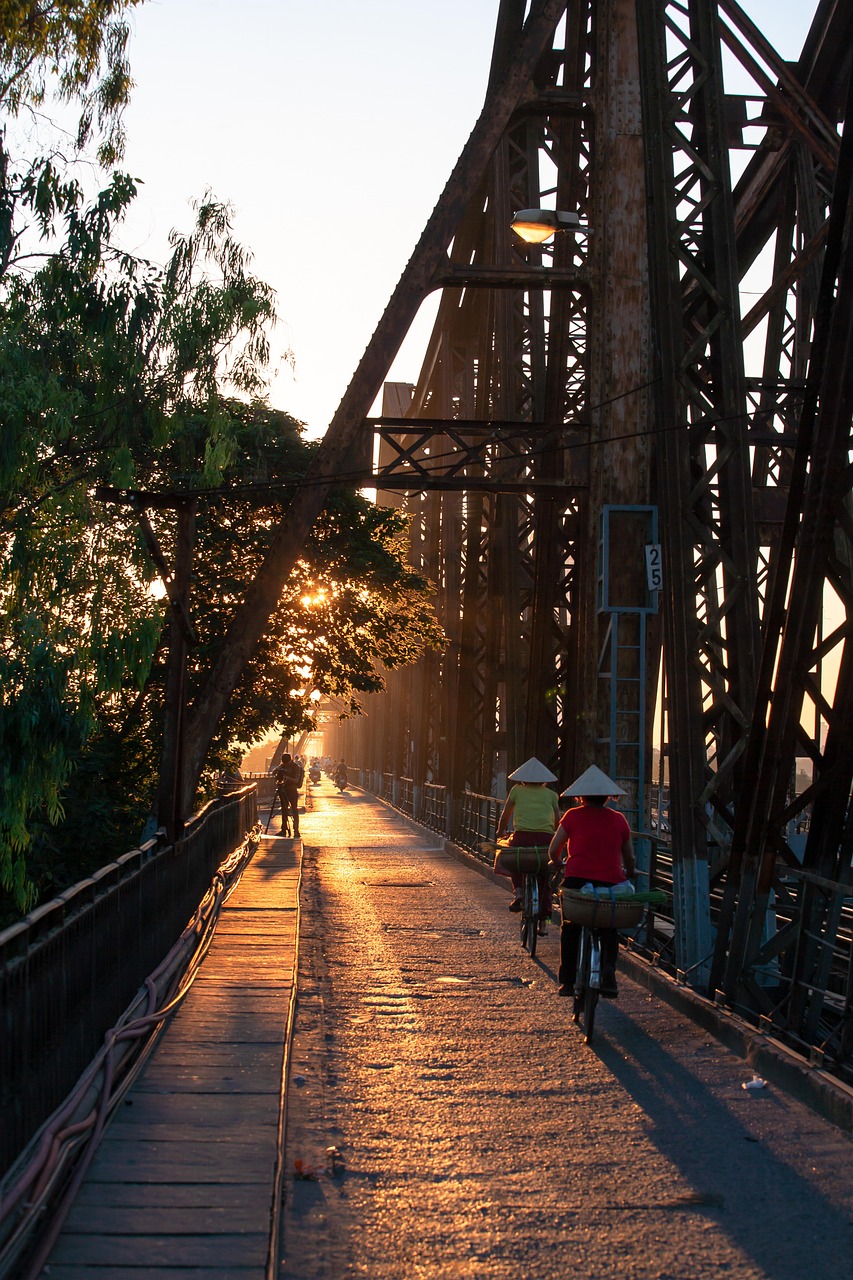
At a Glance (60-Second Scan)
Vietnam becomes easy when you choose one travel direction and stop backtracking.
- Best first move: Commit to one directional route.
- Ideal first trip: 10–16 days for 2–3 major zones.
- Classic mistake: Overloading internal travel days.
- Big win: Keep a buffer around long-haul transfers.
- My rule: One big transfer = lighter arrival day.
Vietnam can feel either smooth or exhausting. The difference is almost always route design.
- Long north-south geography with distinct climates.
- Strong food culture and major city contrasts.
- Great value from backpack to comfort tiers.
- Transport options are broad but can be time-heavy.
60-Second Fit Check
- Ideal style: Curious travelers who enjoy cultural and landscape contrast.
- Energy level: Medium (higher with aggressive route plans).
- First-timer friendly: Yes, with clean pacing.
- Budget vibe: High value with room for splurges.
- Transport spine: Flights + trains + buses + local transfers.

The Vietnam That Clicks: One Direction, Two Bases, One Recovery Day
Vietnam works when you move in one line. Pick north→south or south→north and build around two strong bases.
Example: Hanoi base + central stop + Ho Chi Minh City finish. Or reverse it if flight pricing/timing is better.
My blunt take: don’t force every famous place into one trip. Depth beats constant transit.
Days 1–4 base one, Days 5–8 base two, Days 9–12 optional extension, Day 13 buffer, Day 14 depart.

Vibe Check: Which Vietnam Are You Here For?
Choose a dominant lane and keep the rest as contrast, not overload.
City Pulse + Food Culture
Hanoi and Ho Chi Minh City for street life, café flow, and deep food experiences.
Heritage + Scenic Calm
Central/northern routes for old towns, coastlines, and dramatic landscapes.
Nature + Soft Adventure
Mountain and bay regions for trails, viewpoints, and slower scenic rhythm.
The Major Destinations
Start with these anchors, then add depth only when your transfer rhythm is stable.
Hanoi + Ha Long Bay Axis
Hanoi gives you Vietnam’s strongest north-city base, while Ha Long Bay adds the signature nature contrast. This pairing works well for first-timers: one cultural capital plus one iconic coastal leg.
- Best for: first arrival flow and classic north itinerary.
- Trip logic: city depth first, then bay reset.
- Pacing tip: avoid stacking long transfer + heavy sightseeing in the same day.
You combine heritage texture with a nature leg without overcomplicating logistics.
Da Nang + Hoi An + Hue Corridor
Central Vietnam gives you the cleanest culture-to-coast mix: Da Nang for access, Hoi An for old-town charm, and Hue for imperial history depth. It’s one of the most efficient multi-stop corridors in the country.
- Best for: UNESCO-rich route with manageable distances.
- Trip logic: one corridor, multiple textures, less transfer fatigue.
- Pacing tip: base in one place and day-trip selectively.
Trying to “do all three deeply” in two days usually backfires.
Ho Chi Minh City + Mekong Delta
Ho Chi Minh City is your southern logistics and energy hub; the Mekong Delta gives you the slower waterway contrast. Together, they make a strong final leg after north/central travel.
- Best for: city momentum plus river-life perspective.
- Trip logic: finish here for easy international departures.
- Pacing tip: protect one low-intensity day after delta transport legs.
South heat/humidity can drain energy — build in slower midday blocks.
Phong Nha–Ke Bang (Quang Binh)
Phong Nha–Ke Bang is your high-impact nature chapter: cave systems, karst landscapes, and adventure options. Add it when you want real outdoor contrast to the city-and-heritage spine.
- Best for: cave exploration and protected nature landscapes.
- Trip logic: insert between north and central routes if timing allows.
- Pacing tip: keep a recovery buffer after physically demanding excursions.
Vietnam is strongest as a north–central–south rhythm, not a speed-run checklist.
Vietnam in Four Seasons (Text + Icons)
No image here by design—clean, fast seasonal planning notes.
Spring Window
Best for: balanced temperatures and broad route flexibility.
Summer Heat/Rain Mix
Best for: early starts and realistic midday slowdown.
Autumn Sweet Spot
Best for: city + landscape combinations with calmer pacing.
Winter Contrast
Best for: mixed region planning with clothing/layer strategy.
North, central, and south can behave differently at the same time—plan by region, not one blanket forecast.
Daily Rhythm Comparison (Vietnam Edition)
Match tempo to region and reduce fatigue spending.
City Food Rhythm
- Morning: street breakfast + neighborhood walk.
- Midday: indoor/café reset.
- Late afternoon: museum/market block.
- Evening: food crawl, then low-intensity close.
- Energy load: Medium.
Scenic Heritage Rhythm
- Morning: viewpoints/old town while cool.
- Midday: long lunch + shade/recovery.
- Late afternoon: river/coast walk.
- Evening: early dinner + sleep protection.
- Energy load: Low to medium.
Nature Transfer Rhythm
- Morning: primary nature effort.
- Midday: hydration + admin + rest.
- Late afternoon: short local loop.
- Evening: gear prep + early reset.
- Energy load: Medium to high.
Vietnam gets smoother when you stop forcing one pace across every stop.
Rob’s Recommendations: One Food Win + One Activity Win
Anchor memory with one meal ritual and one movement ritual.
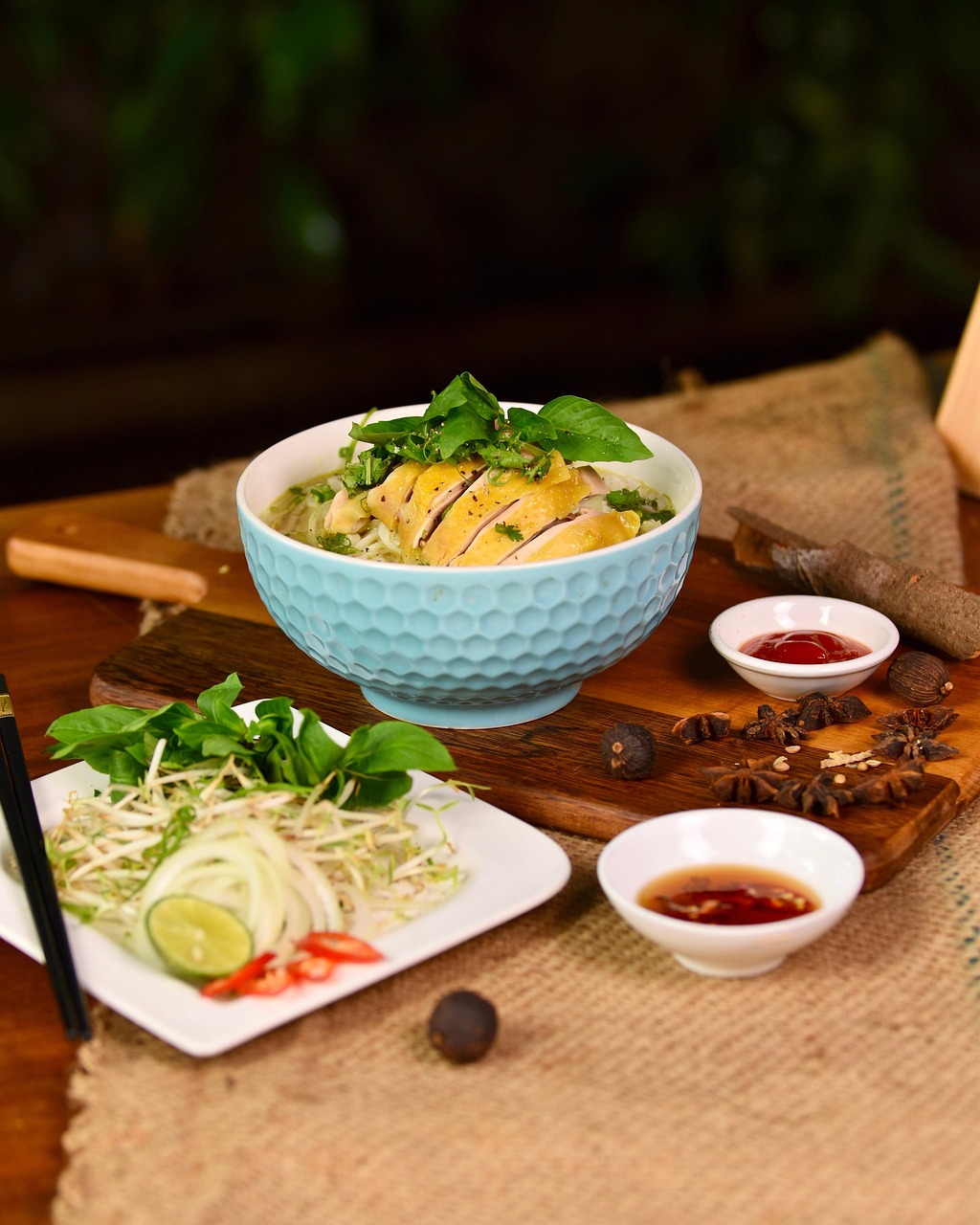
Food pick: One focused street-food lane per city
Instead of random grazing everywhere, pick a district and do a structured 3–4 dish sequence. Better quality, lower friction, better story.
The National Dish: Phở
Phở is a fragrant noodle soup consisting of a delicate broth, linguine-shaped rice noodles (bánh phở), herbs, and meat (usually beef or chicken). It is widely considered the quintessential Vietnamese dish.
The Broth
The soul of the dish is the broth, which is simmered for hours with charred ginger, onions, and aromatic spices like star anise, cinnamon, and cloves.
Regional Styles
You’ll find two main varieties:
- Phở Bắc (Northern style): Simpler and emphasizes the clarity of the broth.
- Phở Nam (Southern style): Bolder and served with a mountain of fresh herbs, bean sprouts, and dipping sauces like hoisin and sriracha.
Activity pick: Sunrise old-quarter or riverside walk
Early starts in Vietnam are a cheat code: cooler air, cleaner photos, less crowd stress, and a calmer rest of day.
One food anchor + one sunrise anchor per base keeps your whole route grounded.
Safety: Suggestions, Warnings, and Calm Ground Rules
Vietnam is very manageable when you pair common sense with route realism.
Smart habits
- Cross roads predictably; avoid sudden stops in traffic flow.
- Use reputable transport and confirm details upfront.
- Keep valuables minimal in high-density tourist zones.
- Stay hydrated in humid windows and long transfer days.
- Save offline pins, tickets, and accommodation details.
Warnings worth respecting
- Long travel legs can quietly burn entire days.
- Weather disruptions can shift plans fast in some seasons.
- Scams target rushed travelers more than prepared ones.
- Motorbike-heavy environments need extra pedestrian focus.
- Re-check official advisories near departure.
Most stress in Vietnam is self-inflicted by over-ambitious routing.
Official checks before departure
Women travelers: confidence plan
- Book central stays with strong review patterns.
- Use trusted rides after dark.
- Keep first-day orientation in daylight hours.
- If a setting feels wrong, shift immediately to active public areas.
Logistics Lite
Dial these in once and the entire journey runs cleaner.
Entry + e-visa checks
Entry rules vary by passport and trip length. Confirm before locking internal tickets.
North–central–south movement
Use one directional flow and avoid backtracking unless price/timing justifies it.
Money + payments
- VND cash remains useful in many day-to-day contexts.
- Keep card + cash split for resilience.
- Track ATM/FX fees that quietly inflate spend.
Connectivity + admin discipline
- Download offline maps per city/region.
- Screenshot all reservation details.
- Run a short logistics check each evening.
Base Plans: 3 Vietnam Structures That Work
Plan A: North to South Classic (12–16 Days)
- Best first-time structure for broad contrast.
- Includes city + heritage + scenery lanes.
- Requires disciplined transfer planning.
Plan B: North + Central Depth (10–14 Days)
- Less transit fatigue, stronger depth.
- Great for culture and landscapes.
- Higher quality daily rhythm.
Plan C: South + Central Balance (10–14 Days)
- Urban pulse plus coastal/heritage contrast.
- Cleaner route for shoulder seasons.
- Works well for mixed-energy travelers.
Costs: What Actually Moves the Budget
Where people overspend
- Overusing flights for short route segments.
- Paying for rushed convenience transfers.
- Late bookings during busy windows.
- Stacking paid activities without downtime.
- Food and coffee drift from no daily cap.
How to keep it sane (USD-first mindset)
- Set a daily USD target, spend in VND.
- Book long-haul moves early; flex the rest.
- Pick one premium splurge per major base.
- Use low-spend reset days after transit blocks.
Vietnam is excellent value when movement is efficient and pace is realistic.
Un-Googleable Vietnam: Small Moves, Big Difference
Do transfer admin the day before, not morning-of
That one habit cuts most avoidable stress.
Protect your first hour after arrival
Hydrate, orient, and keep plans light until your head clears.
Keep one “known good” café/meal anchor per base
Reliable anchors reduce decision fatigue on long travel runs.
Don’t schedule your toughest transfer before departure day
Final 24-hour route simplicity is one of the best safety buffers you can build.
Gap Analysis: Is Vietnam Right for Your Style?
You’ll love it if…
- You enjoy food-driven travel and city energy.
- You want landscape and cultural depth in one country.
- You can commit to directional route planning.
- You like strong value with optional comfort upgrades.
Plan around it if…
- You dislike long travel days completely.
- You only want one static beach-style setup.
- You plan to zig-zag the country in a short window.
Vietnam is outstanding when you respect its scale and build a one-direction route with breathing space.
Vietnam FAQs
Short answers to practical planning questions.
How many days do I need for Vietnam?
Ten to sixteen days works well for two or three zones at a healthy pace.
Should I travel north to south or south to north?
Either is fine. Choose the direction with better flight timing and cleaner connections.
Is Vietnam budget-friendly?
Yes—especially when you avoid unnecessary backtracking and book key legs early.
What causes most trip fatigue?
Too many transfers packed too tightly, with no recovery days.
What should I verify before departure?
Visa/entry requirements, region-specific weather, transport timing, and current advisories.
Join the conversation
Are you planning Vietnam north-to-south, south-to-north, or a two-base depth trip? Share your route idea and timing so other travelers can learn from your setup too.