ASIA LANE
Japan Travel Guide: Precision, Contrast, and a Route That Actually Flows
Japan rewards travelers who plan with intention: clean route logic, realistic pacing, and room for quiet moments.
My framework here is simple: one mega-city anchor, one cultural contrast base, and one scenic or slower leg. That gives you depth without burnout.
If you try to do Tokyo, Kyoto, Osaka, Hakone, Hiroshima, and Hokkaido in one short trip, you’ll spend half your energy on transfers. Build rhythm first, then layer in highlights.
At a Glance (60-Second Scan)
Japan gets dramatically better when you match your route to your energy, not your bucket list.
- Best first move: Pick one anchor city (Tokyo or Kyoto/Osaka zone).
- Ideal first trip: 9–14 days for 2–4 bases, not 7.
- Classic mistake: Hotel-hopping every night to “see more.”
- Big win: Use rail strategically and protect slower evenings.
- My rule: Every heavy sightseeing day gets a lighter follow-up day.
Japan is efficient, but that doesn’t mean your body is. Route quality beats route quantity.
- Excellent rail network supports multi-city travel.
- City rhythm and temple-town rhythm are very different experiences.
- Seasonality (especially spring/autumn peaks) impacts cost and crowd levels.
- Convenience is high, but over-planning is a common trap.
60-Second Fit Check
- Ideal style: Culture + food + design + transit-easy routing.
- Energy level: Medium to high in cities, lower in onsen/rural legs.
- First-timer friendly: Very, with good route structure.
- Budget vibe: Manageable with planning; premium spikes in peak periods.
- Transport spine: Rail-first with selective domestic flights.

The Japan That Clicks: One Anchor, One Contrast, One Reset Leg
The structure that consistently works: city anchor + cultural contrast + scenic reset.
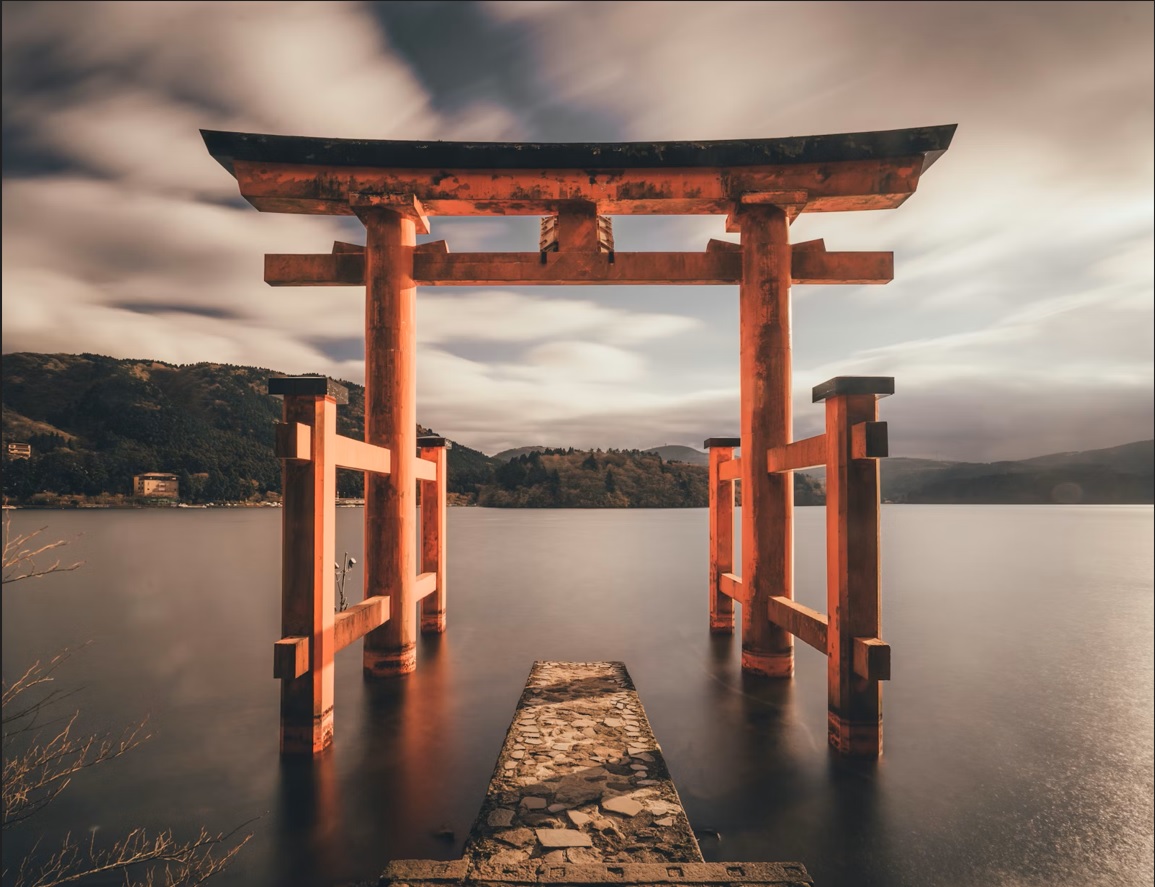
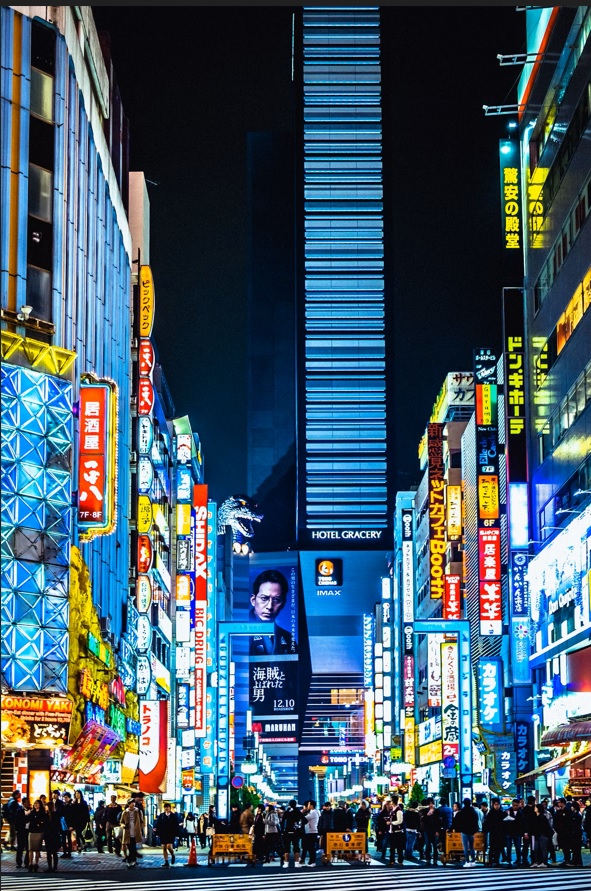
Example: Tokyo for urban energy, Kyoto/Osaka for heritage + food depth, then Hakone, Kanazawa, or a quiet coastal/mountain stop to reset your rhythm.
Timing matters: Place your reset mid-trip (days 5-7 of a 10-day journey), not at the end. You need recovery before the final push, not after burnout.
The anchor needs density: Don't anchor somewhere just because it's famous. Tokyo and Osaka earn 3+ nights through sheer variety. Kyoto can feel thin after day three unless you're temple-devoted—consider it your contrast, not your anchor.
Reset = specific function: Onsen towns for sensory relief, mountain villages for pace, art islands for perspective shift. Generic "scenic" doesn't work—name what you're resetting from.
Minimum viable trip: 6 days, split 2-2-2. Below that, pick one anchor and do day trips. The structure collapses if you're moving every night.
Order flexibility: First-timers anchor first (Tokyo → contrast → reset). Experienced visitors can reverse it (reset → build toward Tokyo) to arrive calm and leave energized.
Join the conversation
Are you planning Japan as city momentum, cultural depth, or a scenic reset mix? Share your route idea and timing so other travelers can learn from your setup too.