WEST AFRICA LANE
Senegal Travel Guide: Teranga Rhythm, Atlantic Energy, and a Route That Actually Flows
Senegal is a rhythm country: beach-city tempo in Dakar, cultural depth in Saint-Louis and Gorée, and nature resets if you plan your legs with intent.
My planning rule here: one urban anchor, one heritage lane, and one nature or coast reset. That combination gives you contrast without burnout.
Don’t race this country. Senegal rewards travelers who move with the day—early starts, shaded midday pacing, and slower evenings.

At a Glance (60-Second Scan)
Senegal works best as a clean triangle: Dakar anchor, one heritage contrast, one slower nature or coast lane.
- Best first move: Land in Dakar and stay 2 nights minimum.
- Ideal first trip: 8–12 days gives depth without constant transit.
- Classic mistake: Trying to cover north + south + deep interior in one short loop.
- Big win: Build around one transport spine, then add one targeted side-leg.
- My rule: Every 2 active days gets 1 lighter half-day.
Senegal rewards pacing and social curiosity. If you rush, you miss the country’s best layer: people.
- Capital: Dakar.
- Currency: XOF.
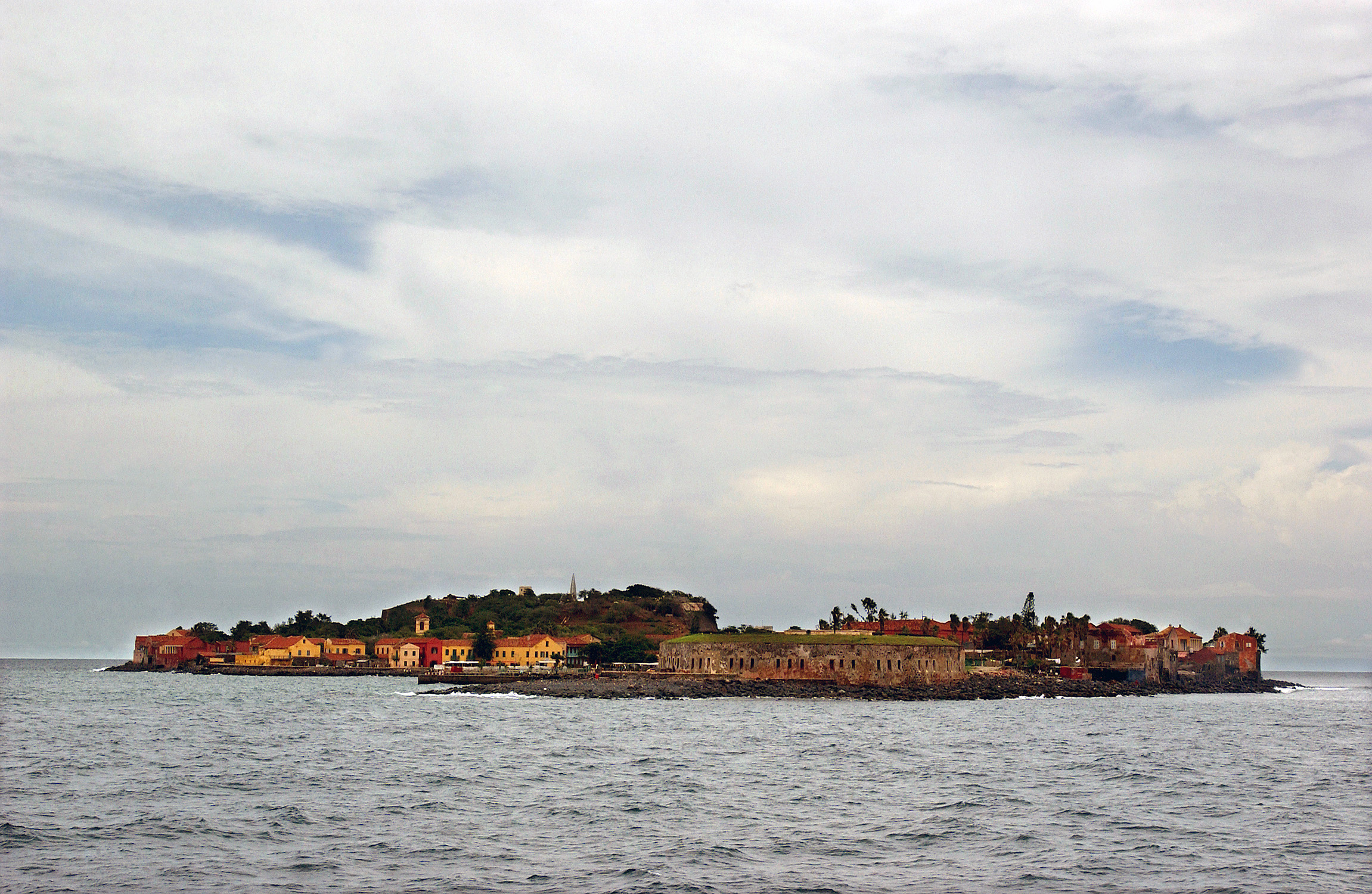
- Gorée Island is a UNESCO World Heritage site.
- Djoudj National Bird Sanctuary is one of West Africa’s major bird habitats.
- “Teranga” (hospitality) is central to the travel experience.
60-Second Fit Check
- Ideal style: Culture + music + coastline + food.
- Energy level: Medium (higher with long overland legs).
- First-timer friendly: Yes, with clean route logic.
- Budget vibe: Flexible; strong value if you avoid unnecessary jumps.
- Transport spine: Dakar hub + planned regional transfers.
The Senegal That Clicks: Anchor, Contrast, Reset
The easiest winning frame here is Dakar anchor + one history/culture contrast + one recovery lane.
Example loop: Dakar + Gorée for urban-historic depth, then Saint-Louis/Djoudj or Sine-Saloum for a calmer phase. Keep transfer days intentional, not reactive.
My blunt take: Senegal is not hard. Overcomplicated route plans are hard.
The Anchor: Dakar’s Kinetic EnergyDakar isn't just a city; it is an assault on the senses in the best way possible. To make the anchor stick, focus on the Corniche at sunset or the chaotic brilliance of the Sandaga Market. It’s the place to establish the "heartbeat" of the trip before moving into the contrast.
The Contrast: The Ghost of GoréeMoving from the roar of Dakar to the car-free, bougainvillea-lined paths of Gorée Island provides an immediate emotional and auditory contrast. It’s where the "winning frame" gains depth—shifting from modern West African hustle to a heavy, silent history that demands a slower pace.
The Reset: The Liquid LabyrinthFor the recovery lane, the Sine-Saloum Delta offers a total sensory reset. Swapping exhaust fumes for mangrove forests and traditional pirogues allows for "intentional transfer." It’s the palate cleanser where the traveler stops being a spectator and starts blending into the natural rhythm of the tides.
Day 1–3 Dakar base, Day 4 contrast site, Day 5 lighter reset, Day 6–9 depth lane with fewer hotel swaps.
Vibe Check: Which Senegal Are You Here For?
Pick your lane first. Then the itinerary gets easier.
City + Culture + Music
Dakar neighborhoods, art spaces, food markets, ocean walks, and evening culture.
History + Heritage Depth
Gorée, Saint-Louis atmosphere, museums, layered stories, and slower reflective pacing.
Nature + Reset Rhythm
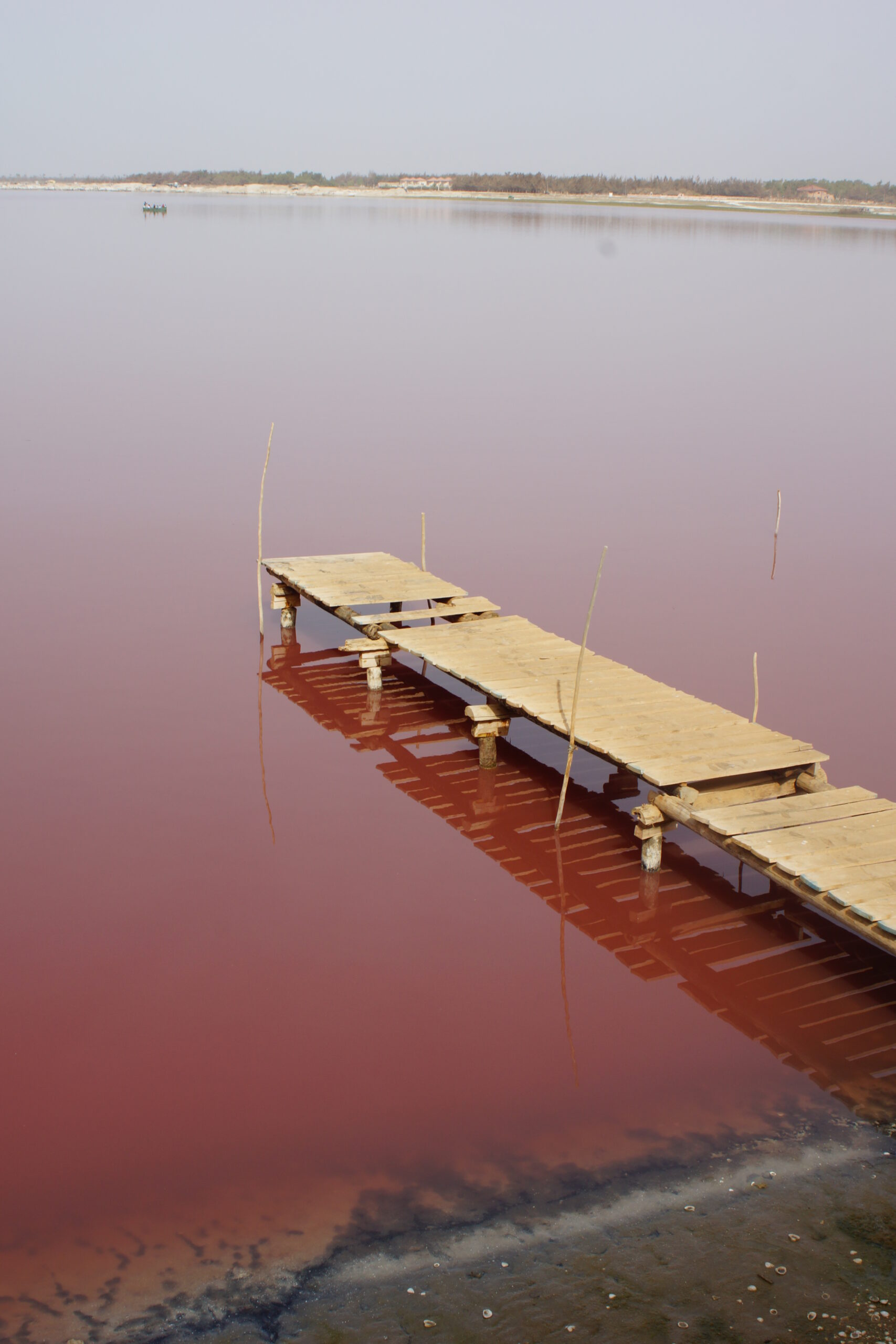
Birdlife zones, delta/coast calm, and fewer high-friction city moves.
Daily Rhythm Comparison (Europe-Series Method)
Same destination, different outcomes—depending on how you pace your day.
Fast Rhythm
For high-energy travelers who still want structure.
Early neighborhood walk + key cultural site before heat/crowds.
One focused meal + short transfer or shaded break.
One social/food block, then hard stop (avoid second late move).
- Base moves: 3–4 over 9 days.
- Risk: fatigue if you skip recovery windows.
Balanced Rhythm
Best first-trip setup for most travelers.
Primary site or district focus while energy is highest.
Long lunch + slower local activity (market/café/waterfront).
Simple dinner zone near your base, short walk, early reset.
- Base moves: 2–3 over 9–12 days.
- Best for: culture + comfort + consistency.
Slow Rhythm
Depth-first approach with lower decision load.
One meaningful outing, no stacking.
Unscheduled buffer, food stop, and recovery block.
Local meal ritual + journaling/planning for next day.
- Base moves: 1–2 over 7–10 days.
- Best for: reflection, creators, and low-friction travel.
If it’s your first Senegal trip, pick Balanced Rhythm. You’ll see more and enjoy more.
Senegal in Four Seasons (Text + Icons)
No image placeholder here by design—quick scan, clear planning.
Dec–Feb
Best for: pleasant city/coastal days and strong first-time comfort.
Mar–May
Best for: warm days, cultural loops, and shoulder-style planning.
Jun–Sep
Best for: lower crowd pressure in some zones; plan for rain/humidity shifts.
Oct–Nov
Best for: transition months, route flexibility, and balanced pacing.
Heat, humidity, and transit comfort vary by region—plan your heavier activity windows in the morning.
Rob’s Pointers: One Food Win + One Activity Win
Simple anchors create memorable travel days.

Food pick: Thieboudienne lunch, done properly
Thieboudienne (or Ceebu Jën) is the national dish of Senegal and a cornerstone of West African cuisine. Its name literally translates to "rice with fish" in Wolof. It is a one-pot masterpiece that is as much about the vibrant presentation as it is about the complex, layered flavors. Pick one lunch where you slow down and ask what’s local that day. This is where Senegal’s hospitality really lands.
Activity pick: Sunset Corniche or waterfront walk
Lock one evening for a no-rush walk by the ocean. It resets your head and protects trip energy.
One food anchor + one movement anchor beats ten rushed “must-do” stops.
Safety: Suggestions, Warnings, and Smart Street Habits
Most travel stress is reduced by route clarity and a few practical habits.
Smart habits
- Use trusted transport options, especially for late arrivals.
- Keep valuables low profile in dense transit and market zones.
- Carry small cash plus one backup payment method separately.
- Save your accommodation pin offline before moving between neighborhoods.
- Keep a daylight orientation walk on day one.
Warnings worth respecting
- Avoid unfamiliar isolated areas late at night.
- Weather and road conditions can affect journey timing—don’t overstack transfer days.
- Check health and vaccination guidance before departure.
- Re-check official advisories close to travel date.
- Keep digital and paper copies of key documents.
Calm behavior plus basic prep beats anxiety and overcontrol.
Official checks before departure
Women travelers: confidence plan
- Use well-reviewed stays with reliable location ratings.
- Dress context-aware in conservative settings.
- Move to busier streets or known venues if any situation feels off.
- Share day plans with one trusted contact.
Logistics Lite
Set these once and the trip runs smoother.
Entry + visa rhythm
Rules vary by passport. Confirm official requirements before booking non-refundable legs.
Air + arrival backbone
Use Dakar as your arrival anchor, then branch into one coherent regional lane.
Money + payments
Senegal uses XOF. Cards are common in many urban settings, while cash still matters day-to-day.
- Carry smaller notes for routine purchases.
- Split payment methods between bag and person.
- Track ATM/FX fees to avoid silent budget leaks.
Connectivity + route sanity
- Download offline maps before cross-city moves.
- Save every accommodation pin and arrival note.
- Keep one “no-transfer” day every 3 travel days.
African Region Currencies (Quick Reference)
Useful if your Senegal route extends across Africa. Senegal itself uses XOF.
North Africa
Common lane codes: MAD, DZD, TND, LYD, EGP
- Exchange per segment instead of over-converting early.
West Africa
Shared bloc: XOF (West African CFA franc)
- Also common: NGN, GHS, GNF, SLL, LRD, CVE, GMD.
- For multi-country routes, treat cash strategy as part of logistics.
Central Africa
Shared bloc: XAF (Central African CFA franc)
- Also common: CDF, AOA, STN.
East Africa
Common lane codes: KES, TZS, UGX, ETB, RWF, BIF
- Mobile money strength varies by country—verify before arrival.
Southern Africa
Regional anchor: ZAR
- Common lane codes: BWP, NAD, LSL, SZL, ZMW, MWK, MZN.
For multi-country Africa trips, withdraw per leg, hold a small hard-currency backup, and avoid carrying excess leftover cash over borders.
Base Plans: 3 Senegal Structures That Work
Plan A: Dakar Anchor Loop
- Dakar base + Gorée + one coast/nature reset.
- Strong first-timer setup with low friction.
- Great for culture + food + city rhythm.
Plan B: Saint-Louis Contrast
- Add Saint-Louis vibe plus Djoudj day logic.
- Better for heritage and slower visual travel.
- Use fewer hotel swaps for better flow.
Plan C: South-leaning Reset
- After Dakar, choose one calmer southern/coastal lane.
- Prioritize depth over distance.
- Excellent for longer stays and recovery pace.
Costs: What Actually Moves the Budget
Where people overspend
- Too many transfer days and last-minute transport fixes.
- Overnight hopping between bases with no reset buffer.
- Reactive premium bookings after fatigue decisions.
- No food plan, then defaulting to convenience spending.
- Stacking paid activities in the same 48-hour window.
How to keep it sane (USD-first mindset)
- Set a daily USD target range and track spend in XOF.
- Book anchor nights and one key transit leg early.
- Pick one premium experience and protect it.
- Keep one low-cost day in each 3-day block.
Senegal can be excellent value. Route clutter and rushed decisions are what usually break the budget.
Un-Googleable Senegal: Small Moves, Big Difference
Do one dawn walk in your anchor base
Morning rhythm gives cleaner orientation and easier social reading than midday overload.
Protect your day-3 energy
That’s where overpacked itineraries usually crack. Pre-book one lighter half-day.
Keep one trusted café as your reset point
Returning to a known place reduces decision fatigue instantly.
Ask locals for timing, not only places
In Senegal, “when to go” often matters more than “where to go.”
Gap Analysis: Is Senegal Right for Your Style?
You’ll love it if…
- You like culture-forward trips with human connection.
- You enjoy coastal-city contrast and music-rich evenings.
- You prefer fewer moves and better depth.
- You want West Africa with a clear first-time entry point.
Plan around it if…
- You only want fully predictable, checklist-style travel days.
- You dislike adaptive pacing or social interaction in transit spaces.
- You want to cram every region into one short trip.
Senegal rewards respectful pace, curiosity, and route discipline.
Senegal FAQs
Short answers to common planning questions.
How many days do I need for Senegal?
Eight to twelve days is a strong first-trip range for depth and pacing.
Is Senegal first-timer friendly?
Yes. Use Dakar as your anchor and keep your route to one clear contrast lane.
What currency is used in Senegal?
Senegal uses the West African CFA franc (XOF).
Do I need to move hotels often?
No. Two to three well-chosen bases usually produce a better trip than frequent moves.
What should I check before departure?
Entry rules for your passport, current advisories, weather, health guidance, and key transport confirmations.
Join the conversation
Planning Senegal around Dakar, Saint-Louis, or a slower coastal reset? Share your route idea and what you’re still weighing so others can learn from your planning process too.