Africa Region Guide
West Africa
Big energy, deep culture, and routes that reward thoughtful pacing
West Africa is one of the most vibrant lanes on the continent: music-rich cities, layered coastal history, dynamic markets, and hospitality that can turn a trip into something unforgettable.
My planning rule here is simple: lock your route logic first. Distances are bigger than they look, border/admin details vary, and your comfort level jumps when you slow the plan by just one notch.
Travel Advisory Snapshot — West Africa
This sits first for a reason: advisory levels are your route guardrails. Use them to shape country selection, pacing, and border decisions before you lock bookings.
How to read the color levels
- Level 1 Exercise normal precautions.
- Level 2 Exercise increased caution (petty crime/protest or localized disruptions possible).
- Level 3 Reconsider travel (higher risk profile in parts or nationwide).
- Level 4 Do not travel (severe security risk / conflict / kidnapping / terrorism indicators).
Advisory ratings can change quickly. Always verify official government guidance close to departure and again before any inter-country move.
| Country | Risk Level | Advisory Summary |
|---|---|---|
| Cabo Verde | Level 1 | Generally safe; exercise normal precautions. Level 2 (High Caution) applies in Praia due to petty crime. |
| Ghana | Level 2 | Increased caution overall due to violent crime. Level 4 (Do Not Travel) for the border with Burkina Faso. |
| Senegal | Level 2 | High caution due to crime. Level 3 (Orange) for Casamance region and the eastern border with Mali. |
| The Gambia | Level 2 | Exercise caution for crime and unrest. Level 3 for the southern border with Casamance (Senegal). |
| Benin | Level 2 | High caution for crime. Level 4 (Red) for northern parks and borders with Niger/Burkina Faso. |
| Guinea-Bissau | Level 2 | Increased caution for crime and political instability. Level 3 for the northwest border area. |
| Togo | Level 2 | General caution. Level 4 for areas within 30km of the Burkina Faso border. |
| Côte d’Ivoire | Level 2 | High caution for crime/unrest. Level 4 for northern borders with Mali and Burkina Faso. |
| Guinea | Level 2 | High caution for civil unrest. Level 4 for Mali border due to terrorism/kidnapping risks. |
| Liberia | Level 2 | Increased caution due to crime and risk of civil unrest. |
| Sierra Leone | Level 2 | High caution for violent crime and potential unrest. |
| Mauritania | Level 3 | Reconsider travel due to terrorism and crime; especially dangerous near the Mali border. |
| Nigeria | Level 3 | Reconsider travel due to kidnapping/terrorism. Level 4 applies to over 20 northern and delta states. |
| Burkina Faso | Level 4 | Extreme risk of terrorism and kidnapping throughout the country. |
| Mali | Level 4 | Extreme risk of violent crime, kidnapping, and armed conflict. |
| Niger | Level 4 | Unstable security environment with high kidnapping and terrorism risks. |
Which Countries Make Up West Africa?
On this site, West Africa is treated as a practical travel lane: connected culturally, but varied in logistics and route complexity.
- Benin TBA
- Burkina Faso TBA
- Cabo Verde TBA
- Côte d’Ivoire TBA
- The Gambia TBA
- Ghana TBA
- Guinea TBA
- Guinea-Bissau TBA
- Liberia TBA
- Mali TBA
- Mauritania TBA
- Niger TBA
- Nigeria TBA
- Senegal TBA
- Sierra Leone TBA
- Togo TBA
The Cheat Sheet — West Africa (60-Second Scan)
If you need the practical snapshot fast: route rhythm, climate timing, money setup, and where first-timers should begin.
Fast facts
- Region shape: coastal corridors + inland depth, with large travel distances
- Trip style: best for culture-driven travelers and curious food explorers
- Language mix: English, French, Portuguese, Arabic, and many local languages
- Planning reality: border/admin rules can differ a lot between neighbors
- Timing logic: shoulder seasons often feel more manageable than peak heat/rain windows
- Money setup: carry local cash + backup card, not card-only assumptions
A tight, well-paced route beats an over-ambitious multi-border sprint almost every time.
Map
Africa regional overview
Use this for lane context while planning your West Africa flow.
Currencies in West Africa (quick reference)
- West African CFA franc (XOF): Benin, Burkina Faso, Côte d’Ivoire, Guinea-Bissau, Mali, Niger, Senegal, Togo
- Other major currencies: Ghanaian cedi, Nigerian naira, Gambian dalasi, Guinean franc, Liberian dollar, Mauritanian ouguiya, Sierra Leonean leone, Cabo Verdean escudo
Keep one daily wallet and one backup wallet. It’s the easiest low-stress system in multi-currency regions.
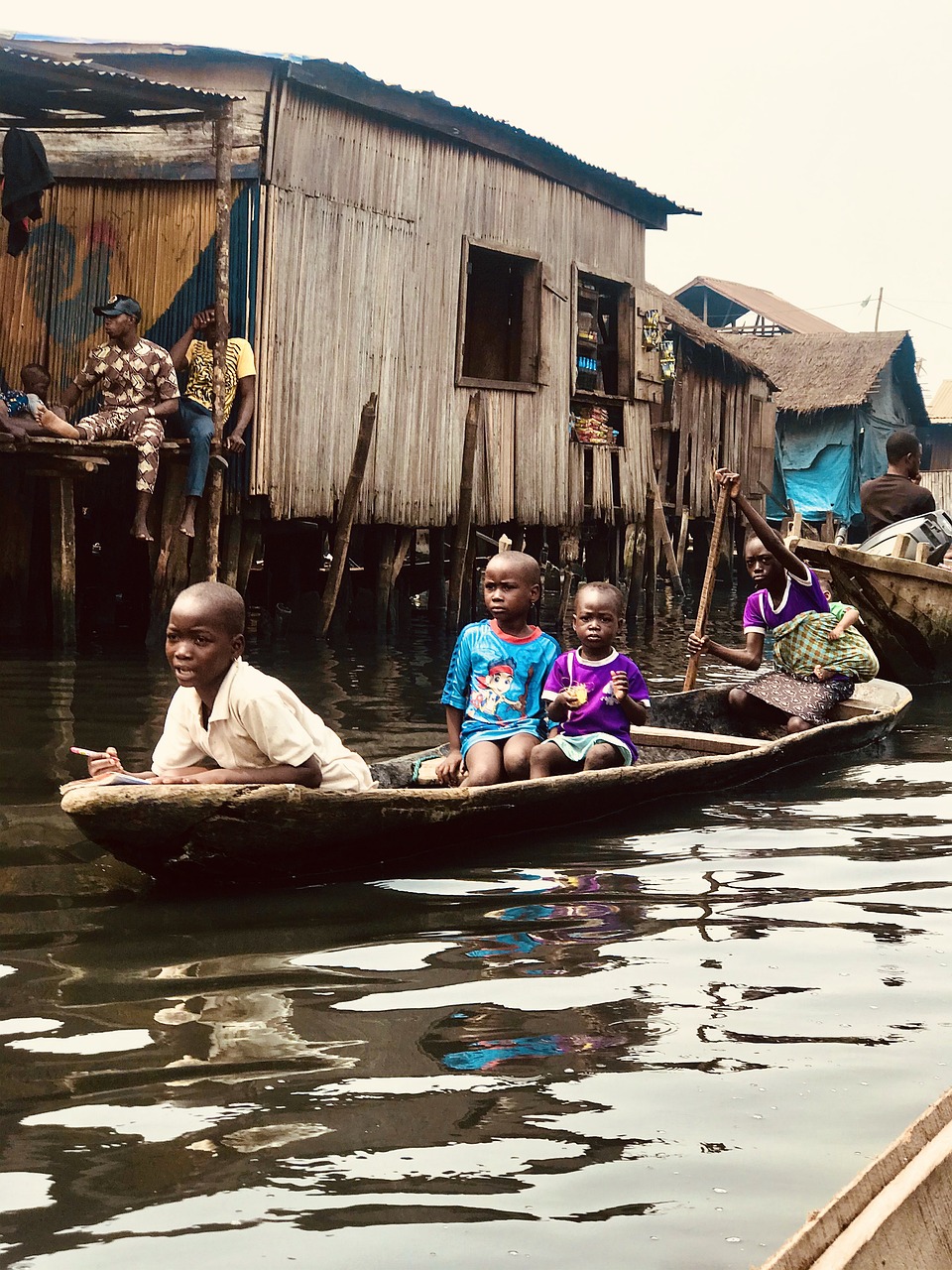
Vibe Check — How West Africa Feels
West Africa is expressive, social, and alive. You don’t just “see” it — you feel it in sound, food, pace, and street energy.
The atmosphere
This lane has range: quiet coastlines, high-energy cities, strong craft traditions, and everyday hospitality that can surprise first-time visitors in the best way.
Who it suits best
Curious travelers who like culture, food, and meaningful local interaction — and who are happy to trade “perfect predictability” for richer experience.
Rhythm that works
- Early windows: best for focused movement and site visits
- Midday: throttle down in hot/humid seasons
- Evenings: often the best culture/food/social window
Match your day to local rhythm and you’ll get better energy, better conversations, and less burnout.
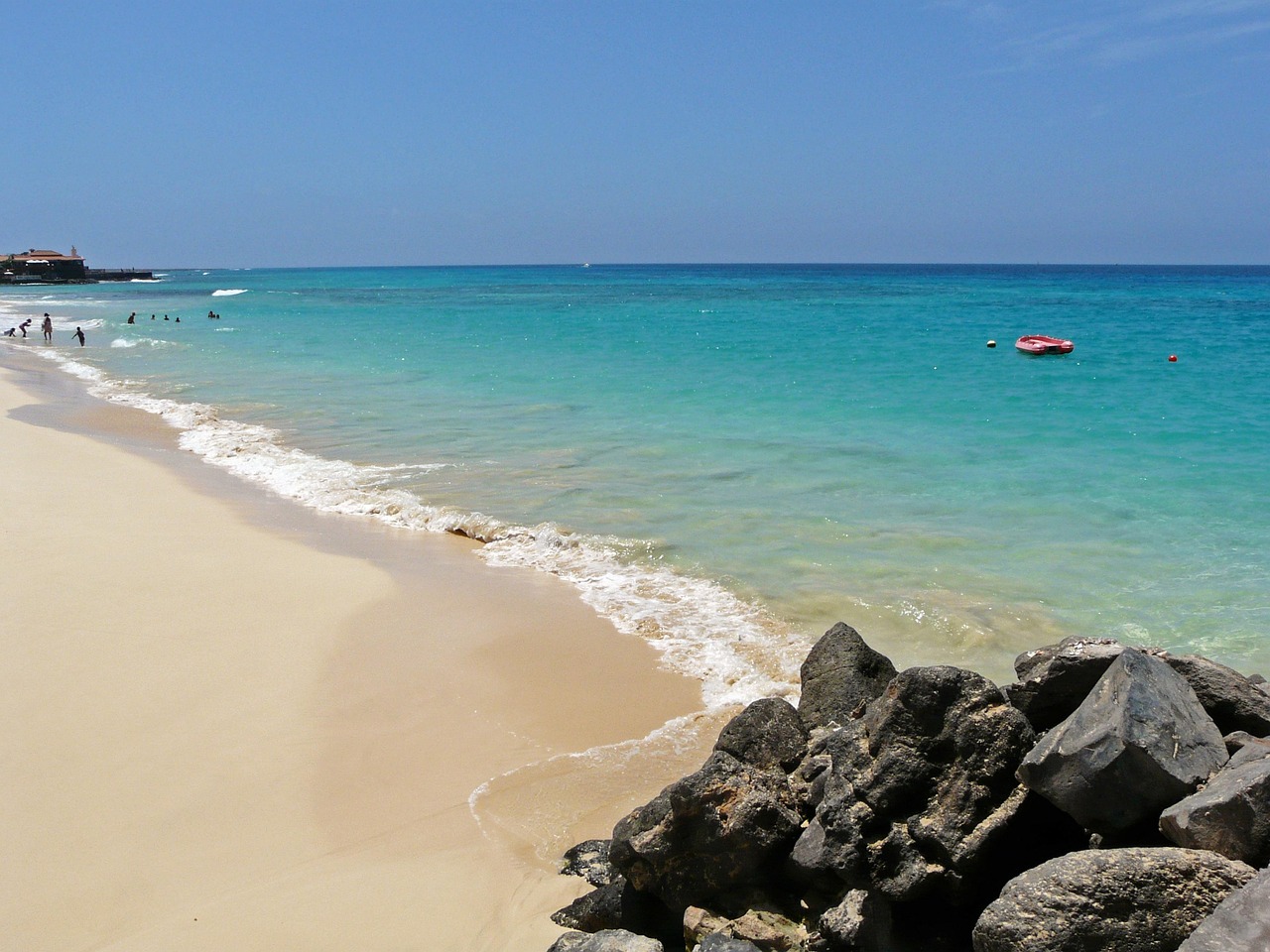
Rob’s Suggestions
Choose one food ritual in every stop — market breakfast, neighborhood grill, or sunset coastal meal. That ritual anchors memory better than a rushed checklist.
- Pick one local dish to learn properly in each country
- Ask hosts where locals eat after work hours
- Build one slow evening into every 2–3 days
Street Smarts — Respectful and Grounded
You don’t need to overperform local behavior. Be observant, respectful, and steady — that’s enough.
Three moves that work
- Greet first: social openers matter in many places
- Ask before photographing: especially people, markets, and religious settings
- Keep a calm tone in negotiation: respectful bargaining goes further
Comfort and etiquette
- Dress with context, especially in conservative zones
- Keep valuables organized and low-profile in crowded areas
- Use registered transport options at night where possible
A respectful approach usually improves both safety and local interaction quality.
Safety — Practical Signals and Sensible Habits
West Africa is not one single risk profile. Country conditions can differ sharply, so update checks are non-negotiable.
Before departure
- Check current government travel advisories per country and region
- Confirm vaccinations/health requirements and entry documents
- Buy insurance that explicitly covers your route and activities
Do not copy an old itinerary blindly. Re-validate safety and entry info close to travel dates.
On the ground
- Use known transport options for late arrivals/departures
- Keep backup cash/card separate from your daily wallet
- Share route and check-in windows with someone you trust
- If a local host says “not this area tonight,” listen
Smart caution is not fear — it’s freedom to enjoy the trip with less friction.
Logistics Lite — Keep the Engine Clean
In West Africa, simple systems beat complicated plans. Protect your transfer days and build admin buffers.
Movement basics
- Within country: verify schedule reliability before locking tight plans
- Between countries: keep buffers around key crossings and flight connections
- Arrival routine: offline maps + local cash + pre-saved stay address
Low-friction setup
- Daily checklist at night: documents, tomorrow’s route, cash level, power bank
- One admin window every 3–4 days for laundry/bookings/reset
- Keep first night in each city simple and near your transport hub
The Un-Googleable Stuff — Tiny Changes, Better Trip
Most “this trip got amazing” moments come from small timing choices, not giant itinerary upgrades.
Timing upgrades
- Front-load important site visits early in the day
- Use late afternoons for neighborhoods and food streets
- Keep midday as your flexible block in hotter seasons
Connection upgrades
- Return to one café/stall so faces become familiar
- Ask one local question daily beyond “where is…”
- Leave one evening open for an unplanned local recommendation
West Africa rewards rhythm and relationship. Plan structure, then let the good moments breathe.
The Gap — What People Forget to Ask
Most avoidable problems here are pacing and admin issues, not destination issues.
Common friction points
- Too many borders for the available time
- No buffer days for schedule shifts
- Overestimating how “quick” long transfer days are
Fix it fast
- Overloaded plan? Remove one move and add one recovery day
- Admin stress? Consolidate to fewer countries this round
- Energy crash? Insert a no-plan evening every 2–3 days
The best West Africa trips feel intentional, not rushed — and that starts with route discipline.
Join the conversation
Planning your West Africa route? Share where you’re starting and what you’re unsure about so other travelers can learn from your path too.