WEST AFRICA LANE
Ghana Travel Guide: Heritage Coast, Creative Cities, and a Route That Actually Flows
Ghana is warm, social, and surprisingly easy to structure when you choose your rhythm early. Think Accra energy, coastal history, and one nature or culture depth leg.
My approach here is simple: build around one anchor city, then add one heritage lane and one reset lane so the trip stays rich, not rushed.
The biggest win in Ghana is pacing your transfers. Fewer hotel switches and clearer day blocks make the whole experience smoother.
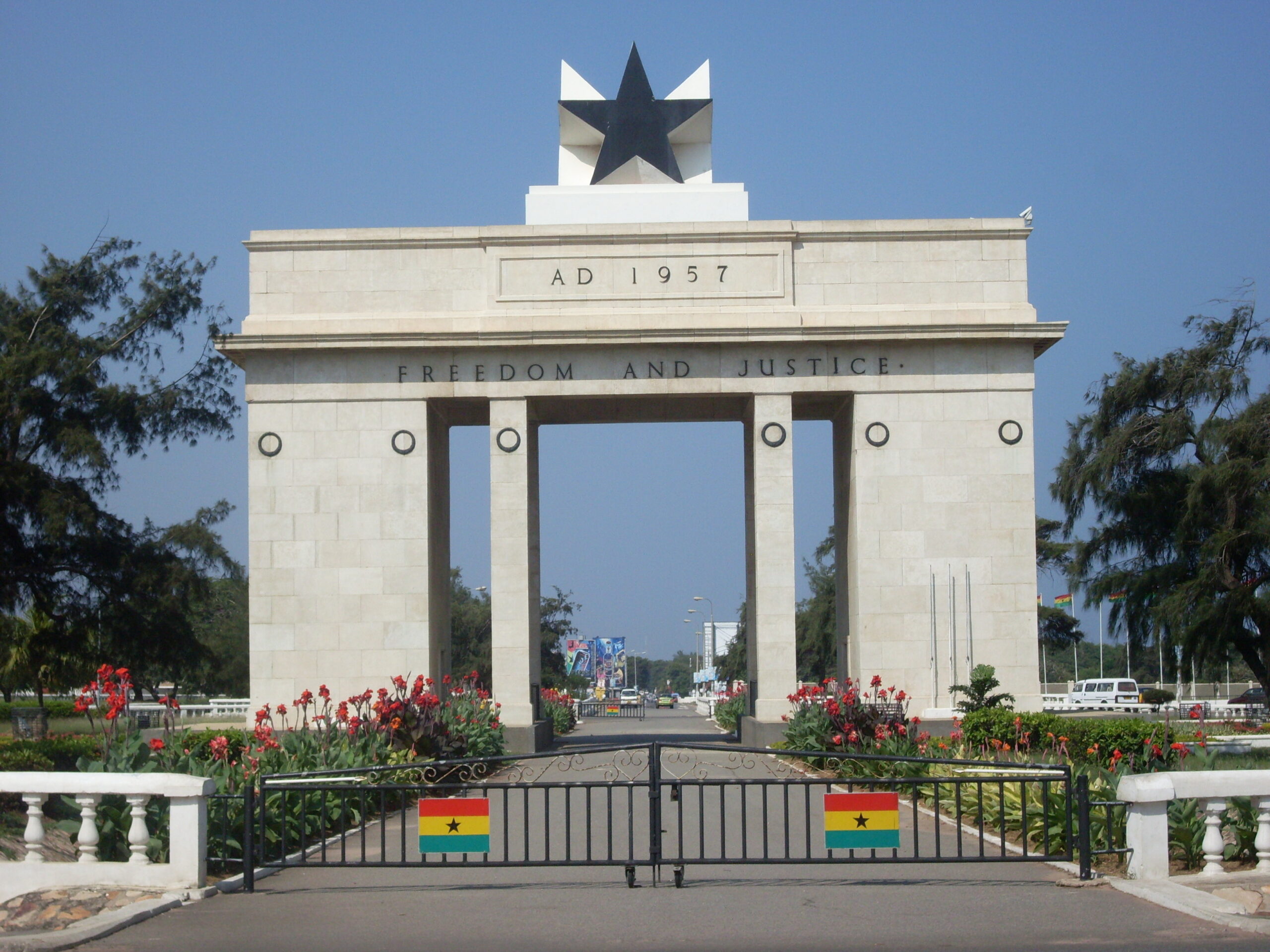
Need the Gist? (60-Second Scan)
Ghana works best when your days are grouped into smart blocks: city, coast, then one depth lane.
- Best first move: 2–3 nights in Accra to settle your route logic.
- Ideal first trip: 8–10 days for city + coast + one inland extension.
- Classic mistake: Stacking long transfers on back-to-back days.
- Big win: Keep one reset half-day after every 2 active days.
- My rule: Choose two strong lanes, not five partial ones.
Ghana rewards travelers who keep their itinerary intentional and breathable.
- Ghana’s main currency is the cedi (GHS).
- English is the official language; local languages shape day-to-day conversation.
- Cape Coast and Elmina are key heritage stops on the coast.
- Kakum and Mole are popular nature contrasts to city/coast trips.
60-Second Fit Check
- Ideal style: Culture + history + food + social energy.
- Energy level: Medium (higher with a northern extension).
- First-timer friendly: Yes, with clear transfer planning.
- Budget vibe: Flexible, usually easier when route is compact.
- Transport spine: Private transfer mix + targeted domestic hops.

The Ghana That Clicks: Anchor City + Heritage Coast + One Depth Leg
This is the framework that keeps most first trips strong: Accra anchor for orientation, Cape Coast/Elmina for heritage context, then one depth lane like Kumasi culture, Volta landscapes, or Mole wildlife.
You get contrast without chaos, and your daily energy stays consistent. That matters more than squeezing every headline place into one trip.
My blunt take: Ghana is a depth country. If you rush it, you’ll miss what makes it special.
Days 1–3 Accra, Days 4–6 Cape Coast zone, Days 7–9 one inland lane, final day reset.

Vibe Check: Which Ghana Are You Here For?
Pick your dominant lane first, then build the route around it.
City + Creative Ghana
Accra neighborhoods, markets, design spaces, music, and modern West African energy.
Heritage + Reflection
Cape Coast and Elmina with meaningful historical context and slower processing time.
Nature + Breathing Room
Kakum, Volta, or Mole for contrast, movement, and a quieter travel tempo.
Daily Rhythm Comparison (Ghana Edition)
Same method from the Europe series—choose your pace before booking everything.
Fast Explorer
Best for: shorter trips, high momentum
Early move or activity start
Main sightseeing block
Intercity transfer or second major stop
Dinner + short local walk
Transit load: High
Balanced Classic
Best for: most first-time Ghana itineraries
Targeted morning block
Long lunch + climate break
Second lighter activity window
Food-first evening, low admin
Transit load: Medium
Slow Depth
Best for: culture, heritage, and burnout prevention
One anchor activity only
Long meal + local conversation time
Neighborhood wander / café reset
Early finish, prep tomorrow lightly
Transit load: Low
If you’re unsure, choose Balanced Classic. It gives you depth without draining day-4 energy.
Ghana in Four Seasons (Text + Icons)
Kept text-only by design—quick scan, easier planning.
Dec–Feb (Dry + Harmattan window)
Best for: broad routing, city/coast movement, clearer travel rhythm.
Mar–May (Heat + first rains in many areas)
Best for: shorter daytime blocks and smart hydration pacing.
Jun–Aug (Mixed, with wetter pockets)
Best for: flexible scheduling and route buffers.
Sep–Nov (Shoulder planning window)
Best for: mixed itineraries when you keep transit and weather buffers realistic.
Ghana planning is less about “perfect weather” and more about smarter day structure.
Rob’s Choice: One Food Win + One Activity Win
Simple anchors that make the trip memorable without over-scheduling.
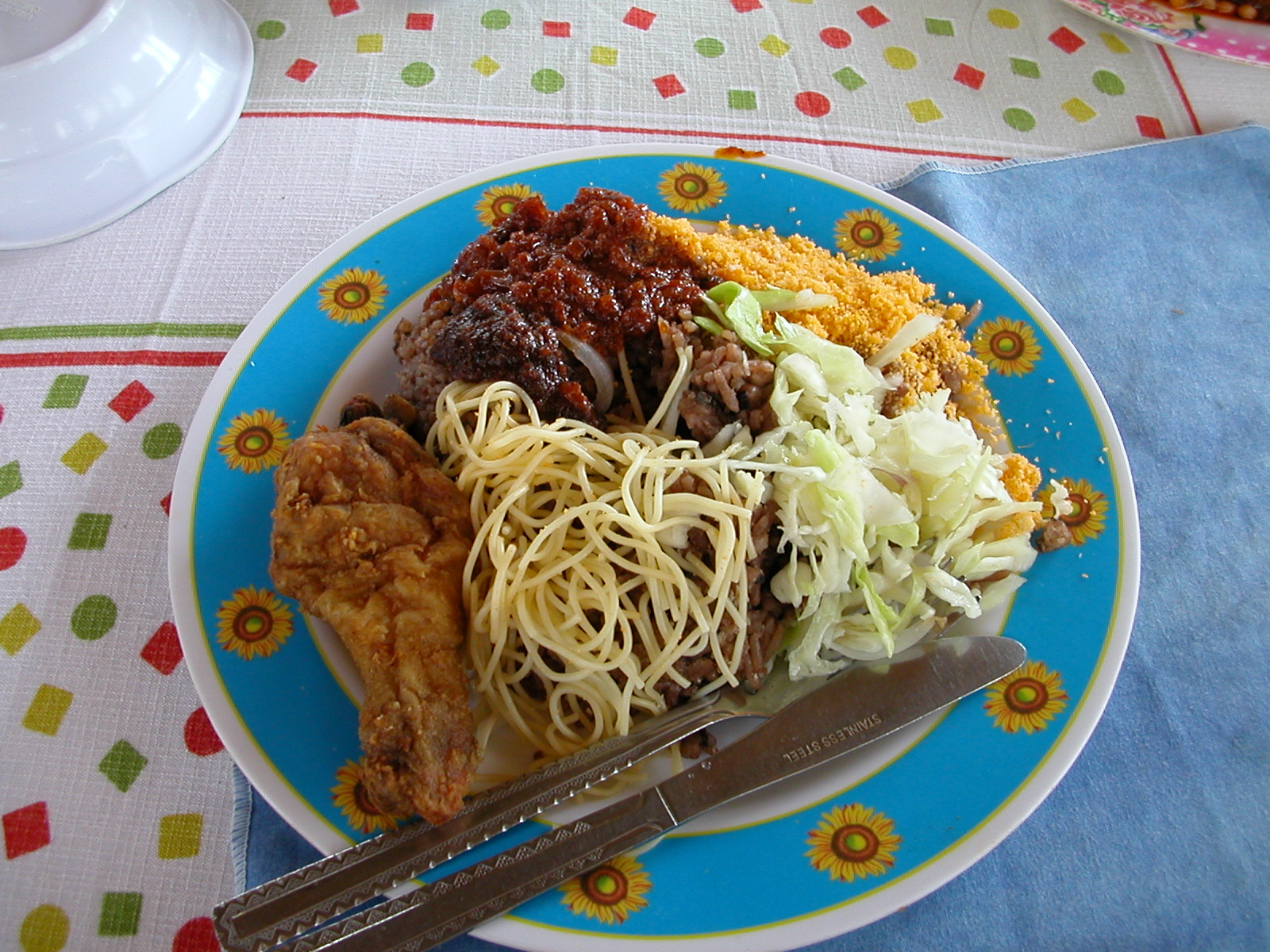
Food pick: One intentional waakye or banku lunch
Don’t treat food as a side task. Choose one respected local spot, go at the right time, and enjoy the meal at local pace.
Activity pick: Heritage morning + quiet processing hour
If you visit Cape Coast/Elmina, pair the visit with a slower hour after. It makes the experience land with more depth and less emotional whiplash.
One strong food memory + one meaningful activity beat five rushed “must-do” stops.
Safety: Suggestions, Warnings, and Calm Street Rules
Most risk reduction in Ghana is practical and straightforward.
Smart habits
- Use trusted drivers/taxis for late returns and intercity transfers.
- Keep phones and wallets low-profile in very busy transport zones.
- Carry a backup card + smaller cash notes in separate places.
- Save accommodation pins offline before evening movements.
- Hydrate aggressively in hotter periods and midday blocks.
Warnings worth respecting
- Avoid isolated beach/road stretches after dark when unfamiliar.
- Don’t stack long road days when you’re already tired.
- Leave weather buffers during rainy windows.
- Use licensed guides for national parks and specialized routes.
- Re-check official advisories close to departure.
Safe travel in Ghana is mostly about calm habits, realistic timing, and clear handoffs.
Official checks before departure
Women travelers: confidence plan
- Choose well-reviewed stays in reliable areas.
- Do a daylight orientation walk on arrival.
- Pre-book first/last-night transport.
- If a situation feels off, move to busier, well-lit areas quickly.
Logistics Lite
Set these once, then your day-to-day becomes easier.
Entry + visa rhythm
Requirements vary by passport, so verify official rules before finalizing non-refundable bookings.
Route backbone
For most travelers: Accra anchor, coast lane second, inland depth lane third.
Money + payments
Ghana uses GHS. Carry mixed payment options and keep one backup method separate.
- Carry smaller denominations for daily convenience.
- Track ATM/FX fees to avoid silent budget leakage.
- Use a daily spend cap in USD while transacting in GHS.
Connectivity + maps
- Download offline maps before longer road days.
- Share lodging pins with driver and your travel partner/self email.
- Keep one low-data backup map app ready.
African Region Currencies (Quick Reference)
Useful if your Ghana trip extends across multiple African lanes. Ghana itself uses GHS.
North Africa
Common lane codes: MAD, DZD, TND, LYD, EGP
- Different cash realities by country and border leg.
- Exchange per segment, not all upfront.
West Africa
Primary in Ghana: GHS
- Also common: XOF, NGN, GMD, SLL, LRD, GNF, CVE.
- In mixed routes, pre-check cash/card access city by city.
Central Africa
Shared bloc: XAF
- Also common: CDF, AOA, STN.
- Cash fallback matters more in remote pockets.
East Africa
Common lane codes: KES, TZS, UGX, ETB, RWF, BIF
- Also seen: DJF, SOS, ERN, SSP, KMF, SCR, MGA.
- Mobile money strength varies significantly by country.
Southern Africa
Regional anchor: ZAR
- Also common: BWP, NAD, LSL, SZL, ZMW, MWK, MZN.
- Some currencies remain closely linked to ZAR in practice.
For multi-country Africa routes, treat money as a route layer: withdraw by segment, keep a small hard-currency reserve, and avoid carrying excess leftovers across borders.
Base Plans: 3 Ghana Structures That Work
Plan A: Accra + Heritage Coast
- Accra orientation + Cape Coast/Elmina depth.
- Add Kakum as a nature contrast day.
- Strong first-timer layout.
Plan B: Accra + Kumasi Culture
- City creativity + Ashanti heritage perspective.
- Great for travelers who value culture over checklist speed.
- Balanced transfer load when planned cleanly.
Plan C: Coast + Northern Wildlife
- Heritage coast first, Mole extension second.
- Best for 10+ days with a resilient pace.
- Use buffer days around long transport legs.
Costs: What Actually Moves the Budget
Where people overspend
- Late-booked intercity transport under time pressure.
- Too many one-night stays with repeated packing days.
- Reactive booking choices during fatigue windows.
- Unstructured shopping without a daily cap.
- Paying premium rates for avoidable last-minute fixes.
How to keep it sane (USD-first mindset)
- Set a daily USD target and track actual spend in GHS.
- Book your biggest transfer blocks in advance.
- Choose one premium experience, skip three average add-ons.
- Keep one soft half-day every 2–3 days.
Ghana can feel very manageable on budget when route logic and transfer timing are locked early.
Un-Googleable Ghana: Small Moves, Big Difference
Protect day-3 energy
That’s where many itineraries start wobbling. Pre-plan a lighter half-day before fatigue shows up.
Book one “anchor meal” daily
It reduces decision fatigue and gives your day a stable rhythm.
Ask locals for timing, not only places
In Ghana, the best hour often matters as much as the place itself.
Keep one evening low-admin by design
Your best next-day decisions happen when you’re not mentally overloaded.
Gap Analysis: Is Ghana Right for Your Style?
You’ll love it if…
- You want culture and history with human warmth.
- You enjoy city/coast contrast in one country.
- You prefer meaningful days over checklist speed.
- You can handle occasional transport unpredictability calmly.
Plan around it if…
- You only want ultra-rigid timing with zero variability.
- You dislike social, high-interaction travel environments.
- You’re trying to force coast + north + city + Volta in one short week.
Ghana rewards travelers who plan with intention and leave room for real-world pace.
Ghana FAQs
Short answers to practical planning questions.
How many days do I need for Ghana?
Eight to ten days is a strong first-trip range for city, coast, and one inland lane.
Is Ghana good for first-time Africa travel?
Yes—especially when your route is compact and your transfer days are paced sensibly.
Do I need domestic flights?
Not always. Many routes work overland, but northern add-ons can benefit from targeted flights.
Is Ghana expensive?
It can be very manageable when you avoid rushed last-minute transfers and frequent hotel switches.
What should I check right before departure?
Entry requirements, health guidance, advisories, transfer confirmations, and weather buffers.
Join the conversation
Are you planning Ghana around Accra, the heritage coast, or a north/nature extension? Share your route logic, what you’re unsure about, and what trade-offs you’re considering—your thinking can help someone else plan smarter too.