Food Destinations: Choose a Trip Worth Tasting
Food destinations are easier to choose when you know how you like to eat. Pick a place for markets and everyday meals, regional specialties, a cooking experience, or a deeper food-and-culture journey. Japan, Portugal, Thailand, and France provide useful starting points. Build the trip around a few good bases and leave room for discoveries.
By Rob Wheatley – Program Director & traveler
Reviewed 25 October 2026
I have considerable respect for a travel plan with lunch at its centre. It is honest about its priorities. The only danger is turning every meal into an appointment, until you are checking your watch while chewing. Good food travel needs curiosity and a little breathing room.
Choose your appetite before your airfare
A food holiday can mean street stalls, neighbourhood restaurants, cooking classes, farms, or fine dining. None automatically makes the others more authentic. Decide what you enjoy and what you want to learn, then choose a route that gives you access to it.
Start with Food Tourism for the broader approach. This page helps you choose where to take it. My preference is one or two bases with time to revisit a place you like, rather than eating against a national checklist.
Japan: make room for regional differences
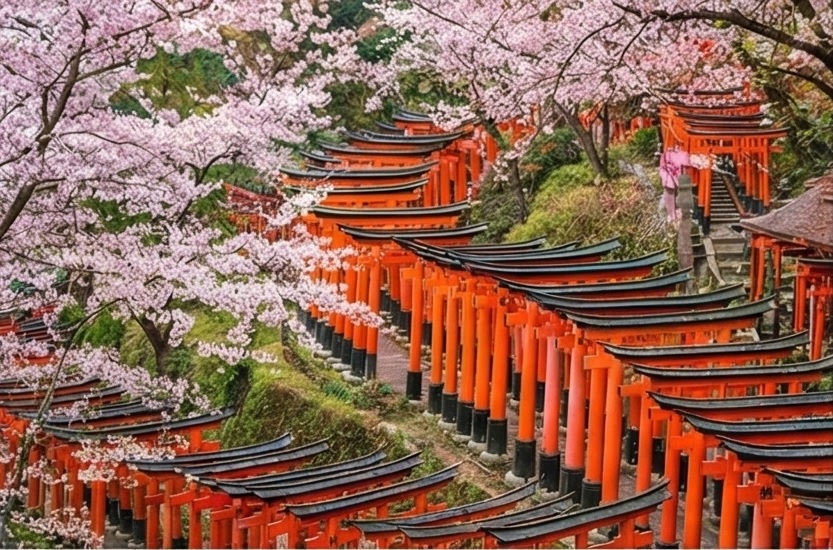
Japan is a useful choice if regional food interests you. JNTO’s food guidance emphasizes local specialties across the country. That is a reason to look beyond one famous dish, rather than a reason to visit every region in a fortnight.
Choose the cities in your itinerary first, then explore the food associated with each. A market visit, a small local meal, and one carefully chosen experience can tell you more than a frantic evening of chasing recommendations.
Portugal: connect the table to the place
Use Portugal as a starting point for a trip that combines towns, coast, and food. Instead of trying to sample the whole country, pick a region and ask what is local, seasonal, and worth understanding.
The places to visit in Portugal guide can help shape the geography. Then decide whether markets, seafood meals, wine, or a cooking session are the experiences you want to give time to.
Thailand and France: choose your pace
Thailand may appeal if food is part of a wider city-and-coast journey. Begin with the places you can reach sensibly, then choose food experiences nearby. You do not need to cross a city for every meal because an algorithm insists.
For France, decide whether you want one city base or a regional journey. Markets, bakeries, restaurants, and producers can all be part of the story. If wine tasting is included, arrange transport rather than letting the last glass make the decision.
Give yourself a useful food plan
- Keep one or two meals unplanned each day so recommendations can become discoveries.
- Confirm dietary needs directly; a translated menu is not an allergy guarantee.
- Book popular experiences when necessary, but check cancellation terms and what is included.
- Ask respectful questions and remember that markets and restaurants are working places.
For a first regional route, try the Southeast Asia starter itinerary or the Europe rail starter. A good food trip should leave you interested in the place as well as full.
No. Everyday meals, markets, and local producers can be central to the experience. Spend where it adds something you value, such as a guide or a cooking class.
Reserve the experiences you would be disappointed to miss. Leave some meals open so you can follow local suggestions and adjust to your appetite and energy.
Official sources and planning checks
Which version of this trip would you choose?
Tell me what appeals to you, what you would change, and the practical question you still need answered. Your dates, pace, and interests matter more than copying somebody else’s itinerary.
Keep exploring
Want a structured way to plan?
The World Travel Course is a separate learning path. Explore it when you want to work through your plans in more depth.