PORTUGAL, WHEN YOU WANT EUROPE'S BEST VALUE WITHOUT THE CROWDS
Portugal Travel Guide: Lisbon, Porto, Douro Valley & Algarve Beaches Done Right
This Portugal travel guide helps you choose between Lisbon, Porto, the Douro Valley and the Algarve. First decide which experiences matter most, then build a route with time to enjoy them. Compare bases, seasons and transport before booking, and leave room for a slower day rather than filling every gap with another transfer.
Portugal offers several quite different trips: Lisbon’s hills and neighbourhoods, Porto’s riverside streets, the Douro’s vineyard scenery and the Algarve’s coast. Choose the combination that appeals to you, then give it enough time. The most useful bargain is often one less hotel move.
My Portugal approach is simple: start with Lisbon and Sintra, then decide whether Porto deserves the next part of your trip. For a longer stay, compare the Douro Valley with the Algarve rather than automatically adding both. After all, a country this enjoyable deserves more than a sequence of hotel check-ins.
Expect summer crowds in popular coastal places and some steep walking in Lisbon. Before choosing a hotel, check the route from transport, lift access and the places you want to visit. For food, look at actual menus rather than assuming every town offers the same choices.
By RobLast updated: February 2026~16–20 min readCurrency: EUR (€)
First, choose the Portugal you want to experience: city streets, wine country or coastal days. Then match your bases to the time available. A promising price helps, but a journey you actually enjoy is the better bargain.
Best first move: Base in Lisbon for 3-4 nights, explore Alfama and Belém, then day-trip to Sintra (40 min train).
When it clicks: When you realize Lisbon delivers Barcelona's beauty, Rome's food, and Paris's café culture — at 40% of the cost.
Money truth: Portugal is budget-friendly — €60–100/day is very doable. Best value in Western Europe, hands down.
Easy win: Lisbon + Sintra + Porto in 7 days captures Portugal's greatest hits. Add Douro Valley or Algarve if you have 10+ days.
Classic mistake: Skipping Porto. It's only 3 hours from Lisbon by train and offers completely different energy — wine cellars, riverside walks, and less touristy vibe.
Quiet flex: Portugal's train system is excellent, affordable, and connects all major cities. You don't need a car unless heading to Douro Valley or remote Algarve.
Key Takeaway
Portugal rewards a simple formula: Lisbon base + Porto add-on + strategic day trips.
You can see the highlights in 7–10 days, or slow down for 14+ days and explore deeply without breaking the bank.
60-Second Fit Check
Ideal trip length: 7–10 days (Lisbon + Porto + day trips), 5–6 days (Lisbon + Sintra + one other city), 14+ days (add Algarve or Douro Valley).
Best energy level: Low to medium — Portugal is walkable, relaxed, and doesn't demand high adventure. Lisbon's hills are the main physical challenge.
First-timer friendly: Extremely — English widely spoken in cities, excellent infrastructure, easy trains, and welcoming locals.
Budget vibe: Budget to mid-range — Portugal is Western Europe's best-value destination. Luxury is affordable here.
My simple rule: If you loved Spain but want it cheaper, quieter, and with better wine-to-price ratio, Portugal is your place.
Quick Fact
Portugal’s history adds another layer to the trip. For example, its connections with Britain help explain the familiar names on port wine lodges. Meanwhile, the country’s maritime past connects places far beyond Europe. Look for those stories as you explore, rather than trying to absorb every century before lunch.
The Portugal That Clicks: Lisbon + Sintra + Porto Triangle
Choose the cities before adding another region
For a first visit, begin with Lisbon, Sintra and Porto as possibilities rather than compulsory stops. Lisbon offers tilework, viewpoints and Belém’s monuments. Meanwhile, Sintra adds palaces and wooded hills, while Porto brings riverside streets and wine lodges. Before adding the Douro or Algarve, check how much traveling your available days can comfortably hold.
First, give Lisbon’s Alfama neighborhood time beyond the photograph. Its narrow streets reward an unhurried wander. Then let Sintra have a day of its own, with space between palace visits.
In Porto, follow the river, explore the wine lodges and look inside São Bento station. However, resist turning every attractive stop into another appointment. A coffee counts as being here too.
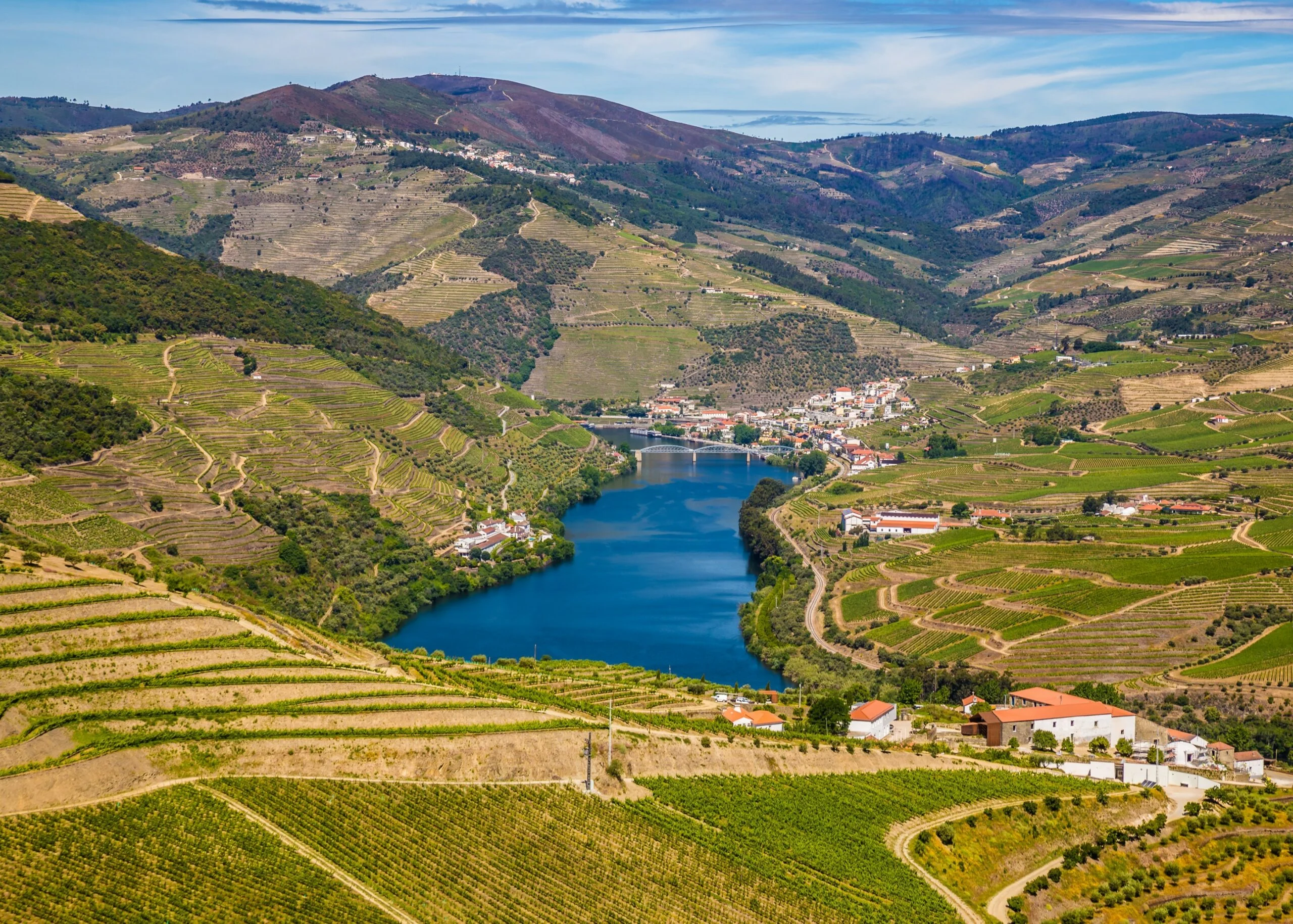
For a change of scene, consider the Douro Valley’s terraced vineyards or the Algarve’s coast. However, these are extra journeys rather than effortless additions. If time is short, enjoy your chosen cities first. You can leave something for the next visit without failing Portugal.
Give the route room to breathe
What I'd do
Days 1–3: Lisbon deep dive (Alfama, Belém, viewpoints, Tram 28, Time Out Market).
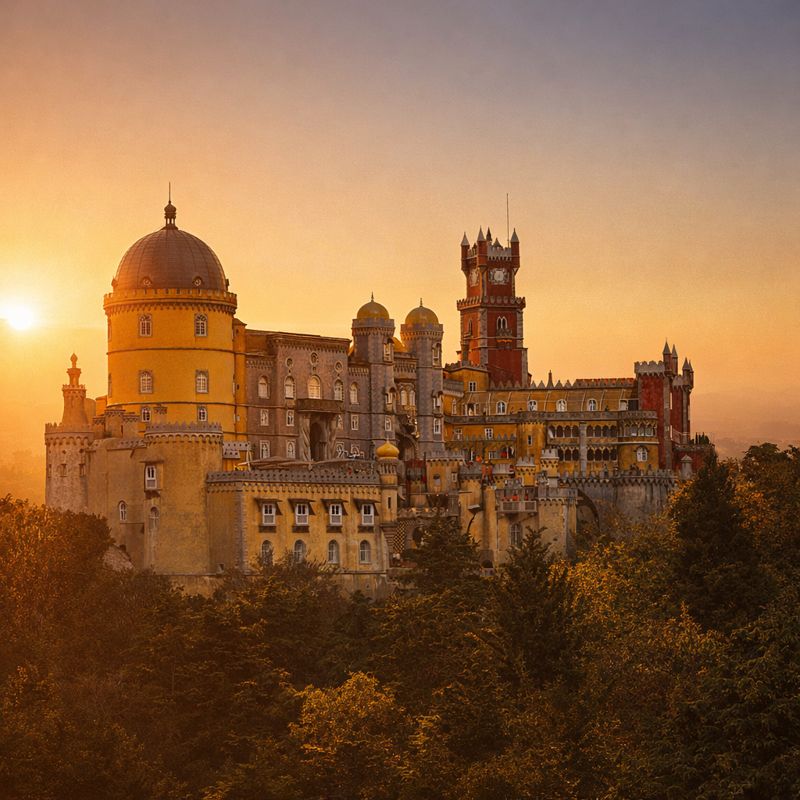
Day 4: Sintra day trip (Pena Palace, Quinta da Regaleira, train from Lisbon).
Day 5: Train to Porto (3h), afternoon riverside walk.
Days 6–7: Porto (wine cellars, São Bento, Ribeira, Livraria Lello).
Day 8: Douro Valley day trip or return to Lisbon.
Days 9–10: Optional Algarve add-on (fly Lisbon-Faro, beach time).
Sintra's Pena Palace looks fake but it's real — a 19th-century Romantic fantasy 40 minutes from Lisbon.
Vibe Check: What Kind of Portugal Are You Actually Here For?
Portugal has distinct personalities depending on where you go. Decide your primary mood first, then build around it.
The City Portugal (Lisbon, Porto, culture, food, architecture)
If you want viewpoints, tilework, museums and food markets, start with Lisbon or Porto. Then give each neighborhood time beyond its best-known sight. Before choosing your dates, compare the weather and likely crowds for the particular experiences you have in mind.
Plan like: Lisbon base + walking tours + food markets + museum days + Porto train trip.
The Beach Portugal (Algarve, Lagos, coastal cliffs, surf towns)
For coastal days, compare Algarve towns such as Lagos and Tavira with places nearer Lisbon, including Cascais. However, choose the beach and surroundings that suit your plans. A surf outing, a quiet walk and a swimming holiday ask different things of the same coast.
Plan like: Fly Lisbon-Faro + base in Lagos or Albufeira + beach days + boat tours + sunset cliffs.
The Wine Portugal (Douro Valley, port cellars, vineyard estates, tastings)
For wine country, start by comparing Porto’s lodges with a visit to the Douro Valley. Alternatively, look at the Alentejo if it fits your route. Before booking tastings, decide how you will travel between them. A lovely lunch becomes less relaxing when someone still has to drive.
Plan like: Porto base + Douro Valley day trip or overnight + wine lodge visits + train through vineyards.
Portugal in Four Seasons: Same Country, Completely Different Experience
Portugal's seasons aren't subtle — each one changes the vibe, costs, and what you can actually do. Choose wisely.
🌸 Spring (March–May): The Sweet Spot
Weather: 15–22°C (59–72°F), mild and pleasant. Occasional rain (March), warm by May. Wildflowers bloom.
Crowds: Moderate in April-May. Easter week gets busy. Still manageable compared to summer.
Prices: Shoulder season — 20–30% cheaper than summer. Excellent value.
Pros: Perfect weather for walking, blooming landscapes, fewer tourists, Easter festivals, great food season, comfortable temperatures.
Cons: March can be rainy, beach weather iffy until May, some seasonal restaurants still closed.
Best for: First-timers, city explorers, wine lovers, photographers, anyone wanting Portugal without peak season chaos.
☀️ Summer (June–August): Peak Everything
Weather: 25–35°C (77–95°F), hot and dry. Lisbon hits 35°C+ in July-August. Algarve perfect for beaches. Long daylight hours.
Crowds: Very high. Lisbon, Porto, Sintra, Algarve packed. August is when Portuguese vacation (entire country crowds beaches).
Prices: Peak season — highest accommodation rates, book 3+ months ahead. Flights most expensive.
Pros: Best beach weather, festivals (Lisbon's Santos Populares in June, Porto's São João), long days, outdoor terraces, guaranteed sun.
Cons: Extreme heat in cities (35°C+), crowded attractions, expensive, need to book everything in advance, less authentic local experience.
Best for: Beach lovers, festival-goers, families (school holidays), people who want guaranteed sunshine regardless of crowds.
🍂 Autumn (September–November): The Insider's Choice
Weather: 20–25°C (Sep) to 12–18°C (Nov). Still warm enough for beaches in September. Rain increases November.
Crowds: Low after mid-September. Locals reclaim cities. Much more relaxed vibe.
Prices: Shoulder season drops — excellent deals on accommodation. September still slightly higher, October-November very affordable.
Pros: Great weather (especially September), wine harvest season in Douro Valley, fewer crowds, lower prices, ocean still warm in September, autumn colors.
Cons: November gets rainy, days shorten, some beach restaurants close, Atlantic gets cold for swimming by October.
Best for: Wine enthusiasts (harvest time), budget travelers, photographers, anyone who wants summer weather without summer crowds.
❄️ Winter (December–February): The Mild Escape
Weather: 10–15°C (50–59°F) in Lisbon/Porto, milder in Algarve (12–17°C). Rain common but no snow in coastal areas. Still warmer than rest of Europe.
Crowds: Very low except Christmas/New Year. Quietest season — you'll have Lisbon almost to yourself.
Prices: Lowest of the year — deep accommodation discounts, cheap flights (except holidays). January especially affordable.
Pros: Mild compared to northern Europe, Christmas markets in Lisbon/Porto, authentic local experience, ultra-low prices, no queues at attractions, cozy café culture.
Cons: Rain frequent (especially December-January), beaches not swimmable, some Algarve businesses closed, shorter daylight, occasional chilly evenings.
Best for: Budget travelers, digital nomads, people escaping harsh northern winters, culture seekers who prioritize cities over beaches.
Keep in Mind
Choose the season for the places you intend to visit, rather than relying on a sunshine claim for the whole country. Pack for the forecast, and check local conditions before coastal or outdoor plans. Spring, summer and winter can produce very different trips.
Street Smarts: Small Portugal Rules That Save Big Stress
Safety and getting around
Look after valuables. On busy transport, keep bags closed and valuables within reach. Also, avoid leaving a phone unattended on a table.
Save useful contacts. Before departure, keep emergency and accommodation details available offline.
Check the walking route. Lisbon’s hills can add effort, so compare the actual approach to your hotel before booking.
Plan city transfers. First, check the current timetable with CP. Then allow time to reach the station and settle in.
Choose local tickets carefully. Before paying, compare the transport you will use with the available ticket options.
Food, language and everyday courtesy
Try a greeting. Start with olá or por favor, then ask for help if you need it.
Leave room for lunch. For example, compare the day’s menu with other choices rather than assuming a special is always cheaper.
Check the bill. Before adding anything extra, see what is included and ask if something is unclear.
Choose your surroundings. If an approach or situation makes you uncomfortable, move on rather than feeling obliged to engage.
Reality Check
On crowded transport, keep bags closed and valuables within reach. Also, put the phone away when you are not using it. Before choosing somewhere to eat, check the menu for your preferences or dietary needs. A little preparation leaves more room to enjoy the day.
The Douro Valley produces world-class port wine — terraced vineyards, river cruises, and tastings at historic estates.
Logistics Lite
First, handle the practical basics: entry requirements, money, transport and connectivity. Then you can give the interesting decisions your attention.
Entry rules & the Schengen reality
Portugal is part of the Schengen Area and EU.
For most visitors from visa-exempt countries (US, UK, Canada, Australia, etc.), you can stay up to 90 days within any 180-day period across the entire Schengen zone without a visa.
Always confirm your personal situation based on nationality.
For border procedures and any travel authorisation applying on your dates, check the official EU EES and ETIAS website. Then verify the requirements for your passport before departure.
Portugal uses the euro (€). Before departure, check your card’s overseas fees and bring a backup payment method. Also, compare current menus and accommodation quotes for your dates. A useful budget reflects the places you are actually booking, rather than somebody else’s inexpensive holiday.
Portugal uses Type C and F plugs, with 230V / 50Hz electricity. Before packing an adapter, check your devices’ voltage labels too. Then confirm that you have the cables and charging arrangements you need.
General emergency: 112
Tourism Police Lisbon: Praça dos Restauradores, +351 213 421 623
Tourism Police Porto: Rua Clube dos Fenianos, +351 222 081 833
Getting around: Trains + metro + occasional car rental
First, compare trains for the city-to-city journeys you want to make, using CP, the Portuguese rail operator. Then check local transport at each base. For countryside stays or less-connected beaches, compare a short car rental with a suitable tour rather than keeping a car throughout a city visit.
Before buying a SIM or eSIM, compare coverage, data allowances and your phone’s compatibility. Also, check your existing provider’s roaming terms. Download useful maps and booking details in advance so that arriving without a signal remains an inconvenience rather than a small administrative crisis.
Base Plans: 3 Simple Ways To Build a Portugal Trip That Works
First, choose a manageable route. Then decide how deeply you want to explore each base, rather than counting how many places fit on the map.
Plan A: Lisbon + Porto loop (7–10 days)
Why: Best balance of depth and coverage. See Portugal's two greatest cities plus day trips without constant packing/unpacking.
Do: Lisbon (3–4 nights), Sintra day trip, Porto (2–3 nights), optional Douro Valley day trip, return to Lisbon or fly home from Porto.
Rule: This is the sweet spot for first-timers. Covers Portugal's greatest hits, uses excellent train connections, fits in one week.
Who it's for
First-timers, culture lovers, anyone doing a multi-country Europe trip (Spain + Portugal combo works great).
Plan B: Grand Portugal loop (12–16 days)
Why: You see the full country — cities, wine country, beaches, medieval towns. The complete Portugal experience.
Rule: Mix trains (Lisbon-Porto-Coimbra) with strategic car rental (Douro Valley) or flights (Lisbon-Faro for Algarve).
The win
You experience Portugal deeply — cities, wine, beaches, history. Best for people with time and desire to see it all.
Plan C: Quick Lisbon hit (4–6 days)
Why: You're short on time or Portugal is one stop on a bigger trip (Madrid → Lisbon → Paris).
Do: Lisbon (3 days), Sintra day trip (1 day), optional Cascais/Óbidos day trip (1 day). Skip Porto and Algarve.
Rule: Accept you're seeing Lisbon + surroundings only. But that's still better than skipping Portugal entirely.
Why it works
Lisbon + Sintra capture Portugal's essence in under a week. Low cost, high impact, easy to add to multi-country itinerary.
Costs & Pace: What Actually Moves the Needle in Portugal
Before setting a daily budget, compare accommodation, transport and meals for your dates. Then allow for the activities you actually want to do.
Start with accommodation, because your preferred location and room can shape the whole budget. Then add transport, food and the experiences you would be disappointed to miss. However, leave something unallocated. The best part of an afternoon occasionally arrives without a booking confirmation.
For everyday savings, compare lunch menus and pick up simple breakfasts or snacks when that suits your plans. Also, check what your room rate includes before calling it a bargain. Finally, compare the complete trip cost across dates; a cheaper room is less helpful if getting there costs considerably more.
Prices are illustrative (EUR / €) to show the relationship between pace and spend — not a quote. USD conversions ~$1 = €0.92 (Feb 2026).
Un-Googleable Portugal: Tiny Choices That Change the Whole Trip
For a more personal trip, try a few small choices that leave room for curiosity. However, treat promises of empty attractions and secret local prices with healthy skepticism.
Skip Tram 28, ride Tram 12 instead
If you want a tram ride, check the route and current service before setting out. However, another tram is not automatically empty or a substitute for the same journey. Choose transport that fits your plans, then keep valuables secure when it gets crowded.
Eat pastel de nata warm, not cold
Before ordering a pastel de nata, ask whether a fresh batch has just come out. Then pause long enough to enjoy it warm. There is no need to turn a custard tart into a competitive sport; a pleasant café and a little time are an excellent beginning.
Go to Livraria Lello at 9am sharp
Before visiting Livraria Lello, check its official booking arrangements and choose a suitable time. However, do not build the morning around a promise that you will have it to yourself. If the visit matters to you, give it enough time without sacrificing the rest of Porto.
Try ginjinha from a hole-in-the-wall bar
For a ginjinha stop, look at the menu and choose somewhere you want to linger. Then ask how it is served rather than assuming every version comes in a chocolate cup. A little curiosity is more useful than chasing a supposedly secret bar.
Learn to say "obrigado" correctly
First, learn a few Portuguese words: olá, por favor and obrigado or obrigada. Then try them, even if the conversation moves into English. However, do not let imperfect pronunciation stop you being friendly.
Never confuse Portugal with Spain
Portugal has its own language, history and culture. Therefore, begin with Portuguese greetings rather than assuming Spanish is the local language. If you need help, ask which language works for the conversation. Courtesy travels rather better than assumptions.
Gap Analysis: Is Portugal Right for Your Kind of Trip?
Portugal is wonderful — but it's not for everyone. Here's the honest part (with fixes, not judgment).
You'll love it if…
Historic streets and local food appeal as much as headline attractions.
For a varied trip, mixing a city stay with coastal or vineyard days sounds inviting.
Rather than moving constantly, a few well-chosen bases suit your pace.
Also, leaving room for an unexpected café or viewpoint feels like part of the plan.
Plan around it if…
Beach weather: Before choosing dates, compare conditions for the specific coast and keep an alternative for wet or windy days.
Dietary needs: Check menus in advance, then confirm ingredients when ordering.
Access: Before booking, check hills, surfaces, lifts and the actual route to your accommodation.
Daily rhythm: If packed sightseeing is your preference, leave buffers between bookings so delays do not consume the day.
Bottom Line
If Portugal’s cities, food and landscapes appeal to you, choose the version of the trip that fits your interests. However, be realistic about hills, transfers and busy seasons. Then leave some space for the pleasures that made you want to come in the first place.
Explore Portugal with Rob
For a closer look, choose one of these guides and stories before building the rest of your trip.
Quick answers to the stuff people actually worry about.
How many days do I need in Portugal?
+
For a first visit, allow about a week for a focused Lisbon-and-Porto route, including a carefully chosen day trip. However, fewer days can work if you concentrate on one base. With longer, add another region rather than simply filling every day with more sights.
Is Portugal expensive?
+
Costs depend on your dates, accommodation and route. Therefore, compare actual quotes before deciding whether Portugal fits your budget. Then allow separately for transport, meals and ticketed activities. A relaxed itinerary can also help you avoid paying repeatedly to move on.
Do people speak English in Portugal?
+
You can often use English in popular visitor areas. However, do not assume every person you meet speaks it. Start politely, try a Portuguese greeting and ask. Also, keep useful addresses and translations available offline.
When is the best time to visit Portugal?
+
First, choose what you want to do. Then compare the season for that region: a city break, beach stay and vineyard visit have different needs. Before booking outdoor plans, check likely conditions and opening arrangements. However, no month comes with guaranteed sunshine or an empty attraction.
Is Portugal safe for tourists?
+
Use sensible precautions, particularly in crowded visitor areas and on transport. For example, keep bags closed and avoid leaving valuables unattended on café tables. Also, save useful contact details before departure. If you need emergency assistance in Portugal, call 112.
Do I need a car in Portugal?
+
For Lisbon and Porto, start by comparing public transport with the walks you intend to make. However, check hills and access needs before calling a neighborhood walkable. For more remote stops, compare a short car rental with tours or other transport. Then choose the option that improves the actual journey.
Can I visit Portugal and Spain in one trip?
+
Yes, but first choose the specific cities and check the connections between them. Then count the transfer time honestly, including the journey to and from stations or airports. If the route leaves too little time to enjoy either country, shorten it. Portugal and Spain will both survive an unfinished checklist.
What should I eat in Portugal?
+
For a sweet beginning, try a pastel de nata. Then explore dishes such as bacalhau, grilled sardines or Porto’s francesinha according to your appetite.
Also, check ingredients and preparation if you have dietary needs. Before choosing wine, port or ginjinha, ask what suits the meal. You do not have to sample the entire country by dinner.
Join the conversation
Are you visiting Portugal for Lisbon's tiles and hills, Porto's wine culture, Sintra's fairytale palaces, Douro Valley vineyards, or Algarve beaches?
Share your rough itinerary and what you're most excited (or nervous) about — and if you've got practical tips (especially money-saving hacks or food recommendations),
help the next traveler discover Portugal smarter.

Join the conversation
Are you visiting Portugal for Lisbon's tiles and hills, Porto's wine culture, Sintra's fairytale palaces, Douro Valley vineyards, or Algarve beaches? Share your rough itinerary and what you're most excited (or nervous) about — and if you've got practical tips (especially money-saving hacks or food recommendations), help the next traveler discover Portugal smarter.