Free Spirit Travel
Free Spirit Travel
Around The World With Rob
Free Spirit Travel

TRAVEL FIELD NOTES · PORTUGAL

Lisbon: The City That Got Knocked Flat and Opened the Pastry Shop Anyway

Seven hills, very little mercy, and a remarkably persuasive supply of custard tarts. Here’s how I’d enjoy Lisbon.

By Rob Wheatley · Program Director & traveler
Updated in 2026

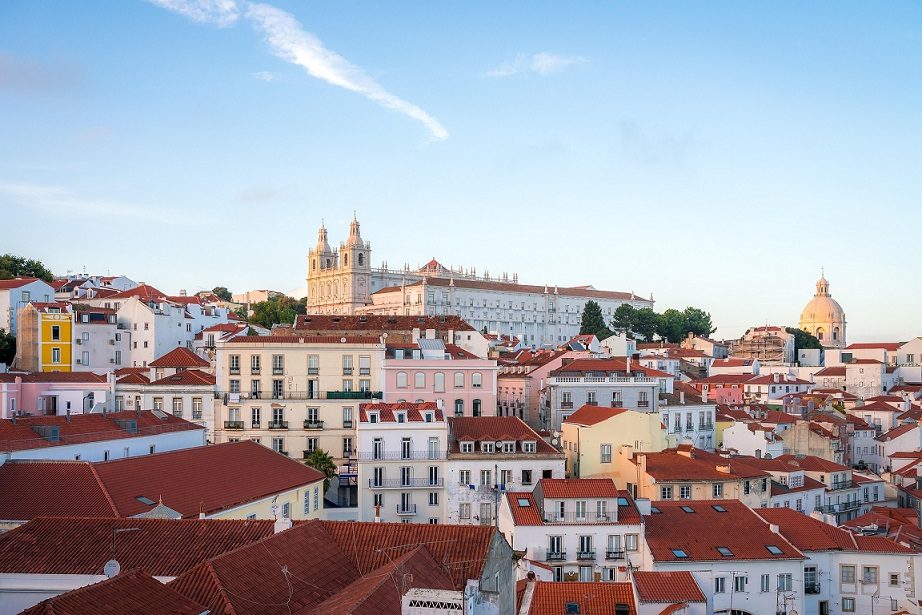
Terracotta rooftops and churches across Lisbon’s hills

Lisbon’s rooftops: the reward for agreeing to one more hill.

Lisbon at a glance: Pair Baixa with one hillside neighbourhood, give Belém its own outing and leave room for food and viewpoints. Check Tram 28’s current service, book Sintra separately and wear shoes that can cope with slopes and smooth paving. Viking guests begin River of Gold with a Lisbon hotel stay, before travelling overland to Porto.

The morning Lisbon changed

On the morning of 1 November 1755, many Lisbon residents were at church. It was All Saints’ Day, the candles were lit, and the pews were packed. Then the ground began to move.

The earthquake, tsunami and fires devastated much of the city. Lisbon rebuilt, laid out a neat new grid downtown, and carried on. Walk around today and you’ll feel it: this is a city with a shrug in its step, a place that has seen the worst and decided to have another coffee.

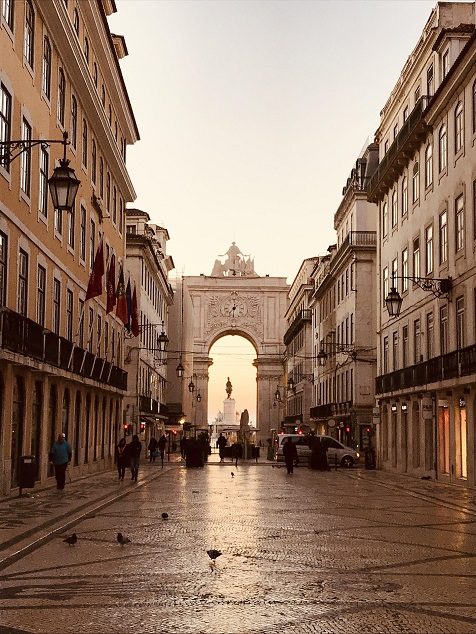
You can read that reconstruction in Baixa’s straight streets. It is quite a contrast with the hillside lanes, which seem to have been designed by somebody who disliked straight lines on principle.

Rua Augusta leading towards its triumphal arch in Lisbon
Rua Augusta’s arch frames the way towards Praça do Comércio and the Tagus.

The lesson I learned from hiring a car

One of my greatest regrets in Lisbon was having a hire car. I thought I had purchased freedom. Instead, I had acquired a responsibility with parking requirements.

Narrow streets, unfamiliar one-way systems and finding somewhere to leave the thing distracted from what I actually wanted to do. For my kind of central city visit, walking and public transport make a more sensible starting point.

That is advice, not a rule for every traveller: access needs, accommodation location and onward plans can change the calculation. If you need a car for the rest of Portugal, consider collecting it when you leave Lisbon rather than paying for it to sit somewhere while you explore.

Seven hills, zero mercy

Lisbon is famously the city of seven hills, and nobody warns you about the climbing nearly enough. Your phone will say “15-minute walk.” Your calves will say otherwise. The reward is a miradouro, a viewpoint, with terracotta rooftops spilling down towards the Tagus.

Plan your day around the viewpoints and the benches. I like the colour, street life and layers of the city, but you do not have to walk every gradient to experience it properly. Group the higher streets together, then work down. Taking transport back up is a travel decision, not a character flaw.

The official Lisbon overview helps place the districts and waterfront in context. If you have one day, choose a coherent area and enjoy it. The rest of Lisbon will survive the disappointment of not meeting you immediately.

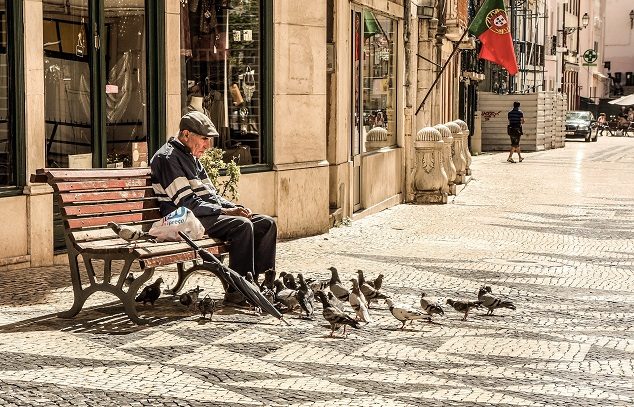
A man seated on a Lisbon street bench beside pigeons
Leave a little room for Lisbon at sitting-down speed.

I’d start with Baixa for a short first visit, then compare Chiado, Alfama and Príncipe Real. Check the uphill walk from the station before you fall for the room photos.

Where should I stay in Lisbon?

Pick up to two priorities and compare three neighborhoods before you book.

Find my Lisbon neighborhood

Read the Lisbon neighborhood guide

Walking & access

Alfama’s cobbled lanes and steep slopes make the exact hotel address matter. If hills are a concern, compare it with a base in lower Baixa. Check Lisbon Metro’s lift status before setting out and map the walk from the station exit to the hotel. See the hotel access notes.
Hop on the 28—and keep your pockets to yourself

Tram 28 is the famous one: a vintage yellow tram rattling through historic streets, sometimes so close to the buildings that you feel you could collect the laundry on the way past. The ride can be magical. It can also be crowded, so try an early ride and keep your bag secure in front of you.

It is working public transport, rather than a private viewing platform. Check Carris’ current route and service notices, and don’t sacrifice half your day to a queue if another journey would suit you better. A good photograph is a poor exchange for discovering that your wallet has continued the trip without you.

Alfama is one of Lisbon’s oldest neighbourhoods. Much of its old street pattern survived the disaster, but it was not untouched by the earthquake. Its lanes are a glorious tangle, and I say get lost on purpose—within reason. In the evening, seek out fado, that soulful music often associated with saudade: a longing that refuses to fit neatly into one English word.

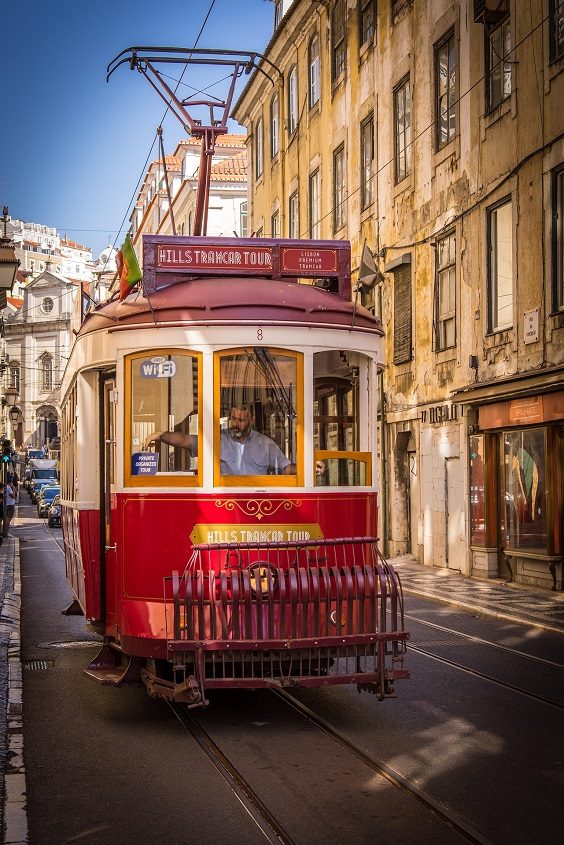
A red Hills Tramcar Tour tram in a narrow Lisbon street
A red Hills Tramcar Tour service. This is a sightseeing tram, distinct from the yellow public Tram 28.

Where Lisbon pretends to be San Francisco

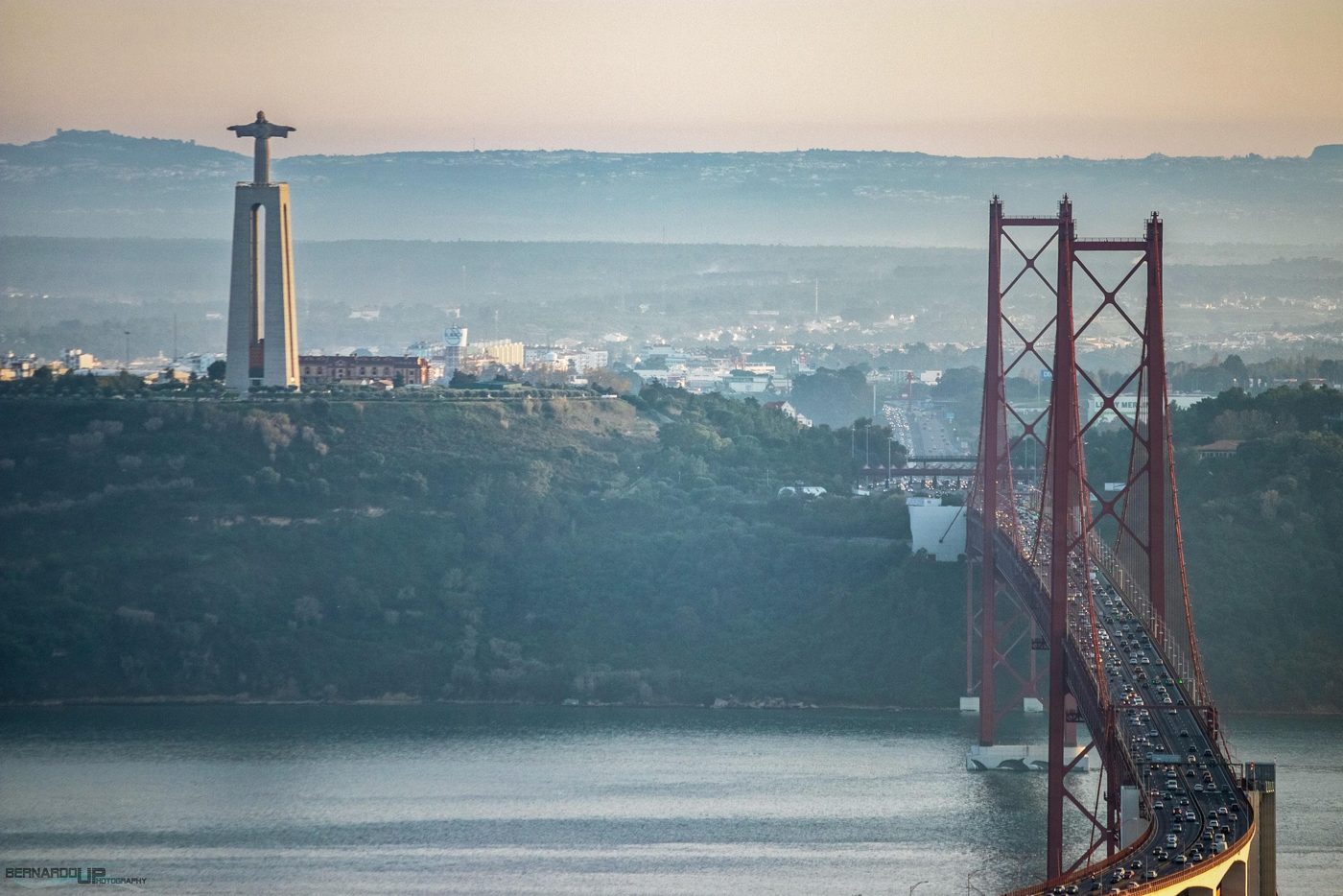
25 de Abril Bridge crossing the Tagus with the Cristo Rei monument beyond
25 de Abril Bridge, with Cristo Rei beyond. Photo: Bernardo Photography (credit shown on image).

Look at the big red suspension bridge across the Tagus and tell me you don’t feel a twinge of déjà vu. The 25 de Abril Bridge has that familiar San Francisco look. It opened in 1966 as the Salazar Bridge, named for the dictator.

After the Carnation Revolution of 25 April 1974, it was renamed for that date. The carnations placed in soldiers’ gun barrels became the lasting image of the revolution that ended the dictatorship. That’s quite a story to carry across a river.
A lift built for tired legs

The Santa Justa Lift is a neo-Gothic iron tower, opened in 1902, linking the lower town with Largo do Carmo. It was designed by Raoul Mesnier du Ponsard. The ironwork has plenty of flair without needing an uncertain Eiffel connection added to its biography.

If the queue is long, I’d rather admire it and take the streets up towards Carmo, provided the climb suits me. Check current operation with Carris before relying on it as your route uphill.

For a different kind of lift, seek out a little counter serving ginjinha, the sour-cherry liqueur. Order “com elas” if you want the cherries in. A small glass, standing at the counter, is a very Lisbon sort of pause.

What to eat and drink

Pastéis de nata: the custard tarts you’ll chase across the city.

Bacalhau: salted cod, cooked in more ways than there are days of the year—or so the saying goes.

Grilled sardines: the smell of summer in Lisbon, especially during the June festivities.

Vinho Verde: try a fresh white with seafood on a warm afternoon. Some styles have a light spritz, but not all; the name refers to the wine region, not a guarantee of fizz.

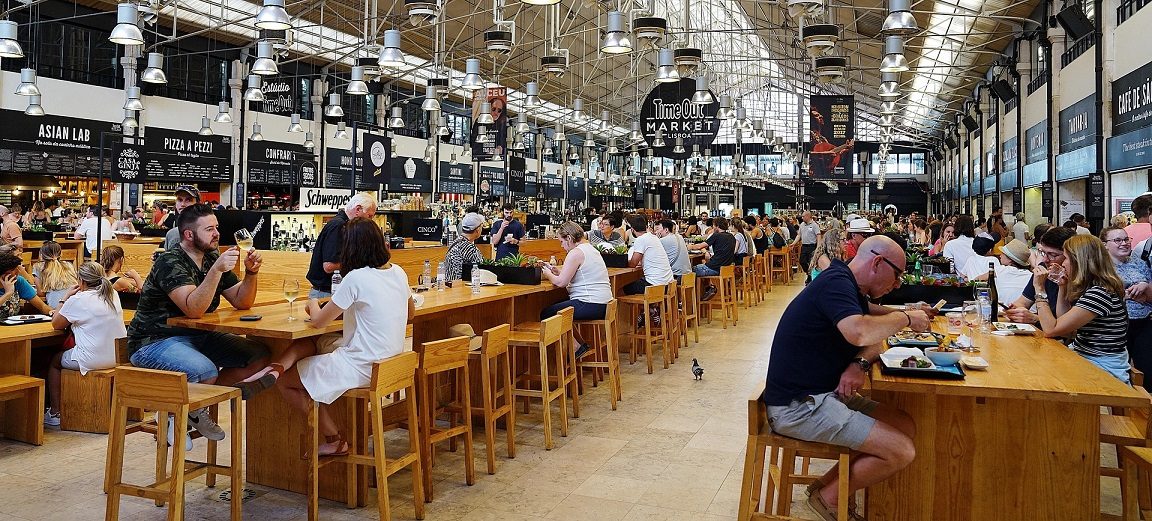
For several food choices under one roof, the Time Out Market at Mercado da Ribeira is an easy option. Expect a busy food hall rather than a quiet neighbourhood secret. I’d use it when everyone wants something different and nobody wants another committee meeting about lunch.

Diners at communal tables inside Lisbon’s Time Out Market
Time Out Market at Mercado da Ribeira: plenty of choice, and plenty of company.

Belém: towers, monasteries and the tart

Take public transport out to Belém, where Portugal’s seafaring past is written in stone. Belém Tower guarded the river approach. Nearby in the district, the Jerónimos Monastery is a wonder of ornate Manueline architecture, with maritime carving that rewards a proper look rather than a hurried photograph.

Now the serious business. Pastéis de Belém has been making its custard tarts since 1837, using the recipe the bakery keeps secret. They come warm, with cinnamon and powdered sugar available to sprinkle on top. Order half a dozen. Just trust me. You may wish to bring someone to help; you may not.

Give Belém its own outing. Check the monuments’ current opening and admission arrangements before booking—restoration work can change access. Leave time for the waterfront and the bakery rather than attempting to eat a pastry while sprinting to your next appointment.

When to go—and what not to assume

My preference for a sightseeing trip would be to investigate spring or autumn dates, then compare the actual fares, room prices and weather expectations. These are choices to price, not guarantees of a quieter or cheaper city.

November can bring enjoyable days, but the St Martin’s summer tradition is not a forecast. Summer can be hot, while winter visits need a rain plan. Use Portugal’s IPMA weather service for current conditions close to departure.

Lisbon does not simply close in August. Individual businesses may take holidays, while many visitor services operate. Check the particular restaurants and venues you care about instead of ruling out an entire month on that basis.

Cascais, Sintra and the temptation to do everything

For a coastal contrast, read the Cascais guide. The rail connection from Cais do Sodré is a useful starting point; confirm the current service with CP before travelling.

Take a separate day for Sintra, a hill town of palaces and wooded slopes that can look wonderfully atmospheric in mist. The colourful Pena Palace looks as though it was designed by a child with a very big crayon box.

Book through Parques de Sintra and plan the journey carefully. The palace interior uses a timed entry; reaching the park gate is not the same as reaching the palace entrance. Allow time for the climb or booked transfer within the park, and don’t assume you can drive to the door.

My advice is to choose one main day-trip ambition at a time. A central Lisbon stay, a coastal walk and a palace visit are all excellent ideas. They need not be squeezed into the same afternoon. Continue with practical Portugal travel tips for the countrywide preparation.

For Viking guests: Lisbon before the Douro

Viking’s Portugal’s River of Gold starts with a Lisbon hotel stay. You then travel overland to Porto to join the ship; you do not cruise from Lisbon to Porto.

Use the included programme as your starting point, then choose independent plans around the time available. Arrival day can mean waiting for your room, so keep essentials with you and ask about luggage storage. If you want Sintra as well as Lisbon and Belém, I’d consider extra nights.

My River of Gold itinerary guide → · All Viking itineraries →

Keep exploring Portugal

My verdict

Lisbon is faded, slightly crumbling, wildly photogenic and completely at ease with itself. It’s a city that has been shaken to the ground and still greets you with a smile and a pastry. Fall for it a little more with every hill.

What was your best Lisbon discovery—and did you manage to leave room in the day for doing very little?

About Rob: Rob Wheatley is a Viking Program Director, former ocean Cruise Director and extensively travelled explorer. Visitor information reviewed November 2026.

Questions before you go

For a central sightseeing stay, I would usually avoid one. Access needs, your hotel and onward plans may change that choice.

It is a public transport service. Check Carris for the current route, fares and service changes.

You can enjoy a selected area in a day. It is better to choose a few priorities than promise yourself the whole city.

No. Some individual businesses may take holidays; check the places you want to visit.

It is possible to organise a busy combined outing, but my recommendation is to choose one main destination if you want time to explore.

Your turn — what did I miss?

Good places become even better when travellers compare notes.