TRAVEL FIELD NOTES · PORTUGAL
Porto Travel Tips: Hills, Food and Port Wine
Porto has views that stop you in your tracks and hills that do much the same. Leave room for both—and arrive hungry.
By Rob Wheatley – Program Director & traveler
Updated 18 October 2026
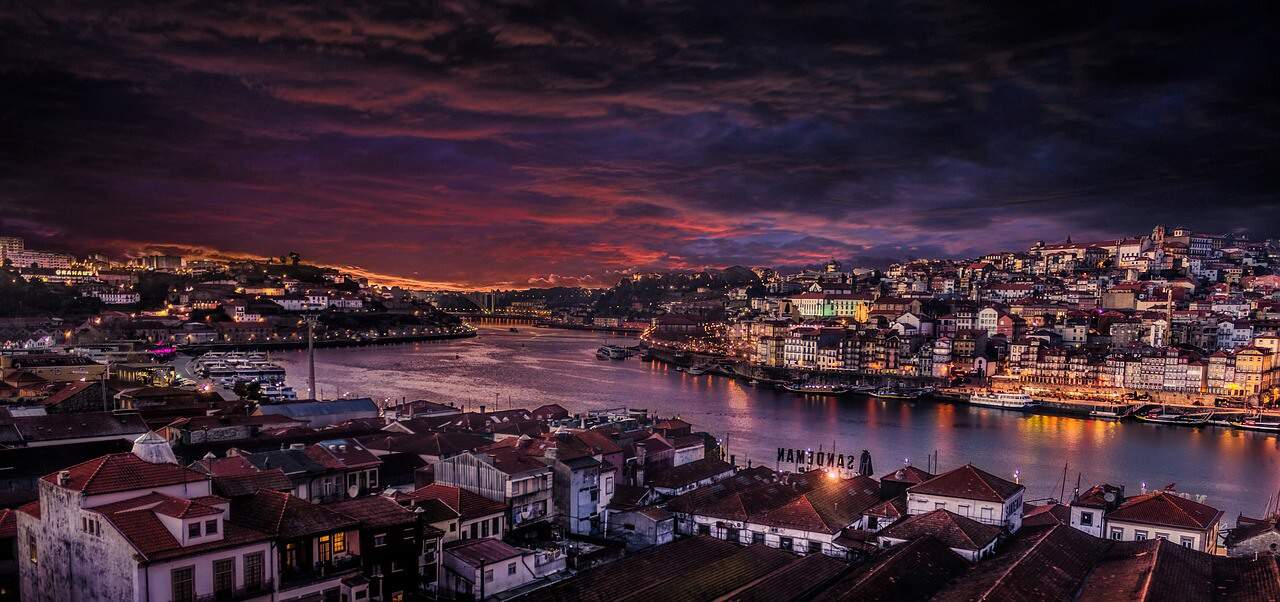
Porto and the Douro · A city best enjoyed with time to look around.
The short version: These Porto travel tips focus on a manageable city visit: explore the historic centre, cross to Gaia for port wine, and make time for local food. Group your sightseeing around the hills, check transport and opening details, and treat the coast or Douro Valley as an extra outing rather than another hurried tick.
Start with the river, then climb selectively
Begin around Ribeira, where the river gives the city a shape you can understand before the lanes start arguing with your sense of direction. Look across to Vila Nova de Gaia, rather than assuming that everything on the opposite bank is another Porto neighbourhood.
Crossing the Luís I Bridge gives you a different perspective on both riverfronts. The upper deck also carries Metro services, so stay in the pedestrian areas. Visit Portugal’s port-lodge guide explains the relationship between the bridge, Gaia and the wine lodges.
My practical advice is to group sights by level. Explore the higher streets together, then work down towards the river. A route that repeatedly climbs back up the hill is excellent if your real holiday ambition is cardiovascular improvement. Choose transport, breaks and accommodation access around your own needs.
Give the old city more than a photograph
Porto rewards looking up: granite facades, tiled buildings, churches and the changing views between streets. Around Aliados, pause for the monumental streetscape; closer to the river, let the smaller lanes change the pace.
Pick a few interiors that interest you rather than collecting queues. São Francisco, the cathedral area and the streets around the centre offer different versions of the city. Check access, tickets and opening arrangements with the venue before making a paid visit.
The official Porto overview is a useful starting point for deciding what deserves your time. Historic streets can involve steep gradients, uneven paving and steps. A location described as central does not necessarily mean an easy walk home.
Francesinha: bring an appetite, perhaps a witness
A francesinha is not a delicate sandwich trying to avoid attention. The classic version combines bread, meats, melted cheese and a substantial sauce; recipes and toppings vary. An egg is an option in some versions, not a compulsory definition of the dish.
I would still put it on the list for a first visit. Messy? Potentially. A light lunch? Only if you define light by the absence of a second sandwich. Ask what is in the sauce if dietary requirements matter.
Beyond it, look for bolinhos de bacalhau and other regional dishes, and compare menus rather than assuming every restaurant serves the same recipe. Tripas à moda do Porto is associated with the city’s tripe-eating nickname. The Ceuta provisioning story is a traditional explanation of that nickname, rather than something this guide treats as settled proof about every resident.
Port wine: start in Gaia, explore the Douro separately
For a city-based introduction, book a visit to a port lodge in Gaia. For vineyards and a wider landscape, investigate a separate Douro Valley outing. The cellar visit and the vineyard trip are related experiences, but they are not the same place or the same use of your day.
Ask about the styles you are tasting instead of simply asking for “the best port”. Ruby, tawny and vintage categories have different characteristics. The Port and Douro Wines Institute provides guidance on serving and storage.
In particular, do not buy a bottle on the assumption that all port improves indefinitely or lasts for centuries. Category, age, storage and whether the bottle has been opened all matter. Arrange transport sensibly if tasting, and leave room to enjoy the visit without rushing to the next appointment.
Explore the Douro with Viking
If the landscape interests you as much as what ends up in the glass, a longer Douro cruise gives it room to unfold. Viking’s Portugal’s River of Gold is a 10-day cruisetour combining Lisbon with a Douro sailing roundtrip from Porto.
How the journey works: it begins with a hotel stay in Lisbon, followed by an overland transfer to Porto to join the ship. You do not sail from Lisbon to Porto. Along the Douro, the published itinerary includes Régua, Pinhão and Barca d’Alva, with a land excursion to Salamanca in Spain.
Think terraced vineyards, wine estates and time to watch the valley change around you. For a short Porto break, a lodge visit or day trip may be enough; for a broader journey, the cruise deserves a look. Check your departure’s itinerary, excursions, inclusions and any pre- or post-cruise extensions before booking.
Planning the city stay? See my Lisbon travel tips, or explore the Viking Cruises hub for more background.
Add a coastal day only if you have the time
Miramar, Espinho and Vila do Conde are separate places outside central Porto. They are possible coastal outings, not interchangeable city beaches. Decide which place interests you, then check the current journey and the final walk from the stop to the coast.
For rail options, use CP’s journey planner; use the relevant local operator for other connections. Do not rely on a sightseeing-bus shuttle or an old driving-distance estimate without checking that it suits your date and destination.
If your visit is short, there is no failure in staying with Porto and Gaia. And on the Atlantic coast, attractive sand is not a swimming guarantee: follow local signs, flags and lifeguard instructions.
A relaxed Porto plan
My suggested first day: higher central streets and one chosen interior, lunch, then Ribeira and the river views. Keep the evening flexible for dinner and a walk that does not require another heroic climb.
A second day: Gaia, a booked lodge visit and time to explore. With another day available, choose either the Douro Valley or the coast. This is a suggested pace, not a claim that two days cover everything.
Price accommodation for your actual dates, check the approach to the property, and keep a weather alternative. For the broader trip, read Portugal travel tips and the places to visit in Portugal guide.
Questions before you go
How many days should I spend in Porto?
Two city days make a useful starting plan for Porto and Gaia. Add time if you want the Douro Valley, the coast or a slower pace.
Are the port wine lodges in Porto?
Many of the well-known lodges are across the Douro in Vila Nova de Gaia. Check the actual address when booking.
Is Porto easy to walk around?
The historic areas include hills, steps and uneven paving. Group your route, use breaks and check specific access needs.
Is francesinha always topped with an egg?
No. Recipes and toppings vary; ask the restaurant about its version and ingredients.
Can I include a beach without leaving Porto?
The coastal places discussed here—Miramar, Espinho and Vila do Conde—are outside central Porto and require their own transport plan.
Keep exploring Portugal
Lisbon: hills, trams and neighbourhoods
Cascais: a coastal day or stay
Choose your Portugal destinations
Practical Portugal travel tips
What would you add?
Which would win your extra day: a wine lodge, the Douro Valley or the Atlantic coast? Tell me what you enjoyed—or what you wish you had allowed more time for.
About Rob: Rob Wheatley is a Viking Program Director, former ocean Cruise Director and extensively travelled explorer. His Portugal observations are combined here with current official visitor and transport information. Practical details checked 18 October 2026.