Portugal · Four shorter destination reviews
Beyond the River: Coimbra, Mateus, Favaios & Lamego
A library with bats on the night shift, a palace you recognise from a wine bottle, bread worth making a detour for and a staircase my knees have opinions about.
These four stops add another side to the Lisbon–Douro journey. Here’s what I’d look for, how I’d pace each visit and where it fits on Viking’s River of Gold.
By Rob Wheatley · Viking Program Director · Updated in 2026
Four stops, four different outings
Coimbra breaks the overland journey between Lisbon and Porto. Mateus, Favaios and Lamego are visits reached from the Douro region. These are short destination reviews, not a suggestion to squeeze all four into one day.
Coimbra: The Library Guarded by Bats
Most people are tempted to drive straight past Coimbra on the Lisbon–Porto run. I’m asking you not to.
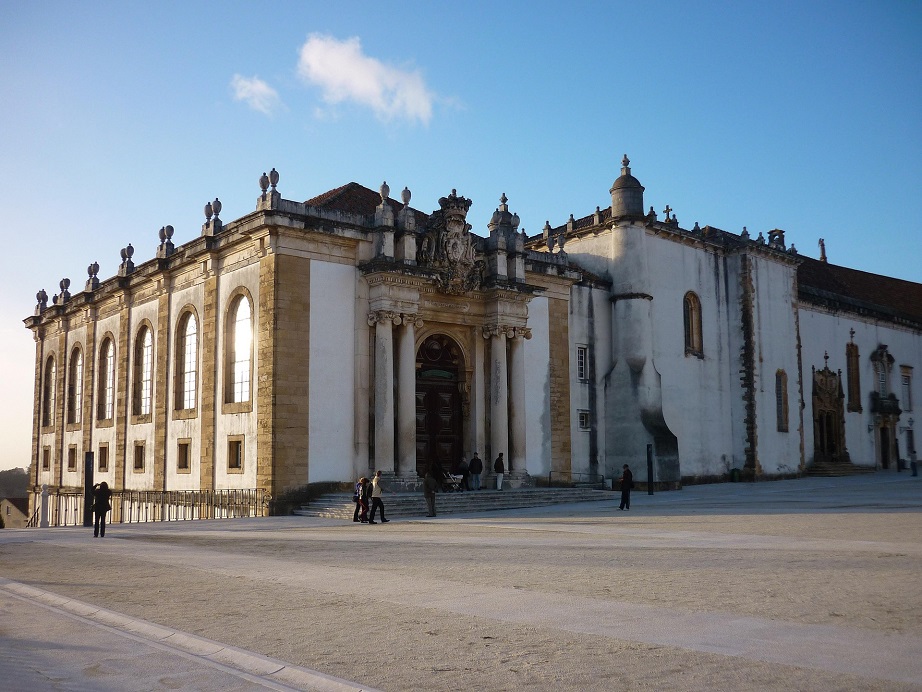
Climb towards the university and you’ll find an institution founded in Lisbon in 1290, settled permanently in Coimbra in 1537. Its historic university area joined UNESCO’s World Heritage list in 2013. The Joanina Library is the star: gilded Baroque rooms, towering shelves and enough old books to make you lower your voice before anyone asks.
Here’s the story that gets everyone. The university confirms that bats live in the library and help control insects that could damage the books. Staff protect the tables with leather covers overnight. This really is one of Europe’s more unusual security teams. You aren’t likely to meet the night shift during your visit, but I rather like knowing they’re there.
Coimbra’s steep lanes, black-caped student traditions and distinctive fado deserve attention too. Give yourself time for the university courtyard and the view towards the Mondego.
Getting there: it makes a worthwhile break on the Lisbon–Porto drive, but allow for city access, parking and the climb—not just motorway time. Parking lower down means walking uphill; use suitable transport if that doesn’t suit you.
My tip: book through the university’s official visitor service and plan around your library entry time. Don’t rush the library and run. A proper lunch and some wandering improve this stop considerably.
Viking excursion note
Coimbra is visited during the overland journey from Lisbon to Porto. Follow the departure’s confirmed university, library and lunch arrangements; an independent ticket or extra sightseeing should not be assumed necessary or possible.
See this day in River of Gold →Mateus Palace & Vila Real: The Palace on the Bottle
You’ve seen this building before. You may not know it, but you have.
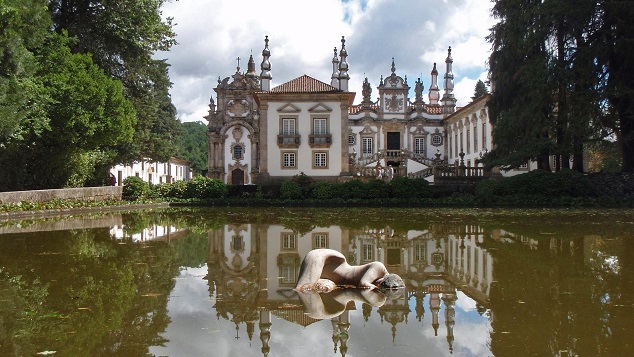
Casa de Mateus is the eighteenth-century Baroque house near Vila Real whose image became familiar on Mateus Rosé bottles. The white walls, granite detail and reflecting pool produce a very satisfying moment of recognition. It’s like bumping into a celebrity you only knew from television, except this one has better gardens.
Look at the façade reflected in the water, then make time for the grounds. The formal planting, rose garden and long cedar tunnel deserve more than a photograph taken while keeping up with somebody else.
Vila Real is a useful base or a separate stop for coffee and a wander. The house is outside the city centre, so don’t treat the two names as a single address.
Getting there: from Régua, allow roughly half an hour or more by road, depending on your route and traffic. House visits, garden access and wine experiences have their own arrangements.
My tip: start with the reflection, then put the camera down long enough to enjoy the garden. Check Casa de Mateus for the visit you actually want. The estate’s own wine experiences should not be confused with assuming a glass of the famous branded rosé is included.
Viking excursion note
Mateus Palace & Gardens is the listed included outing associated with Régua on the checked River of Gold programme. Transport takes you away from the berth. Your excursion details confirm the areas visited and what, if anything, is tasted.
See this day in River of Gold →Favaios: Bread, Wine and the Quinta Lunch
Favaios is a village on a plateau above the Douro, and it is famous for two things. Thankfully, they go together beautifully.
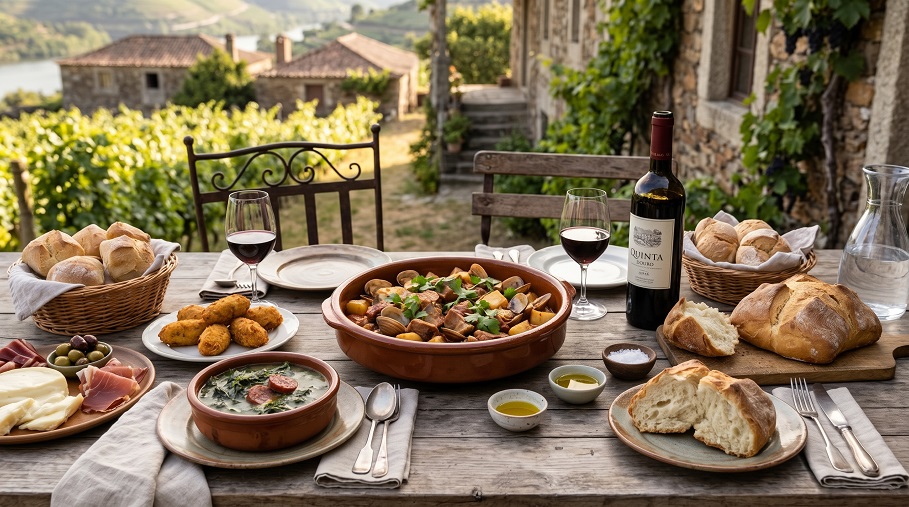
First, the bread. The signature wheat loaf is known for its four corners and is traditionally baked in wood-fired ovens. Second, the wine: Moscatel de Favaios, a sweet fortified muscat that makes a persuasive argument for sitting down rather than hurrying on.
The Pão e Vinho museum introduces the traditions behind both. A bakery or winery visit can add the tasting, but check the particular programme instead of assuming every museum ticket includes one.
Then there’s the part I always recommend making room for: a long lunch at a quinta. Warm bread, olive oil, regional dishes and a glass from the surrounding wine country. That is the mood I’m after. The actual menu depends on the estate, so book ahead, explain dietary needs and arrange a driver who isn’t drinking.
Getting there: Favaios lies uphill from Pinhão, in the municipality of Alijó. Allow for winding roads and separate transport; it isn’t a riverside stroll from the ship.
My tip: buy a loaf for the road and, if you enjoy it, a bottle of Moscatel for later. A souvenir you can eat or drink saves a surprising amount of shelf space.
Viking excursion note
The checked itinerary lists Favaios Bakery & Lunch at Quinta Avessada as included. Follow the confirmed venues, transport and menu for your sailing. Extra tastings or a different estate lunch are separate arrangements.
See this day in River of Gold →Lamego: 686 Steps and a Sparkling Surprise
Lamego is where Portugal shows its devout and delicious sides at the same time.
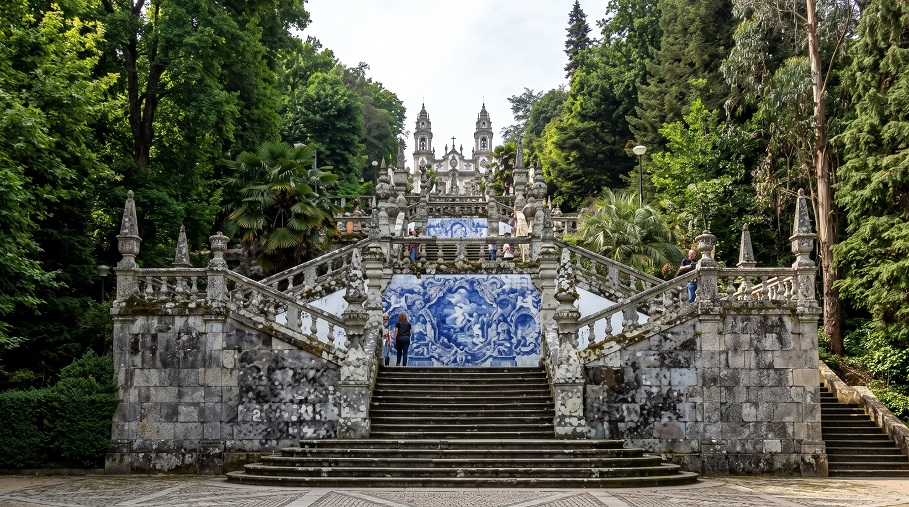
The Sanctuary of Nossa Senhora dos Remédios crowns the hill above town. Its celebrated staircase has 686 steps, rising through terraces, fountains, statues and blue-and-white tilework. The stairs are an attraction in their own right, rather than merely an elaborate way of reaching a church.
You can approach the sanctuary by road instead of climbing from town. I know which option my knees are likely to vote for. Descending still takes effort, though, particularly on wet paving; choose the route that suits you rather than the one that sounds most heroic over dinner.
In town, consider the cathedral, castle keep or Museu de Lamego if your time allows. The wider Lamego and Távora-Varosa area also offers sparkling wines, while regional ham supplies another reason to take lunch seriously.
Getting there: Lamego is a short road journey south of Régua. It works as a separate outing from a Douro base, but leave room for parking, the sanctuary and time in town.
My tip: choose your staircase strategy before setting out. If you walk, take water, use shoes with grip and pause for the details. Counting steps is optional; enjoying the place isn’t.
Viking excursion note
Viking’s checked Charming Lamego description begins at the top of the sanctuary staircase and allows a descent at leisure. Confirm the walking route and alternatives with the team. You do not need to assume an uphill climb of all 686 steps.
See this day in River of Gold →Keep exploring Portugal
Destination and excursion details checked November 2026. Your booked programme confirms the arrangements for your own sailing.