Europe Region Guide
Southern Europe
Sun-warmed coastlines, late-night dinners, and history that’s still part of daily life
Southern Europe is where travel stops feeling like a checklist and starts feeling like a rhythm. You eat later, you walk more, and you learn the art of the evening stroll (which is basically therapy with gelato).
This hub groups together the countries on the map — from Iberia to Italy, through the Adriatic and the Balkans, down to Greece and the Mediterranean islands. Some are Schengen-smooth. Others run on a slightly different set of rules. Either way: the payoff is huge — coast, culture, and “how is this real?” scenery on repeat.
The Cheat Sheet — Southern Europe (60-Second Scan)
If you’re skimming on your phone while someone nearby debates espresso vs cappuccino like it’s a court case, here’s the quick snapshot.
- Currency: Mostly Euro (€). Watch the Balkan currencies: RSD (Serbia), BAM (Bosnia & Herzegovina), MKD (North Macedonia), ALL (Albania).
- Plugs: Mostly Type C/F. Italy often uses L. Malta & Cyprus typically use G.
- Best time to visit: Apr–Jun and Sept–Oct for “warm but human.” Jul–Aug = heat + peak crowds.
- Emergency: 112 works across most of the EU; outside the EU it varies — still a good first try.
- Travel style: Coastal days, old towns, islands, and a slower evening pace.
- Tipping: Often modest or optional. Rounding up is common; “service included” is a thing in places — check the receipt.
- Driving: Stunning… and occasionally chaotic. Italian ZTL zones can ruin a day if you don’t notice the signs.
- Language: English is common in tourist areas. A few local phrases goes a long way (especially off-season).
Southern Europe feels “easy” until you treat it like Northern Europe. Respect the heat, the late meals, and the slower rhythm — and suddenly everything clicks.
Map
Southern Europe overview
A clean anchor so the region boundaries don’t blur.
Use this as your “mental grouping” map before you start stitching together countries.
Which Countries Make Up Southern Europe?
On this site, Southern Europe = the countries shown on the map below — a practical travel grouping built around Mediterranean pace, coast-and-city variety, and routes that stitch together naturally.
Countries included
- Portugal
- Spain
- Andorra
- Italy
- San Marino
- Vatican City
- Slovenia
- Croatia
- Bosnia & Herzegovina
- Serbia
- Montenegro
- North Macedonia
- Albania
- Greece
- Malta
- Cyprus
This region isn’t “one vibe.” It’s a set of connected travel lanes. Here’s the quick way I think about it:
- Iberia (Portugal, Spain, Andorra) — coast + cities + food culture that makes you cancel plans (happily).
- Italy + microstates (Italy, San Marino, Vatican City) — art + daily life layered on top of each other.
- Adriatic & Balkans (Slovenia, Croatia, Bosnia & Herzegovina, Serbia, Montenegro, North Macedonia, Albania) — dramatic scenery, strong local character, and often better value.
- Greece & islands (Greece, Malta, Cyprus) — water, history, and “how is this beach real?” moments.
Note: This hub is orientation. Country pages go deeper (costs, seasons, cities, “what I’d actually do first”).
Reminder: “Southern Europe” on this site is map-based for clarity — not a debate club. The goal is easier planning.
On the ground
How it flows
There's a particular kind of travel that lives in the creaky decks of island ferries and coastal trains that hug cliff edges. These aren't headline destinations — they're the connective tissue, the in-between moments that end up being the ones you actually remember. The journey stops being about arrival and starts being about the moving itself. Old towns reward the people who wander without a plan. Narrow streets where buildings lean in close, plazas where locals sit with espresso at 10 a.m. and again at 4 p.m. The small rituals — the standing coffee, the unhurried lunch, the evening walk with no destination — aren't inefficiencies. They're the whole point.
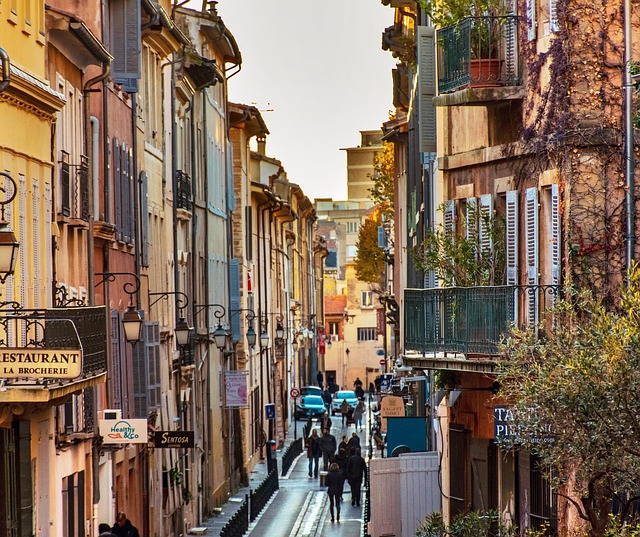
Money reality: Euro dominates — but a few border-hops switch currencies fast. Notice it before you tap your card.
Vibe Check — How Southern Europe Feels
Southern Europe isn’t just warmer — it’s looser. The day stretches, meals move later, and public life has more… life.
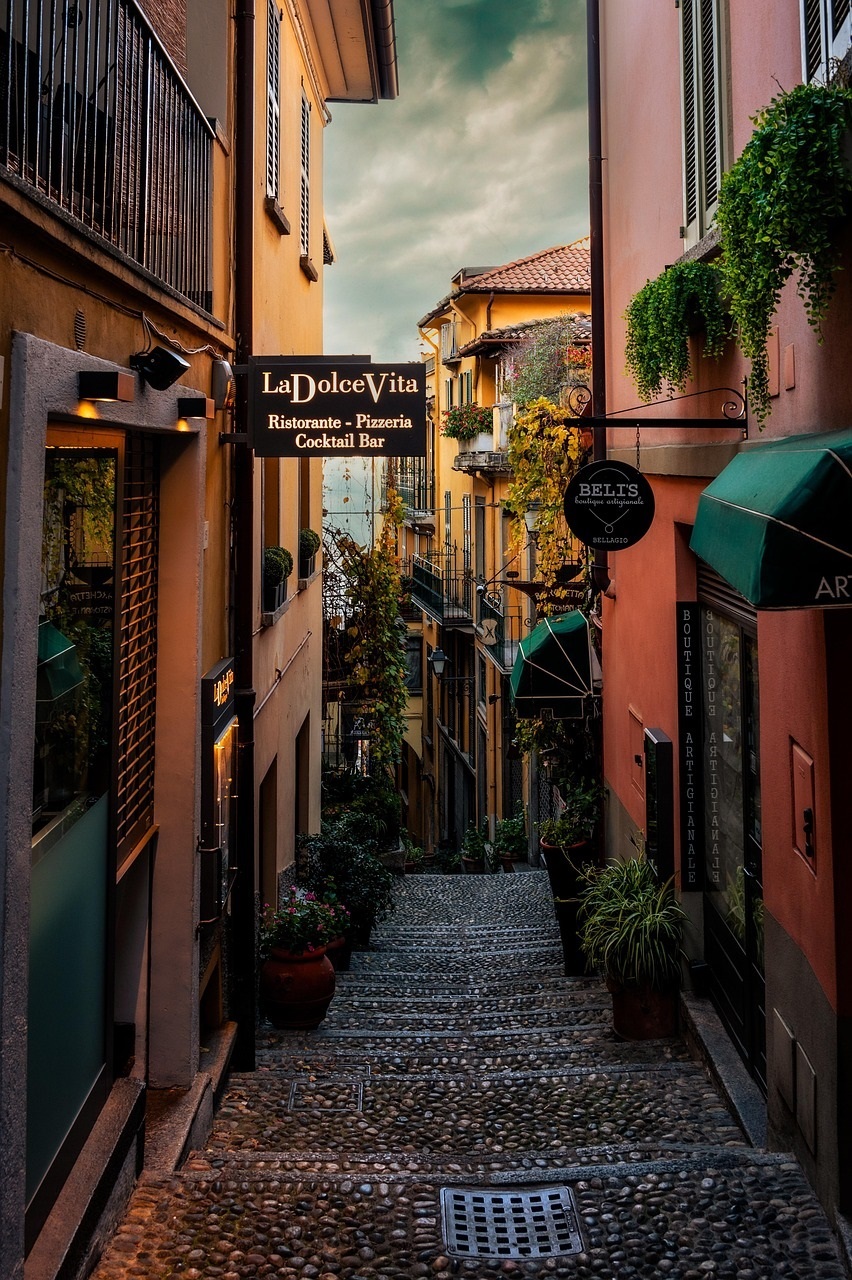
The atmosphere
Expect outdoor living: plazas, promenades, markets, and that constant sense that people are actually in the city — not rushing through it. Meanwhile, history isn’t behind glass. It’s on the corner, under your feet, and occasionally built into someone’s apartment building.
You'll hear church bells marking the hour, see laundry strung between balconies, and smell whatever's cooking from open windows. The street is the living room, and strangers still make eye contact.Time behaves differently
Lunch can be the main event, dinner can start late, and the evening stroll is practically a civic duty. If you schedule your days like a productivity guru, you’ll feel out of sync. If you lean into the rhythm, you’ll feel like you belong.
Shops close for siesta, cafés fill up around sunset, and no one's checking their watch. The clock exists, but it doesn't rule.Who it’s best for
Travelers who love food, water, walkable old towns, and a social atmosphere — plus anyone who wants “big culture” without needing a museum ticket every day.
Also perfect for slow travelers, solo wanderers who like striking up conversations, and anyone who thinks the best souvenir is a story, not a keychain.Spring and early autumn are the sweet spot: the same beauty, fewer crowds, and your brain stays inside your body (because it’s not 40°C).
Street Smarts — How to Blend In Without Trying Too Hard
You don’t need to perform “local.” Still, a few simple habits make Southern Europe smoother (and cheaper).
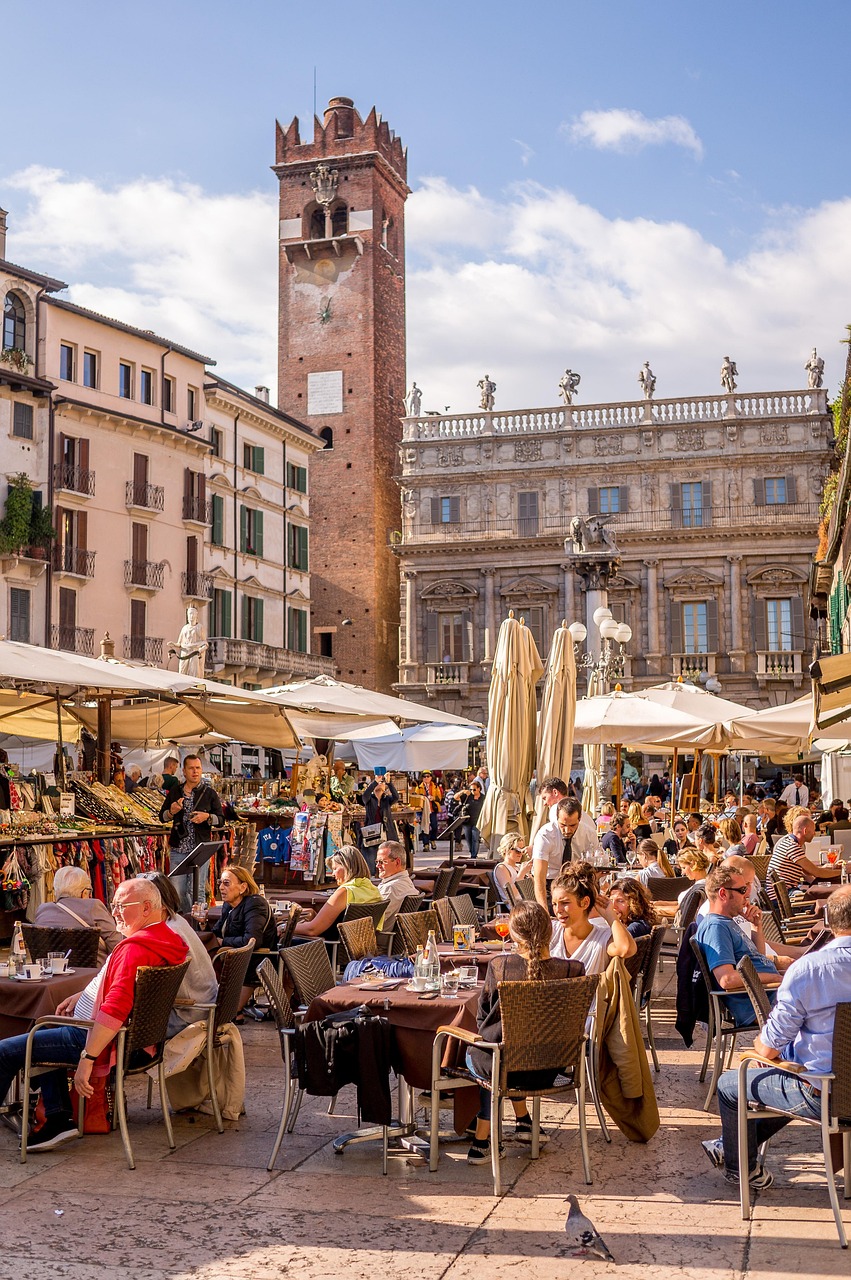
The #1 “tourist error” here is fighting the day. Heat + crowds + rigid schedules = stress. Plan early mornings, slow afternoons, and active evenings. Your trip will instantly feel more expensive and more enjoyable (yes, both).
Heat strategy
Summer sightseeing works best before 11:00, then again after 17:00. Midday is for shade, lunch, naps, museums, or a sea dunk.
Dress & churches
In many religious sites, shoulders and knees matter. Pack a light layer — it avoids the “I came all this way and now I can’t enter” moment.
Pickpocket reality
Crowded tourist zones can be opportunistic. Use a simple rule: valuables close to your body, bag zips forward, phone not in back pockets. Calm vigilance, not paranoia.
Driving zones & fines
Some cities (especially in Italy) restrict car entry with ZTL zones. If you’re renting a car, learn the signs once — you’ll save money twice.
Restaurants: the easy win
Walk two streets away from the main square and suddenly the food is better and the prices stop insulting you personally.
Logistics Lite — The Easy Stuff You’ll Appreciate
Southern Europe can be effortlessly smooth — as long as you respect the Schengen/non-Schengen mix and book peak season intelligently.
Borders & stay rules
Parts of this region are within the Schengen zone, and parts are not. That matters for visa-day counting. If you’re doing a long multi-country trip, don’t guess — track it simply.
Tip: Treat Schengen travel like a “bucket of days.” You’re not trying to be clever — you’re trying to avoid admin pain.
Visas & entry requirementsGetting around
Trains shine in places like Spain and Italy, ferries stitch together islands and coastlines, and short flights fill gaps. In peak summer, scenic routes sell out faster than you think — book earlier for the “popular” legs.
Logistics & transitPower, data, and basics
- Power: Typically 230V / 50Hz.
- Plugs: Mostly Type C/F; Italy often L; Malta/Cyprus often G.
- Connectivity: Strong coverage in most areas. eSIMs + Wi-Fi make life easy.
- Water: Tap water quality varies by location — when in doubt, ask locally (or use refill stations where available).
The Un-Googleable Stuff — What You Only Notice After a While
Not the highlights — the little levers that make a day feel “right” here.

Evenings are the headline
The best hours are often after 18:00 — the temperature softens, the streets fill, and suddenly the city feels like a shared living room. If you’re exhausted by dinner time, shift your schedule.
The “one local ritual” trick
Pick one daily ritual and repeat it: morning coffee at the same bar, a sunset promenade, a market stop. It turns a trip into a temporary life — and the place starts to open up to you.
Southern Europe rewards the traveler who stops “doing” and starts “being.” The pace is the point.
Small planning secret
In peak season, your best “budget upgrade” is timing: early museums, late dinners, and beach time outside the busiest windows. Same place, better experience.
The Gap — Things Most Travelers Don’t Think to Ask
Not warnings — just small frictions you can avoid if you know what’s coming.
Heat changes behavior
Heat isn’t just “warm weather.” It affects crowds, energy, opening hours, and how far you’ll realistically walk. Plan shade and water like you plan transport.
Peak season costs spike fast
July and August can turn “affordable” into “why is a chair by the sea €40?” Book accommodation earlier, and use shoulder season where possible.
Microstate expectations
Places like Vatican City and San Marino can be brilliant — but they’re best treated as short, focused visits. Go early, go purposeful, and you’ll avoid the crush.
Southern Europe is easy when you plan around heat + crowd cycles — and leave your evenings free.
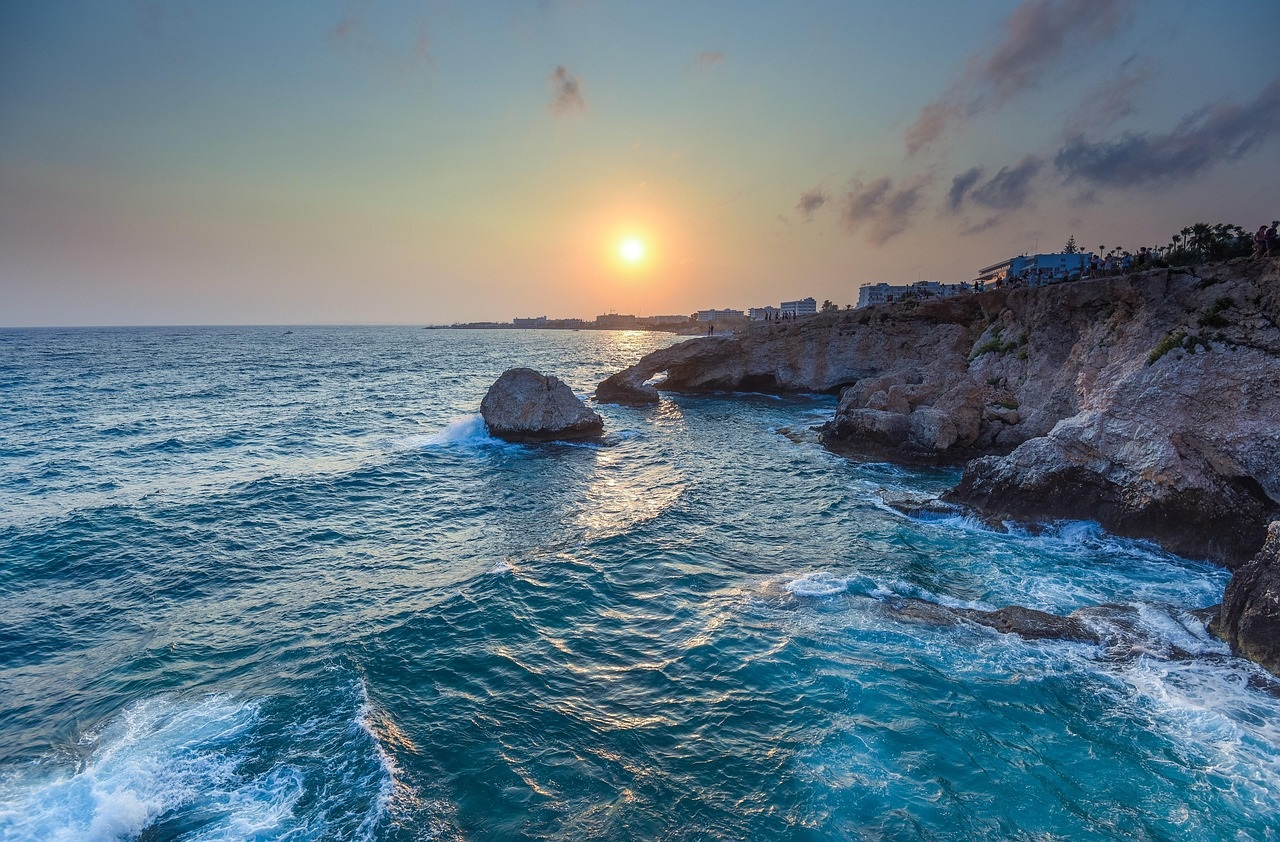
How to Use This Region Page
This page is your orientation: the vibe, the logistics shape, and the “what changes where” overview. Each country page goes deeper — costs, seasons, cities, and the practical details that make planning feel simple.
If you’re choosing where to begin: pick one city base + one coast/island base, then add a short hop for contrast. That’s the Southern Europe formula that rarely fails.
Join the conversation
Are you planning Southern Europe — or have you done a trip that nailed the pace? Share your route (or your dilemma), and if you’ve got a favorite island, ferry hop, old town, or “this surprised me” moment, drop it below so the next traveler can plan smarter.