FRANCE, ONCE YOU STOP RUSHING IT
France: How It Actually Feels
(And How To Enjoy It Properly)
France isn’t difficult — but it is particular. When you try to rush it, it pushes back. However, when you match its rhythm, it becomes quietly brilliant.
The country rewards a different pace: longer meals, slower mornings, and an assumption that you're here to experience things properly, not photograph them quickly.
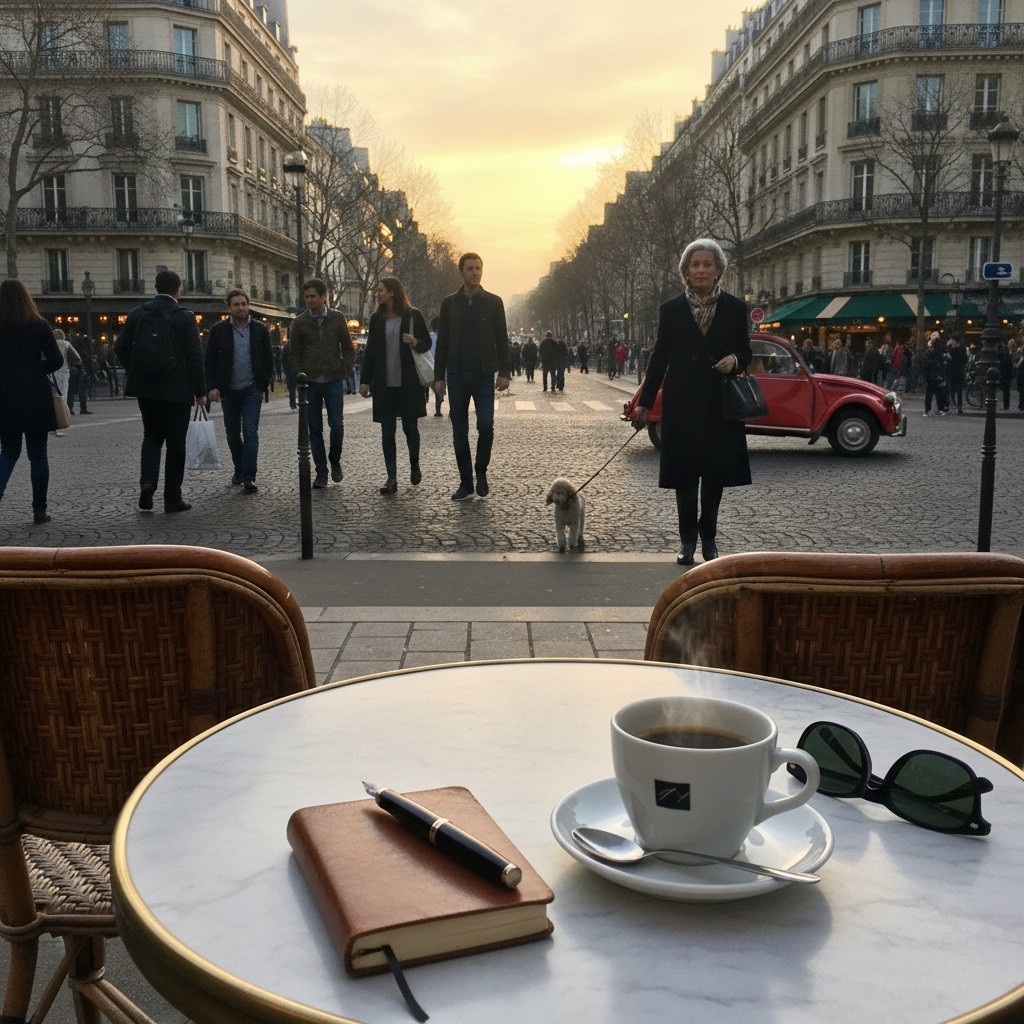
The Short Version (60-Second Scan)
If you only read one part, read this. France rewards rhythm, not speed.
- Best first move: Pick one base. Go deep.
- When it “clicks”: Often day three.
- Biggest cost driver: Accommodation location + season.
- Biggest trip-saver: Repeat one café and one bakery.
- Quiet truth: Two streets off the icons feels like another country.
France isn’t cold. It just doesn’t perform on demand. Slow down and it shows up.
The France You Imagine — And The One You Meet
The dream version of France exists — but it shows up quietly. It’s late lunches, slow mornings, and unplanned cafés. And yes, it can feel magical. However, that magic usually appears after you’ve stopped sprinting between landmarks.
I’ve had afternoons here that felt like a movie, and I’ve also had days where everything felt… a bit flat. The difference wasn’t the country — it was my pace, my expectations, and whether I built breathing space into the day.
The truth is, France rewards noticing over ticking boxes. The best moments I've had weren't at famous monuments — they were watching an old woman choose tomatoes at a market for ten full minutes, or overhearing a debate about cheese at a corner shop. This country doesn't perform for you. It just continues being itself, and if you slow down enough to match its rhythm, you start to see why people never really leave. But if you're still operating on a checklist mentality, you'll walk right past what actually makes France feel different.
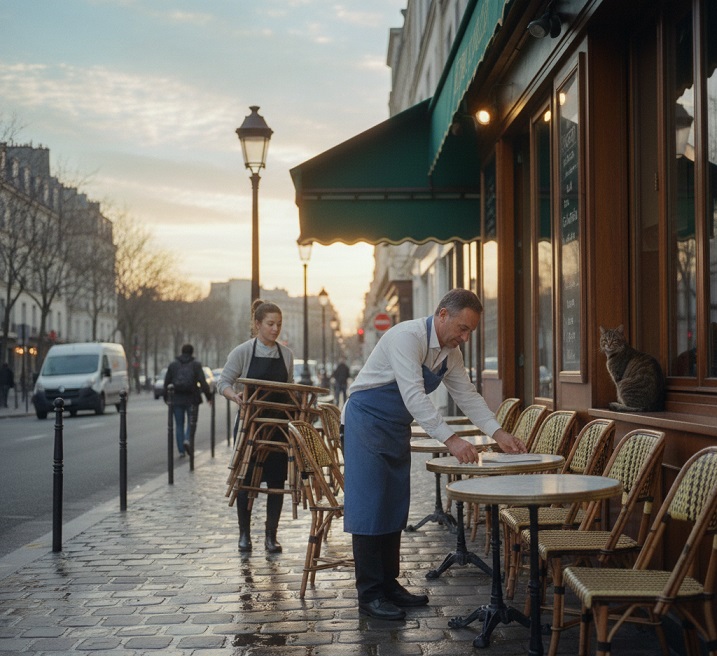

Field Notes: Small Truths That Save The Trip
- If you only have a week, choose one base and go deep.
- The best conversations happen when someone recognizes you from yesterday.
- France usually clicks on day three — before that it can feel awkward.
- Train windows teach you more geography than any map.
- If a local recommends something "just okay," it's probably excellent.
- Supermarkets reveal more about daily life than guidebooks do.
- The walk back from dinner is when you actually see the neighborhood.
- Two streets away from tourist zones often feels like another country.
- If you're rushing between photo ops, you're working, not traveling.
- Bread from the boulangerie goes stale fast; buy it twice a day like everyone else does.
- If the restaurant has a handwritten menu, you're in the right place.
- Lunch is sacred — plan around it, not through it.
- Markets close early; go earlier than you think.
- Repetition builds warmth. Novelty builds fatigue.
Pick one neighbourhood, one bakery, one café. Become recognisable. France softens when you stop “sampling” it.
Rhythm: How France Actually Moves
France has a pace that’s easy to misread. It’s not laziness — it’s structure. Lunch matters. Sundays matter. And the day isn’t designed to keep you entertained every hour.
Plan with the rhythm, not against it. That’s how the trip stops feeling like friction.
Lunch is real
Plan around it and your day instantly feels smoother.
Sundays are slower
Lean in. This is where the “France feeling” shows up.
Hello matters
A simple greeting changes the tone of everything.
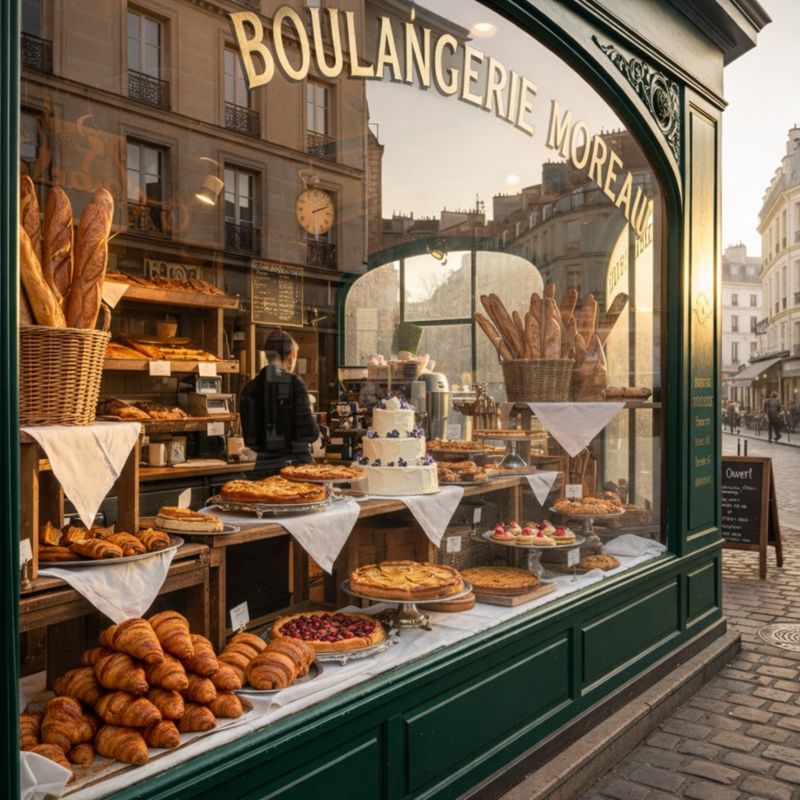
Logistics Lite
France isn’t hard. It’s just particular — and a few practical choices remove 80% of the stress.
Entry & documents
Check entry rules and visa time limits before you build the route.
Visas & entry requirementsBudget & pacing
Fast travel costs more. Slow travel costs less — and feels better.
Cost guideWhere to Go (Based on How You Want to Feel)
I’m not dumping a “Top 25” list on you. Pick a vibe — then pick a base that supports it.
Ease
Choose a walkable base with simple transit so you spend less energy managing the trip.
Contrast
Pair one city base with one slower region so the trip has texture, not blur.
Slow living
Stay somewhere smaller. Repetition is the point — and that’s when France warms up.
Daily Rhythm Comparison (Pick Your Pace)
This is the bit people skip — and then they wonder why France feels harder than it should. Choose a rhythm that fits your energy. (These are pattern guides, not strict schedules.)
Daily Rhythm Comparison
Fast city vs slow city vs countryside reset vs coastal air.
Use it: Choose one style per “base” and you’ll stop fighting the trip. Mix styles within the same day and you’ll feel like you’re always behind.
Reality check: In France, lunch service is often tighter than you expect; Sundays can be quiet outside major tourist areas; and big museums frequently have one weekly closure plus selected late-night openings — so always check the places you’re actually using.
Costs & Pace: What Actually Changes Your Spend
France gets expensive when you move fast — because you pay panic prices. Slow down, reduce bases, and your budget stops bleeding in tiny invisible ways.
- Accommodation: location and season matter more than anything.
- Transport: train timing changes price dramatically.
- Food: step off the icon streets and the bill softens fast.
Your pace is a budget strategy. Fewer moves = fewer “oops” costs (taxis, last-minute trains, overpriced food because you’re rushed).
France FAQs
Quick answers to the stuff people actually worry about.
Do I need to speak French?
No fluency needed. Still, a greeting and a few basics change the whole tone of interactions.
Is France good for first-time travelers?
Yes — if you don’t over-schedule. France is easy logistically, but it rewards patience.
What’s the single best way to save money?
Fewer bases. Less transport churn. You’ll spend less and enjoy the days more.
Join the conversation
Have you done France slowly — or are you planning your first trip? Share what you’re excited about (or stuck on), and drop your best small-town finds too. If you’ve got tips, help the next traveler out.