Destinations / Places to Visit / History
Historical Places to Visit: Find the Story That Pulls You In
There is a limit to how many old stones a person can admire without knowing what happened around them. Add a story, though, and suddenly you are leaning forward.
Explore 12 historical places to visit, from ancient cities and temple landscapes to printing, industry and living memory. First, choose the history that interests you. Then follow the guide or story that helps turn it into a trip.
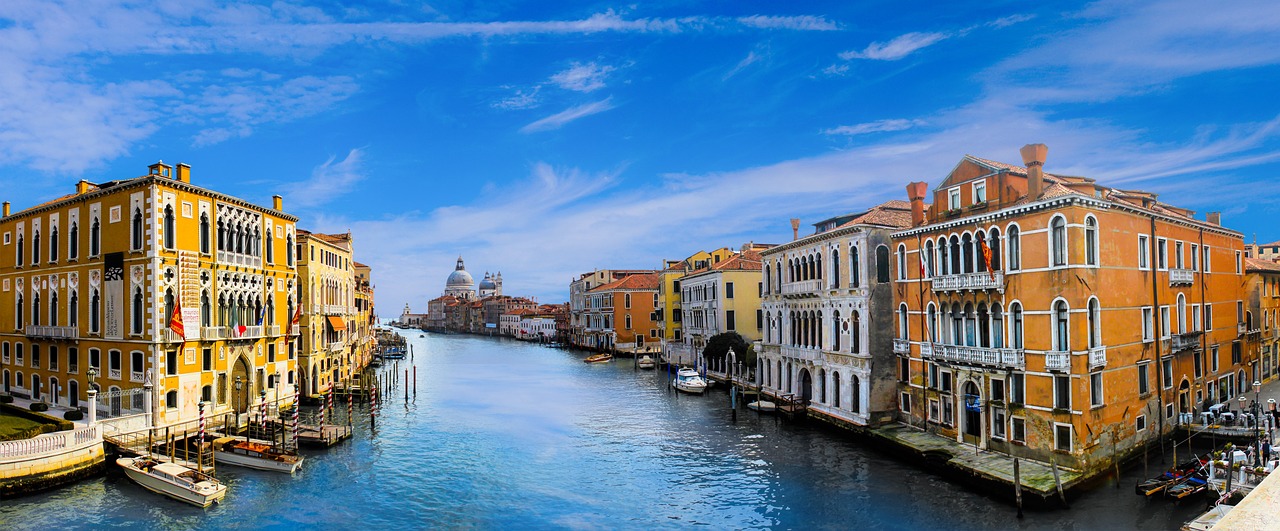
History lives in streets and everyday places, as well as monuments.
Choose your chapter
The best history trip starts with a question. Are you curious about how ancient cities worked, how people worshipped, how ideas spread or how a society changed?
I would rather understand three places than rush through ten. So use these suggestions to find a direction, then choose a base and a few connected visits. There is no examination at the end of the holiday.
Ancient civilizations
For empires, beliefs and the everyday systems that helped cities work. Choose a few sites that connect, then give them context.
Historic cities and streets
For travelers who enjoy layers of history in a place that still has errands to run. Buildings matter, but so do the streets between them.
Religious heritage and living traditions
Temples and sacred landscapes can explain how people saw the world. However, many remain places of worship, with responsibilities for visitors.
Invention, industry and ideas
Printing and industry can be as compelling as palaces. Start with what changed, then ask whose lives became different and at what cost.
Recent history and remembrance
For understanding events that still shape living memory. Approach these places with curiosity, reliable interpretation and respect.
A museum-focused day or a short guided walk may suit you better than an extensive archaeological site. However, check distances, seating, steps, surfaces and toilets for the specific visit. Historic does not automatically mean inaccessible, and compact does not automatically mean easy.
Start with the people behind the monuments
Ancient civilizations
For empires, beliefs and the everyday systems that helped cities work. Choose a few sites that connect, then give them context.
Rome, Italy
Empire in the middle of a living city
Base yourself in Rome and connect the Forum, Colosseum and a museum visit. Then look for the streets, water systems and everyday details that make the ancient city feel inhabited.
Plan for this: Outdoor walking, uneven surfaces and queues can make a full archaeological day tiring. Check official ticket options before choosing your schedule.
Athens, Greece
Ancient Greece with context
Pair the Acropolis with its museum, then leave time for the city around them. This gives the monuments a story rather than making the hill a solitary photo stop.
Plan for this: However, heat, gradients and exposed areas deserve planning. Check the exact accessible route and current admission arrangements if those affect your visit.
Luxor, Egypt
Temples, tombs and the scale of ancient Thebes
Use Luxor as a base and separate the east-bank temples from a west-bank day. A knowledgeable guide can help connect beliefs, rulers and the landscape.
Plan for this: Instead of packing every tomb into one day, choose a few priorities. Heat, steps, transfers and separate site tickets can shape the visit.
Read the city as you walk
Historic cities and streets
For travelers who enjoy layers of history in a place that still has errands to run. Buildings matter, but so do the streets between them.
Bamberg, Germany
A historic town you can explore at street level
Choose Bamberg when you want lanes, civic buildings and religious history within a lived-in town. Then give yourself time to connect the cathedral area with the streets below.
Plan for this: The compact center still includes slopes and uneven paving. Therefore, plan a walking route that suits your group rather than assuming small means effortless.
Istanbul, Türkiye
Layers of Byzantine and Ottoman history
Start around the historic peninsula, then choose a small number of monuments to understand properly. Museums, mosques and everyday neighborhoods tell different parts of the story.
Plan for this: However, the city is large and busy. Allow for queues and transport, and check current visitor arrangements at active religious sites.
More than beautiful buildings
Religious heritage and living traditions
Temples and sacred landscapes can explain how people saw the world. However, many remain places of worship, with responsibilities for visitors.
Angkor, Cambodia
A temple landscape beyond a single sunrise
Stay in Siem Reap and build a route around a few temple groups. Then use a guide or reliable interpretation to understand the wider Khmer landscape.
Plan for this: Heat, distances and steep sections can overwhelm a rushed day. Also check the official pass, site rules and suitable clothing before visiting.
Kyoto, Japan
Temples, gardens and living traditions
Choose one area at a time rather than crossing Kyoto for every famous temple. A smaller selection leaves room to notice buildings, gardens and the life around them.
Plan for this: However, popular sites can be crowded and some involve steps or long approaches. Respect photography rules and remember that worship takes priority.
History that changed daily life
Invention, industry and ideas
Printing and industry can be as compelling as palaces. Start with what changed, then ask whose lives became different and at what cost.
Mainz, Germany
The printed word and the spread of ideas
Start with Gutenberg and the question of how information travels. Then connect that story with a walk through Mainz, rather than treating the museum as an isolated stop.
Plan for this: Check the Gutenberg Museum’s current venue, exhibitions and opening arrangements before going. Museum visits change, even when the historical story does not.
Ironbridge Gorge, England
Industry, engineering and everyday work
Build a visit around the bridge and a selected museum, then explore how production changed the valley. This is history about working lives as well as impressive structures.
Plan for this: The heritage sites are spread across the gorge. Therefore, check transport, individual openings and distances instead of expecting one compact museum complex.
Leave room to reflect
Recent history and remembrance
For understanding events that still shape living memory. Approach these places with curiosity, reliable interpretation and respect.
Reims, France
A surrender room alongside a much older city
Reims connects royal and religious history with the room where Germany’s surrender was signed on 7 May 1945. Choose the chapter that draws you, then allow time for the other.
Plan for this: However, this is a city visit rather than a single attraction. Check the museum’s current opening arrangements before planning around it.
Berlin, Germany
Division, daily life and remembrance
Begin with the Berlin Wall Memorial at Bernauer Strasse, then choose another museum or neighborhood that deepens the subject. A focused route is more useful than a sprint between every memorial.
Plan for this: Also leave time between emotionally demanding sites. Distinguish documented history from souvenir entertainment, and use the memorial’s own interpretation.
Cape Town and Robben Island, South Africa
Apartheid, imprisonment and the struggle for freedom
Use Cape Town as a base and make space for informed interpretation of Robben Island. Then connect what you learn with the wider city rather than treating the island as a detached excursion.
Plan for this: Boat conditions and tour availability can affect the plan. Therefore, verify official arrangements and allow flexibility rather than tying the visit to your last free hours.
Compare the historical trips
Use the table to narrow your shortlist. Then open the linked guide for wider travel context, rather than trying to build an entire route from one attraction.
| Place or base | Choose it for | Main planning check |
|---|---|---|
| Rome, Italy | Empire in the middle of a living city | Archaeological walking and admission choices |
| Athens, Greece | Ancient Greece with context | Heat, slopes and exposed areas |
| Luxor, Egypt | Temples, tombs and the scale of ancient Thebes | Heat, transfers and site selection |
| Bamberg, Germany | A historic town you can explore at street level | Slopes and uneven paving |
| Istanbul, Türkiye | Layers of Byzantine and Ottoman history | Queues, transport and worship arrangements |
| Angkor, Cambodia | A temple landscape beyond a single sunrise | Heat, distances and temple steps |
| Kyoto, Japan | Temples, gardens and living traditions | Crowds, approaches and visitor etiquette |
| Mainz, Germany | The printed word and the spread of ideas | Current museum venue and opening times |
| Ironbridge Gorge, England | Industry, engineering and everyday work | Travel between spread-out heritage sites |
| Reims, France | A surrender room alongside a much older city | Current museum access and opening times |
| Berlin, Germany | Division, daily life and remembrance | Time for interpretation and reflection |
| Cape Town and Robben Island, South Africa | Apartheid, imprisonment and the struggle for freedom | Ferry conditions and official tour availability |
Give the history time to make sense
- Choose a theme and a base. Start with what you want to understand, then connect a few nearby visits.
- Pair a landmark with context. A museum, local guide or neighborhood walk can help explain what the remains alone cannot.
- Check official arrangements. Confirm current tickets, closures, worship times and access before booking the journey.
- Leave space between visits. Use Travel Rhythm to avoid turning curiosity into museum fatigue.
- Choose workable dates. Then use When to Travel to weigh weather, crowds and flexibility.
For sites associated with suffering, slow down and follow local guidance. Also respect restrictions on photography and behavior. These places deserve more than a dramatic backdrop.
UNESCO is a useful research tool, but it is not a complete itinerary. Smaller museums, local heritage and unlisted places can matter just as much to the story you want to follow.
Check the source before you book
Our guides help you choose a direction. For current access, tickets and visitor rules, start with the institution or site authority itself.
Keep following your curiosity
Want a structured planning path?
The World Travel Course helps you turn your interests into a workable journey. Start with your reasons, then work through budget, route and preparation.
By Rob Wheatley · Program Director and traveler · Reviewed 2 November 2026