GREECE, WHERE THE ANCIENT WORLD MEETS ISLAND TIME
Greece Travel Guide: Islands, Ancient Wonders
& Mediterranean Life Done Right
Greece is two trips in one: Athens and its myth-heavy ruins, then a completely different universe of whitewashed island lanes, sea-swim mornings, and dinners that stretch past midnight. You can chase big-ticket classics (Acropolis, Delphi, Meteora), or you can do the Greek thing properly: pick one island cluster, settle into a rhythm, and let the days soften at the edges.
My Greece approach is simple: don’t hop like a maniac. Greece rewards staying put. Choose one “anchor island” (or Crete as its own universe), take small day trips, and keep Athens short but meaningful (2–3 days is usually enough unless you’re a history superfan).
Straight talk: the same postcard places can feel wildly different depending on timing and wind. Summer is glorious… and also busy, hot, and sometimes ferry-chaotic. So if you want Greece at its best, aim for late spring or early autumn when the sea is warm, crowds are calmer, and your wallet doesn’t cry every night.
In a Nutshell (60-Second Scan)
If you only read one part, read this. Greece is a choose-your-own-adventure between ancient history and sea-slow living — and your trip gets better the moment you stop trying to do “all the islands.”
- Best first move: Athens (2–3 days) + one island cluster (Cyclades OR Dodecanese OR Ionian) — not three.
- When it clicks: When you realize Greece is a rhythm: swim → coffee → wander → nap → sunset → long dinner.
- Money truth: Greece can be great value — but popular islands in peak summer can price like “luxury Europe.” Timing matters.
- Easy win: Choose an “anchor island” (Naxos/Paros/Crete/Corfu) and day-trip around it.
- Classic mistake: Island-hopping every 2 nights. Ferries eat your time and your patience.
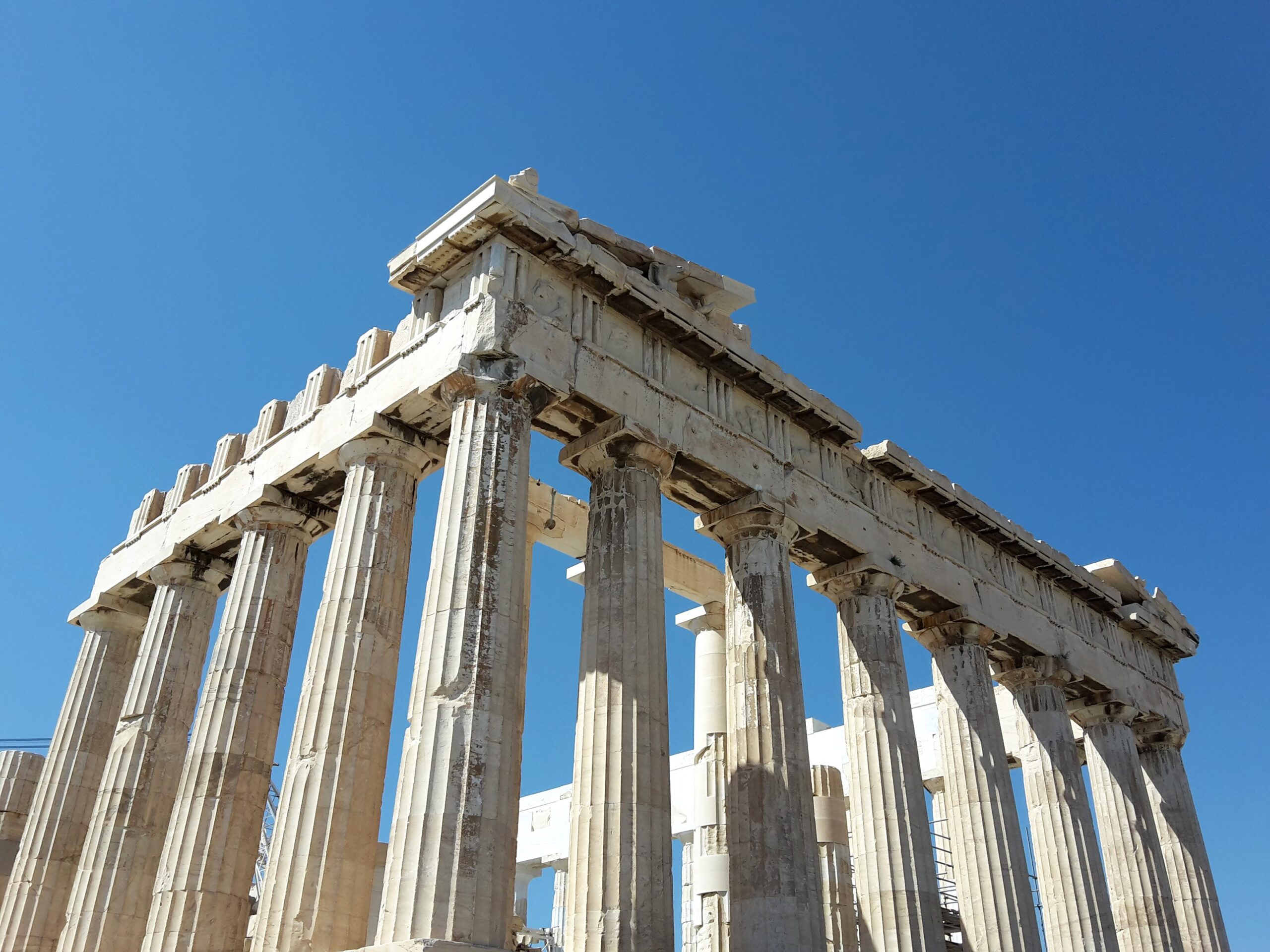
- Quiet flex: Greece isn’t just beaches — it’s also heavyweight ruins and landscapes: Acropolis, Delphi, Meteora, Olympia, Mycenae.
Greece rewards this formula: 1 city + 1 island base + 1 day-trip loop. Less moving, more living, better memories — and usually a lower bill.
60-Second Fit Check
- Ideal trip length: 10–14 days (Athens + island base + a couple day trips). 7 days works if you choose just one island base.
- Best energy level: Medium — Athens is walk-heavy, islands are chill (unless you make them a sport).
- First-timer friendly: Yes — once you simplify the route. Complexity comes from over-hopping.
- Budget vibe: Flexible — Greece can be budget-friendly on the mainland and “treat-yourself” on the most famous islands in peak season.
- My simple rule: If you want maximum “Greece feeling,” prioritize time over checklists.
The best Greece trips aren’t the ones with the most pins on a map — they’re the ones where you remember the taste of the tomatoes, the sea after a swim, and the exact table where you stayed too long.
The Greece That Clicks: Athens + One Island Base + One “Wow” Day Trip
If you want Greece to feel like Greece (not a transport schedule), build your trip around three anchors: Athens for history and neighborhoods, one island base for the sea-and-sun rhythm, and one mainland or island “wow day” for something unforgettable.
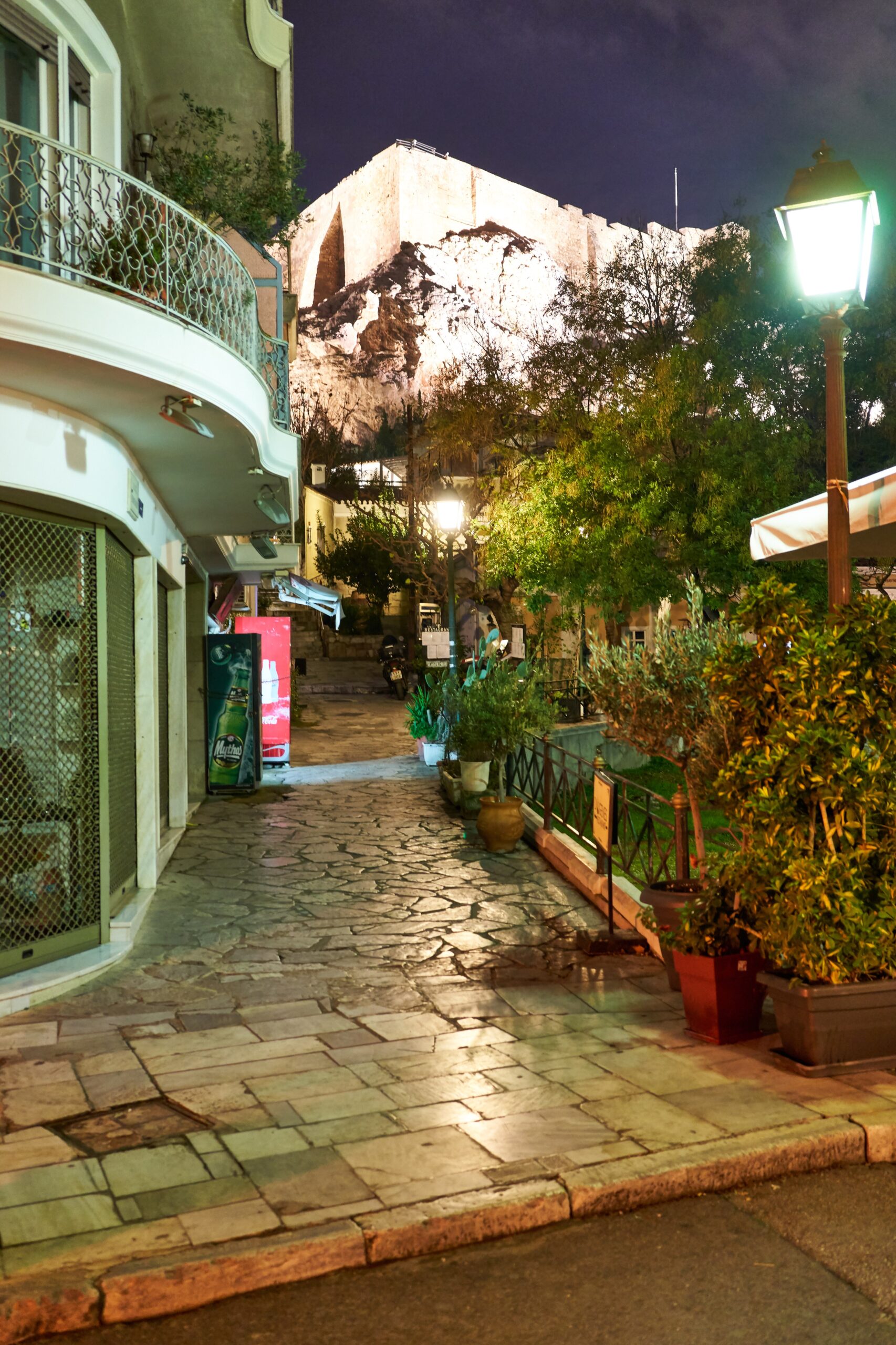
Athens gives you the Acropolis, but also modern life: coffee culture, street markets, rooftop views, and neighborhoods like Plaka and Monastiraki that feel like layered time. Then you jump to one island base — and this is where most people mess up: they treat islands like Pokémon. Don’t. Pick a base that matches your style: a “balanced” island for beaches + villages + day trips, or Crete if you want depth.
For your “wow” day, you have options: a short mainland loop to Delphi, a dramatic detour to Meteora, or an island day trip (a boat day, a smaller neighboring island, or a hidden cove mission). This structure keeps the trip clean and calm — and Greece is best when you’re calm enough to notice it.
Day 1–3: Athens (Acropolis early, 1 museum, 1 neighborhood day, 1 rooftop sunset). Day 4–10: One island base (slow mornings, beach days, 2 day trips). Day 11–14: Add Crete OR a mainland “wow” (Delphi/Meteora) depending on your travel personality.
Vibe Check: What Kind of Greece Are You Actually Here For?
Greece isn’t one thing. Decide your primary mood first — then choose places that actually match it.
The Myth + Ruins Greece (Athens, Delphi, ancient sites)
You want the deep time feeling: temples, theatres, museums, and “I can’t believe humans built this” moments. Keep Athens focused, add one big day trip (Delphi) or one dramatic detour (Meteora), and don’t rush the classics.
Plan like: 2–3 Athens days + 1 “wow” day trip + one calm island base.
The Island Rhythm Greece (swim, wander, long dinners)
You’re here for beach mornings, salty hair, village strolls, and that slow Mediterranean social life. Pick an anchor island where you can do beaches + villages + boat days without changing hotels constantly.
Plan like: One island base + day trips + minimal transfers.
The “Real Greece” Greece (mountains, villages, less glossy)
You want character: quieter towns, regional food, local festivals, and landscapes that aren’t a postcard cliché. Mainland Greece delivers this in spades — and it’s often better value than peak islands.
Plan like: Mainland loop + one island add-on (or skip islands entirely).
Greece in Four Seasons: Timing Changes Everything
Greece isn’t subtle about seasons. Your experience, crowds, ferry vibes, and prices shift hard depending on when you go.
🌸 Spring (March–May): The “Everything Works” Season
- Weather: Warm days, cooler nights — ideal for Athens and sites (less heat stress).
- Crowds: Manageable. Big wins for popular islands before peak pricing hits.
- Why it’s great: Ruins feel human again, and you can actually walk Athens without melting.
- Watch for: Sea can still be chilly early spring; by late May it’s often swim-friendly.
☀️ Summer (June–August): Sun, Crowds, Heat, Wind
- Weather: Hot in Athens and inland. Islands feel better — but some get windy.
- Crowds: High. Famous islands get packed and expensive fast.
- Why it works: Best pure beach season and long golden evenings.
- Watch for: Wind can mess with ferry plans; always build buffer time.
🍂 Autumn (September–November): Sea Still Warm, Life Calmer
- Weather: September is a cheat code: warm sea, softer sun.
- Crowds: Drop gradually after early September.
- Why it’s great: Better value, better dining availability, more “normal life” energy.
- Watch for: Ferry schedules thin out later in autumn; plan a little tighter.
❄️ Winter (December–February): Athens + Mainland, Not Island Fantasy
- Weather: Cooler, sometimes rainy; mountains can be properly cold.
- Crowds: Low. Great for museums and city time.
- Why it works: Athens without the heat/crowds is genuinely enjoyable.
- Watch for: Many island businesses scale back; winter is not peak island mode.
If you want the “best of everything” blend (good weather + swim days + less chaos), your sweet spot is usually late spring or early autumn. Summer is amazing — just don’t build a fragile schedule that depends on perfect ferry timing.
Street Smarts: Small Greece Rules That Save Big Stress
- Don’t over-hop. Every ferry day is half a day — plus delays happen. Build slack.
- Athens is safe, but stay sharp. Tourist zones can attract petty theft — standard city awareness wins.
- Heat is real. Plan ruins early morning, then take a slower mid-day break like locals do.
- Bring reef shoes. Many beaches are pebbly/rocky; your feet will thank you.
- Restaurant rhythm: Dinner is late, and meals are social. Don’t rush the table — Greece doesn’t do “turnover energy.”
- Ferry reality: Wind can affect sailings. Avoid same-day “fly home right after ferry” plans if you can.
- Driving: If you rent a car, expect narrow roads and assertive local style. Drive calm, not competitive.
- Cash helps. Cards work widely, but small cash makes tiny tavernas and beach spots easier.
- Tap water: Varies by island. In many places it’s fine, but some islands prefer bottled — ask locally.
- Learn 3 phrases: Kalimera (good morning), Efcharistó (thank you), Parakaló (please/you’re welcome).
Greece gets easier when you stop treating it like a checklist. Your best day might be a “nothing day” — swim, nap, wander, eat, repeat — and that’s not wasted time. That’s the point.
Logistics Lite
Greece becomes effortless when you handle the modern basics: entry rules, transport, power, and connectivity.
Entry rules (the short version)
Greece is in the EU/Schengen zone, so Schengen short-stay rules apply for many travelers. Requirements vary by passport, so always confirm your specific rules before booking non-refundable plans.
Visas & entry requirements (site guide)Money (Euro) & everyday pricing
Greece uses the Euro (€). Cards are common in cities and many islands, but small cash is still useful. Prices swing by season and island “fame.” Mainland and lesser-known islands usually offer the best value.
Power + emergencies (save this)
Greece uses European plugs (Type C/F), 230V / 50Hz. Pack a universal adapter if you’re coming from outside Europe. For emergencies, 112 is the general EU emergency number.
Getting around: ferries + flights + local buses
Ferries are the island backbone (and they’re part of the experience). Domestic flights can save time for longer jumps. On the mainland, intercity buses (often branded KTEL) are common and practical. In Athens, the metro is a gift — use it.
Connectivity: SIM cards + WiFi + eSIM
Greece has strong mobile coverage in cities and many islands. WiFi is common in hotels, cafés, and restaurants. For short trips, eSIMs are an easy setup. For longer stays, a local prepaid SIM can be better value.
Best “don’t waste time” booking tip
If you’re visiting the Acropolis, book your entry early (and go early). You’ll get cooler temperatures, better photos, and a calmer experience.
Base Plans: 3 Simple Ways To Build a Greece Trip That Works
Pick one and commit. Greece rewards clarity more than complexity.
Plan A: First-timer classic (10–14 days)
- Why: Best blend of history + island rhythm.
- Do: Athens (2–3 days) → one island base (6–8 days) → optional “wow” day (Delphi or Meteora) if time allows.
- Rule: One island base. Add day trips instead of hotel changes.
First-timers, couples, “I want both ruins and beaches” travelers, and anyone who values calm structure.
Plan B: Mainland depth (10–16 days)
- Why: Less glossy, more grounded — and often better value.
- Do: Athens (2 days) → Delphi (1 day) → Meteora (2 days) → Peloponnese loop (Nafplio / Mycenae / Epidaurus / beaches).
- Rule: Rent a car for flexibility if you’re comfortable driving.
You get “real Greece” texture: small towns, slower meals, and fewer tourist-pressure moments.
Plan C: Quick hit (5–7 days)
- Why: You’re time-limited — keep it clean.
- Do: Athens (2 days) + one close island base (3–5 days).
- Rule: Don’t add a second island. You’ll spend your trip moving instead of living.
Athens + one island still feels like a complete story — history + sea + night dinners. Simple wins.
Costs & Pace: What Actually Moves the Needle in Greece
Greece can be excellent value — until you combine peak season + famous islands + constant transfers. Your choices matter more than your budget.
Here’s the honest truth: Greece is not one price. Athens can be reasonable. Mainland towns can be a bargain. But the most famous islands in peak summer can feel like “high-season Riviera” pricing. Your three biggest levers are accommodation, season, and how often you move.
- Accommodation strategy: Staying 4–6 nights in one base usually costs less than bouncing every 2 nights (and saves time).
- Food strategy: Greece is a gift if you eat like locals: bakery breakfast, simple lunches, long taverna dinners.
- Transport strategy: Ferries add up. Flights can save time on long jumps. But the biggest “cost” is losing days to transit.
- Activity costs: Many of the best things are free: swims, hikes, sunsets, village wandering, and very long dinners.
- Daily average (rough): Budget €55–85/day, Mid-range €90–140/day, Comfortable €150–230+/day — with peak famous islands pushing higher.
If you want Greece to feel “affordable,” don’t fight the country’s rhythm. Pick one base, travel slower, and avoid building a peak-season itinerary that depends on perfect ferry timing. You’ll spend less and enjoy it more — which is annoyingly rare in life.
🇬🇷 Greece Daily Rhythm Comparison
How your pace shapes your day (and your spend)
Prices are illustrative (EUR / €) to show how pace tends to affect spending. Always check current rates and seasonal spikes.
Un-Googleable Greece: Tiny Choices That Change the Whole Trip
These aren’t “hidden gems.” They’re the small behaviors that make Greece feel warm and real instead of transactional.
Order like a local: share everything
Greece is built for sharing. Don’t each order a main like you’re in a rush. Order 4–6 small plates, put them in the middle, argue lightly over the last bite, and call that cultural immersion.
Make one “no plans” afternoon non-negotiable
The best Greece memories often happen in the gaps: the nap you didn’t plan, the random beach cove, the café you sat at too long. Schedule less so Greece can actually happen.
Go early, then go late
For ruins and popular viewpoints, do the Greek cheat code: early morning (cool + quiet) and late golden hour (light + vibe). Mid-day is for shade, food, and sanity.
Pick one anchor island and become a regular
Stay long enough that someone recognizes you. Your coffee arrives faster. Your dinner comes with a little extra. You stop feeling like a visitor and start feeling like you belong. That’s the real upgrade.
Treat ferry days like travel days (because they are)
Don’t cram sights on ferry days. Plan a chill lunch, a swim, and a sunset — and you’ll arrive on the next island feeling human instead of wrecked.
Eat the “simple” stuff on purpose
Greece doesn’t need fancy. Tomatoes, feta, olive oil, bread, grilled fish, lemon. The “simple meal” here is often the best thing you’ll eat all week.
Gap Analysis: Is Greece Right for Your Kind of Trip?
Greece is incredible — but it works best for certain travel personalities. Here’s the honest read (with fixes).
You’ll love it if…
- You want a mix of history and beach time without changing countries.
- You enjoy slow evenings, social dinners, and wandering without a strict plan.
- You can handle a little “island logistics” in exchange for beauty.
- You like swimming as an everyday ritual, not a once-a-week event.
- You appreciate places that feel emotional, not just impressive.
- You’re okay prioritizing 1–2 regions instead of trying to see everything.
- You're drawn to dramatic landscapes — cliffside villages, turquoise waters, and sunsets that justify the hype.
- You value hospitality culture — Greeks take genuine pride in welcoming guests, and it shows.
- You don't need luxury to feel pampered — simple family tavernas and small guesthouses often provide the most memorable experiences.
- You can embrace flexible schedules — ferry delays, siesta closures, and "Greek time" are part of the rhythm.
- You enjoy exploring by boat — island hopping and secluded coves accessible only by water add magic to the trip.
- You're a mythology and ancient history enthusiast — walking through actual temples and amphitheaters brings stories to life.
- You appreciate simple, fresh food done well — grilled fish, Greek salad, and local wine never get old.
- You prefer shoulder seasons (May-June, September-October) — you get warmth without the July-August crush and inflated prices.
Plan around it if…
- You need tight schedules (solution: simplify the route and build buffer time).
- You hate heat (solution: spring/early autumn, or do Athens very early/late).
- You get seasick (solution: choose fewer ferries or use flights for longer jumps).
- You want “zero crowds” in peak season (solution: choose less famous islands or shift dates).
- You want constant nightlife (solution: base in Athens or a party-forward island — don’t expect quiet islands to become Ibiza).
- You dislike renting vehicles (solution: choose islands with strong local buses/taxis and keep mainland loops minimal).
- Build in buffer days for travel between islands — if you have a flight to catch, don't rely on same-day ferry connections.
- Carry cash, especially on smaller islands — card readers aren't universal outside tourist zones.
- Book ferries and popular accommodations in advance during high season, but stay flexible in shoulder season.
- Choose your islands intentionally — party islands (Mykonos, Ios) vs quiet escapes (Folegandros, Sifnos) vs family-friendly (Naxos, Paros) offer very different experiences.
Greece is best for travelers who value rhythm and beauty over perfect efficiency. If you can travel a little slower and stay longer in fewer places, Greece will absolutely spoil you.
Greece FAQs
Quick answers to the questions people actually stress about before Greece.
How many days do I need in Greece?
A solid first trip is usually 10–14 days: Athens (2–3 days) + one island base (6–8 days) + a day trip or two. 7 days works if you keep it to Athens + one nearby island base. If you want both islands and a mainland loop (Delphi/Meteora/Peloponnese), add extra days so you’re not constantly moving.
Which island should I choose first?
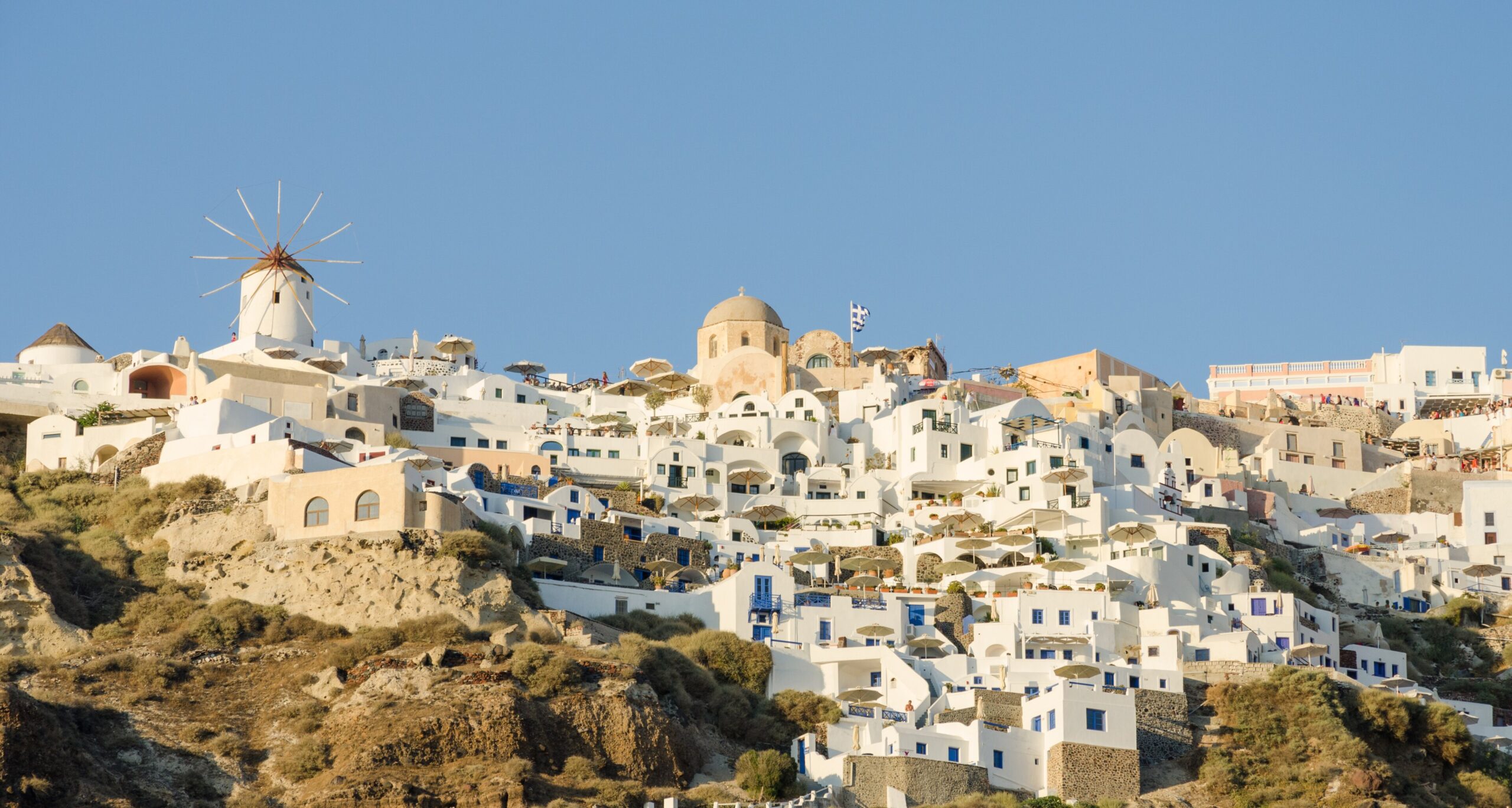
Choose based on your vibe, not popularity. If you want a balanced “do-it-all” base, pick an island with beaches + villages + day trips. If you want maximum depth and variety without hopping, Crete is a whole world on its own. If you want the famous view, do Santorini as a short chapter.
Is Greece expensive?
It depends where and when. Mainland and less-famous islands can be great value, while peak summer on famous islands can get pricey fast. You control costs by choosing shoulder seasons, staying longer in one base, and eating like locals (bakery breakfasts + taverna meals).
Do I need to rent a car in Greece?
Not always. In Athens, you don’t want one. On many islands, a car/scooter can help — but you can also choose an island base with good buses and taxis. For mainland loops (especially Peloponnese), a car gives freedom if you’re comfortable driving.
When is the best time to visit Greece?
Late spring and early autumn are usually the sweet spot: better weather for ruins, warm enough for swimming, and less pressure than peak summer. Summer is incredible for beach time — just plan for heat, crowds, and occasional ferry disruption.
Is Greece safe for tourists?
Generally yes. Use normal big-city awareness in Athens and tourist-heavy zones, and don’t build fragile ferry schedules that leave no buffer. Most “problems” in Greece travel come from rushing and overplanning, not danger.
How do I plan island-hopping without stress?
Pick one anchor island and use day trips. If you do hop, keep hops short and few (think: one move, not five), and avoid same-day “ferry then flight home” plans. Treat ferry days like travel days.
What should I eat in Greece?
Go simple on purpose: Greek salad (when tomatoes are in season), grilled fish, souvlaki, moussaka, tzatziki, fresh bread, olives, and whatever the taverna owner says is “best today.” The “basic” Greek meal is often the most memorable.
Join the conversation
Are you going to Greece for the Acropolis and ancient history — or for island rhythm and long taverna dinners? Share your rough route and what you’re most excited (or nervous) about. And if you’ve got hard-won Greece lessons (best “anchor island” picks, ferry sanity tips, or Athens neighborhood favorites), drop them in — it helps the next traveler do Greece smarter.