GERMANY, ONCE YOU STOP TRYING TO “COLLECT CITIES”
Germany: How It Actually Feels
(And How To Travel It Without Turning Into A Timetable)
Germany is one of those places that looks “easy” on paper — great trains, tidy cities, strong systems. And yes, it can be beautifully smooth. However, the trip goes sideways when people plan it like a sprint: too many bases, zero buffer, and a shocked face when everything is closed on Sunday.
Do Germany with two or three strong bases, build in breathing room, and you’ll get the good stuff: beer-garden afternoons, old towns that feel quietly cinematic, and that satisfying “I’ve got this” calm.

In a Nutshell (60-Second Scan)
If you only read one part, read this. Germany rewards smart bases, realistic buffers, and doing “normal life” moments on purpose.
- Best first move: Pick 2–3 bases. If you move every 2 nights, you’ll pay more and feel less.
- When it “clicks”: The first afternoon you stop rushing and just sit somewhere (beer garden counts).
- Biggest trip-saver: Buffer time on train days. Germany is efficient — and still very human.
- Quiet truth: Sunday is a built-in rest day. If you fight it, you lose.
- Cash reality: Cards are common, but cash still saves you in smaller places. Keep a small stash.
- Local transport hack: The Deutschlandticket is amazing for regional/local transport — but it’s not for ICE/IC long-distance.
- Tipping vibe: Usually rounding up, or ~5–10% for good service. Big US-style tipping can feel odd.
- Classic mistake: “Berlin + Munich + Rhine + Neuschwanstein in 7 days.” That’s a spreadsheet, not a trip.
Germany isn’t meant to be “completed.” Choose a mood (cities / rivers / mountains), then pick bases that make that mood easy.

Germany Is Not Berlin
Berlin is brilliant — messy, creative, loud in the best way — but it is not a shortcut to “understanding Germany.” If you only do Berlin, you’ve done one intense personality, not the whole country.
My greatest 'Aha' moment was when I discovered that Germany is crazy regional. The vibe changes fast: northern ports feel different to the Rhine, Bavaria feels different to Saxony, and the Black Forest is basically its own mood board. The trick is choosing a version of Germany that matches the kind of trip you want.
You will find that each region operates almost like its own mini-country, shaped by centuries of independent duchies, kingdoms, and city-states that only unified in 1871. Hamburg's maritime merchants have little in common with Munich's beer hall traditionalists. I love what the the Rhinelanders are famous for - their relaxed, carnival-loving spirit, while Swabians in the southwest are known for thrift and precision. Even the language shifts — a Bavarian speaking dialect might be incomprehensible to someone from Cologne. This regionalism isn't just cultural trivia; it defines how you'll actually experience the country. The food changes (dumplings and pork knuckle in the south, fish and rye bread in the north), the architecture transforms (half-timbered fairy tales versus red-brick Gothic), and even the pace of life adjusts. A wine village on the Moselle moves to an entirely different rhythm than Frankfurt's financial district. Berlin's energy — the late nights, the experimental edge, the international crowds — is thrilling but atypical. To really know Germany, you need to step outside the capital and let a few of these regional worlds surprise you.Keep Berlin if you love edge and culture. However, add one “quieter Germany” base — that’s where the trip starts to feel complete.
Vibe Check: What Kind of Germany Are You Actually Here For?
Choose your “how I want to feel” first. Germany becomes easy when the plan matches your energy.
City culture & contrast
Museums, nightlife, street food, neighborhoods with personality. Best when you stay put long enough to stop being a visitor and start being a regular.
Think: Berlin, Hamburg, Cologne, Leipzig.
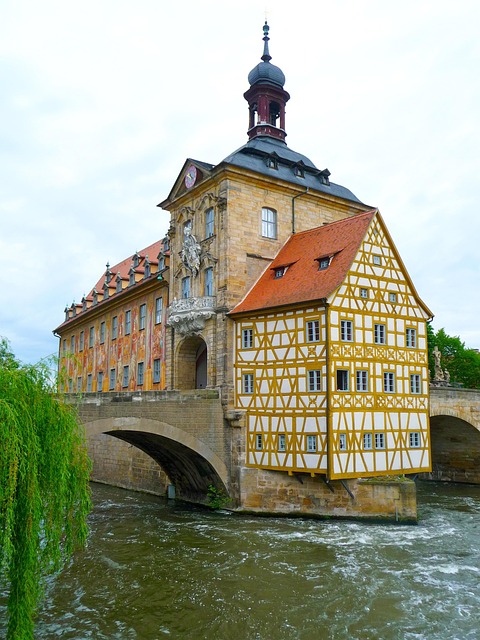
Rivers, wine, old towns
Walkable towns, castles on hills, slow evenings, and day trips that don’t feel like punishment. This is Germany’s “romance without trying too hard” lane.
Think: Rhine / Mosel, Heidelberg, Würzburg, Bamberg.
Mountains, lakes & reset
Fresh air, alpine villages, spa towns, and that satisfying tiredness you get from walking all day. Your nervous system will write you a thank-you note.
Think: Bavaria, Allgäu, Garmisch, Berchtesgaden.
Street Smarts: Small Rules That Save Big Headaches
- Don’t assume “Sunday works like normal.” Shops/supermarkets are usually closed. Plan snacks and basics ahead.
- Cash isn’t dead. Smaller cafés, bakeries, markets, and rural spots may prefer cash. Carry a little.
- Validate tickets when required. Some local tickets must be stamped (“Bitte entwerten”) before you ride.
- Pickpockets exist where tourists bunch up. Stations, crowded trams, Christmas markets, major sights.
- Tipping is lighter. Rounding up is normal; ~5–10% in restaurants for good service is plenty.
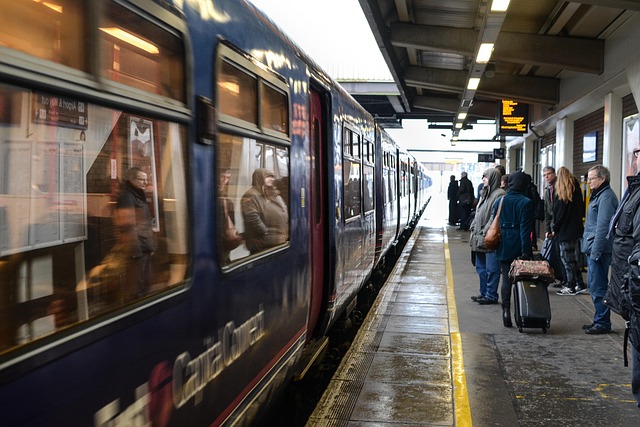
- Train days need buffer. Long-distance punctuality can be rough. Build slack into connections.
I’d treat Sunday like a feature, not a flaw: a slower morning, a long walk, a proper meal, then a cozy early night. Germany does “rest” really well — if you let it.
Logistics Lite
Germany is easy to travel — until you over-complicate it. These basics remove most of the friction.
Entry rules & the 90/180 reality
Germany is in the Schengen Area. For many travelers, that means a maximum short stay of 90 days in any 180-day period. Confirm your situation before booking non-refundable flights.
Visas & entry requirements (site guide)ETIAS timing (don’t panic-plan)
ETIAS is scheduled to start in late 2026. If you’re traveling in 2026 earlier in the year, you still want to check the latest official updates — but you likely don’t need to “solve ETIAS” today.
Getting around (what tickets actually help)
For cities and regional travel, the Deutschlandticket can be excellent value — it’s a monthly pass for local/regional transport. However, it doesn’t cover ICE/IC long-distance trains.
Safety & common sense
Germany is generally safe-feeling, but treat busy stations and tourist hotspots like any major destination: protect your phone, keep bags zipped, and don’t get sloppy in crowds.
Base Plans: 3 Simple Ways To Build A Germany Trip That Works
Pick one. You can always add day trips. The goal is a trip that feels good at 3pm — not one that looks impressive on paper.
Plan A: First-timer classic (10–12 days)
- Base 1: Berlin (4 nights) — culture + neighborhoods
- Base 2: Munich (4 nights) — day trips + Bavaria vibe
- Base 3: Rhine/Mosel or Heidelberg (2–3 nights) — old towns + river calm
Two big anchors + one slower scenic pocket. You get variety without constant travel churn.
Plan B: Cities & character (7–9 days)
- Base 1: Berlin or Hamburg (4–5 nights)
- Base 2: Leipzig or Cologne (3–4 nights)
- Rule: Do fewer “big sights,” more neighborhoods + day-to-day life
If you travel for food, music, street scenes, museums, and evenings that don’t end at 6pm.
Plan C: Reset mode (6–10 days)
- Base 1: Munich (3 nights) — ease-in city comfort
- Base 2: Lakes / Alps pocket (3–6 nights) — walking + slowing down
- Rule: One “main thing” per day, then stop
You come home rested. Wild concept, I know — but it’s a real option.
Costs & Pace: What Actually Moves The Needle
Germany gets expensive when you move fast. You start paying “convenience prices” without noticing: last-minute long-distance trains, prime-location hotels, and constant grab-and-go food because you’re always between places.
- Accommodation: In big cities, location premiums are real. Staying slightly outside the core often saves a lot, with easy transit.
- Transport: Book long-distance legs early when you can — and add buffer because punctuality isn’t guaranteed.
- Food: One proper meal beats endless “small spend” snacks. Bakeries and lunch specials can be very kind to your budget.
- Attractions: Mix paid highlights with free city life (parks, neighborhoods, markets). Germany’s “normal life” is part of the point.
The cheapest Germany is slow Germany. Not boring-slow — just “I’m not packing my bag again tomorrow” slow.

Un-Googleable Germany: The Stuff That Makes You Feel Like You Belong
These are the tiny cultural “doors” that open the trip. None of them are expensive. All of them are memorable.
The bakery ritual
Find a neighborhood bakery and go back more than once. Germany does mornings properly — and that “familiar face” effect kicks in fast.
Beer garden logic
A beer garden isn’t just “a place to drink.” It’s a pace-setting tool. Sit. Eat something simple. Let the day stop being a chase.
Pfand = instant local life
Returning bottles for deposit refunds is normal. It’s oddly satisfying — and it’s a quick reminder you’re in a system-driven country.
The Sunday reset
Lean into the quiet: parks, walks, museums (often open), long lunches. If you plan for it, Sunday becomes your best day.
Germany FAQs
Quick answers to the stuff people actually worry about.
Do I need cash in Germany?
You can use cards a lot, especially in cities. However, cash still saves you in smaller cafés, bakeries, markets, and rural areas. I usually keep a small amount on me so I’m not doing the awkward “do you take card?” dance every time.
Is Sunday really a problem?
Only if you plan badly. Most shops and supermarkets are closed, but restaurants, cafés, and many attractions still work. Treat Sunday like a built-in slow day and it becomes a gift.
Is Germany easy for first-time travelers?
Yes. The biggest trap is over-planning. Pick fewer bases, add buffer time on travel days, and Germany feels calm and capable.
What’s the smartest transport move?
Use local/regional transport confidently (cities are built for it). For long-distance, book important legs early when you can, and avoid tight connections — a little slack keeps you sane.
Join the conversation
Are you planning Germany as a fast highlights trip — or a “choose-two-bases and breathe” trip? Share your draft route, what you’re unsure about, or your best local-life moments. If you’ve got practical advice, help the next traveler out.