SOUTHERN AFRICA LANE
South Africa Travel Guide: Cape Depth, Safari Rhythm, and a Route That Actually Works
South Africa doesn’t travel like one-note destinations. In one trip, you can move from city buzz to mountain-coast drama, from slow wine-country afternoons to unforgettable wildlife mornings.
Since this is home for me, here’s the pattern I trust most: pick one anchor region first (Cape, Kruger, or Garden Route/KZN), then layer in one contrast leg so the journey feels rich, not rushed. The biggest wins come from pacing, not packing. Fewer bases, better recovery days, and a route with breathing space will almost always give you a better South Africa experience.My planning rule here is simple: choose one anchor region first (Cape, Kruger, or Garden Route/KZN), then add one contrast leg.
South Africa rewards route logic over checkbox speed. Do fewer bases, protect recovery days, and your trip feels richer instead of rushed.

In a Nutshell (60-Second Scan)
South Africa works best as one strong base rhythm plus one contrast leg—not a cross-country sprint.
- Best first move: Decide your anchor: Cape, Kruger, or Garden Route/KZN.
- Ideal first trip: 9–14 days for real depth and less transfer fatigue.
- Classic mistake: Stacking Johannesburg, Cape Town, Kruger, and Garden Route too tightly.
- Big win: Keep one buffer half-day after every major transfer leg.
- My rule: Every two heavy days gets one lower-intensity reset block.
South Africa is easy to love and easy to overpack. Route discipline beats ambition every time.
- South Africa uses ZAR and card acceptance is generally strong in major hubs.
- The country has multiple UNESCO-listed sites (12 properties inscribed).
- Weather patterns differ sharply by region, so season planning is route-specific.
- A Cape + safari pairing is often the highest-confidence first-time setup.
- Domestic flights can save time when they reduce long backtracking legs.
- Most travelers from Western countries, including US, UK, EU, Canada, and Australia, receive a 90-day visa-free entry stamp on arrival.
- Electrical outlets use Type M (15A, three large round pins) and Type D plugs at 230V—adapters are essential and not the same as European plugs.
- Malaria prophylaxis is recommended only for low-lying safari areas (Kruger lowveld, northern KwaZulu-Natal) and is typically unnecessary for Cape Town, Garden Route, and Johannesburg.
- Tap water is safe to drink in major cities, though bottled water is often preferred in remote areas.
- Private transport (rental car or driver) is strongly recommended; public transport infrastructure is limited outside major city centers and safety can be a concern.
- Crime exists in certain areas, particularly in city centers after dark—standard precautions include avoiding displaying valuables, staying in well-traveled areas, and using registered taxis or ride-hailing apps.
- Tipping is customary: 10-15% in restaurants, ZAR 20-50 for porters, and ZAR 50-100+ per person per day for safari guides and trackers.
60-Second Fit Check
- Ideal style: Scenic diversity + food + wildlife contrast.
- Energy level: Medium to high (depending on transfer density).
- First-timer friendly: Yes, if you keep your base strategy clear.
- Budget vibe: Wide range—biggest swings come from transport + lodging choices.
- Transport spine: CPT/JNB + one secondary hub, not constant repacking.
- Best for: Self-drive enthusiasts, safari lovers, wine country explorers, and beach-to-bush itineraries.
- Pairing potential: Combines well with Victoria Falls, Botswana's Okavango Delta, or Mozambique beaches for extended Southern Africa trips.
- Cultural depth: Rich history (Apartheid Museum, Robben Island), vibrant townships, and diverse culinary scenes offer meaningful immersion beyond nature.
- Best for: Self-drive enthusiasts, safari lovers, wine country explorers, and beach-to-bush itineraries.
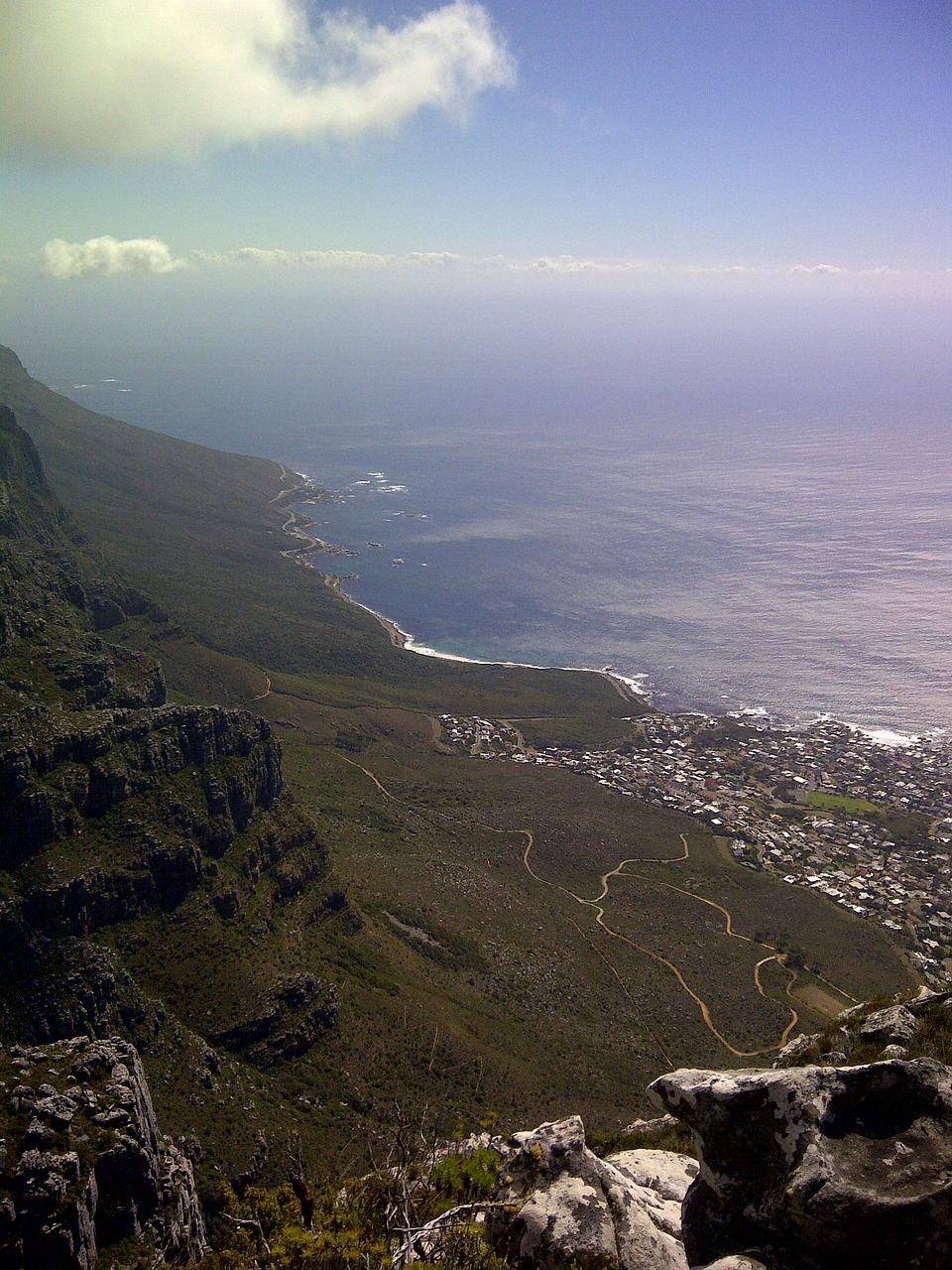
The South Africa That Clicks: One Anchor + One Contrast
The highest-confidence structure is: one anchor region + one contrast leg. That gives you range without turning the trip into a transit project.
Example: Cape Town + Winelands depth, then a Kruger block. Or Garden Route flow with a short city finish if you want movement without chaos.
My blunt take: South Africa is not a one-week checklist destination. It’s a depth destination with huge payoff when your pacing is human.
Day 1–4 anchor region, Day 5 buffer, Day 6–9 contrast leg, Day 10+ optional add-on.

Vibe Check: Which South Africa Are You Here For?
Pick your dominant rhythm first. Everything else gets clearer.
Cape Town + Winelands
City-nature contrast, design and food energy, mountain viewpoints, and flexible day pacing.
Kruger + Panorama Route
Early wildlife windows, landscape depth, structured game-drive days, and fewer urban logistics.
Garden Route + Coast/KZN
Road-trip movement, ocean resets, hikes and viewpoints, with a calmer long-form travel feel.
South Africa in Four Seasons (Text + Icons)
No image placeholder here by design—clean planning and fast scanability.
Dec–Feb (Summer)
Best for: Cape and coast energy, beach time, and long daylight windows.
Mar–May (Shoulder)
Best for: balanced weather, easier pacing, and strong value in many regions.
Jun–Aug (Winter)
Best for: safari visibility in many inland zones and cooler travel days.
Sep–Nov (Spring)
Best for: shoulder-season rhythm, mixed-region routes, and fewer bottlenecks.
South Africa’s weather is region-specific. Check your exact route zones, not just one city forecast.
Rob’s Pointers: One Food Memory + One Activity Memory
Anchor one taste and one movement moment so the trip feels vivid and grounded.
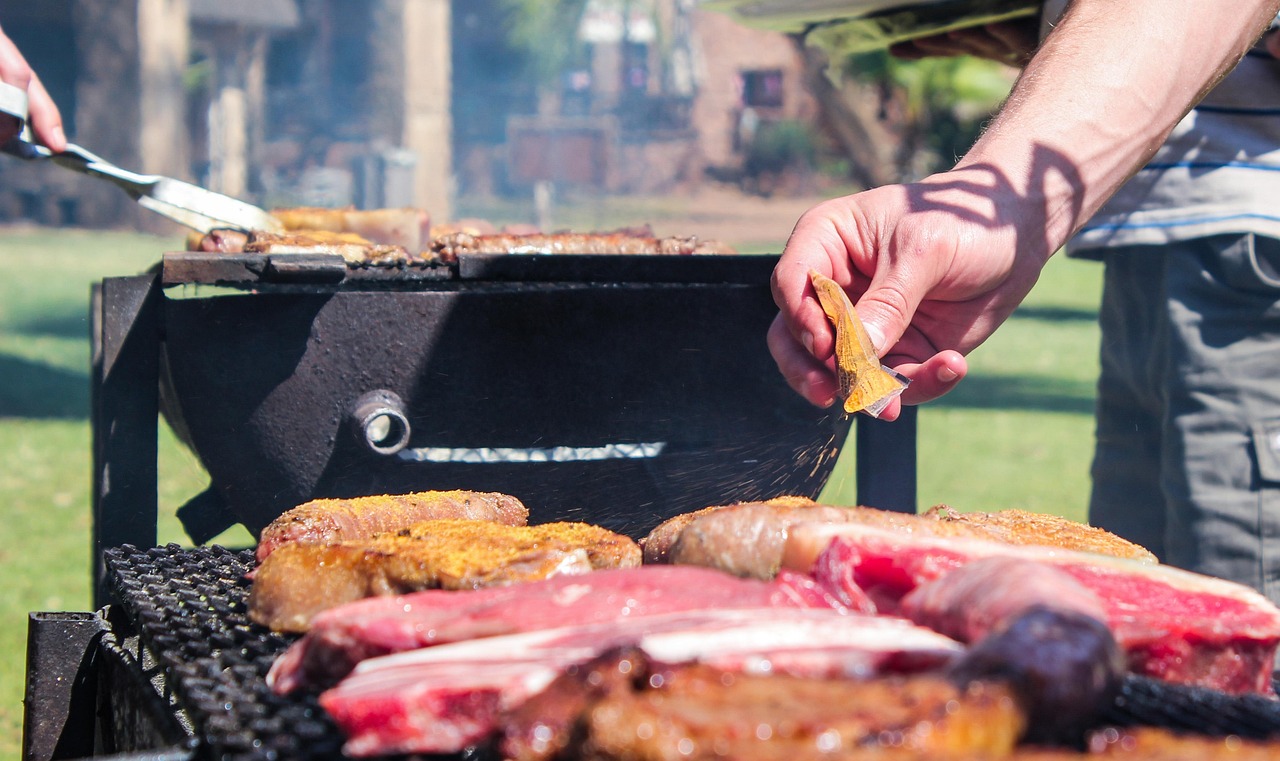
Food pick: one intentional braai or Cape Malay dinner
Choose one evening where the meal is the main event. South Africa’s food culture rewards unhurried tables and conversation time.
Activity pick: sunrise wildlife or ocean-cliff walk
Commit to one genuinely early start—either for game viewing or a coastal trail. Light and atmosphere change the experience completely.
One standout meal plus one early movement block gives your trip emotional structure without overload.
Safety: Suggestions, Warnings, and Street-Smart Habits
Most stress drops fast when you run a clear safety baseline from day one.
Smart habits
- Use established operators and accommodation with recent, credible reviews.
- Keep valuables low-visibility in busy urban zones and transport nodes.
- Pre-book evening transfers when arriving late.
- Keep a backup card and split-cash setup in separate storage points.
- Share intercity movement plans with one trusted contact.
Warnings worth respecting
- Petty theft and opportunistic crime can occur in tourist-heavy areas.
- Night walks in unfamiliar zones are often not worth the risk.
- Car break-ins happen—never leave visible gear in parked vehicles.
- Trail and viewpoint timing matters; avoid isolated areas too late in the day.
- Check local updates around demonstrations, disruptions, or extreme weather.
In South Africa, confidence plus preparation beats both paranoia and complacency.
Official checks before departure
Solo travelers: confidence plan
- Book first nights in a central, well-rated base.
- Do a daylight orientation loop before exploring further out.
- Use licensed guides/drivers for early or late transport legs.
- Trust your instincts and reset quickly if a setup feels off.
Logistics Lite
Set these once and South Africa gets dramatically easier to run.
Entry + visa rhythm
Entry rules vary by passport and can change. Confirm official requirements before non-refundable bookings.
Route backbone
Use one operational base at a time (Cape, Gauteng/Johannesburg, or safari gateway) and avoid constant repacking.
Money + payments
South Africa uses ZAR. Card acceptance is broad in major areas, but cash still helps for smaller or edge-case spend.
- Carry modest small notes for daily flexibility.
- Split cards/cash across two storage points.
- Track ATM and FX fees so your budget stays honest.
Connectivity + maps
- Download offline maps before long-drive days.
- Pin each overnight stop and key fuel/food points.
- Keep digital copies of key documents accessible offline.
African Region Currencies (Quick Reference)
Useful if your South Africa route extends across multiple Africa lanes. South Africa itself uses ZAR.
North Africa
Common lane codes: MAD, DZD, TND, LYD, EGP
- Planning tip: Exchange by segment, not all at once.
West Africa
Shared bloc: XOF (plus NGN, GHS, GNF and others)
- Planning tip: Card reliability can vary sharply by city and country.
Central Africa
Shared bloc: XAF (plus CDF, AOA, STN)
- Planning tip: In remote legs, cash backup matters more than usual.
East Africa
Common lane codes: KES, TZS, UGX, RWF, ETB
- Planning tip: Mobile money strength differs by country.
Southern Africa
Regional anchors: ZAR, BWP, NAD, LSL, SZL, MZN, ZMW
- Planning tip: Southern lane routing is smoother when currency planning is done before borders.
If you are crossing lanes, plan currency like transport: by route segment, not by guesswork on the day.
Base Plans: 3 South Africa Structures That Work
Plan A: Cape Depth Core
- Cape Town base + peninsula days + Winelands loop.
- High visual payoff with manageable logistics.
- Strong first-time setup for mixed travel styles.
Plan B: Kruger + Panorama Route
- Wildlife anchor with one scenic-drive contrast.
- Excellent for travelers who prefer nature over city density.
- Best results when transfer days are protected.
Plan C: Cape + Garden Route Flow
- Road-trip rhythm with ocean and mountain texture.
- Great for couples/friends and medium-energy pacing.
- Works best with strategic overnight spacing.
Costs: What Actually Moves the Budget in South Africa
Where people overspend
- One-way route design with expensive repositioning.
- Too many one-night stops on long drive corridors.
- Last-minute domestic flights and peak-date bookings.
- Stacking premium stays without recovery value days.
- Ignoring parking/toll/fuel realities on road-trip legs.
How to keep it sane (USD-first mindset)
- Set a daily USD target and track local spend in ZAR.
- Book the highest-impact segments first, then fill around them.
- Choose one premium splurge, not multiple rushed add-ons.
- Protect one lower-cost reset block every 2–3 active days.
South Africa can deliver excellent value when your route is coherent and your transfer logic is early.
Un-Googleable South Africa: Small Moves, Big Difference
Build one weather-flex day in Cape
That single buffer saves your top viewpoints from wind/cloud disappointment.
Treat drive days as full work
South African route distances can look short on maps and feel long in practice.
Keep one backup base in mind
If weather or logistics shift, you stay decisive instead of reactive.
Anchor one local meal moment
It often becomes a stronger memory than one extra rushed attraction.
Gap Analysis: Is South Africa Right for Your Travel Style?
You’ll love it if…
- You want high contrast: city, coast, mountains, and wildlife in one country.
- You enjoy structured freedom rather than full improv travel.
- You value depth over sheer checklist volume.
- You can balance active days with intentional recovery blocks.
Plan around it if…
- You dislike transfer planning and route discipline.
- You prefer ultra-static, single-base city breaks only.
- You want to do every major region in one short trip.
South Africa rewards travelers who commit to one clear route and give it enough breathing room.
South Africa FAQs
Short answers to the planning questions people ask most.
How many days do I need for South Africa?
Nine to fourteen days is a strong first range for depth without forcing the pace.
Can I combine Cape Town and safari in one trip?
Yes—this is one of the best combinations if you keep transfer legs clean and realistic.
Do I need a rental car?
Sometimes. It’s excellent for road-route freedom, but city + guided combos can also work well.
Is South Africa good for a first Africa trip?
Yes. With a clear route and practical safety habits, it can be a very rewarding first Africa destination.
What should I verify right before departure?
Verify entry rules, advisories, travel health guidance, and all major transport confirmations.
Join the conversation
Are you building South Africa around Cape depth, safari rhythm, or a road-trip flow? Share your route idea and what still feels unclear so other travelers can sharpen their plans too.