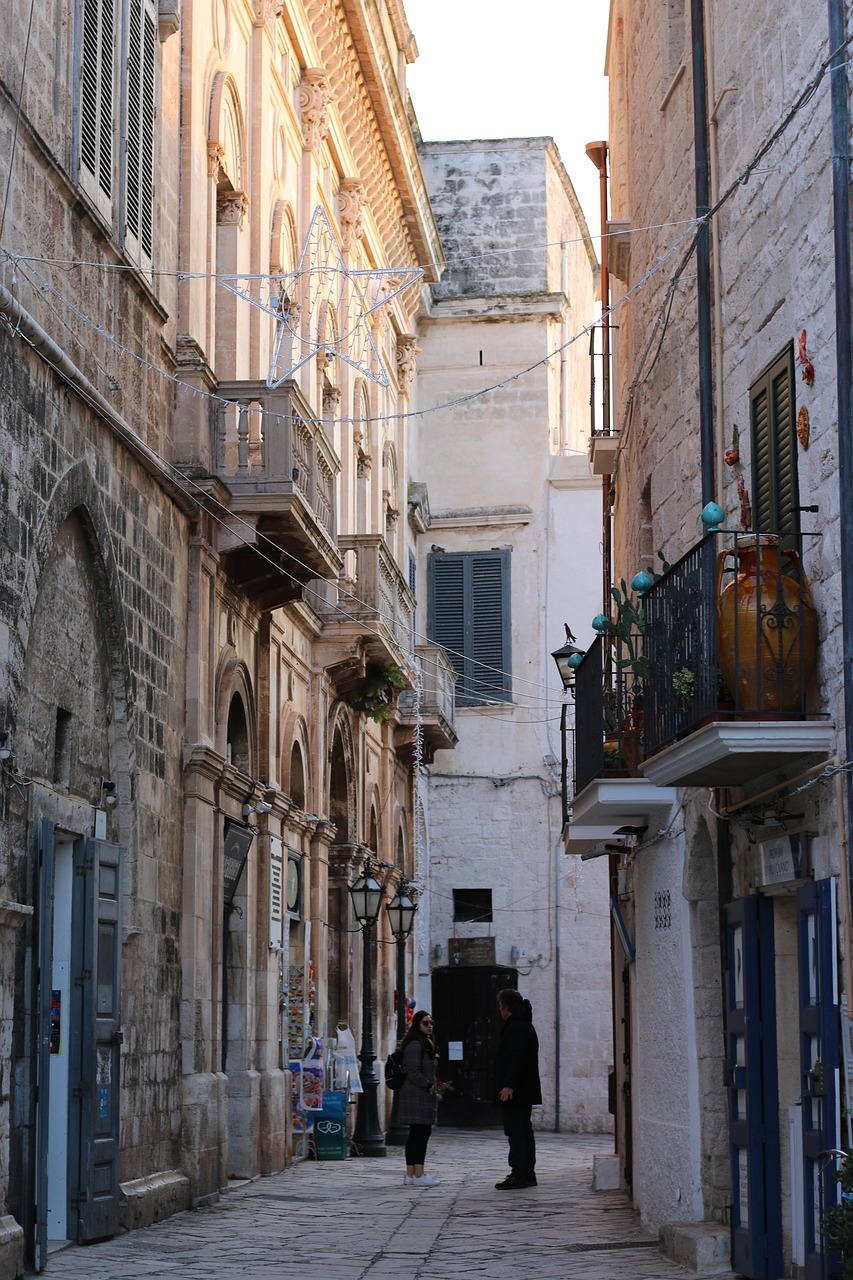
ITALY, WHEN YOU PLAN FOR HOW YOU WANT YOUR DAYS TO FEEL
Italy: How To Travel It Without Turning Into
A Human Itinerary
Italy can be the best trip of your life… or a beautiful blur where you’re always dragging a bag to the next “must-see.” The difference is almost never your taste — it’s your pacing.
My simple Italy rule is this: choose 1–2 regions, build repeatable days, and let the country’s daily rituals do some of the work — morning espresso, a proper lunch window, and that evening passeggiata energy that makes you feel like you belong. When you travel Italy like a rhythm (not a race), it stops feeling like a checklist and starts feeling like a life.
In a Nutshell (60-Second Scan)
If you only read one part, read this. Italy becomes easier the moment you stop trying to “win” it in a week.
- Best first move: Pick 1–2 regions and choose bases that let you repeat a day without guilt.
- When it “clicks”: The first evening you do the passeggiata (a slow walk) with gelato and zero agenda.
- Biggest trip-saver: Book long-haul trains early and stop doing “one-night stands” in every town.
- Money truth: Italy uses the euro (EUR). Keep a small cash buffer for tiny purchases.
- Energy reality: Summer heat is real — plan your day with a quiet midday window and you’ll feel like a genius.
- Classic mistake: Stacking the biggest sights back-to-back, then wondering why you feel grumpy in paradise.
Italy rewards a simple formula: one “anchor” thing (museum / hike / big sight), then unstructured beauty (market, long lunch, neighborhood wandering).
60-Second Fit Check
- Ideal trip length: 7–12 days (sweet spot), 12–16 if you add a south or island leg properly.
- Best energy level: Medium (with a deliberate midday pause).
- First-timer friendly: Yes — especially if you lean on trains and keep base moves minimal.
- Budget vibe: Shoestring to treat-yourself depending on season and cities — Italy’s “cost lever” is where + when.
- My simple rule: If you’re changing hotels every day, you’re paying extra to be tired.
The most memorable Italy moments are usually not the famous ones — they’re the ordinary rituals done in an extraordinary place.
The Italy That Clicks: Emilia-Romagna’s “Everyday Wow” (Markets, Arcades, and Slow Evenings)
If you want an Italy that feels lived-in instead of performed, point yourself toward Emilia-Romagna. It’s the kind of place where a “normal” Tuesday can beat a headline day — because the joy is baked into the routine.
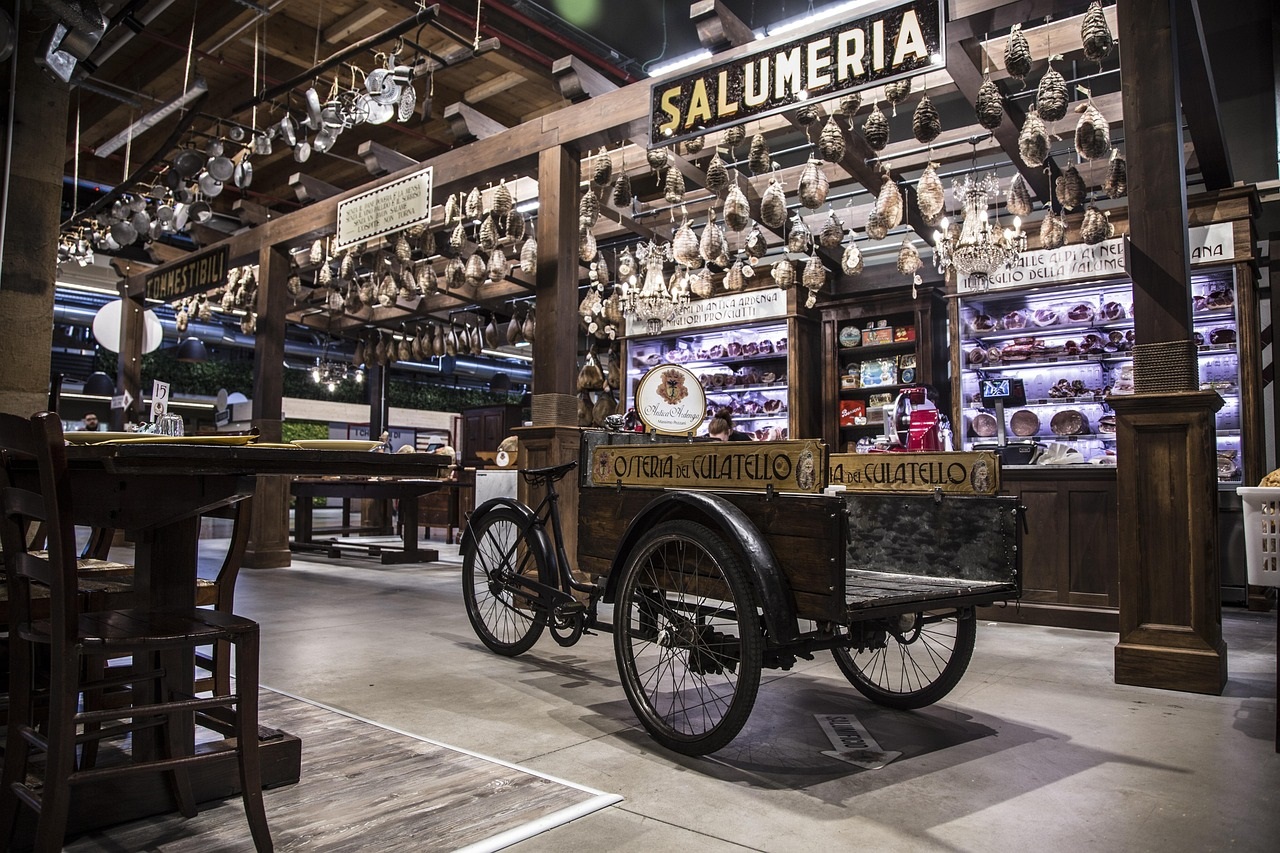
Here’s what I love about it: you can build a trip that’s both easy and deep. Morning market loops. Long lunches that turn into conversations. Covered walkways that keep you moving even when it rains or when the sun is doing that dramatic summer thing. It’s Italy with less pressure — and more actual life.
I’d base somewhere walkable (so I’m not negotiating traffic every day), do one “anchor” sight in the morning, then keep afternoons light: food halls, bookstores, little churches you stumble into by accident, and a slow aperitivo.
Vibe Check: What Kind of Italy Are You Actually Here For?
Decide how you want your days to feel first. Italy is a mood machine — but only if you stop over-planning it.
Art + history (with café recovery baked in)
You want museums, ruins, frescoes, cathedrals — the big cultural hit. The win is building your day like a wave: intense morning, gentle afternoon, strong evening.
Plan like: one big sight + one slow neighborhood per day.
Coast + islands (salt air, light plans)
You want swim breaks, boat days, and that “I’ve forgotten what day it is” feeling. Italy does coastal rhythm beautifully — if you don’t keep relocating.
Plan like: stay put, day-trip by ferry/train, nap without guilt.
Mountains + lakes (clean air, quiet power)
You want hikes, alpine towns, lake promenades, and calmer nights. This is where Italy feels surprisingly restorative — especially in shoulder seasons.
Plan like: 2 bases max, and don’t chase every viewpoint.
Street Smarts: Small Rules That Save Big Stress
- ZTL zones are not a joke. Many historic centers have restricted traffic areas (often camera enforced). Accidentally driving in can mean fines later.
- Validate what needs validating. Some local tickets must be validated (or “activated”) before use — check the rules for your route.
- Shoulder-to-shoulder = pickpocket territory. Stations and crowded attractions are where you switch to “hands-on bag” mode.
- Dress codes exist. Churches and certain sites may require covered shoulders/knees — pack one light layer and stop thinking about it.
- Service rhythm is different. Lunch can be earlier, dinner later, and “quick” isn’t always the goal. Build time for it and you’ll enjoy it more.
- August has its own logic. Ferragosto (15 August) is a major holiday, and parts of the country slow down or close around it.
I’d plan one priority each morning, then protect my afternoon like a meeting: shower, slow snack, reset. Italy nights are where the “magic” hides — you want energy left for them.
Logistics Lite
Italy is easy once you handle the modern basics up front: entry rules, border updates, money, power, and “how to move.”
Entry rules & the 90/180 reality
Italy is in the Schengen Area. For many travelers, that means the familiar 90 days in any 180-day period short-stay limit across Schengen. Confirm your personal rules before you lock in a longer Europe route.
Visas & entry requirements (site guide)Border tech changes (EES / ETIAS)
The EU’s new Entry/Exit System (EES) and the upcoming ETIAS travel authorisation can change border processing. Translation: allow a little extra buffer time on busy arrival days — and check official updates close to departure.
Money (EUR) & payment reality
Italy uses the euro (EUR). Cards are widely accepted in tourist areas, but a small cash backup helps for tiny purchases, quick cafés, and situations where the machine is “mysteriously asleep.”
Power + emergencies + the “save this now” list
Italy runs on 230V / 50Hz. You’ll commonly see Type C, Type F, and Type L sockets — pack a travel adapter that covers those.
- General emergency (EU standard): 112
- Medical (legacy in many areas): 118
- Fire (legacy): 115
- Police (legacy): 113
Getting around: train-first (most trips), car-only (some trips)
Italy’s intercity trains are a superpower — especially on high-speed routes where you can travel far without losing a day. Meanwhile, cars shine in rural areas, hilltown routes, and certain coastal stretches (with parking and traffic sanity built in).
If you plan to drive, confirm whether you need an International Driving Permit (IDP) based on your license country. (For example, U.S. travelers are commonly advised to carry one in Italy.)
Base Plans: 3 Simple Ways To Build An Italy Trip That Still Feels Good at 3pm
Pick one. You can sprinkle day trips later — the goal is a trip where you’re not constantly packing, paying, and recovering.
Plan A: First-timer classic (8–12 days)
- Base 1: A culture hub (4–6 nights) with easy day trips.
- Base 2: A second region with a different rhythm (4–6 nights).
- Rule: Every “big day” gets a “light day” after it.
You get variety without turning every morning into a relocation project.
Plan B: North = lakes + mountains + calm cities (7–11 days)
- Base 1: A lake or alpine edge (3–5 nights) for walks, views, and breathing space.
- Base 2: A city-with-rhythm base (3–6 nights) where evenings feel social, not frantic.
- Rule: Don’t rent a car “just because” — rent it only when it actually unlocks your days.
If you want Italy to feel restorative, this is the easiest lane to keep light.
Plan C: South energy (10–14 days)
- Base 1: One southern anchor (4–6 nights) with a strong food and street-life scene.
- Base 2: One “slow coast / countryside” base (4–8 nights) where you stop chasing and start settling.
- Rule: You’re allowed to repeat the same beach, café, and evening walk. That’s the point.
You come home with stories — not just screenshots.
Costs & Pace: What Actually Moves The Needle in Italy
Italy can be surprisingly affordable… until your plan becomes a constant series of convenience decisions: last-minute trains, taxis because you’re late, overpriced “I’m starving” meals, and hotels booked too close to peak season.
- Base count: Fewer bases = fewer transfers = fewer “oops” costs (and less lost time).
- Season: Shoulder seasons often deliver better prices and better vibes.
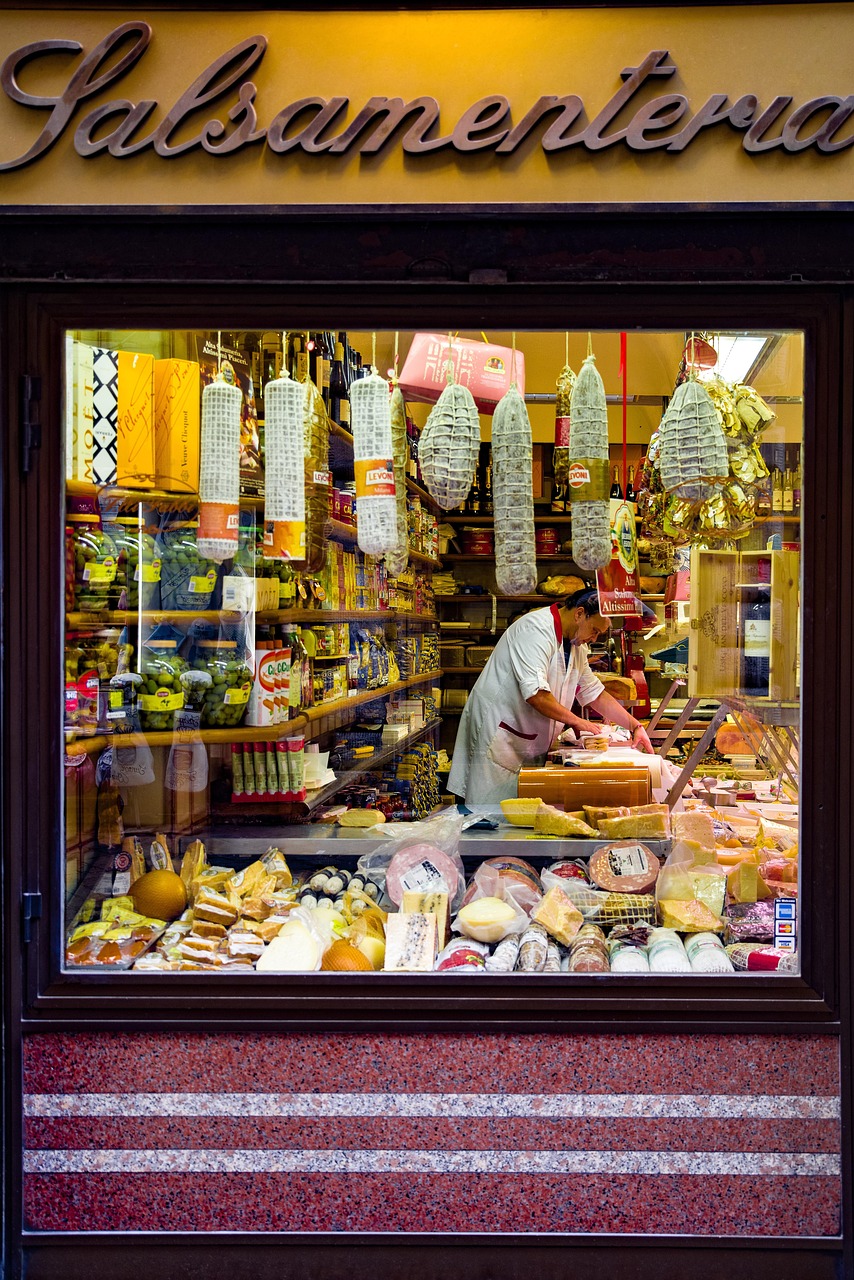
- Food strategy: One proper sit-down meal beats endless snack spending. Markets + simple picnics are elite Italy.
- Transport: High-speed routes reward early booking; short hops are easy but add up if you do them daily.
- Sights: Pre-book the truly popular ones, then balance with free beauty (churches, viewpoints, neighborhoods, waterfront walks).
Italy isn’t expensive because it’s Italy. It gets expensive when your schedule forces you to buy speed. Your plan is your budget.
🇮🇹 Italy Daily Rhythm Comparison
How your pace shapes your day (and your spend)
Prices are illustrative (EUR) to show the relationship between pace and spend — not a quote.
Un-Googleable Italy: Tiny Choices That Change The Whole Trip
These aren’t “hidden gems.” They’re the small behaviors that make you feel like you’re in Italy — not just visiting it.
Order coffee like it’s normal
Do the simple thing: step into a bar, order quickly, drink standing, move on. It’s not about rules — it’s about joining the daily flow for 90 seconds.
Pick one neighborhood and “belong” there
Same bakery, same corner shop, same evening route. Repetition turns a trip into a place you actually remember.
Use aperitivo as your reset button
Aperitivo isn’t just drinks — it’s a pause. You stop, snack, decompress, and suddenly the evening feels open again.
Do one “ordinary” thing daily
A market loop. A park bench. A bookshop. A long lunch. Ordinary Italy is where the joy hides — and it’s often cheaper than the big sights.
Gap Analysis: Is Italy Right For Your Kind Of Trip?
Italy is brilliant — and it’s not one-size-fits-all. Here’s the honest part (with fixes, not judgement).
You’ll love it if…
- You enjoy walking cities and spontaneous stops.
- Food is a core part of the trip (not an afterthought).
- You like history, art, landscapes, and the feeling of “layers.”
- You’re happy doing less per day — but doing it properly.
- You can relax into a different pace without fighting it.
Plan around it if…
- You hate crowds (solution: shoulder season + smaller bases + early mornings).
- You melt in heat (solution: coastal/mountain legs + midday pause + avoid peak August timing).
- You need constant novelty (solution: pick 2 regions with different vibes instead of 6 cities).
The best Italy trips aren’t the busiest ones. They’re the ones where you still have room to notice things.
Italy FAQs
Quick answers to the stuff people actually worry about.
Do I need a car in Italy?
Not for most classic routes. Trains handle major corridors brilliantly. Consider a car only when it clearly unlocks rural days — and learn ZTL rules first so you don’t pay for “oops.”
What’s the best time to visit Italy?
Shoulder seasons are often the sweet spot: good weather, fewer crowds, and less “peak pricing.” Summer can be fantastic — but plan for heat and the Ferragosto slowdown around 15 August.
What plug adapter do I need in Italy?
Italy is 230V/50Hz and you’ll commonly see Type C, F, and L sockets. A travel adapter that supports Type L (plus C/F) keeps you covered.
What emergency number should I save?
Save 112 (general emergency). In many places you may also see legacy numbers like 118 (medical), 115 (fire), and 113 (police).
How many bases should I choose?
Two bases is the sweet spot for most 7–12 day trips. Three can work if you’re traveling longer. More than that and you risk turning Italy into a suitcase workout.
Join the conversation
Are you planning Italy for art-and-history days, coastal slow time, or a mountain-and-lakes reset? Share your draft route and what you’re unsure about — and if you’ve got practical, real-world tips, help the next traveler build a smarter (and calmer) Italy trip.