Nature Destinations: Big Scenery, Sensible Plans
Nature destinations should match your energy, experience, and travel time. Choose whether you want wildlife, day walks, a scenic road trip, or a more demanding outdoor journey. New Zealand, Iceland, South Africa, and Namibia are useful starting points. Then check the specific route, local conditions, access, and the amount of driving involved.
By Rob Wheatley – Program Director & traveler
Reviewed 25 October 2026
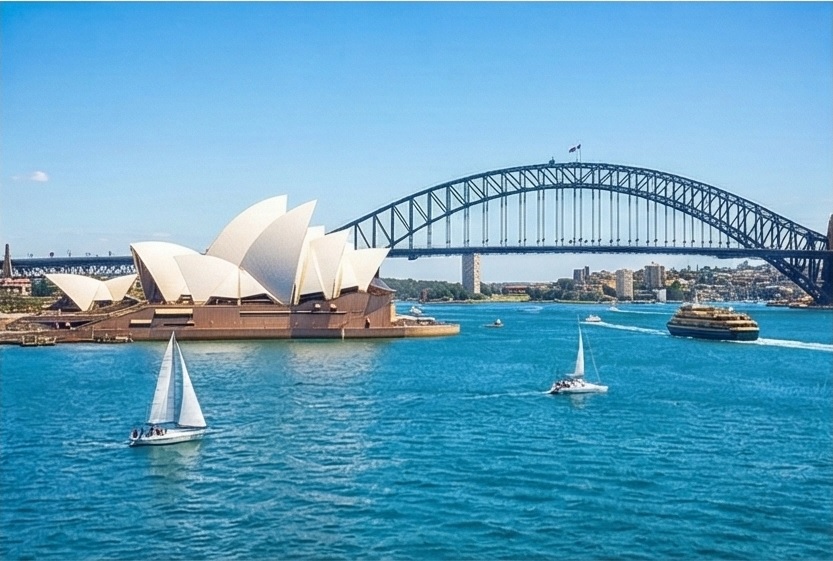
You do not have to climb something distressingly steep to qualify as a nature traveler. Sometimes the finest outdoor decision is to find a good view and sit in front of it. The important part is choosing scenery you can enjoy, rather than an itinerary you must survive.
Choose the experience, then the landscape
Wildlife watching, easy coastal walks, alpine hiking, and long scenic drives all belong under “nature.” However, they ask different things of you. Start with the kind of day you want, including how much walking and driving feels comfortable.
Then compare the route rather than the national highlight reel. A destination may have an easy boardwalk and a demanding mountain trail in the same brochure. Check distance, elevation, surface, access, and the way back before choosing your adventure.
New Zealand: a few bases with time outside
The New Zealand guide is a useful starting point for scenery and walking. For a shorter visit, choose one island and a connected route. Leave room to change plans if weather or track conditions make the original idea unsuitable.
Use the Department of Conservation’s preparation guidance for the actual walks you intend to do. Check current alerts and choose equipment for the route. A famous view does not make a walk easy, and a short distance does not remove weather exposure.
Iceland: simplify the route before adding kilometres
Consider Iceland if landscapes are the centre of the holiday. I would start with a manageable regional trip, especially if you have limited time or limited experience of the conditions.
Official visitor guidance stresses changeable weather and the importance of checking roads and travel alerts. Plan each driving day with stops and delays in mind. If you need specialist access, choose a suitable guided activity rather than assuming a rental car solves the problem.
South Africa or Namibia: decide how you want to move
South Africa offers a starting point for a wildlife-and-city combination. Compare self-drive park travel with a hosted lodge arrangement, then consider the distances and transfers that connect it to the rest of your trip.
For Namibia, give the route itself serious attention. Check road conditions, vehicle requirements, fuel planning, and realistic driving days before choosing remote stays. If the planning feels outside your comfort zone, a suitable organized journey may give you more time to enjoy the place.
Before you book an outdoor trip
- Choose routes that fit the least confident or least mobile person traveling.
- Check permits, closures, current weather, and the exact access arrangements.
- Leave a weather day and an easier alternative.
- Confirm communication, transport, and emergency arrangements for remote activities.
Use the South Africa starter itinerary for one manageable wildlife route. For timing, compare the July–September guide with the January–March alternatives. Different seasons open different kinds of trip.
Yes. Choose accessible viewpoints, suitable short walks, guided wildlife outings, or a scenic base. Confirm the actual access rather than relying on a general description.
A guide can help with interpretation, access, and activities beyond your experience. Compare the itinerary, qualifications where relevant, group size, and physical expectations before booking.
Official sources and planning checks
Which version of this trip would you choose?
Tell me what appeals to you, what you would change, and the practical question you still need answered. Your dates, pace, and interests matter more than copying somebody else’s itinerary.
Keep exploring
Want a structured way to plan?
The World Travel Course is a separate learning path. Explore it when you want to work through your plans in more depth.