Home › Destinations › South America › Chile
SOUTH AMERICA · SOUTHERN CONE
Chile Travel Guide: One Long Country, One Good Route
This Chile travel guide helps you choose between Santiago, Atacama, the lakes and Patagonia, then build a route with room to enjoy the places you came to see.
My starting rule: choose the landscape first. Then find the flights, bases and breathing room that make the trip work.
By Rob Wheatley · Spanish · CLP (Chilean peso)
Need the Gist? A 60-Second Chile Scan
This Chile travel guide starts with a simple choice: what do you most want to see? Desert, city life and Patagonia all sound wonderful. However, collecting them in one short trip can make the airport your most familiar attraction.
The short version
- My suggested first visit: 10–14 days for Santiago and one contrasting region.
- Language: Spanish; a little preparation makes daily travel easier.
- Currency: Chilean peso, CLP. Confirm the currency on every major quote.
- Biggest trap: treating a long country as a short road trip.
- Before booking: check entry rules, domestic connections and the season for your main activity.
The honest fit check
Chile suits travellers who enjoy striking landscapes and can give the journey a little structure. Nevertheless, remote stays, guided excursions and repeated flights can stretch the budget.
My first move would be to choose one landscape that really matters. Then I would build around it, leaving enough time to enjoy the place after getting there.
The Chile That Clicks: Choose North or South
A desert-focused trip
Start with Santiago, then consider San Pedro de Atacama for desert landscapes and carefully chosen excursions. However, compare the altitude of each outing rather than treating every tour as equally easy.
Next, decide how much you want to pre-book. Some structure helps, but an overloaded excursion timetable leaves little room to rest or respond to conditions.
A southern-focused trip
Choose a southern base around your actual activities. A Torres del Paine walking holiday needs different preparation from a lake stay or a scenic driving trip.
Then work backwards from the accommodation and transport you can book. A beautiful itinerary is only useful if the connections and overnight stops exist for your dates.
My rule: one main region first, then the city time and travel buffers. For comparison with a neighbouring country, see the Argentina travel guide.
The Major Destinations
Use these as starting points. The stay lengths are my planning suggestions, so adjust them around your interests, fitness and transport connections.
Santiago: more than a flight connection
Give the capital time for neighbourhood walks, food, museums and viewpoints. However, group your days geographically rather than repeatedly crossing the city.
I would allow: three or four nights, with arrival recovery included. Choose your street and evening transport carefully. For my personal Santiago detour, read Travel Roulette.
Valparaíso and the central coast
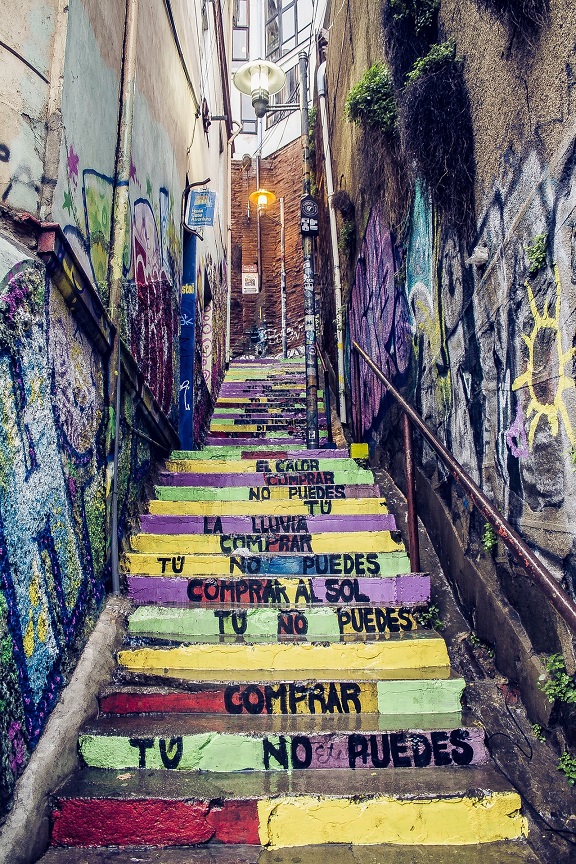
Choose Valparaíso if hillside streets, port history and urban character appeal. Yet steep ground and uneven surfaces deserve thought if mobility or walking stamina affects your plans.
I would allow: two nights if you want to stay, rather than treating it as another rushed stop. Ask locally about the route you intend to walk and arrange dependable transport after dark.
San Pedro de Atacama: plan each excursion
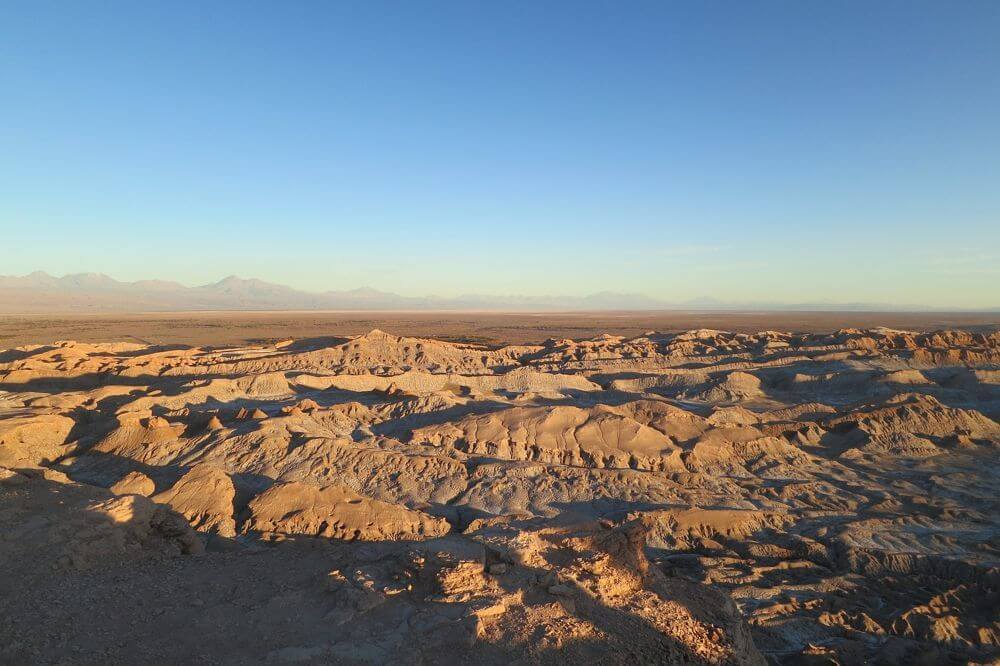
San Pedro is a base for desert outings, with Calama commonly used for airport access. However, the journey from airport to accommodation still needs arranging.
I would allow: four or five nights. Keep arrival day gentle and ask operators about altitude, road time and physical demands. Start with Chile Travel’s San Pedro guide.
The Lake District: a different kind of south
Consider the Lake District if you want a regional stay with scenery and a gentler pace. Then choose a base that fits your excursions, rather than assuming every lake and town makes an easy day trip.
I would allow: four to six nights for a focused visit. Also compare a car-based plan with guided outings once fuel, parking and rental conditions enter the budget.
Puerto Natales and Torres del Paine
Puerto Natales is a gateway for Torres del Paine, while stays inside the park serve different routes and budgets. A day visit and a multi-day trek are separate planning decisions.
I would allow: five to seven nights for a focused southern chapter. Check CONAF’s official park information before paying for transport or accommodation.
Rapa Nui: give it its own planning space
Rapa Nui is a separate island journey, with additional entry conditions and archaeological-site rules. Avoid adding it casually to a short mainland itinerary.
I would allow: four or five nights as a starting point, depending on flights and interests. Then verify the required forms, eligible accommodation, park ticket and guide arrangements through the official entry guidance.
Vibe Check: Which Chile Suits You?
Cities, food and shorter journeys
Keep the emphasis on Santiago and central Chile if you want variety without several domestic flights. Then choose a small number of excursions that genuinely interest you.
However, do not assume a city-based trip requires no preparation. The location of your accommodation and your evening transport still matter.
Desert or mountain days
Choose Atacama or Patagonia if a specific landscape is your reason for travelling. Next, match the activities to your health, fitness and tolerance for early starts.
If long walks are not your pleasure, ask about scenic drives and shorter outings. The right trip should suit the traveller, not the photograph.
Four Seasons, More Than One Climate
Chile’s seasons run opposite to those in the United States. Nevertheless, a national “best month” will not tell you enough about a high-altitude excursion and a southern trail.
Summer: December–February
Consider a southern outdoor trip, while checking conditions and availability for each activity. However, summer in the north can also bring high-altitude rain and disruption. Desert does not mean weather never matters.
Autumn: March–May
Consider a central-Chile stay or a region whose activities suit your dates. Then check southern operating calendars carefully, rather than assuming the summer programme continues unchanged.
Winter: June–August
Think about city time, a specific snow holiday or a northern trip planned around cold nights and excursion conditions. Conversely, a winter southern journey needs its own itinerary and realistic expectations.
Spring: September–November
Consider a central stay or a southern trip after checking local access. Also leave room for unsettled weather: a promising forecast is useful guidance, not a contract.
For the north, read Chile Travel’s Atacama seasonal advice. Then check local forecasts close to departure.
Daily Rhythm: City Time and Landscape Time
A Santiago day
Morning: one neighbourhood and a café stop. Afternoon: a museum or viewpoint, with time for lunch. Evening: dinner and a planned journey back.
Instead of collecting districts, leave space to enjoy the one you are in. Also keep the first day lighter after a long flight.
An outdoor day
Morning: check conditions and confirm the day’s plan. Afternoon: keep enough margin for the return journey. Evening: prepare for tomorrow without sacrificing rest.
Meanwhile, protect one flexible day around the activity that matters most. Weather can move an excursion more easily than a prepaid flight.
Rob’s Tips: A Snack and a Better Day Out
Food: sopaipillas pasadas, Chilean comfort by the spoonful
Sopaipillas pasadas take Chile’s pumpkin-based fried pastries in a gloriously comforting direction. After frying, the sopaipillas are soaked in warm chancaca syrup, typically scented with orange peel, cinnamon and cloves.
As a result, you get soft, syrup-soaked pastries with citrus and spice in every mouthful. This is the sweet version shown here; meanwhile, savoury sopaipillas are often served with pebre. Same family, rather different afternoon.
My advice: find a seat and give them your attention. Trying to eat these while consulting a map sounds like an excellent way to wear dessert. For more Chilean flavours, explore Chile Travel’s food introduction.
Activity: choose one outing properly
Rather than booking three outings because the photographs look different, ask what each day actually involves. Check driving time, walking surfaces, altitude, group size and cancellation terms.
Then choose the experience that suits you. For a wine day, arrange a driver or suitable tour. For an outdoor day, keep an easier alternative ready.

Safety: City Awareness and Outdoor Decisions
In cities
Theft and more serious crime require attention, particularly around busy urban areas. Keep valuables discreet, arrange reliable transport and avoid demonstrations, which can disrupt journeys.
Also check the U.S. State Department’s Chile guidance before departure. A relaxed holiday is easier when the practical precautions are already habits.
Outdoors
Check trail conditions and follow ranger instructions, especially around fire restrictions and closures. Then choose the day’s activity according to conditions and ability, rather than the money already spent getting there.
For high-altitude trips or existing medical conditions, discuss the actual itinerary with a travel-health professional. Also review CDC’s Chile travel information.
My rule: know how the day ends before it begins. That means a return journey in the city and a turn-back plan outdoors. Also check your accommodation’s local emergency instructions.
Logistics Lite: Entry, Declarations and Connections
Entry: check your own passport
Confirm visa and document requirements for your nationality, purpose of travel and length of stay. Keep accommodation details and onward plans accessible, then verify any extra requirements if travelling with children.
Use Chile’s official entry guidance and the consulate responsible for your passport. Rapa Nui has additional requirements, so check that journey separately.
Food declarations: do not guess
Chile requires declaration of animal and plant products brought into the country. That can include food tucked into a day bag as well as items in checked luggage.
When unsure, declare the item and ask an inspector. Let the inspection service decide whether it may enter. Read SAG’s official arrival guidance before packing your travel snacks.
Flights and transfers
Compare the complete journey, including airport transfers, bags and arrival time. For Atacama, confirm the ground journey from Calama. For Patagonia, check which airport and service operates on your dates.
Also protect an international departure with a sensible buffer. Separate tickets deserve particular care if a delay would leave you buying the onward journey again.
Money and connectivity
The currency is the Chilean peso, CLP. Confirm whether a quote is in pesos or another currency, then check payment fees and refund terms.
Carry a backup card and enough local money for the next practical steps. Meanwhile, download key reservations and route information before leaving dependable connectivity. Remote plans should not depend on finding a signal at the last moment.
Torres del Paine: Book the Trip You Intend to Take
Park access and overnight stays
Check the official park information and Pases Parques for current access requirements. A park ticket and an overnight reservation serve different purposes; confirm both where needed.
For a multi-day route, check each night in order before committing to the wider trip. Then verify meals, equipment, baggage and transfer arrangements with the relevant providers.
Day visits are a valid choice
You do not need to complete a famous trek to justify visiting Patagonia. Instead, choose a day tour, short walk or scenic stay that matches your interests and ability.
However, ask how much time the excursion spends travelling and walking. A less demanding label can still hide a long day away from your accommodation.
Base Plans: Three Ways to Keep Chile Manageable
These are my suggested outlines, not fixed packages. Check actual connections and count nights before making reservations.
About 10 days: Santiago and Atacama
My outline: three nights Santiago, four nights San Pedro de Atacama, then two nights Santiago before departure.
This keeps the emphasis on city and desert. However, do not put your most demanding excursion immediately after arrival. Ask an operator to help sequence activities around altitude and conditions.
About two weeks: Santiago and Patagonia
My outline: three nights Santiago, seven nights allocated to the southern trip, then three nights for return travel and a final city stay.
Divide the southern nights only after choosing your activities. A multi-day trek needs different overnight arrangements from a Puerto Natales-based visit.
About three weeks: add another region carefully
Start with one of the shorter outlines, then compare a third region with simply staying longer in the places already chosen. Extra days can make a weather-dependent journey much easier.
If Argentina is part of the plan, check border transport, documents and rental permissions before booking. The Argentina guide helps you compare the other side of the journey.
Costs: Price the Actual Chile Trip
Chile travel costs depend heavily on route and activities. My approach is to price your main experience first, then decide what comfort level fits around it.
Five parts of the budget
- Accommodation for your dates and chosen bases.
- Flights, bags and all ground transfers.
- Park access, guides and priority activities.
- Food and daily transport.
- Insurance and a separate contingency allowance.
Where I would save
First, reduce unnecessary transfers. Next, compare accommodation by total daily cost, including transport. Then check what each tour includes before choosing the lowest headline price.
For a longer stay, leave some days without paid excursions. A budget should make the trip comfortable, rather than turn every afternoon into a negotiation.
Gap Analysis: Is the Route Ready?
Four checks before paying
- Time: have you counted full transfer days?
- Season: will the activities operate for your dates?
- Energy: do altitude and walking demands suit you?
- Budget: are the costly activities and buffers included?
If it feels too tight
Remove the least important stop first. Then move a spare night to the place most affected by weather or long transport connections.
For the wider planning process, use the World Travel Course. Otherwise, start with the Plan for Travel guide and work through one decision at a time.
Chile Travel Guide: Your Questions Answered
How long should a first visit be?
I would allow 10–14 days for Santiago and one contrasting region. However, a short trip can work well if you narrow the scope. Choose what matters most before adding another flight.
Can I fit Atacama and Patagonia into two weeks?
It is possible with suitable flights, but the trade-off is more transfer time and less flexibility. My preference would be one main region unless both are priorities and the practical connections work comfortably.
Do I have to trek in Patagonia?
No. Compare scenic outings, shorter walks and accommodation-based experiences. Then ask providers about real walking distances, steps and weather exposure before choosing.
Can I take food into Chile?
Some products may enter after inspection, while others may not. However, declaration is the key first step. Check SAG’s current rules and declare animal or plant products rather than guessing what is permitted.
Sources and Useful Checks
Suggested stay lengths, routes and budgeting choices are my recommendations. Check current official requirements and local conditions before travel.
Let’s Talk About Chile
Which Chile would you choose first: city life, the desert, the lakes or Patagonia? Share your rough dates and the part of the planning you are still working out.