Home › Destinations › South America › Brazil
SOUTH AMERICA
Brazil Travel Guide: Pick Your Brazil
This Brazil travel guide helps you choose between city life, coast, waterfalls and wildlife, then turn those ideas into a route you can enjoy.
My starting rule: pick your Brazil before you pick your flights. The country will still be there when you come back.

By Rob Wheatley · Updated October 2026 · About 16 minutes · Portuguese · BRL (Brazilian real)
Need the Gist? A 60-Second Brazil Scan
This Brazil travel guide starts with a useful admission: your first trip will leave things out. Good. The trick is choosing what deserves your time, rather than treating every famous place as a booking instruction.
The short version
- My suggested first trip: allow 10–14 days for two contrasting areas, with room for transfers.
- Choose your main draw: Rio and the coast, Bahia’s culture, Iguaçu Falls, the Amazon or the Pantanal.
- Language: Portuguese. A little preparation helps; Spanish is not a substitute.
- Money: Brazilian real, written R$; the currency code is BRL.
- Biggest mistake: buying international flights before checking the domestic route.
The honest fit check
Brazil suits travellers who enjoy variety and can accept a little practical planning. However, city safety, long distances and the cost of specialist wildlife trips deserve attention.
For a first visit, I would choose two places I truly want to experience. Then I would protect a final night near my departure airport. A distant rainforest lodge is a poor place to discover that your connection has become optimistic.

The Brazil That Clicks: One City, One Contrast
Brazil is wonderfully good at making your shortlist longer. Rio suggests a beach stay. The beach stay suggests Salvador. Then somebody mentions jaguars and your supposedly relaxing holiday acquires another three airports.
Choose the experience before the route
Start with the reason you are going. If it is Rio’s scenery and urban life, give Rio proper time. If it is wildlife, organise the lodge and its access first, then fit the city around that.
Next, check the connections you can actually book. A line on a map does not tell you whether the journey needs a connection, an overnight stop or a lengthy road transfer.
My rule for a first Brazil itinerary
Choose one city anchor and one contrasting stay. Rio plus Iguaçu gives you city life and waterfalls. Salvador plus a Bahia coast stay keeps the emphasis on culture and time beside the sea.
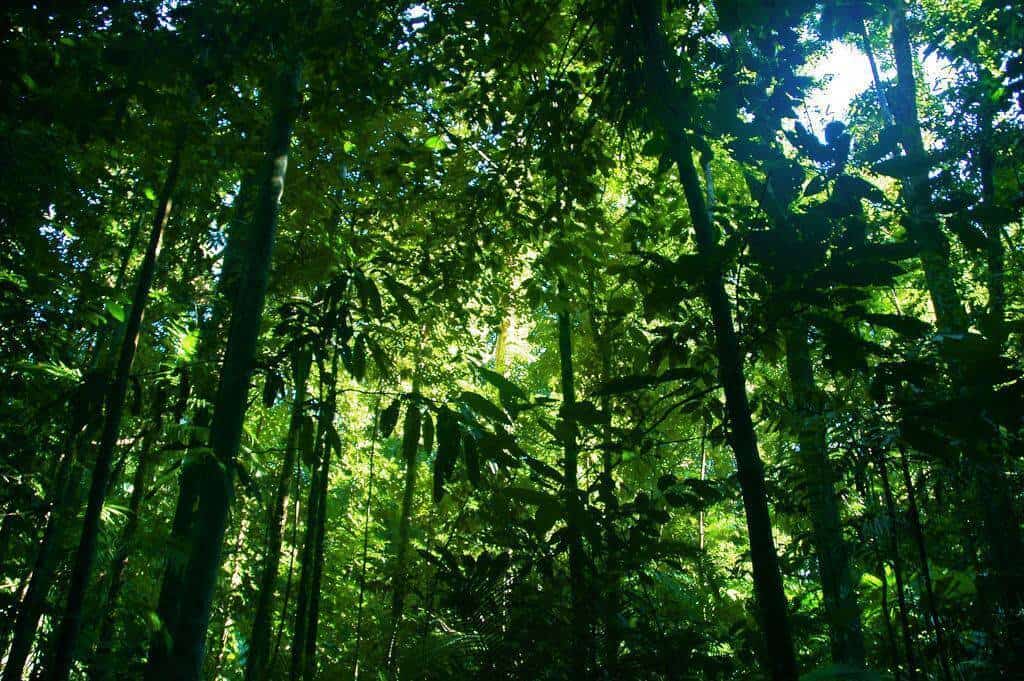
For a wildlife trip, choose the Amazon or the Pantanal unless you have enough time and budget for both. They offer different experiences, so neither needs to become a hurried extra.
The Major Destinations
Use these as starting points, not a list of places you must squeeze in. The suggested stays below are my planning allowances, rather than fixed itineraries.
Rio de Janeiro: scenery with city life attached
Rio brings coast, mountains, neighbourhoods and major sights into one compelling setting. Christ the Redeemer and Sugarloaf are obvious draws; nevertheless, leave time for the city between the viewpoints.
I would allow: four or five nights. Book a well-reviewed base, plan your evening transport and keep a little flexibility for cloud around the major viewpoints. See Rio’s official highlights.
Foz do Iguaçu: give the falls their own stop
Foz do Iguaçu is the Brazilian base for Iguaçu Falls. Here, the waterfalls and Atlantic Forest offer a very different experience from a city or beach stay.
I would allow: two or three nights. If you intend to visit Argentina as well, check entry and re-entry requirements for both countries. An international border is not simply another attraction ticket. Start with the official Foz introduction.
Salvador and Bahia: culture deserves time
Salvador is a strong choice for Afro-Brazilian heritage, food and music. Its historic centre, including Pelourinho, needs more curiosity than a quick photograph between transfers.
I would allow: three or four nights before a separate coast stay. A knowledgeable local guide can help explain the history behind the buildings and living traditions. Browse Visit Brasil’s Salvador guide.
São Paulo: choose it for what interests you
São Paulo makes sense when museums, food and big-city culture are part of your reason for visiting. However, do not add several nights merely because your flight connects there.
I would allow: two or three nights if the city appeals. Check which airport you use before arranging accommodation or onward travel. Saving a little on a flight can lose its charm once a difficult cross-city transfer enters the conversation.
The Amazon: book the experience, not just Manaus
Manaus is a gateway to rainforest lodges and river journeys. Yet a city hotel and a forest stay are different bookings, often with a transfer between them.
I would allow: several lodge nights, plus the access time the operator specifies. Ask about guiding, group size, boat journeys, community visits and what the price includes. Use Visit Brasil’s Manaus overview to begin comparing experiences.
The Pantanal: plan around the wildlife stay
If wildlife is the purpose of the trip, treat the Pantanal as a main destination. Choose the area, operator and season together, rather than buying a flight and hoping the rest will connect neatly.
I would allow: several guided nights and a transfer buffer. Ask which animals and habitats the itinerary focuses on, how much time you spend travelling and what happens if conditions change. Wildlife sightings cannot be promised.
Vibe Check: Which Brazil Are You Here For?
A country this varied does not have one travel personality. Choose the experience that matters most, then add a contrast if the route still feels comfortable.
City, food and cultural curiosity
Consider Rio, Salvador or São Paulo. Then choose a neighbourhood base that makes your days manageable, rather than moving hotels to chase every district.
If this is your priority, spend money on a useful local introduction, a meal you are curious about and reliable evening transport.
Coast, scenery and room to breathe
Consider a city with a separate coast stay, or a longer stay within one area. However, compare the transfer and the beach conditions before choosing the prettiest hotel photograph.
My preference would be fewer accommodation changes. The first unhurried morning often feels more like a holiday than another departure.
Wildlife and guided nature
Choose the Amazon or Pantanal around the experience you want, then build the rest of the trip around access and guiding.
Before paying, clarify what happens each day. A lovely lodge photograph tells you surprisingly little about boat time, walking demands or how many people share a guide.
Brazil in Four Seasons: Start with the Region
Most of Brazil follows Southern Hemisphere seasons, but the country does not share one weather calendar. Therefore, compare your actual stops before choosing a month.
☀ Summer: roughly December–March
Expect heat in many popular destinations, with summer rain affecting parts of the country. New Year and Carnival can also change the booking picture considerably.
If a major celebration is your reason for going, build around it. Otherwise, check event dates before deciding that an unusually expensive week must be normal.
🍂 Autumn: roughly March–June
This can be worth considering for a city-and-scenery route, depending on the region. However, rain patterns on the northeast coast differ from those in the southeast.
Instead of accepting a nationwide “best time”, compare the forecast history and seasonal advice for each destination.
❄ Winter: roughly June–September
Winter can feel very different in the south and tropical north. Pack for your route, including cooler nights where relevant.
The Pantanal’s less-rainy period is often useful for wildlife planning. Nevertheless, confirm access and current conditions with the operator you intend to use.
🌿 Spring: roughly September–December
Conditions change as different regions move towards their wetter or hotter periods. For nature travel, ask about water levels, road access and possible smoke as well as rainfall.
Use Visit Brasil’s climate overview and Canada’s regional weather guidance as starting points, then check local updates.
Daily Rhythm Comparison: Leave Some Energy for Tomorrow
These are suggested shapes for your days, not timetables. Adjust them for heat, weather, your mobility and the advice of local hosts or guides.
A city day
- Morning: one main sight or a guided neighbourhood introduction.
- Midday: lunch, shade and time to sit down.
- Afternoon: a smaller museum, café or nearby walk.
- Evening: dinner or music, with the journey home already planned.
In other words, give the day one centre of gravity. A city becomes much more enjoyable when every meal does not require another cross-town expedition.
A coast or wildlife day
- Morning: an outing suited to local conditions or the guide’s schedule.
- Midday: a proper break rather than another compulsory activity.
- Afternoon: time outside when conditions suit.
- Evening: an easy meal and preparation for the next day.
For a lodge stay, ask about early starts and physical demands before booking. Relaxation and dawn departures can coexist, but it helps to know which one dominates.
Rob’s Tips: One Food Choice and One Activity Choice
I would make room for something that explains the place, as well as something that photographs well. That is a planning preference, not a claim that one experience represents all of Brazil.
Food: make room for feijoada
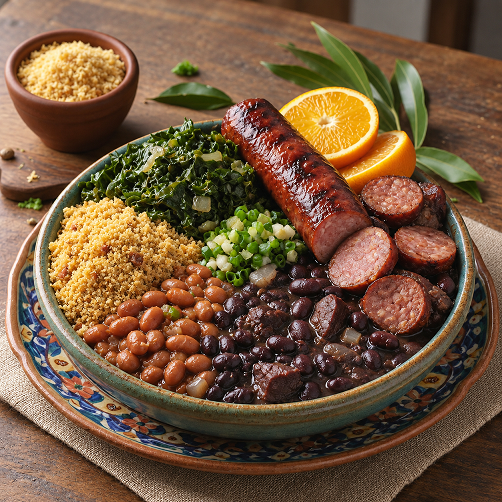
Feijoada is the sort of lunch that deserves a clear afternoon. Widely considered Brazil’s national dish, this rich stew traditionally combines black beans with pork and beef, including smoked sausage, bacon and ribs. Recipes vary, so ask what goes into the pot.
However, the accompaniments are half the pleasure. Farofa, toasted cassava flour, adds texture; couve, finely shredded collard greens often sautéed with garlic, balances the rich meats. Meanwhile, linguiça means sausage, and laranja means orange: those fresh slices offer a welcome citrus contrast. White rice commonly completes the spread.
My advice: arrive hungry, take your time and check ingredients if you have dietary restrictions. Traditional feijoada is firmly a meat dish. For more background, see Smithsonian’s guide to feijoada.
Activity: protect a Rio viewpoint window
For a first Rio visit, I would make one major viewpoint a priority. However, I would avoid booking every other hour around it so tightly that cloud turns the entire day into a disappointment.
Check current access and tickets through the attraction’s official channels. Then leave a nearby alternative for poor visibility. A great trip should survive a mountain declining to appear on camera.
Safety: Honest Advice Without Writing Brazil Off
Crime is a real planning consideration. Your neighbourhood, transport choices and time of day matter; a reassuring countrywide verdict cannot replace local advice.
Make the practical choices early
The U.S. advisory flags violent crime and higher-risk areas, including informal housing developments and certain border regions. Read its geographic details before choosing a route.
Keep valuables discreet, plan transport after dark, watch your drink and avoid isolated beaches at night. If someone attempts a robbery, do not resist. Before going out, ask your accommodation about the particular journey you intend to make.
Health belongs in the route plan
Arrange a travel-health consultation for your itinerary. CDC’s Brazil guidance includes mosquito-borne risks and yellow-fever vaccination recommendations for many destinations, including Rio, São Paulo and Iguaçu Falls.
A vaccine recommendation differs from an entry requirement. Your health history and onward countries also matter, so discuss the route with a clinician. For remote stays, check the medical and evacuation cover in your travel insurance.
Brazil Travel Guide: Planning Essentials
Before booking the exciting bits, check these practical details. A visa, the wrong airport or an unsuitable transfer can undo an otherwise lovely plan.
Entry rules: check your passport first
As checked in October 2026, travellers using U.S., Canadian or Australian passports need a visa for tourism; Brazil offers an eVisa route for these nationalities.
Use the Brazilian consulate’s official eVisa guidance, including its link to the application service. Other passports have different rules. Check validity, documents and permitted stay directly rather than assuming a rule applies to everyone.
Flights and transfers: check the whole journey
For distant regions, compare flights before fixing the order of your stays. Check the airport, connection time, baggage allowance and whether an onward transfer has a fixed departure.
For shorter road journeys, ask your host or operator about conditions and realistic timing. Finally, separate a remote stay from your international departure with a sensible buffer.
Money: keep two ways to pay
The Brazilian Central Bank says international cards are widely accepted. Nevertheless, keep a backup card and a modest amount of reais for situations where your first option fails.
Use authorised exchange services. Before paying, check the amount and currency rather than approving a terminal while looking elsewhere.
Language, access and everyday preparation
Download Portuguese and offline maps before arrival. Save accommodation addresses and transfer contacts where you can reach them without mobile data.
If access needs affect your trip, ask specific questions about steps, gradients, vehicle access and bathrooms. “Accessible” is more useful when someone explains exactly what it means. Our travel logistics guide helps organise the wider checklist.
Base Plans: Three Brazil Itineraries That Leave Room to Enjoy It
These are example structures I would consider, not bookable packages. Confirm connections, seasonal suitability and current official advice before turning them into reservations.
10–12 days: Rio and Iguaçu
Begin with four or five nights in Rio. Then allow a travel day and two or three nights in Foz do Iguaçu. Keep the remaining time for arrival, flexibility and the final departure connection.
This gives a first visit two strong contrasts. However, a short connection on a separate ticket is not a buffer, even if the booking website permits it.
12–14 days: Salvador and a Bahia coast stay
Start with three or four nights in Salvador, followed by a coast stay chosen around the transfer you are comfortable making. Then leave time to return to the airport without a final-day dash.
I would choose the coast base after checking its beach conditions, dining options and access. Seclusion sounds rather different when you realise every meal needs a vehicle.
Around two weeks: one city and one wildlife stay
Choose your Amazon or Pantanal operator first. Establish the arrival point, included transfers and necessary lodge nights, then add a city stay that works with the flights.
For this route, I would spend the budget on sufficient guided time. Cutting the wildlife stay too short to add another city can undermine the reason you came.
Costs: What Actually Moves a Brazil Budget
I would build a Brazil budget from real quotes for your dates, then add a contingency. A national daily figure can conceal the very costs that make one itinerary expensive.
Separate daily living from the big commitments
List accommodation, meals and local transport separately from domestic flights, attraction tickets and specialist excursions. For lodges, compare the complete package: a higher room price may include meals, guiding and transfers.
Next, divide the full trip total by your travel days. That gives a more honest daily average than excluding the costly bits and congratulating yourself on the result.
Spend where it improves the trip
My priorities would be a sensible neighbourhood, reliable transfers and good guiding where it adds value. Then I would look for savings through fewer hotel changes, a simpler route and flexible dates.
Compare event weeks with nearby dates before booking. Also price flights with the baggage you need. Use the budget travel checklist to catch costs that tend to hide between bookings.
Un-Googleable Brazil: Small Moves, Big Difference
The useful gains often come from ordinary decisions made before you need them. These are the small things I would protect when the itinerary starts filling up.
Ask a better question about location
Instead of asking whether an entire city is safe, ask your host about the walk from your hotel to dinner, at the time you intend to make it. Specific questions invite more useful answers.
Likewise, ask how you will reach the lodge, attraction or beach. “Nearby” is not a recognised unit of travel time.
Keep one day that can change its mind
A flexible day can absorb poor weather, a delayed journey or the discovery that you like somewhere enough to stay put. Therefore, protect it as carefully as a prepaid excursion.
Also save the last practical details offline. A calm arrival often begins with a dull little screenshot taken before leaving home.
Gap Analysis: Is Brazil Right for Your Travel Style?
Enthusiasm helps, but a good match also depends on your time, comfort needs and budget. Use this filter before adding destinations.
A strong fit if…
- You enjoy cultural variety and are willing to learn a little Portuguese.
- You can choose a few experiences without feeling obliged to cover the whole country.
- You have room in the budget for necessary transport and guiding.
- You are comfortable making deliberate safety decisions.
If that sounds like you, start with the part of Brazil that interests you most.
Adjust the plan if…
- You have a week and want several distant regions.
- Your budget depends on avoiding every domestic flight.
- You need effortless transport but have selected remote stays.
- You would find the safety precautions exhausting.
In that case, simplify the route or choose more supported arrangements. A different plan is often a better answer than abandoning the destination.
Brazil FAQs
The questions that usually matter before the flights become real.
How many days do I need in Brazil?
My suggestion for a first trip is 10–14 days for two contrasting areas. With a week, choose one manageable region. With longer, add depth before automatically adding airports.
What is the best time to visit Brazil?
It depends on the destinations and activities. Compare the weather and access for your actual route, especially for wildlife stays. A useful month for one area may bring different conditions elsewhere.
Do Americans need a visa for Brazil?
Yes, under the rules checked in October 2026. U.S., Canadian and Australian passport holders should use the official Brazilian guidance linked above and obtain the required approval before travel.
Is Brazil a good first South America trip?
It can be, if you choose a manageable route and take safety and transport planning seriously. If you prefer more support, consider locally guided elements or an organised itinerary that still leaves time to enjoy each stop.
Should I choose the Amazon or the Pantanal?
Compare the experience, season, access and operator rather than choosing by name alone. Ask what the itinerary actually includes and which wildlife or habitats it focuses on. Then choose the stay that fits your interests and budget.
Can I combine Brazil with Argentina?
Yes, but check both countries’ entry rules and your right to re-enter Brazil. Iguaçu is a common point of interest across the border; nevertheless, allow time for formalities and verify the route before booking.
Sources and useful official checks
Entry, health and travel advice can change. The official sources linked throughout this guide were checked in October 2026. My suggested stays, route choices and budgeting method are editorial recommendations.
- Visit Brasil: climate and weather
- Riotur: Rio highlights
- Visit Brasil: Foz do Iguaçu
- Visit Brasil: Salvador
- Visit Brasil: Manaus
- Brazilian consular eVisa information
- U.S. State Department: Brazil
- CDC: Brazil travel health
- Banco Central do Brasil: money for visitors
- Government of Canada: regional weather and travel advice
Let’s talk about Brazil
Which Brazil is calling you: city life, the coast, waterfalls or wildlife? Share your rough dates and the part of the planning you are still working out.