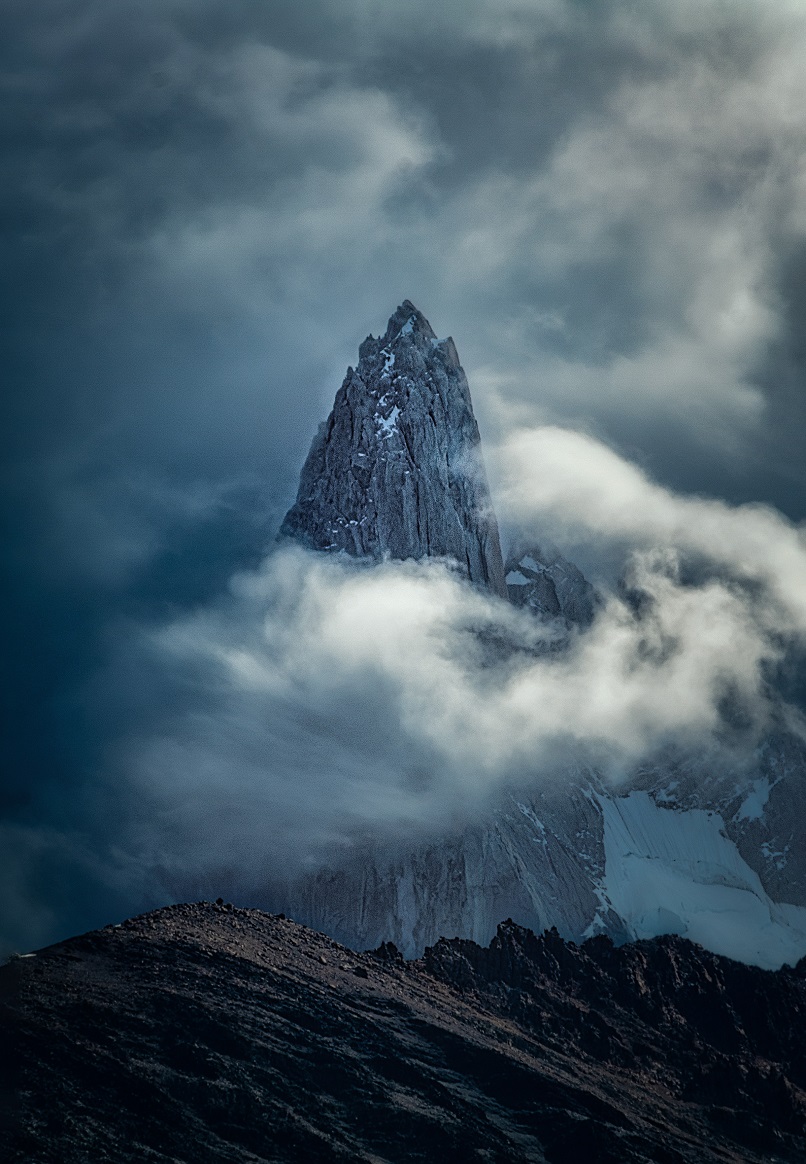
Need the Gist? A 60-Second Argentina Scan
This Argentina travel guide starts with a confession on your behalf: you cannot fit the whole country into one holiday. Happily, you do not need to. Choose the places you actually want to experience, then give them room.
The short version
- My suggested first visit: 10–14 days for Buenos Aires and one contrasting region.
- Language: Spanish; learn a few useful phrases before you arrive.
- Currency: Argentine peso, ARS. Confirm which currency a quote uses.
- Biggest planning trap: counting a flight day as a sightseeing day.
- Before booking: check entry rules, medical cover and the season for your chosen region.
The honest fit check
Argentina suits travellers who enjoy city culture and dramatic landscapes. However, long journeys, changing costs and weather-dependent plans require a little patience.
For a first trip, I would choose a city stay and one memorable contrast. Then I would leave a buffer before the flight home. A glacier is an excellent reason to travel; a missed international flight is an expensive souvenir.
The Argentina That Clicks: One City, One Contrast
Buenos Aires, Iguazú, Mendoza, Salta, Bariloche, El Calafate, Ushuaia. It is an attractive shortlist. Unfortunately, the shortlist has quietly become an airport itinerary.
Choose your reason for going
If you want mountain walks, build around the walking season and your fitness. Alternatively, choose Mendoza for a gentler wine-and-food trip, or Iguazú for a concentrated waterfall stay.
Next, check real connections for your dates. A direct route on somebody’s old itinerary may need a connection when you travel.
My first-trip rule
Give Buenos Aires a few nights, then choose one main contrast. After that, add another stop only if your time, budget and transport connections comfortably support it.
For the personal side of the country, read Tranquillo Argentina: The Quiet One with a Passionate Soul. This guide handles the practical decisions behind that kind of journey.
The Major Destinations
These are starting points, with my suggested stays rather than fixed itineraries. Each choice has a trade-off, so choose by interest before collecting place names.
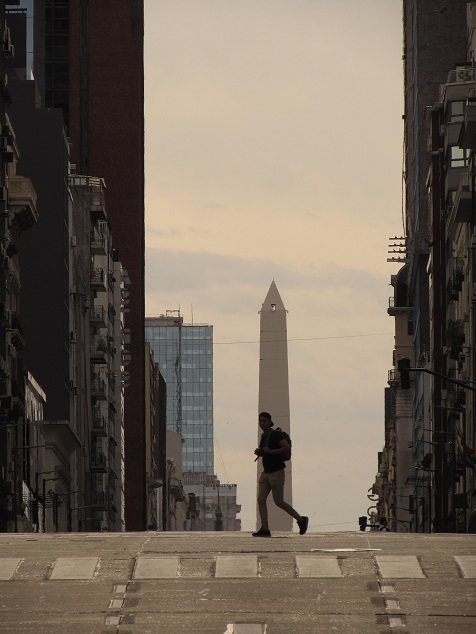
Buenos Aires: give the neighbourhoods time
Start with the capital if cafés, architecture, museums and tango appeal. However, avoid turning every day into a cross-city relay. Group your sightseeing by neighbourhood and leave room to sit down.
I would allow: four or five nights, including arrival recovery. Recoleta, Palermo and San Telmo offer different settings; compare the actual street, recent reviews and evening transport before choosing a base.
Puerto Iguazú: waterfalls, with a proper day
Choose Puerto Iguazú for the Argentine side of the falls. Here, the pleasure is following walkways through the forest and seeing the water from different heights. Instead of treating it as one viewpoint, give yourself time to stop, listen and get thoroughly distracted by the spray.
The Upper Circuit offers views across the tops of the falls, while the Lower Circuit brings different perspectives and includes some stairs. However, check current accessibility advice if steps or long walks are a concern.
My advice: allow a full park day, wear comfortable shoes and bring water, insect repellent and a waterproof cover for your phone. Then leave time for breaks. This is a place to enjoy, rather than another set of walkways to conquer before lunch.
Also check circuit conditions before visiting, especially access to Garganta del Diablo. River levels can affect the walkways, so an old photograph is no guarantee of what will be open. Use the official visitor-planning page for your final checks.
I would allow: three nights for a less hurried stay. If you want the Brazilian perspective too, allow a separate visit and check both countries’ entry requirements. You are crossing an international border, not simply walking through another park gate.
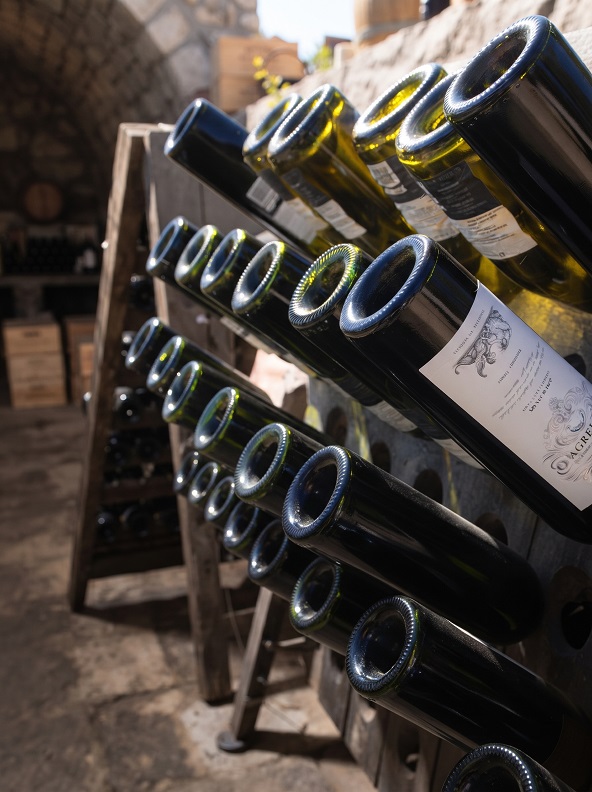
Mendoza: wine without a driving problem
Mendoza makes sense if wineries, long lunches and an Andean backdrop are your main draw. However, a central hotel and a vineyard stay create different daily journeys.
I would allow: three or four nights. Choose your wine area first, then arrange a driver or suitable tour for tasting days. A vineyard map is not an invitation to drink and drive.
Salta and Jujuy: colour, distance and altitude
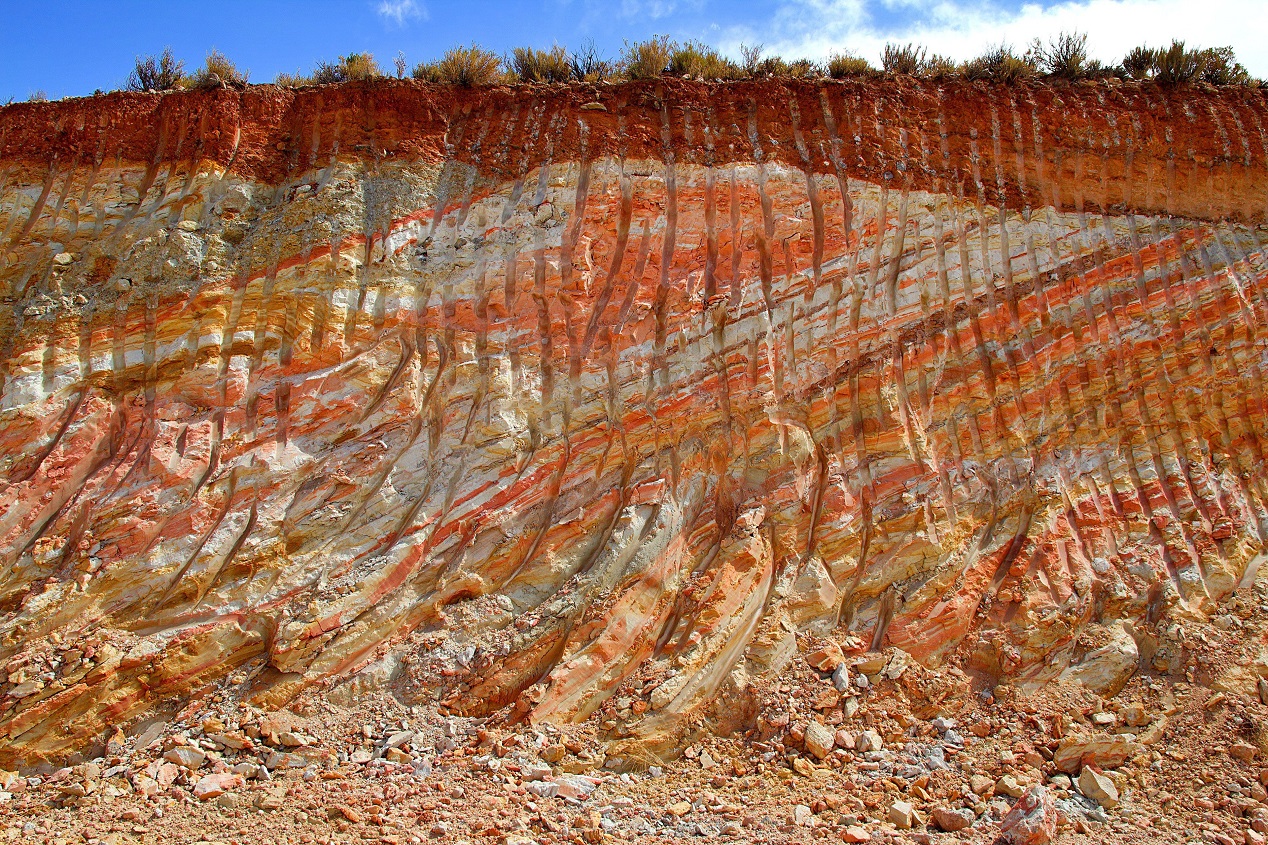
The northwest offers a different Argentina: historic towns, dry landscapes and routes through high country. Salta is a useful starting point, while a separate stay farther north can reduce repeated day trips.
I would allow: five or six nights for a focused regional trip. Before committing to high-altitude excursions, discuss your route with a clinician if altitude or an existing condition may affect you.
El Calafate and El Chaltén: different jobs
El Calafate serves the southern part of Los Glaciares National Park, including Perito Moreno. Meanwhile, El Chaltén is the northern base for mountain trails. They are separate stays, not interchangeable hotel locations.
I would allow: six to eight nights for both, with flexibility for weather. Use the official park activity guide to match your plans to the right base.
Bariloche or Ushuaia: choose the extra carefully
Bariloche offers a lake-and-mountain chapter in northern Patagonia. Ushuaia puts the emphasis on Tierra del Fuego and the far south. Neither needs to be an automatic extra.
I would allow: at least three or four nights for whichever appeals, and longer for specific activities. If you are joining a cruise, follow the operator’s arrival guidance and protect the embarkation date.
Vibe Check: Which Argentina Suits You?
City life and cultural curiosity
Choose Buenos Aires if the pleasure lies in neighbourhood walks, cafés, galleries and evenings out. Then let the days breathe: a good conversation needs no timed-entry ticket.
Food, wine and a gentler pace
Consider Mendoza with Buenos Aires if you want variety without making every day physically demanding. However, check excursion distances before assuming a wine trip means very little time in a vehicle.
Mountains and active days
Choose a Patagonia base around the walks you can comfortably manage. Meanwhile, compare trail length, ascent, surfaces and weather exposure rather than relying on a photograph of the summit.
Not everyone wants the same trip
If limited mobility, young children or a short holiday shape your choices, simplify the route early. Also ask providers about steps, toilets, walking distances and accessible transport before paying.
Four Seasons, Several Different Trips
Argentina is in the Southern Hemisphere, so the seasons run opposite to those in the United States. Nevertheless, one national weather label cannot tell you what both Iguazú and southern Patagonia will feel like.
Summer: December–February
Consider this period for a southern outdoor trip, while allowing for wind and sudden changes. Meanwhile, city heat and a busy holiday period can affect comfort and availability.
Autumn: March–May
Consider an urban or wine-focused trip if the dates suit you. However, check the exact timing of southern activities as daylight, services and conditions change.
Winter: June–August
Think about the northwest, city stays or a specific snow holiday. Conversely, do not carry a summer hiking plan into a southern winter without checking what actually operates.
Spring: September–November
Consider Buenos Aires and a region that suits your interests. Then check mountain conditions separately: a pleasant afternoon in the capital says very little about a trail far to the south.
Use Visit Argentina’s regional climate overview as a starting point, then check local forecasts and operator calendars.
Daily Rhythm: City Days and Outdoor Days
A Buenos Aires day
Morning: one neighbourhood and a café stop. Afternoon: a museum, a park or an unhurried lunch. Evening: dinner or tango, with transport home arranged.
However, if you choose a late night, leave the next morning light. Being on holiday does not require proving you can function without sleep.
A Patagonia day
Morning: check conditions before choosing the day’s activity. Afternoon: keep enough margin to return safely. Evening: review tomorrow’s forecast and transport.
Instead of tying your best walk to one fixed day, preserve a weather window. Also keep a lower-effort option ready.

Rob’s Tips: One Food Choice and One Activity Choice
Food: ask about the regional speciality
Start with empanadas and ask what is inside before ordering. They are filled pastries, and the filling matters rather more than my ability to pronounce the menu.
Then explore beyond the first familiar dish. If dietary restrictions shape your meals, learn the relevant Spanish and explain them clearly. A friendly nod is lovely; clear ingredient information is more useful.
Activity: choose your tango evening
A stage show and a milonga offer different experiences. A show provides a performance; a milonga centres on social dancing. Neither is automatically the better choice.
If you want to try dancing, look for a beginner-friendly class and ask about the evening’s customs. Otherwise, choose a show that suits your budget. Browse Visit Argentina’s tango introduction before booking.
Safety: Keep the Practical Bits in Focus
City precautions
Petty theft can affect tourist areas, including Buenos Aires. Keep valuables discreet, secure your bag and arrange dependable transport after dark. If a situation feels uncomfortable, leave.
Also check regional advice rather than assuming the capital represents the whole country. Read the U.S. State Department’s Argentina guidance before departure and during a longer trip.
Outdoor plans and health
For mountain trips, follow ranger advice and check closures, weather and registration requirements. Choose walks within your ability; a clear trail photograph does not promise safe conditions today.
For health preparation, use CDC’s Argentina travel page and discuss your actual route with a travel-health professional. Needs differ between city, jungle and high-altitude trips.
My rule: plan the return journey before starting the day. In a city that means knowing how to get home; outdoors it means knowing when to turn back. For park-specific preparation, read Los Glaciares visitor recommendations.
Logistics Lite: Entry, Airports and Money
Entry and medical cover
Check requirements for your passport, purpose of travel and length of stay before booking. Current Argentine consular guidance requires medical insurance for visiting foreigners. Keep your policy details accessible.
Official pages differ on some passport details, so confirm with the Argentine consulate responsible for you. Start with Argentina’s entry and stay notice and the Visas & Entry guide. Do not rely on an old insurance-optional article.
Two airport codes to recognise
Check every ticket for EZE or AEP in Buenos Aires. Ezeiza and Aeroparque are separate airports, so an airport change needs a realistic ground transfer.
Also check baggage allowance, cancellation terms and your onward connection. If separate tickets are involved, protect the long-haul departure with a buffer rather than trusting a short connection.
Money: verify before you pay
The currency is the Argentine peso. However, the $ symbol alone does not make a quote clear: ask which currency applies, especially for tours and accommodation.
Carry a backup payment method and some pesos for smaller purchases. Then compare current conversion rates and fees through regulated providers. Avoid building the budget around somebody’s old exchange-rate trick. See Buenos Aires’ official money guidance.
Getting between places
Compare the complete journey: airport transfers, baggage, connection time and arrival hour. A cheaper ticket can lose its appeal after another hotel night and a long transfer.
For a road trip, check distances, fuel access, rental conditions and border permission. Likewise, verify actual bus schedules before treating an overnight journey as an effortless saving.
Base Plans: Three Ways to Keep It Manageable
These are my suggested planning outlines, not bookable packages. Count nights carefully and check connections before turning any outline into reservations.
About 10 days: city and falls
My outline: four nights Buenos Aires, three nights Puerto Iguazú, then two nights back in Buenos Aires before departure.
This keeps the trip focused. If you cross into Brazil, allow time for border formalities and verify the rules for both entry and return. See the Brazil travel guide.
About two weeks: city and southern scenery
My outline: four nights Buenos Aires, three nights El Calafate, four nights El Chaltén, then two nights Buenos Aires.
Choose dates and activities that suit the season. However, if hiking is not your interest, change the second base rather than following this outline simply because it fits on the screen.
About three weeks: add depth before another airport
Start with the two-week outline, then consider extra time in those bases or a carefully connected third region. Alternatively, build a separate northwest or Mendoza-focused trip.
My preference would be more useful days, not more boarding passes. Before adding the extra region, price its flights, transfers and accommodation together. Then decide whether the experience justifies the time.
Costs: Build a Budget You Can Actually Use
My approach to Argentina travel costs is to price the trip you intend to take. A national daily average hides the difference between a city stay and a holiday with domestic flights, park visits and guided activities.
Price these five parts first
- Accommodation for your actual dates.
- Domestic travel, including bags and ground transfers.
- Park access, tours and your priority activities.
- Food and local transport at your preferred comfort level.
- Insurance and a separate contingency allowance.
Where I would save
I would reduce transfers before trimming every meal. Next, compare well-located accommodation with a cheaper base that adds daily transport costs.
Finally, confirm the payment currency, taxes and refund terms in writing. Keep a record of the quote and the conversion used. A budget is more reassuring when every number has a clear meaning.
Small Moves That Improve the Trip
Ask a better local question
Instead of asking for “the best restaurant”, explain what you want: a simple lunch, a regional dish, somewhere quiet or a late dinner. Then mention your budget.
Likewise, ask which part of the neighbourhood works for an evening walk. Useful local advice becomes easier when the question has a little shape.
Leave a slot unbooked
Keep one afternoon free in the city and a flexible day around your main outdoor activity. That space can absorb weather, a delayed journey or a place you want to revisit.
However, book the limited-capacity experiences that matter to you. Flexibility works best when it protects the trip’s priorities.
Gap Analysis: What Could Unravel Your Plan?
Four checks before you book
- Time: have you counted full transfer days?
- Season: does each region suit the activities you want?
- Energy: can you comfortably manage the walks and late nights?
- Budget: have you included the expensive activities and return buffer?
If the plan feels too tight
First, remove the least important stop. Next, move a spare night to the base where weather matters most. Then check whether the flight routing still makes sense.
If you are planning a much longer journey, the World Travel Course helps you work through time, money and preparation in a sensible order.
Argentina Travel Guide: Your Questions Answered
How long do I need for a first trip?
I would allow 10–14 days for Buenos Aires and one contrasting region. However, the right length depends on your arrival journey, season and interests. With only a week, simplify rather than treating every major attraction as compulsory.
Is Argentina cheap to visit?
Do not assume it will be. Price accommodation, transport and activities for your dates, then compare current payment costs. A city stay and a Patagonia trip can produce very different totals.
Do I need to hike to enjoy Patagonia?
No, but choose your base and excursions accordingly. Ask about walking distances, steps, surfaces and vehicle access before booking. Also check operating seasons and weather policies for the activities that matter to you.
Can I combine Argentina and Brazil?
Yes, and Iguazú can be a useful point of connection. Nevertheless, compare flights and border logistics first, and verify entry requirements for both countries. Adding Rio to a short Argentina trip still requires real travel time.
Sources and Useful Checks
The route suggestions, stay lengths and planning preferences here are my recommendations. Official requirements, local conditions, prices and transport schedules can change, so recheck them before travel.
- Visit Argentina — destination inspiration.
- Regional climate overview — seasonal starting points.
- Argentine consular entry notice — entry and medical cover.
- U.S. State Department — travel and safety guidance.
- CDC Argentina — route-specific health preparation.
- Los Glaciares National Park — official visitor information.
Let’s Talk About Argentina
Which Argentina appeals to you: city life, wine country, waterfalls or the far south? Share your rough route and the planning decision you are working through.