This Iceland travel guide helps you choose between Reykjavík, natural sights and a manageable road trip. First decide which experiences matter most, then build a route with time to enjoy them. Compare bases, seasons and transport before booking, and leave room for a slower day rather than filling every gap with another transfer.
Iceland’s waterfalls, glaciers and volcanic landscapes can make every stop feel essential. However, a good trip begins with choosing rather than collecting. Before filling the map, compare the season, journey times and your available days. Then leave some room for the weather to have an opinion. It usually does.
My Iceland approach is seasonal and practical. First, choose what matters most: northern lights, long summer days, hiking or a gentler city-and-scenery break. Then compare routes and transport for that season. Also, leave enough time at each base. The best itinerary is one you can enjoy rather than merely complete.
Before setting a budget, compare accommodation, transport and the experiences you want for your dates. Then decide where convenience or comfort is worth paying for. Also, allow for meals and a little flexibility. A promising room rate is only one part of the bill.
By RobLast updated: February 2026~15–20 min readCurrency: ISK (kr)
If you only read one part, read this. Iceland is magical when you match your trip to the right season and manage expectations around cost.
Best first move: Decide your priority — Northern Lights (winter), midnight sun (summer), or shoulder-season value (spring/fall).
When it clicks: When you stop treating Iceland like a checklist and start experiencing the raw power of nature.
Money truth: Iceland is expensive. Period. Budget 2x what you'd spend in mainland Europe, or embrace camping/self-catering.
Easy win: Rent a car and do the South Coast (Seljalandsfoss, Skógafoss, Reynisfjara, Jökulsárlón) — Iceland's greatest hits in 2–3 days.
Classic mistake: Golden Circle day tour only. You'll see the highlights, but you'll miss the soul of Iceland.
Quiet flex: The Westfjords and Eastfjords are where Iceland feels wild, empty, and untouched — but require serious time and driving commitment.
Key Takeaway
Iceland rewards a simple formula: pick one season + rent a car
+ embrace weather uncertainty. Everything else is just details.
60-Second Fit Check
Ideal trip length: 5–7 days (South Coast + Golden Circle), 10–14 days (full Ring Road), 3–4 days (Reykjavik + day trips).
Best energy level: Medium to high — Iceland demands driving, weather flexibility, and adventure readiness.
First-timer friendly: Very — especially if you stick to the South Coast and Golden Circle in summer.
Budget vibe: Mid to premium (Iceland is not a budget destination, but smart planning helps).
My simple rule: If you're not willing to drive and adapt to weather, Iceland will frustrate you.
Quick Fact
Iceland sits on the Mid-Atlantic Ridge, where the North American and Eurasian tectonic plates meet.
This means constant volcanic activity, geothermal energy, and some of the most geologically active landscapes on Earth.
The Iceland That Clicks: The South Coast + Snæfellsnes Triangle
For a focused trip, compare a South Coast route with Snæfellsnes before deciding whether to combine them. Then count the driving and the days you want at each base. However, the Golden Circle can also suit a shorter visit. Choose the route that fits your time rather than treating one version as compulsory.
For the South Coast, choose the waterfalls, coastal stops and glacier scenery that interest you. Then leave enough time between them to enjoy the journey. Alternatively, Snæfellsnes may give you the variety you want on a different route. However, neither needs to become a race between photographs.
Before adding the Golden Circle, compare its sights and driving with the rest of your trip. Then decide what you would actually like to visit. Also, check current access and opening information for your chosen stops. A famous route can still be enjoyable without becoming the whole holiday.
What I'd do
Days 1–2: South Coast intensive (Vík, Reynisfjara, glacier lagoon).
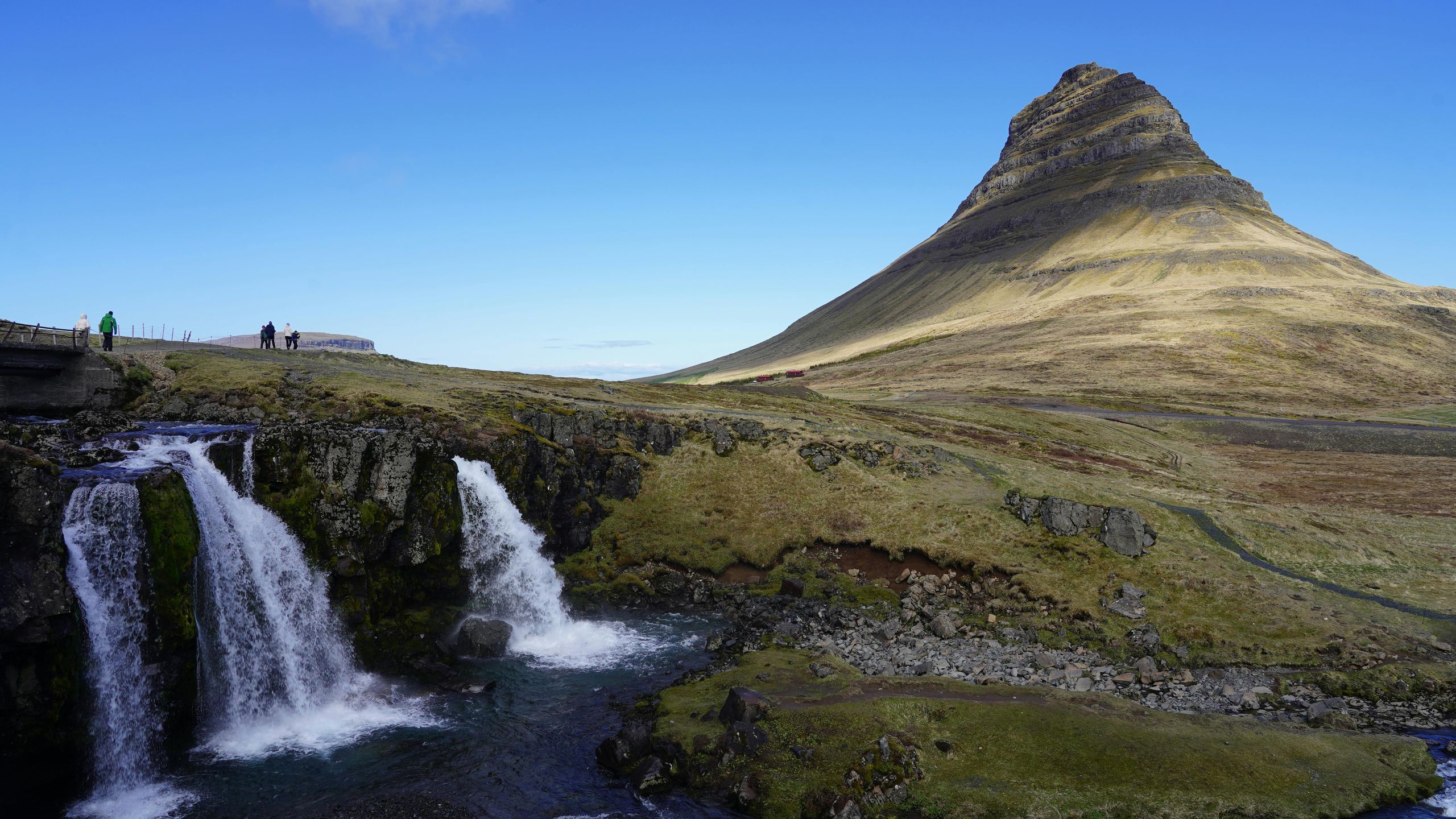
Days 3–4: Snæfellsnes Peninsula loop (Kirkjufell, Arnarstapi, Djúpalónssandur).
Day 5: Golden Circle early morning, then Blue Lagoon sunset.
Days 6–7: Reykjavik decompression + Northern Lights hunt (winter) or midnight sun hike (summer).
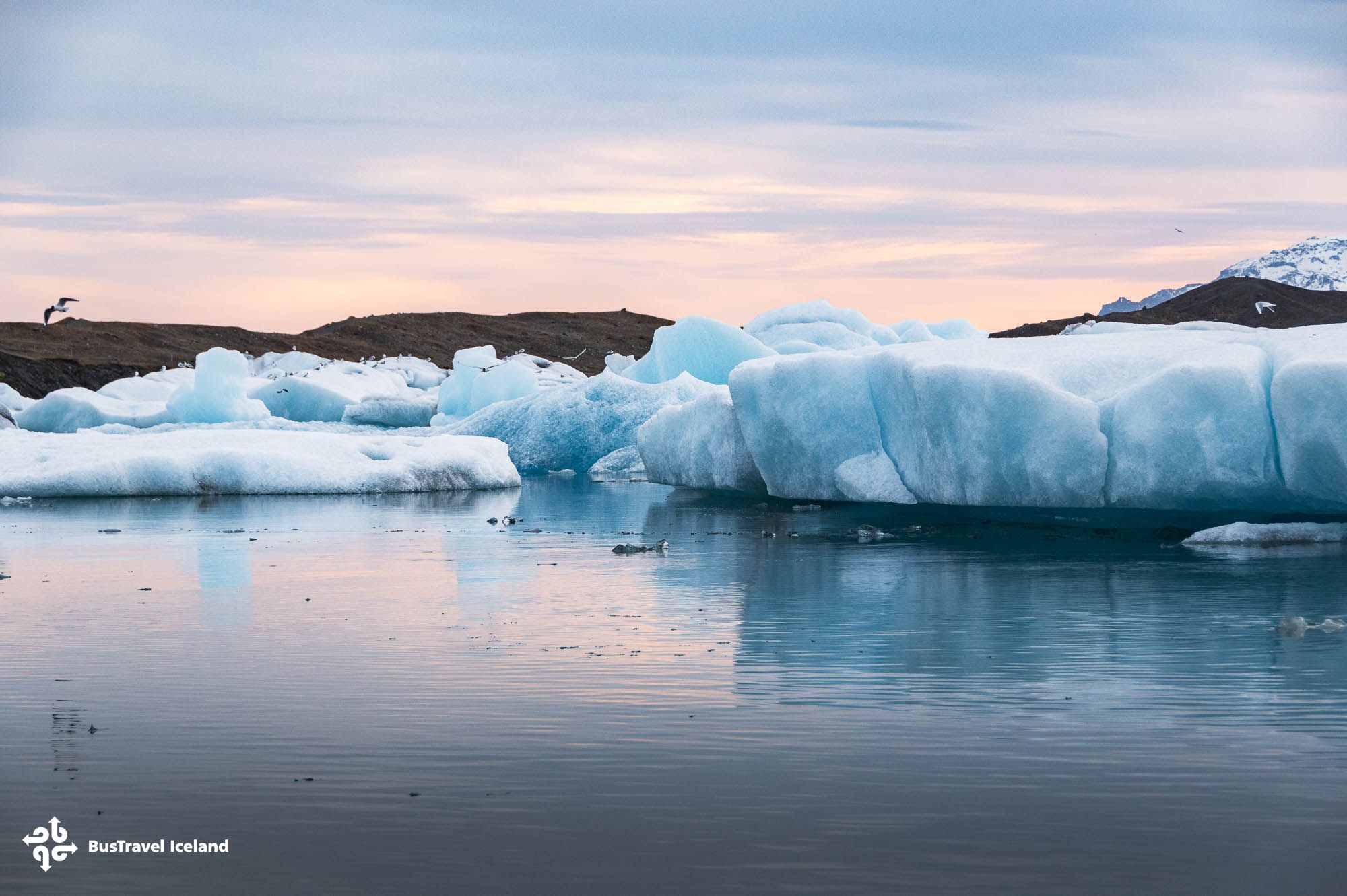
Jökulsárlón glacier lagoon is Iceland's showstopper — where icebergs float serenely toward the Atlantic.
Vibe Check: What Kind of Iceland Are You Actually Here For?
Iceland has wildly different personalities depending on season and route. Decide your primary mood first, then build around it.
The Adventure Iceland (hiking, glaciers, wild landscapes)
For an active trip, first choose the experiences you want and check their access requirements. Then compare guided options and the season that suits them. However, leave room for changes rather than assuming every hike or outdoor activity will fit the original plan.
Plan like: Car rental + hiking boots + flexible itinerary for weather.
The Northern Lights Iceland (winter magic, ice caves, auroras)
For northern lights and winter scenery, compare the daylight, transport and activities before choosing a route. Then allow flexibility around conditions. However, seeing the aurora is an opportunity rather than a booking inclusion. A winter trip needs other reasons to be enjoyable too.
Plan like: Winter-safe car + warm gear + patience (auroras aren't guaranteed).
The Relaxed Iceland (hot springs, culture, food, gentle pace)
For a gentler visit, compare Reykjavík cafés, museums and a few chosen outings. Then decide whether a guided day trip or a longer stay elsewhere would improve it. Also, leave time for a pool visit if that appeals. You do not have to drive a full circuit to have been to Iceland.
Plan like: Reykjavik base + day tours + hot spring hopping.
Iceland in Four Seasons: Same Country, Completely Different Planet
First, choose the experiences that matter to you. Then compare the season for those activities rather than assuming one month suits every trip.
Before setting out, check current weather and travel information. Then adjust your plan to the conditions rather than the other way around. Also, keep the next day manageable if today changes. A flexible route is more useful than an optimistic timetable.
Street Smarts: Small Iceland Rules That Save Big Stress
Check the route before setting out
Travel alerts: First, check SafeTravel and the official information relevant to your route.
Roads: Use marked roads and designated parking, then respect closures and local instructions.
Walking: Follow marked footpaths where they exist. Also, avoid damaging fragile ground.
Flexibility: If conditions change, choose a suitable alternative rather than pressing on with the original plan.
Prepare for the day you have chosen
Food: Before leaving, plan meals and supplies for the journey.
Bookings: Then check arrival times and conditions for any paid visit.
Navigation: Also, keep useful maps and addresses offline.
Expectations: Leave enough room for a slower day instead of making every stop essential.
Reality Check
First, prepare for the route and conditions you intend to encounter. Then follow local instructions and respect closures. Also, leave enough flexibility to change plans. The landscape does not need to cooperate with a reservation spreadsheet.
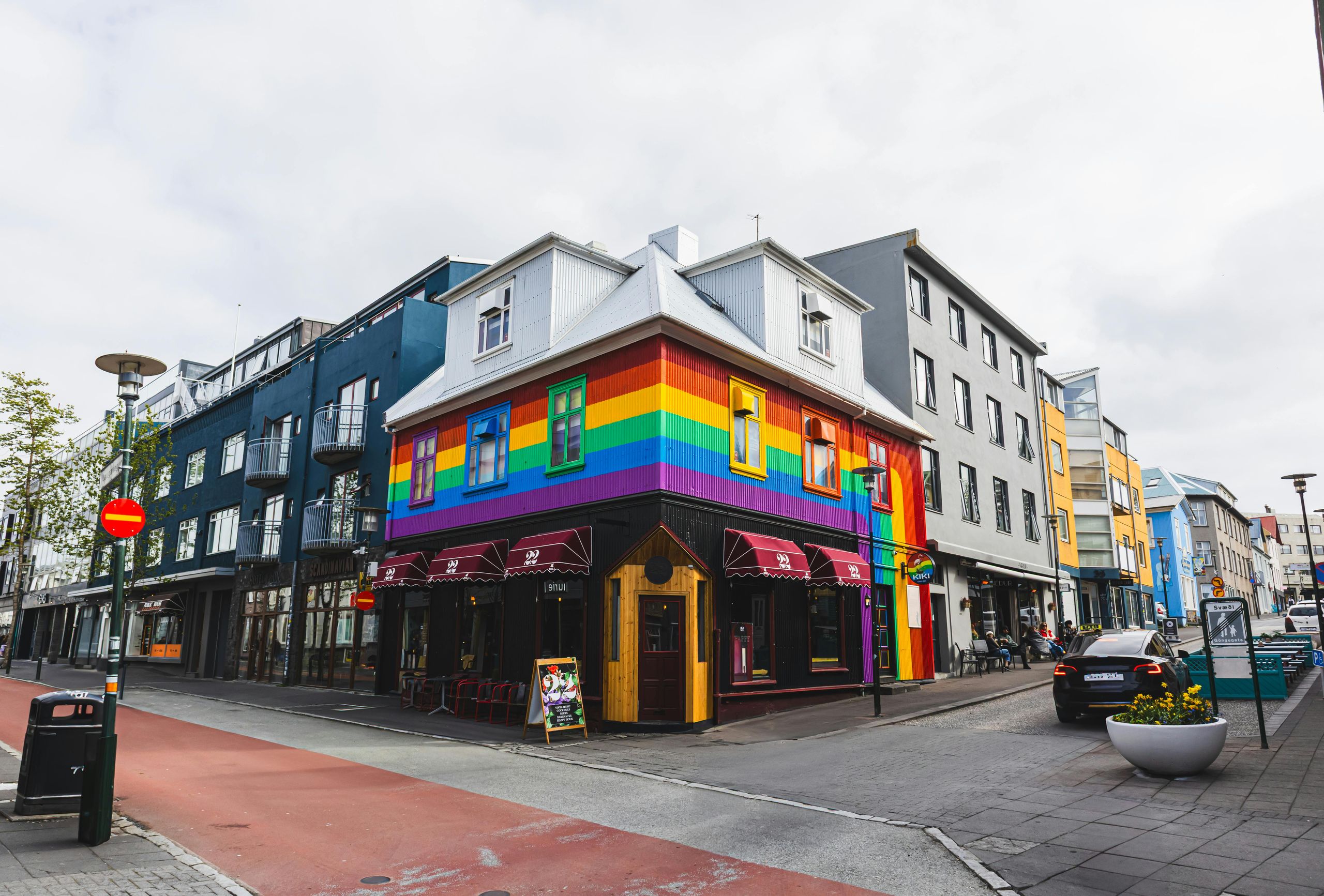
Reykjavik is small, walkable, and charming — but the real Iceland is out on the road.
Logistics Lite
Iceland becomes manageable when you handle the modern basics up front: entry rules, currency, driving, power, and "how to stay safe."
Entry rules & the Schengen reality
Iceland is part of the Schengen Area (but not the EU).
For most visitors from visa-exempt countries (US, UK, Canada, Australia, etc.), you can stay up to 90 days within any 180-day period across the entire Schengen zone without a visa.
Always confirm your personal situation based on nationality.
For border procedures and any travel authorisation applying on your dates, check the official EU EES and ETIAS website. Then verify the requirements for your passport before departure.
Iceland uses Type C and F plugs (European standard), 230V / 50Hz.
Pack a universal adapter if coming from outside Europe. Mobile coverage is excellent on main routes (Síminn, Vodafone, Nova).
Before choosing a car, compare the route you want with tours and other available transport. Then decide how much independent driving suits your trip. Also, count parking, fuel and rental conditions in the comparison. A Reykjavík base with selected outings is a different trip, not an incomplete one.
Before driving, review the current official road guidance and your rental conditions. Then check SafeTravel for alerts affecting your journey. However, do not assume a vehicle choice removes the need to reconsider the route when conditions change.
Reminder
For any mountain-road route, check whether it is open and suitable for your vehicle before setting out. Then follow the current access information and rental restrictions. Also, leave an alternative in the plan rather than relying on a seasonal opening estimate.
Base Plans: 3 Simple Ways To Build an Iceland Trip That Doesn't Destroy Your Budget or Sanity
Pick one. Iceland is expensive and weather-dependent — so your "base plan" is really a choice about risk tolerance and budget.
Plan A: Ring Road loop (10–14 days)
Why: You see the full Iceland — all major regions, varied landscapes, iconic stops.
Do: Rent car, drive Route 1 clockwise or counter-clockwise, stay in guesthouses/Airbnb, mix self-catering with restaurant meals.
Rule: Don't rush. 10 days minimum, 14 days comfortable. Add buffer days for bad weather.
Why: You avoid car rental, driving stress, and weather anxiety. Let tours handle logistics.
Do: Stay in Reykjavik, book day tours (Golden Circle, South Coast, Northern Lights, whale watching). Walk the city in between.
Rule: This is the most expensive per-day option, but lowest total cost (short trip). Best for first-timers or non-drivers.
Why it works
No car rental, no navigation stress, guides handle everything. You sacrifice freedom for convenience.
Costs & Pace: What Actually Moves the Needle in Iceland
Before choosing a daily allowance, price the accommodation, transport and activities for your actual dates. Then add meals and a reserve for changes.
First, decide where comfort matters most. Then compare self-catering, accommodation and transport options around those priorities. However, do not count a saving until you have checked the full cost. A cheaper base can add more driving than you wanted.
Transport strategy: Car rental kr 8,000–15,000/day (~$58–$110) including insurance. Gas kr 20,000–30,000/week for Ring Road (~$145–$220). Day tours from Reykjavik kr 12,000–25,000 (~$87–$182).
Activity costs: Most nature is free (waterfalls, beaches, viewpoints). Paid attractions: Blue Lagoon kr 12,000+ (~$87+), glacier walks kr 15,000+ (~$110+), ice caves kr 20,000+ (~$145+).
For a useful budget, compare the complete trip rather than chasing one inexpensive item. Then decide which extras improve the experience. Also, keep enough flexibility that a changed plan does not immediately become a financial problem.
Prices are illustrative (ISK / kr) to show the relationship between pace and spend — not a quote. USD conversions ~$1 = kr 137 (Feb 2026).
Un-Googleable Iceland: Tiny Choices That Change the Whole Trip
These aren't "hidden gems." They're the small behaviors that make Iceland feel like an adventure, not a checklist.
Visit Seljavallalaug pool (not the Blue Lagoon)
This free, semi-abandoned hot pool sits in a remote valley near Seljalandsfoss waterfall.
It's a 15-minute hike, rustic as hell, and completely authentic. No crowds, no admission fee, just you and the mountains.
Bring a towel and embrace the local vibe.
Eat a gas station hot dog (seriously)
Icelandic gas station hot dogs (pylsur) are a cultural institution. Cheap (~kr 400), surprisingly good, and available 24/7.
The "one with everything" (eina með öllu) is the move: remoulade, ketchup, mustard, fried onions, raw onions. It's Iceland's street food.
Drive slowly and stop often
Before stopping for a view, use a designated parking place. Then follow marked paths where they exist and respect closures. Also, check current travel alerts before setting out. Curiosity works considerably better when it leaves the landscape intact.
Download offline maps before you leave
Before leaving your accommodation, download the maps and booking details you need. Then keep important addresses available offline. Also, remember that a saved map does not replace current road and access information.
Bring snacks everywhere (Iceland prices are brutal)
For a day out, buy food and drinks that suit your route before leaving. Then you can pause where appropriate without depending on the next café. Also, check storage needs and take your litter away. A picnic is more enjoyable without an improvised search for lunch.
Watch the weather forecast, not the clock
First, check the forecast and current travel alerts. Then choose an outing that suits the conditions. If plans need to change, keep the alternative manageable. Also, avoid assuming every indoor or pool visit will be available without checking.
Gap Analysis: Is Iceland Right for Your Kind of Trip?
Iceland is spectacular — but it's not for everyone. Here's the honest part (with fixes, not judgment).
You'll love it if…
Dramatic landscapes and time outdoors are central to the trip you want.
For variety, a focused region or a city base with selected outings sounds appealing.
Rather than forcing every stop, a flexible plan suits your pace.
Also, you are willing to price the complete journey before committing.
Plan around it if…
Driving: Before booking a vehicle, consider whether the route and conditions suit your experience.
Budget: First, compare complete costs rather than relying on a cheap headline fare.
Weather: Then allow alternatives instead of expecting a particular forecast to hold.
Northern lights: Choose other experiences you would enjoy too, so the trip does not depend on one sighting.
Bottom Line
Iceland is best for travelers who value nature over comfort and adventure over convenience.
If you want predictability and luxury, this isn't your place.
Iceland FAQs
Quick answers to the stuff people actually worry about.
Is Iceland expensive?
+
Before deciding whether Iceland fits your budget, compare actual accommodation and transport quotes. Then add food and the activities you want. Also, allow for changes rather than spending the full budget on the initial plan. Costs depend on your particular trip, not a single national daily figure.
Do I need a 4WD vehicle in Iceland?
+
First, choose the route and dates, then compare vehicle requirements with the rental company and official road information. However, a four-wheel-drive vehicle is not permission to ignore closures or unsuitable conditions. Also, consider a guided outing if you prefer not to drive.
When can I see the Northern Lights?
+
Northern Lights season is mid-September through mid-April (peak: November–February). You need dark skies, clear weather, and solar activity — all three are unpredictable. Even in peak season, you might see nothing for a week. Check aurora forecasts (vedur.is) and chase clear skies. Patience required.
How many days do I need for Iceland?
+
First, choose between a focused region, a longer road trip and a Reykjavík base with outings. Then count travel days honestly. However, avoid adding a full circuit simply because it fits on a map. Fewer stops with more time can be an excellent Iceland trip.
Is the Blue Lagoon worth it?
+
If the Blue Lagoon interests you, check the current official availability and visit arrangements. Then compare the complete experience with other pools that fit your route. However, do not choose solely from a promise that an alternative is cheaper or empty. The right stop is the one you want to make.
What should I pack for Iceland?
+
Before packing, compare your activities with the conditions and any operator requirements. Then choose suitable layers, footwear and weather protection. Also, allow for time outside between indoor visits. A short walk from the car still belongs to the weather.
Can I drink the tap water?
+
Yes! Iceland's tap water is some of the purest in the world — straight from glaciers. Never buy bottled water. Bring a reusable bottle and fill up everywhere. Hot water smells sulfuric (geothermal), but it's safe — just don't drink it (cold tap only).
Is Iceland safe to travel solo?
+
Before each outing, check SafeTravel’s current alerts and the relevant official road and weather information. Then follow signs, closures and local instructions. Also, keep a workable alternative. A changed plan is preferable to pressing on because the next stop is already on your list.
Join the conversation
Are you visiting Iceland for the Northern Lights, summer midnight sun, Ring Road adventure, or a quick South Coast escape?
Share your rough itinerary and what you're most excited (or nervous) about — and if you've got practical tips (especially money-saving hacks or weather survival stories),
help the next traveler conquer Iceland smarter.
Join the conversation
Are you visiting Iceland for the Northern Lights, summer midnight sun, Ring Road adventure, or a quick South Coast escape? Share your rough itinerary and what you're most excited (or nervous) about — and if you've got practical tips (especially money-saving hacks or weather survival stories), help the next traveler conquer Iceland smarter.