Europe Region Guide
Northern Europe
Clean design, quiet power, and nature that feels like it’s breathing
Northern Europe is where travel gets simpler — not because there’s “less to do,” but because the region rewards a calmer way of moving. You don’t have to chase the day here. Instead, you let it unfold.
One minute you’re in a city that runs on punctuality, bikes, and good coffee, and the next you’re watching the coastline do something dramatic while the light refuses to fade. It’s modern, yes. But it’s also elemental — sea, forest, weather, and space.
The Cheat Sheet — Northern Europe (60-Second Scan)
If you’re skimming on your phone between trains (or while pretending you’re not cold), here’s the quick snapshot.
- Currency: Mix of Euro (€) + Nordic currencies (DKK/SEK/NOK/ISK)
- Plugs: Mostly Type C / F (Denmark also uses Type K)
- Best time to visit: May–August (light + long days); Sept–March for aurora/winter vibes
- Emergency number: 112
- Travel style: Calm cities, big nature, strong public systems
- Tipping: Not expected — it's rarely done and won't cause offence if you skip it entirely.
- Cards: Accepted almost everywhere, even for very small purchases — cash is rarely needed.
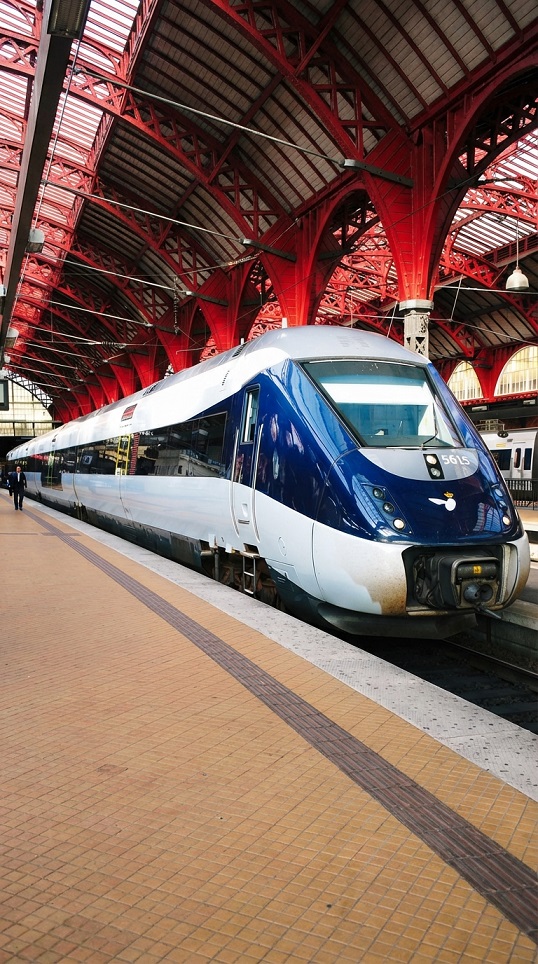
- Public transport: Punctual to the minute — trust it, and it will never let you down.
- Language: English is spoken widely and fluently, especially in cities — language barriers are minimal.
The biggest “surprise cost” here is weather + daylight. Pack for layers, plan for light, and everything feels easier.
Summers are short but intense; locals pack everything into them, so join the rhythm.Map
Northern Europe overview
A clean visual anchor so the region boundaries don’t blur.
This is the “mental model” map — handy when you’re deciding what to group together.
Which Countries Make Up Northern Europe?
On this site, Northern Europe = Nordics + Baltics. It’s a practical travel grouping: similar rhythms, excellent infrastructure, and a shared “quiet competence” that makes the whole region feel navigable.
Regions include
Northern Europe looks “similar” in photos — clean streets, good coffee, tidy harbors — but the personalities are distinct. This is the shorthand I use so the region doesn’t blur:
- Denmark — design-forward, cozy, and quietly confident (hygge with good logistics)
- Sweden — modern, balanced, nature-laced, and very “it’s fine, we planned it”
- Norway — big landscapes, calm towns, and weather that changes its mind mid-sentence
- Finland — understated, sauna-centered, and surprisingly funny once you tune in
- Iceland — raw, otherworldly, and built around whatever the weather allows today
- Estonia — digital-modern with medieval charm; small country, sharp edge
- Latvia — art, forests, and a “quiet city energy” that grows on you
- Lithuania — warm, baroque, and grounded; a great value surprise in the region
Important: We’re keeping UK & Ireland out of this hub on purpose so Northern Europe stays coherent.
You can find information on the United Kingdom, the Channel Islands and Northern Ireland under the British Isles. For convenience, you will also find the Republic of Ireland in the British Isles section although it is obviously part of the European Union now. If you’re hunting any of these, use the Europe hub or the A–Z country index.Note: This region page is orientation. Country pages are where we get properly specific (costs, seasons, cities, and the “what I’d actually do” details).
On the ground
How it flows
Trains, ferries, walking cities, and small rituals that make the day feel human.

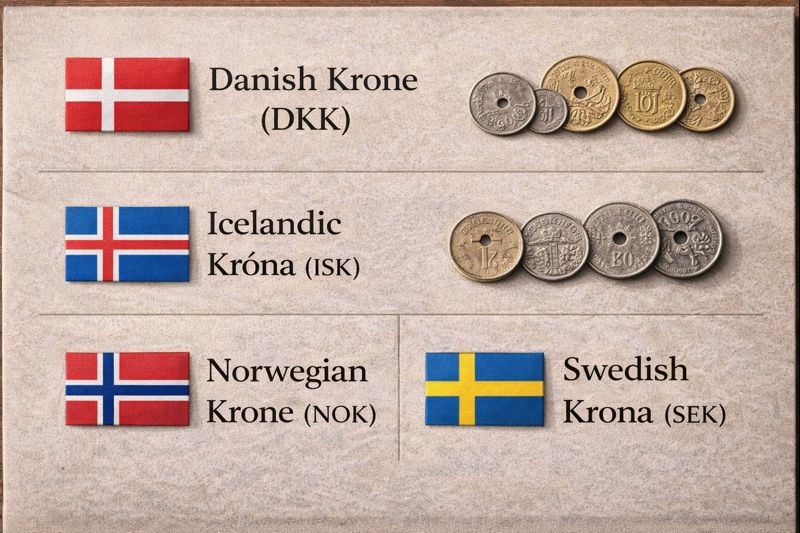
Money reality: you’ll bounce between currencies. It’s easy — but it’s worth noticing before you land.
Vibe Check — How Northern Europe Feels
This region has a specific emotional texture: practical, calm, and quietly beautiful. It doesn’t shout. It just delivers.

The atmosphere
Northern Europe feels composed. Cities run smoothly, people keep their cool, and even busy places tend to feel orderly. Meanwhile, nature is never far away — water, forests, cliffs, and wide-open skies show up quickly once you leave the center.
There's also a seasonal mood shift: summer brings late sunlight and open-air energy, while winter leans cozy and inward — candlelit cafés, wool blankets, and that concept of "hygge" (coziness as a lifestyle) you'll actually see in practice.
Comfort level
Comfort here is real — clean public spaces, reliable transport, and good “everyday systems.” However, the trade-off can be price, especially in the Nordics. If you plan your pace and your spend, you’ll love it.
English fluency is remarkably high, so language barriers are rare. Most people are helpful if you're polite and direct — just don't expect effusive warmth from strangers.Who it’s best for
Travelers who love nature without chaos, city people who want breathing room, and anyone who likes good design, calm routines, and the quiet satisfaction of things working properly.
Also great for solo travelers and introverts — the culture respects independence and doesn't penalize people for doing things alone.
Street Smarts — How to Blend In Without Trying Too Hard
You don’t need to “act local.” Still, a few simple habits will make Northern Europe feel friendlier and smoother.
People here can seem reserved at first. That’s not hostility — it’s personal space. Be polite, be calm, and don’t force the vibe. Once you share a few normal moments (a queue, a ferry, a coffee), warmth shows up quietly.
Volume & public space
Keep your voice a notch lower on trains and in cafés. It’s one of the fastest “tourist tells” in this region — and it’s an easy fix.
Shoes-off culture
In many homes (and sometimes smaller guesthouses), taking your shoes off is normal. If you see a row of shoes near the door, follow the hint.
Queues & timing
People queue neatly and value punctuality. If you’re late, apologize plainly and move on — no big drama needed.
Payment reality
Cards (and phone payments) are extremely common, especially in the Nordics. Still, I keep a backup card and a little cash for edge cases, because “my card won’t tap” is not the crisis you want on a windy ferry dock.
Alcohol pricing shock
If you're from outside Northern Europe: beer, wine, and spirits cost 2-3x what you might expect, especially in Norway and Sweden. Pre-game responsibly at grocery stores (Systembolaget in Sweden, Vinmonopolet in Norway) if you want to drink without hemorrhaging money.
Biking has actual rules
Bike lanes aren't suggestions. Don't walk in them, don't stop in them for photos. Cyclists will ring their bell exactly once as a warning, not an invitation to chat about it.Logistics Lite — The Easy Stuff You’ll Appreciate
Northern Europe is one of those regions where logistics can feel almost invisible — if you respect the seasons and book smart.
Borders & stay rules
Much of Northern Europe sits inside the Schengen travel zone, so once you’re in, moving around is usually simple. If you’re a visitor on a short stay, the “90 days in any 180” rule is the one to watch.
Border checks are becoming more digital, so expect occasional extra time at entry points — especially at major airports.
Visas & entry requirementsGetting around
Trains handle the city-to-city work well, and ferries are often part of the normal transport network (not a “tourist thing”). In summer, routes fill up fast — especially the scenic ones — so booking earlier can save both money and stress.
Logistics & transitPower, data, and basics
- Power: 230V / 50Hz. Mostly Type C/F plugs (Denmark also uses Type K).
- Connectivity: Excellent coverage. eSIMs work well and Wi-Fi is common.
- Water: Tap water is generally safe and often genuinely great.
The Un-Googleable Stuff — What You Only Notice After a While
This is the “real travel” part — not the checklist, the little levers that change the feel of a day.
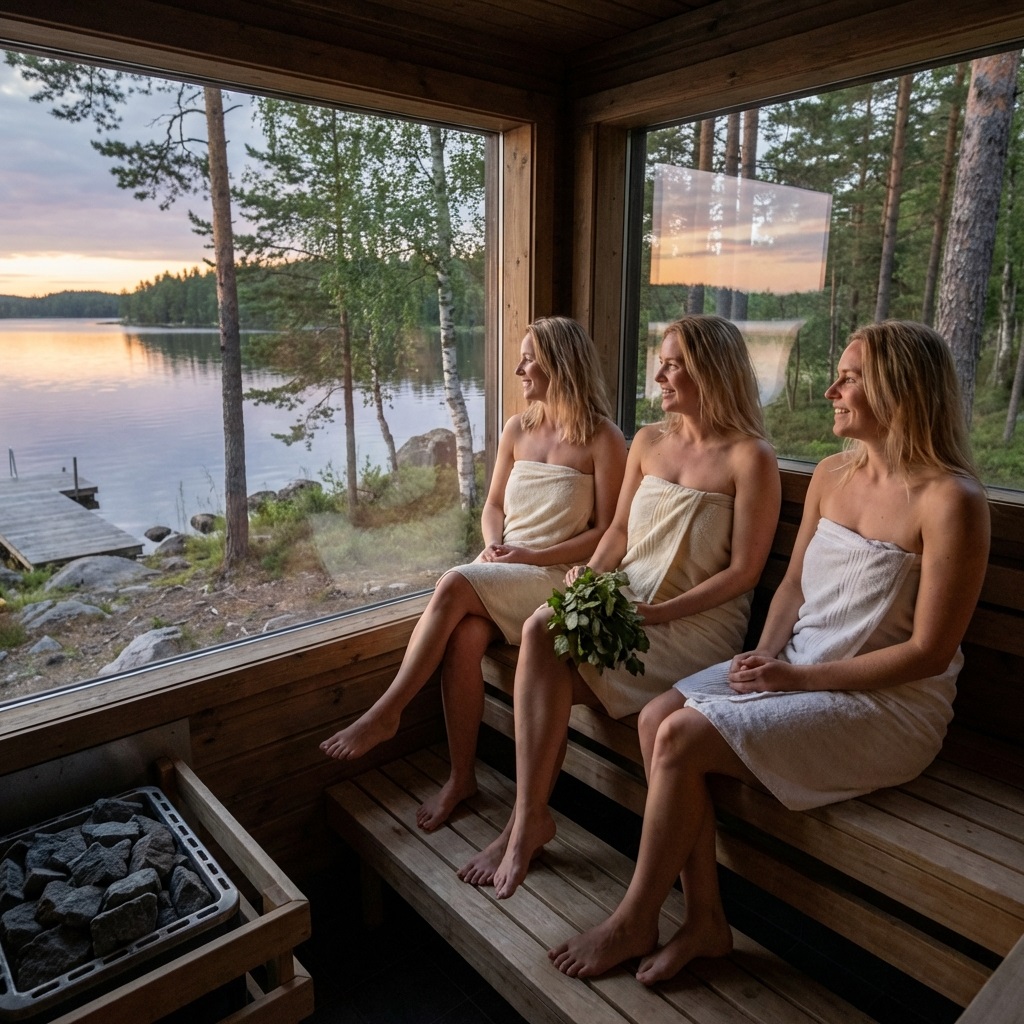
The light is the experience
Summer days can feel endless, and winter days can feel short. Either way, the light shapes your mood and your energy. Plan around it. You’ll enjoy the region more.
Small rituals matter
A simple café stop, a quiet harbor walk, a sauna session, a cinnamon bun moment — this region is built for “small good days.” If you try to power through like it’s a highlights reel, you’ll miss the point.
The best Northern Europe days aren’t loud. They’re clean, calm, and oddly satisfying — like your brain unclenched without you noticing.
A practical secret
Groceries here can be surprisingly good. Mixing “nice restaurant nights” with “beautiful supermarket dinners” is an easy win if you’re watching budget.
The Gap — Things Most Travelers Don’t Think to Ask
These aren’t warnings. They’re the small frictions you can avoid if you know what’s coming.
Cost vs value
The Nordics can be expensive — but the value is real if you travel with intention. Choose fewer paid “attractions” and invest in the experiences that match the region: nature, neighborhoods, and slow moments.
Weather isn’t a footnote
Wind, rain, and sudden shifts are normal. A good jacket and layers change the entire trip. Bad gear turns “beautiful” into “miserable.”
Summer sells out
Accommodation and scenic transport can fill quickly in peak season. If you’re going June–August, book earlier than your instinct suggests.
Northern Europe rewards the traveler who plans lightly but packs smart — and leaves space for weather, light, and calm.

How to Use This Region Page
This page gives you the broad emotional and logistical picture. Each country page goes deeper — costs, seasons, cities, and the practical “what I’d do first” details. Think of Northern Europe as the orientation, not the instruction manual.
If you’re choosing where to begin: pick one Nordic city + one nature anchor, then add a Baltic city if you want a lighter cost balance.
Join the conversation
Have you done Northern Europe slowly — or are you planning your first trip up north? Share what you’re excited about (or stuck on), and if you’ve got a favorite small city, ferry route, or “this surprised me” moment, drop it below so the next traveler can benefit.