LITHUANIA, WHEN YOU WANT BALTIC CHARM WITHOUT THE TOURIST CROWDS
Lithuania Travel Guide: Medieval Castles, Baltic Beaches
& Vilnius Baroque Done Right
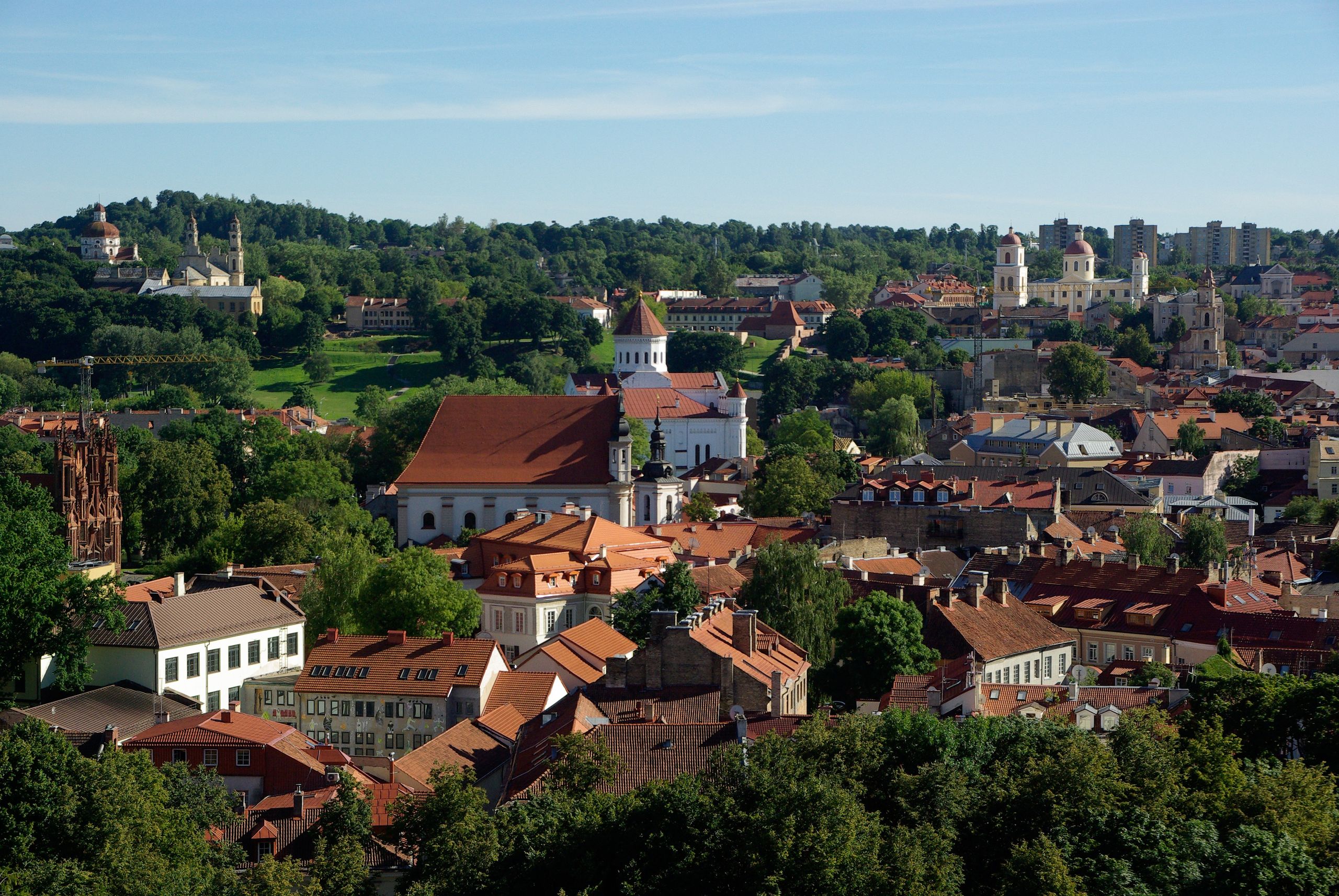
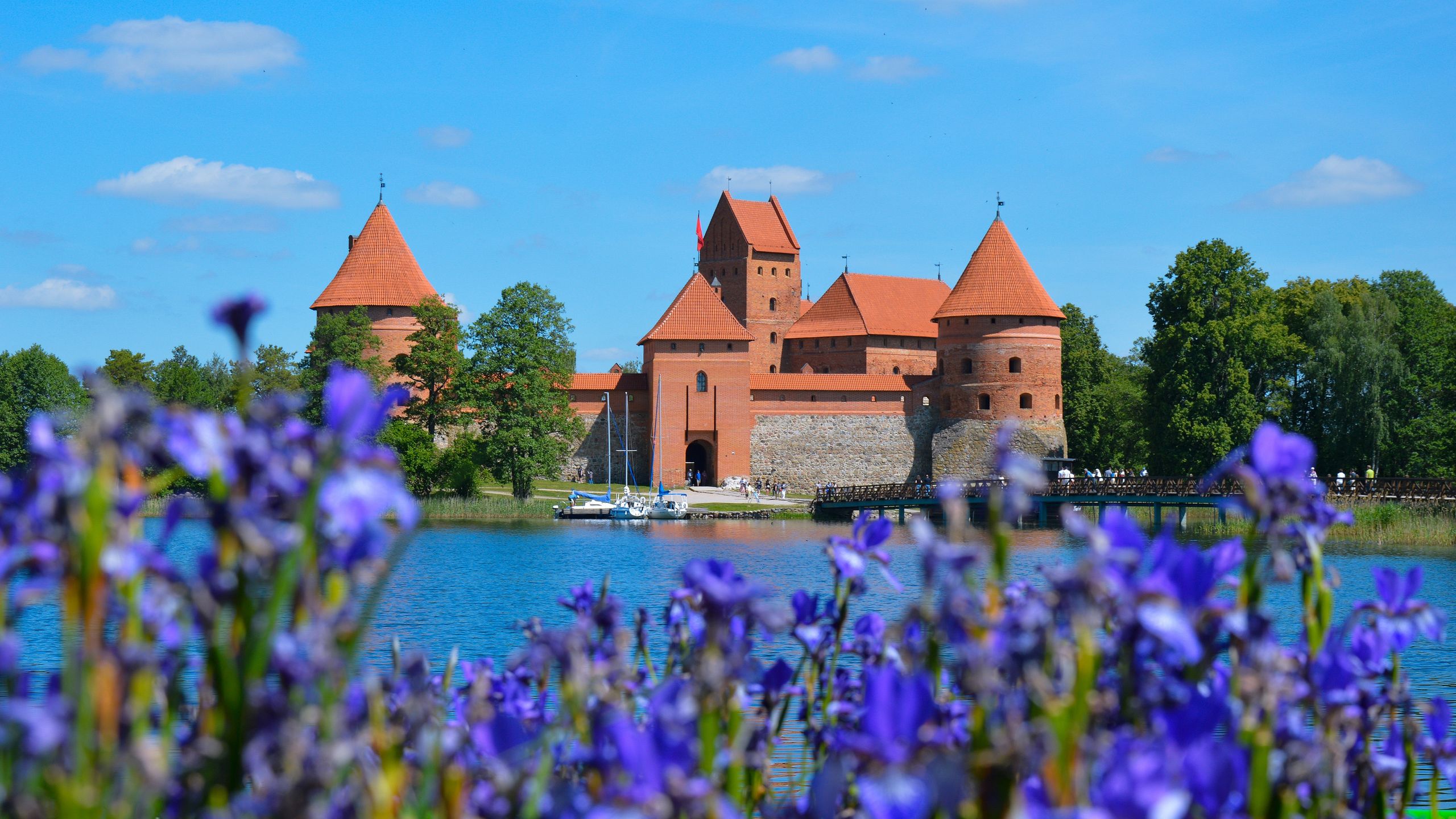
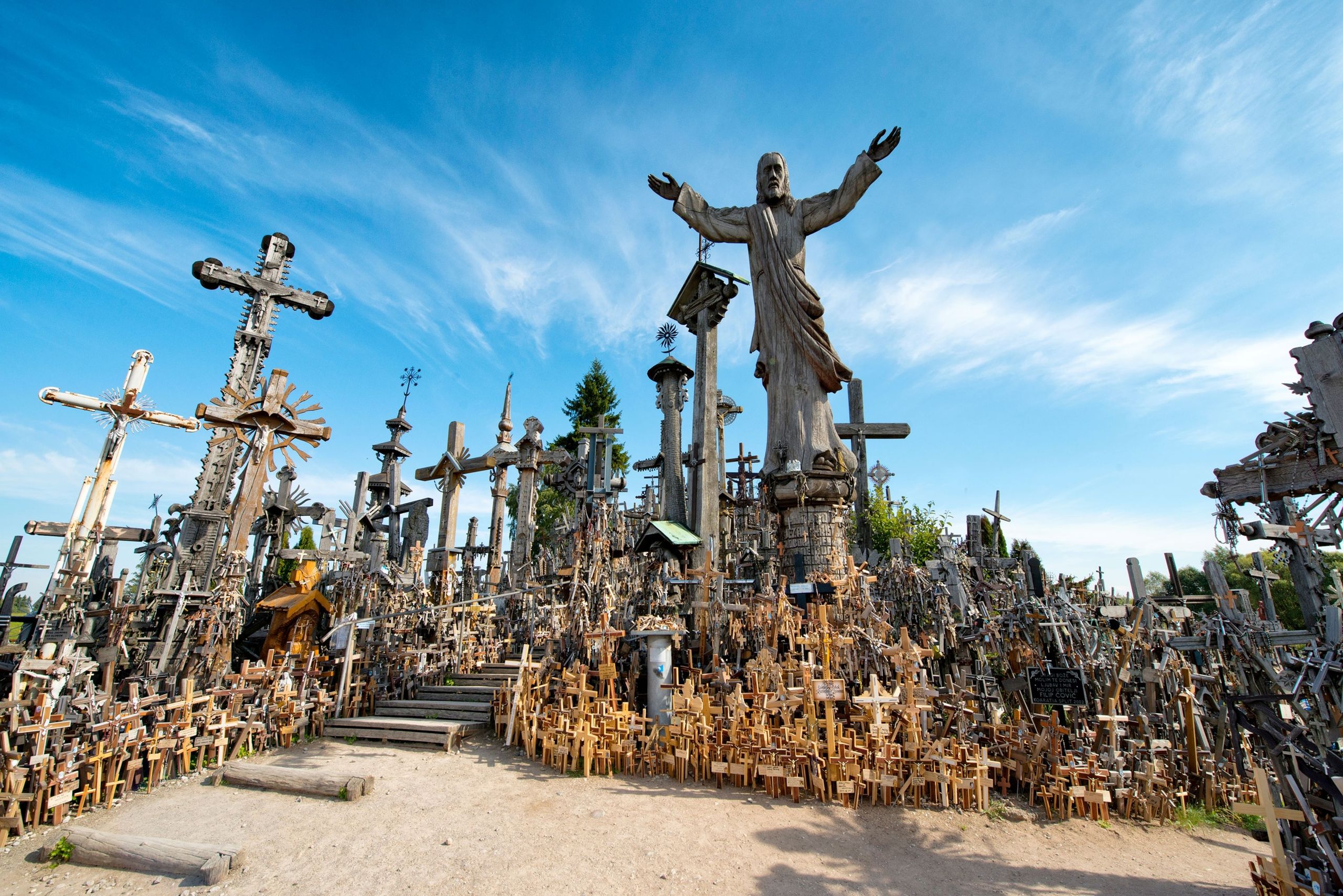
Lithuania is Europe's last undiscovered gem: Vilnius' UNESCO baroque Old Town rivals Prague without the crowds, Trakai Island Castle sits on a lake like a fairytale, and the Curonian Spit's massive sand dunes stretch along the Baltic coast. Add in the mystical Hill of Crosses, Soviet history you can touch, and a café culture that rivals Vienna's — all at prices Western Europe forgot.
My Lithuania approach is simple: base in Vilnius, explore the compact country by car or bus, and embrace the fact that you're discovering somewhere before everyone else does. This isn't a place tourists ruined yet. It's authentic, affordable, and accessible — if you know where to look.
Also, just so we're clear: Lithuania's weather is unpredictable year-round (bring layers always), winters are brutal (-15°C is normal), and outside Vilnius/Kaunas/Klaipėda, English thins. But if you want medieval castles, nature escapes, and a country that hasn't been Disneyfied, Lithuania delivers.
In a Nutshell (60-Second Scan)
If you only read one part, read this. Lithuania is Europe's best-kept secret — medieval beauty, nature escapes, and Soviet history at prices that feel like time travel.
- Best first move: Base in Vilnius for 2–3 nights, explore the Old Town, then day-trip to Trakai Castle (30 min).
- When it clicks: When you realize Vilnius delivers Prague's beauty at 30% of the crowds and cost.
- Money truth: Lithuania is budget-friendly — €40–70/day is doable with smart planning. Excellent value for Europe.
- Easy win: Vilnius Old Town + Trakai + Hill of Crosses in 3–4 days captures Lithuania's essence.
- Classic mistake: Skipping the Curonian Spit. It's a UNESCO sand dune peninsula unlike anywhere else in Europe — worth the 4-hour drive from Vilnius.
- Quiet flex: Lithuania's Soviet history is accessible, tangible, and deeply moving — KGB Museum, bunker tours, Grūtas Park.
Lithuania rewards a simple formula: Vilnius base + day trips + embrace unpredictable weather. You can see the highlights in 5–7 days, or slow down for 10+ days and explore deeply.
60-Second Fit Check
- Ideal trip length: 5–7 days (Vilnius + Trakai + Curonian Spit), 3–4 days (Vilnius + Trakai only), 10+ days (full Lithuania + Baltic loop).
- Best energy level: Low to medium — Lithuania is walkable, compact, and doesn't demand extreme adventure readiness.
- First-timer friendly: Very — especially Vilnius. English is widely spoken, logistics are easy, infrastructure is solid.
- Budget vibe: Budget to mid-range — Lithuania is one of Europe's best-value destinations.
- My simple rule: If you loved Prague or Krakow but hated the crowds, Lithuania is your place.
Lithuanian is one of the oldest living Indo-European languages — more archaic than Latin in some ways. It's also fiercely protected — Lithuanians survived centuries under foreign rule by preserving their language and culture.
The Lithuania That Clicks: Vilnius + Trakai + Curonian Spit Triangle
If you want Lithuania to feel like more than a quick stopover between Warsaw and Tallinn, build your trip around three core experiences: Vilnius Old Town (baroque architecture and café culture), Trakai Island Castle (fairytale fortress on a lake), and the Curonian Spit (UNESCO sand dunes meeting Baltic beaches). Add the Hill of Crosses and Soviet history sites as supporting acts, not the main event.
Here's what changes when you do this: the rhythm slows down. Vilnius' Old Town is one of the largest in Europe (359 hectares) but never feels crowded — you can wander cobblestone streets, duck into baroque churches, and sip world-class coffee without battling tour groups. Trakai Castle delivers postcard perfection 30 minutes from the city. The Curonian Spit feels like a different planet — massive sand dunes, pine forests, and fishing villages that time forgot.
The Hill of Crosses (100,000+ crosses on a pilgrimage site) is hauntingly beautiful and deeply spiritual — 2 hours north of Vilnius. Kaunas (Lithuania's second city) offers more real-Lithuania energy, basketball culture, and European Capital of Culture 2022 legacy. But if you're time-limited, prioritize Vilnius + Trakai + Curonian Spit — that's the Lithuania that sticks with you.
Days 1–2: Vilnius Old Town deep dive (Cathedral, Gediminas Tower, Užupis, cafés). Day 3: Trakai Castle + kayaking Lake Galvė. Day 4: Hill of Crosses day trip (early start, back by evening). Days 5–6: Klaipėda + Curonian Spit (Nida, Parnidis Dune, cycle routes). Day 7: Return to Vilnius, optional Kaunas stop.
Vibe Check: What Kind of Lithuania Are You Actually Here For?
Lithuania has distinct personalities depending on where you go. Decide your primary mood first, then build around it.
The Cultural Lithuania (Vilnius, Kaunas, architecture, cafés)
You want baroque churches, cobblestone streets, world-class coffee, museums, and that "discovering a European gem" feeling. Vilnius and Kaunas deliver — spring through fall is best, but winter Christmas markets add magic.
Plan like: Vilnius base + walking tours + café hopping + museum days.
The Nature Lithuania (Curonian Spit, forests, lakes, coastal beauty)
You want sand dunes, Baltic beaches, cycling through pine forests, and escaping cities entirely. The Curonian Spit is the star, but Lithuania's 33% forest coverage means nature is everywhere. Summer (June–August) is best for beach weather.
Plan like: Klaipėda + Curonian Spit base + cycling + beach walks + ferry rides.
The History Lithuania (Soviet past, castles, memorials, deep context)
You want KGB Museum, Soviet bunker experiences, Grūtas Park sculptures, Hill of Crosses pilgrimage, and to understand Lithuania's complicated 20th century. Any season works, but approach Soviet history with sensitivity — many Lithuanians have painful memories.
Plan like: Vilnius (KGB Museum) + Hill of Crosses + Grūtas Park + Ninth Fort (Kaunas).
Lithuania in Four Seasons: Same Country, Completely Different Experience
Lithuania's seasons aren't subtle — each one changes the vibe, costs, and logistics dramatically. Choose wisely.
🌸 Spring (March–May): The Awakening
- Weather: 5–15°C, unpredictable (snow possible March, warm by May). Rain common.
- Crowds: Low. Shoulder season — tourists haven't arrived yet.
- Prices: Shoulder-season rates — good value, 20–30% cheaper than summer.
- Pros: Blooming parks, Easter traditions, fewer tourists, cozy café culture, budget-friendly.
- Cons: Muddy trails, shorter hours for some attractions, unpredictable weather.
- Best for: Budget travelers, culture seekers, photographers chasing moody light.
☀️ Summer (June–August): Peak Everything
- Weather: 18–25°C (can hit 30°C). Long daylight (sunset after 10pm in June). Warm enough for Baltic swimming.
- Crowds: High in Vilnius Old Town, Trakai, Curonian Spit. Book ahead.
- Prices: Peak season — highest accommodation and tour prices.
- Pros: Best weather, festivals every weekend, Curonian Spit accessible, outdoor terraces, long days.
- Cons: More expensive, crowded hotspots, need to book 2–3 months ahead for Curonian Spit lodging.
- Best for: First-timers, families, beach lovers, festival-goers, outdoor enthusiasts.
🍂 Autumn (September–November): The Golden Season
- Weather: 15°C (Sep) to 2°C (Nov). Crisp, clear days. Beautiful foliage. Rain increases, first snow possible November.
- Crowds: Low after mid-September. Locals reclaim their cities.
- Prices: Shoulder-season deals — excellent value.
- Pros: Stunning fall colors, mushroom-picking season, cozy cafés, fewer tourists, lower prices.
- Cons: Days shorten quickly, some seasonal attractions close, weather can be gloomy.
- Best for: Nature lovers, photographers, budget travelers, authentic local experiences.
❄️ Winter (December–February): The Harsh Beauty
- Weather: -5 to -15°C (can drop to -25°C). Snow cover common. Short days (sunset by 4pm). Dry cold.
- Crowds: Very low (except Christmas/New Year). Quietest season.
- Prices: Lowest of the year — deep discounts on accommodations.
- Pros: Magical Christmas markets (Vilnius Cathedral Square), snow-covered landscapes, sauna culture, New Year's celebrations, ultra-budget prices.
- Cons: Brutally cold, icy sidewalks, limited daylight, some rural attractions closed, heavy winter gear essential.
- Best for: Winter lovers, Christmas market enthusiasts, budget travelers, photographers seeking stark beauty.
Lithuania's weather is notoriously unpredictable — "four seasons in one day" is real here. Pack layers year-round, always have rain gear, and build flexibility into your itinerary. Plans will change, and that's okay.
Street Smarts: Small Lithuania Rules That Save Big Stress
- Lithuania is very safe. Low crime, especially violent crime. Vilnius is safe to walk at night. Standard precautions apply (watch belongings in crowds).
- Emergency number: 112 (universal EU emergency). Police 110, ambulance 103, fire 101.
- Vilnius is walkable. Old Town is compact. Public buses €1/ride. Bolt rideshare app is cheap (€3–7 for most city trips).
- Intercity buses are excellent. LUX Express, FlixBus, Simple Express connect cities. Vilnius–Kaunas €8–12 (1.5h). Book online for best prices.
- Rental cars are useful but not essential. Great for Curonian Spit and countryside. Roads are good. Winter driving requires experience. €25–40/day.
- Learn basic Lithuanian phrases. Labas (hello), Ačiū (thank you), Prašom (you're welcome). Locals appreciate the effort.
- Grocery stores save money. Bónus is cheapest (€10–15 for daily supplies). Stock up for picnics and self-catering.
- Tipping isn't obligatory. Round up or 5–10% in restaurants if service was good, but it's not expected.
- Soviet history is sensitive. Many Lithuanians have painful memories of occupation. Approach museums and sites with respect.
- Nature is everywhere. 33% of Lithuania is forest. Respect trails, don't litter, follow marked paths.
Lithuania doesn't have mass tourism infrastructure yet — and that's part of its charm. Smaller towns have limited English, rural areas have sparse services, and tourist info can be minimal. But locals are warm once you break the initial reserve, and the country rewards curious travelers.
Logistics Lite
Lithuania becomes manageable when you handle the modern basics up front: entry rules, currency, transport, power, and "how to stay connected."
Entry rules & the Schengen reality
Lithuania is part of the Schengen Area and EU. For most visitors from visa-exempt countries (US, UK, Canada, Australia, etc.), you can stay up to 90 days within any 180-day period across the entire Schengen zone without a visa. Always confirm your personal situation based on nationality.
Visas & entry requirements (site guide)Border tech changes (EES / ETIAS)
The EU is rolling out the Entry/Exit System (EES) for automated border checks, and ETIAS authorization will eventually be required for visa-exempt travelers. This means biometric data collection at entry and a small pre-authorization fee. Check official updates closer to your departure.
Money (Euro) & everyday pricing
Lithuania uses the Euro (€) since 2015. Cards (Visa/Mastercard) accepted almost everywhere; contactless common. Prices: budget meals €8–15, mid-range restaurants €15–25, hostels €12–18, mid-range hotels €45–70, rental cars €25–40/day, groceries moderate. ATMs widely available in cities (Swedbank, SEB, Luminor).
Power + emergencies + the "save this now" list
Lithuania uses Type C and F plugs (European standard), 230V / 50Hz. Pack a universal adapter if coming from outside Europe. Mobile coverage is excellent in cities (Tele2, Telia, Bite).
- General emergency: 112
- Police: 110
- Ambulance: 103
- Fire: 101
Getting around: Buses + occasional car rental
Public transport in Vilnius is solid — buses/trolleybuses €1/ride. Between cities, buses are excellent (LUX Express, FlixBus). Vilnius–Kaunas €8–12 (1.5h), Vilnius–Klaipėda €15–20 (4h). Trains exist but buses are more practical. Rental cars useful for Curonian Spit and countryside — book early for summer.
Connectivity: SIM cards + WiFi
Prepaid SIM cards from Tele2, Telia, Bite cost €10–15 for 10–20GB + calls. Available at airports, supermarkets, mobile shops. Free WiFi in most cafés, restaurants, hotels. Public WiFi in Vilnius Old Town and Kaunas center. EU roaming included if you have an EU SIM — no extra charges.
Base Plans: 3 Simple Ways To Build a Lithuania Trip That Works
Pick one. Lithuania is compact and affordable — your "base plan" is really a choice about depth vs. breadth.
Plan A: Vilnius + day trips (5–7 days)
- Why: Best balance of depth and coverage. See highlights without constant packing/unpacking.
- Do: Base in Vilnius (3–4 nights), day trip to Trakai (30 min), Hill of Crosses + Šiauliai (day trip), optional Kaunas (1 night).
- Rule: This is the sweet spot for first-timers. Add Curonian Spit if you have 7+ days.
First-timers, culture lovers, anyone doing a Baltic loop (Lithuania + Latvia + Estonia).
Plan B: Grand Lithuania loop (10–14 days)
- Why: You see the full country — Vilnius, Trakai, Hill of Crosses, Curonian Spit, Kaunas, nature parks.
- Do: Vilnius (3 days) → Trakai (day trip) → Hill of Crosses (day trip) → Klaipėda + Curonian Spit (3 days) → Kaunas (2 days) → return.
- Rule: Rent a car for flexibility, or combine buses with strategic car rental days (Curonian Spit).
You experience Lithuania deeply — cities, nature, history, coast. Best for slow travelers.
Plan C: Quick Vilnius hit (3–4 days)
- Why: You're short on time or Lithuania is one stop on a bigger trip (Warsaw → Vilnius → Tallinn).
- Do: Vilnius Old Town (2 days), Trakai day trip (1 day), departure. Skip Curonian Spit and Hill of Crosses.
- Rule: Accept you're seeing Lithuania's greatest hits only. But that's still better than skipping it entirely.
Vilnius + Trakai capture Lithuania's essence in a long weekend. Low cost, high impact.
Costs & Pace: What Actually Moves the Needle in Lithuania
Lithuania is budget-friendly, but your spending is dictated by accommodation choices, food strategy, and season.
Let's be honest: Lithuania is one of Europe's best-value destinations. You can eat well, sleep comfortably, and explore deeply for €50–80/day per person if you're smart. However, you have control over three major levers: accommodations (hostels vs. hotels), food (grocery stores vs. restaurants), and season (shoulder vs. peak).
- Accommodation strategy: Hostels €12–18/night (dorm), budget hotels/Airbnb €30–45, mid-range hotels €45–70, upscale €80–150+.
- Food strategy: Grocery stores (Maxima, Rimi, Lidl) for self-catering — budget €12–20/day. Lunch specials (dienos pietūs) €5–8. Mid-range restaurant dinner €15–25. Fine dining €30–50+.
- Transport strategy: Local buses €1/ride. Bolt rides €3–7. Intercity buses €8–20. Rental cars €25–40/day + gas €50–80/week.
- Activity costs: Most attractions free or cheap. Museums €3–6. Trakai Castle €8. Tours €15–50. Nature (forests, beaches, viewpoints) free.
- Daily average: Budget €40–60/day, Mid-range €70–120/day, Comfortable €130–200+/day.
Lithuania rewards budget travelers more than almost any European country. Accommodation is affordable, food is cheap if you self-cater, and the best sights (Old Towns, nature, beaches) cost nothing. Your biggest expense will be transport if you rent a car.
🇱🇹 Lithuania Daily Rhythm Comparison
How your pace shapes your day (and your spend)
Prices are illustrative (EUR / €) to show the relationship between pace and spend — not a quote. USD conversions ~$1 = €0.92 (Feb 2026).
Un-Googleable Lithuania: Tiny Choices That Change the Whole Trip
These aren't "hidden gems." They're the small behaviors that make Lithuania feel like an adventure, not a checklist.
Read the Užupis Constitution slowly
Everyone photographs the "Republic of Užupis" sign, but the Constitution of Užupis (posted in 23 languages on Paupio street) is profound, funny, and deeply Lithuanian. "Everyone has the right to be happy." "Everyone has the right to be unhappy." "Everyone has the right to be unique." It's a 5-minute read that captures Lithuania's soul better than any museum.
Go to a basketball game (seriously)
Lithuanians are basketball-obsessed — it's more than sport, it's national identity. Žalgiris Kaunas games at Žalgiris Arena are electric (€10–30 tickets). Going to a game with locals is an unforgettable cultural experience. The energy, chants, and passion rival any European football match.
Try a traditional sauna (pirties)
Lithuanian saunas aren't spa experiences — they're social rituals. Žemaitijos Pirti in Vilnius charges €5–8 for sessions. Expect extremely hot steam, birch branch beating (vihta), and locals who've been coming for decades. Bring flip-flops and embrace the ritual.
Visit Kalvarijų Market on weekends
This massive outdoor market (Gariūnai) is where Vilnius locals go for everything from vintage clothing to car parts to bizarre discoveries. It's authentic local chaos — zero tourists, all Lithuanian. Open weekends only. Take bus from Vilnius. Bring cash.
Wild camping is allowed (with limits)
Lithuania's "right to roam" allows wild camping in forests (except protected areas) for 1–2 nights. Locals know the best spots — forests near Trakai, Aukštaitija National Park, Nemunas River islands. Just leave no trace. It's free, legal, and magical.
Never assume Lithuanians are Russian
Speaking Russian in Lithuania is complicated — most older people speak it (Soviet legacy) but many resent it as the occupier's language. English or Lithuanian is always better. Never assume they're Russian or confuse Baltic states with Russia — it's deeply offensive. Lithuania's independence is hard-won and fiercely protected.
Gap Analysis: Is Lithuania Right for Your Kind of Trip?
Lithuania is wonderful — but it's not for everyone. Here's the honest part (with fixes, not judgment).
You'll love it if…
- You want Europe's undiscovered gem before everyone else finds it.
- You appreciate medieval architecture and baroque beauty without crowds.
- You're comfortable with weather unpredictability (pack layers always).
- You value authenticity over polished tourism infrastructure.
- Budget matters — Lithuania offers excellent value for money.
- You're curious about Soviet history and willing to learn complex narratives.
Plan around it if…
- You need guaranteed warm weather (solution: visit June–August, accept rain still happens).
- You don't want to deal with unpredictable weather (solution: build flexible itineraries, embrace indoor culture).
- You're vegetarian/vegan and picky (solution: stick to Vilnius where options exist; elsewhere it's challenging).
- You need wheelchair accessibility (solution: Old Town cobblestones and historic buildings without elevators create challenges).
- You want beach resorts and hot weather (solution: Lithuania isn't this — the Baltic is cold even in summer).
Lithuania is best for travelers who value authenticity over convenience and discovery over luxury. If you want predictability and polished infrastructure, this isn't your place (yet).
Lithuania FAQs
Quick answers to the stuff people actually worry about.
How many days do I need in Lithuania?
Minimum 5–7 days for first-timers (Vilnius 2–3 days, Trakai 1 day, Hill of Crosses 1 day, Curonian Spit 2 days). Ideal 9–12 days for comfortable pace (add Kaunas, nature parks, slower exploration). 3–4 days works if you're just hitting Vilnius + Trakai highlights.
Is Lithuania expensive?
No, Lithuania is budget-friendly. Daily costs: Budget €40–60, Mid-range €70–120, Comfortable €130–200+. Much cheaper than Western Europe — comparable to Poland, Hungary, Czech Republic. Accommodation and food are excellent value.
Do people speak English in Lithuania?
Yes, in cities — especially among under-40s. Vilnius, Kaunas, Klaipėda have good English proficiency in tourist areas, restaurants, hotels. Countryside and older generations speak less English; Russian is more common (Soviet legacy) but politically sensitive. Learn basic Lithuanian phrases — locals appreciate effort.
When is the best time to visit Lithuania?
Best: May–June or September — pleasant weather (15–20°C), fewer crowds, lower prices, everything open. Peak: July–August — warmest (20–25°C), festivals, long days, but crowded and pricier. Budget: April–May or October — shoulder season deals, unpredictable weather. Winter (Dec–Feb) is magical for Christmas markets but brutally cold (-10 to -20°C) — only for winter lovers.
Is Lithuania safe for tourists?
Yes, very safe. Lithuania has low crime rates — Vilnius and other cities are safe to walk at night. Standard precautions: watch belongings in crowded areas, don't leave valuables in cars. Petty theft is rare but not unheard of in touristy spots. Emergency: 112. Solo travelers (including women) generally feel safe.
Do I need a car in Lithuania?
Not essential but helpful. Vilnius: walkable Old Town, good buses, Bolt rides cheap — no car needed. Trakai, Hill of Crosses: reachable by bus or tour. Curonian Spit, countryside, nature parks: car is very useful. Rental cars €25–40/day; roads are good. Alternative: Combine buses (Vilnius–Kaunas–Klaipėda) with strategic rental for Curonian Spit days.
Can I visit Lithuania, Latvia, and Estonia in one trip?
Yes — the "Baltic Loop" is popular. Distances: Vilnius–Rīga 300km (4h bus), Rīga–Tallinn 310km (4h bus). Minimum 10–12 days (3–4 days per country). Ideal: 14–16 days for comfortable pace. Route: Fly into Vilnius, bus to Rīga, bus to Tallinn, fly out (or reverse). Bus companies: LUX Express, Ecolines, FlixBus. Pro tip: Don't rush — each capital deserves 2–3 days minimum.
What should I eat in Lithuania?
Must-try: Cepelinai (potato dumplings with meat — national dish), Šaltibarščiai (cold pink beet soup — summer favorite), Kibinai (Karaim pastries from Trakai), Kugelis (potato casserole), Šakotis (tree cake for celebrations), black rye bread. Drinks: Lithuanian beer (Švyturys, Volfas Engelman), midus (honey mead), Starka (rye vodka), Trejos Devynerios (herbal liqueur). Food is hearty, heavy, comfort-focused — vegetarians need patience outside Vilnius.
Join the conversation
Are you visiting Lithuania for Vilnius' baroque beauty, Trakai's castle magic, the Curonian Spit's wild dunes, or Soviet history lessons? Share your rough itinerary and what you're most excited (or nervous) about — and if you've got practical tips (especially money-saving hacks or hidden local spots), help the next traveler discover Lithuania smarter.