NORWAY: WHERE THE DRAMA OF NATURE IS THE MAIN EVENT
Norway Travel Guide: Majestic Fjords
and the Magic of the Arctic Circle
Norway is the heavy hitter of Scandinavia. It is a land of vertical extremes—where jagged peaks drop straight into deep blue water.
My Norway approach is about getting off the ship. While the coastal cruises are iconic, the "real" Norway is felt when you're standing on a rock, 600 meters above the water, breathing in the cleanest air in Europe.
From the cultural pulse of Oslo to the jagged "shark-tooth" peaks of the Lofoten Islands, this is a country that doesn't just show you scenery—it dares you to step into it.
What catches people off guard is how quiet the drama is. There's no fanfare, no signage telling you to be impressed — just a path, a ridge, and suddenly a view that stops your breath. Norway doesn't perform for tourists the way some countries do. It simply exists at a scale that makes everything else feel small. And that's the thing: once you've stood on a Norwegian hillside at dusk, with the light turning the fjord into hammered silver, the rest of the world's "must-see" lists start to feel a little thin.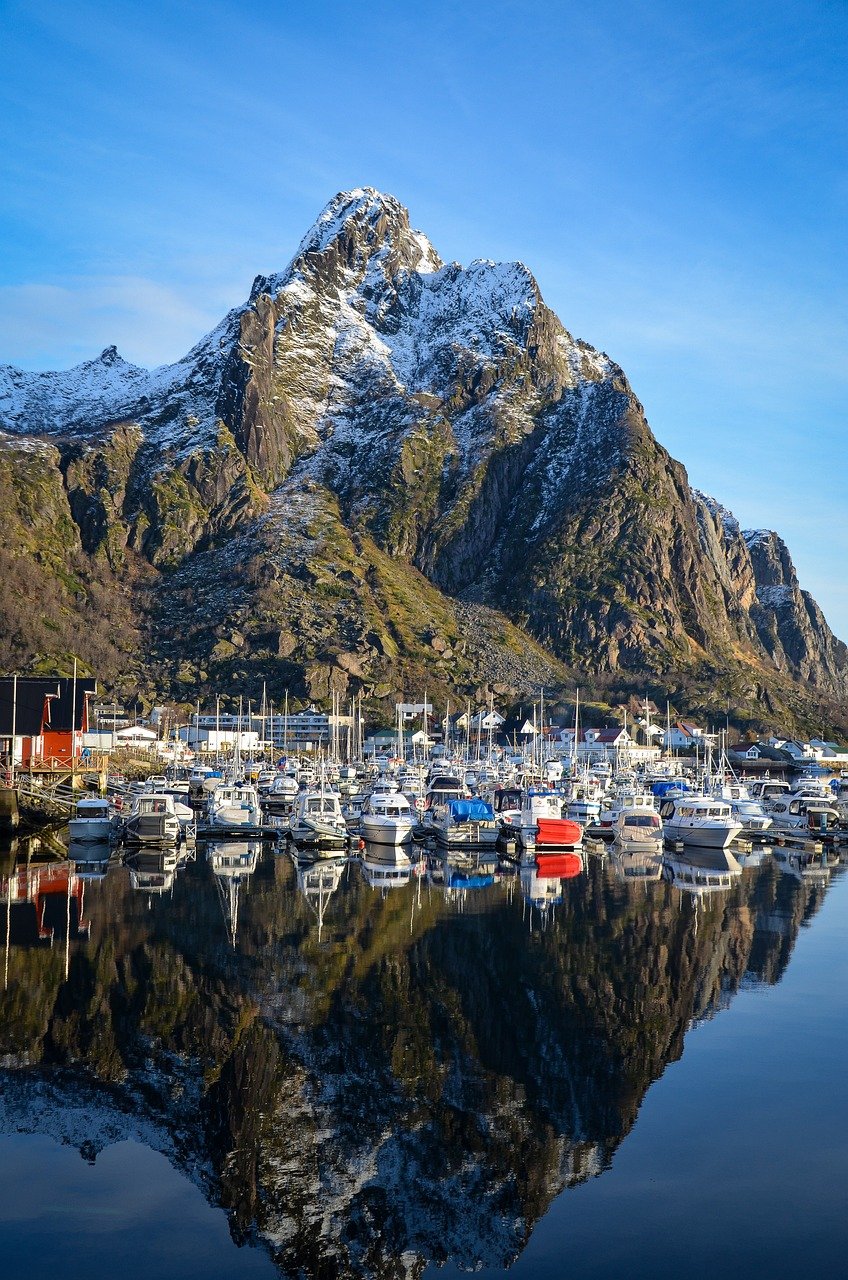
In a Nutshell (60-Second Scan)
Norway is vast. If you try to see everything, you'll spend your whole trip in a car. Focus on one region and go deep.
- Best first move: Take the Norway in a Nutshell route from Oslo to Bergen. It hits the highlights (trains and ferries) in a single day.
- When it clicks: Standing on a ferry in Geirangerfjord with waterfall mist hitting your face.
- Money truth: It is famously expensive. No-one carries cash, and "Matpakke" (packed lunch) is a national tradition to save money.
- Easy win: Download the Entur app. It coordinates every bus, train, and local ferry in the country.
- Classic mistake: Underestimating driving times. 100km takes 3 hours because of the tunnels, ferries, and bends.
60-Second Fit Check
- Ideal trip length: 7 days (Fjords) to 14 days (Arctic North + South).
- First-timer friendly: High. English is spoken perfectly, and everything is safe and organized.
- Budget vibe: High. It’s a treat-yourself destination where "value" comes from the scenery.
- My simple rule: The smaller the boat, the better the fjord experience. Large cruises can't enter the narrowest UNESCO arms.
The Norway That Clicks: Bergen + The Flåm Railway
For most, Norway clicks when you transition from the city to the wild. Start in Bergen—the gateway to the fjords. Walk the Hanseatic wharf at Bryggen, but then immediately head for the mountains.
The Flåm Railway (Flåmsbana) is one of the world's steepest standard-gauge lines. It drops 860 meters to the Aurlandsfjord. From there, take an electric ferry through Nærøyfjord. It's so narrow and silent that you feel the gravity of the cliffs hanging over you.
Stay overnight in Aurland instead of Flåm. It’s 10 minutes away but feels 100 miles removed from the cruise crowds.
And here's the thing about Bergen itself — don't just treat it as a launching pad. It earns a full day on its own. The old wharf looks best in the early morning before the cruise passengers arrive, the fish market is worth a proper breakfast, and if the clouds lift, the cable car up Ulriken will reframe the entire city below you.The real Norway isn't a single moment — it's the slow accumulation of a train dropping through mountain tunnels, a ferry cutting through water so still it looks like glass, and a small town at dusk where the loudest sound is the wind. Aurland at night, with the fjord black and the mountains invisible, is the kind of quiet that feels almost aggressive after a city. That's when you know you've actually arrived.
Vibe Check: Which Norway Are You Chasing?
The Cultural Norway (Oslo)
You want the MUNCH Museum, the Opera House roof walk, and a vibrant coffee culture. Oslo is sophisticated, green, and walkable.
Plan: Waterfront walk + Bygdøy museums + local seafood dinner.
The Epic Fjord Norway (Bergen & West)
You want the classic landscapes. Deep water, high cliffs, and historic wooden villages like Undredal.
Plan: Bergen Railway + Fjord cruise + goat cheese tasting.
The Arctic Frontier (Tromsø & North)
You want the Northern Lights, husky sledding, and the midnight sun. It's remote and breathtakingly beautiful.
Plan: Aurora chase + Sami cultural visit + Arctic cathedral.
Norway in Four Seasons: The Transformation
Norway doesn't just change weather; it changes its entire personality every three months.
- Spring (April - May): The time of Vårløsning (the thaw). Waterfalls are at their absolute peak as the snow melts. In the Hardangerfjord region, fruit trees blossom against a backdrop of snow-capped peaks. It's the most dramatic time for scenery.
- Summer (June - August): Peak season for high-altitude hiking. Above the Arctic Circle, the Midnight Sun provides 24 hours of daylight, meaning you can hike at 2 AM. This is when the famous rock formations like Trolltunga are accessible.
- Autumn (September - October): The landscapes turn electric shades of gold and red. It's the best time for "Mountain Hygge," berry picking, and hiking without the crowds. The Northern Lights begin appearing in the North by late September.
- Winter (November - March): A true snowy wonderland. Ideal for skiing, dog sledding, and "Blue Hour" photography. In the far north, the sun doesn't rise at all for several weeks (Polar Night), making the town lights feel incredibly cozy.
Visit in late May or early June. You get the green valleys, the booming waterfalls, and the midnight sun, but skip the heaviest August crowds.
Logistics Lite
Entry & Tech (2026)
Norway is Schengen but not EU. Travelers will need ETIAS (starting late 2026) and must register via the EES (Entry/Exit System) at the border.
Money & Payments
Currency: Norwegian Krone (NOK). Cash is essentially obsolete. Even small mountain huts take contactless payments. You will likely never need a physical coin.
Power & Plugs
Standard European Type F / C plugs. Voltage is 230V / 50Hz. Pack a sturdy adapter if coming from the UK/US.
Emergencies
- Police: 112
- Ambulance: 113
- Fire: 110
Costs & Pace: Controlling the Nordic Spend
Norway is one of the world's most expensive countries. Your pace is your biggest budget lever.
The "Norway Tax" is real, especially on alcohol and dining out. However, nature is free. Here is how to balance the books:
- The "Matpakke" Rule: Buying lunch out daily will destroy your budget. Do as the Norwegians do: hit a supermarket (REMA 1000 or Kiwi) and pack a high-quality picnic for your hikes.
- Slow Down to Save: Moving across Norway is expensive (ferries and fuel). Spend 3 days in one fjord arm rather than racing through three arms in 3 days. You'll see more and spend less on transit.
- Public vs. Private: Use the public express boats (Hurtigbåt) rather than tourist-only cruises where possible. They use the same water and see the same cliffs for a fraction of the price.
🇳🇴 Norway Daily Rhythm Comparison
~€120–€170/day
~€220–€340/day
~€450+/day
Norway FAQs
Can I see the Northern Lights from Oslo?+
Very rarely. For a reliable Aurora experience, you must head North of the Arctic Circle (Tromsø, Alta, or Lofoten) between September and March.
Do I need to tip in Norway?+
Tipping is not mandatory as service is included. Rounding up the bill or adding 5-10% for exceptional service is appreciated but never expected.
What is "Norway in a Nutshell"?+
It is a self-guided tour using public transport (train, bus, ferry) that connects Oslo and Bergen via the Aurlandsfjord and Nærøyfjord. It is the most efficient way to see the highlights.
Join the conversation
Are you chasing the aurora in the North, the design of Oslo, or the silence of the fjords? Share your plan below—and if you've found a secret "hytte" cabin that we should know about, pay it forward!