Free Spirit Travel
Free Spirit Travel
Around The World With Rob
Free Spirit Travel

COAST, COUNTRY AND A HEALTHY RESPECT FOR DISTANCE

Australia Travel Guide: Big Country, Better Choices

This Australia travel guide starts with a warning about scale. Australia can make a perfectly sensible traveller lose all sense of it. Sydney for a few days, a quick look at the reef, a little drive through the outback… and suddenly the holiday needs another month. The decision that saves the trip is which Australia you actually want.

The coast, the Red Centre, tropical Queensland, Tasmania and the cities offer very different journeys. Choose the landscape or experience that matters most, then build around it. A domestic flight can connect two regions; it cannot give you back a day spent packing, checking in and waiting.

My advice: leave room for the ordinary pleasures as well. A neighbourhood breakfast, a coastal walk and a conversation in a small town belong in the holiday too. Nobody needs to fly this far just to become exceptionally familiar with airport cafés.

By Rob Wheatley – Program Director & traveler Editorial review: November 2026 Currency: AUD ($) Region: Oceania
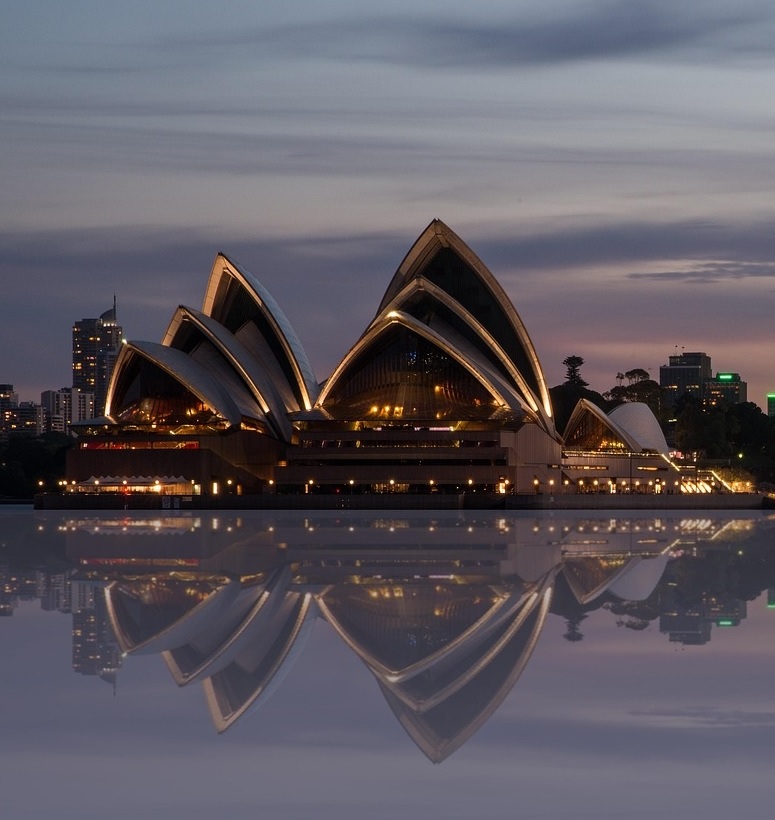
Sydney Harbour, Australia
Australia: choose the experiences that matter to you, then make room to enjoy them.
Currency
Australian dollar (AUD)
Driving
On the left
First decision
Choose your region

Australia travel guide in 60 seconds

I’d give Melbourne a few unhurried days. Sydney makes an excellent argument for the harbour, and a road trip is a different trip again. The map makes it all look quite manageable until you start putting hours against the distances.

My takeaway Choose a region and a season before you start joining the dots.

Want the full picture? Check out the Chapter Index below.

Australia chapter index14 shortcuts to the guide

Australian visa finder

Start here · 60-second scan

Australia: the decisions that matter

PICK A REGION
  • Start with a region: New South Wales, Victoria, Queensland, Tasmania and Western Australia are substantial choices in their own right.
  • Make the Red Centre a deliberate part of the trip, with transport and heat planning built around it.
PLAN THE DISTANCE
  • Compare actual driving times before deciding that two places are neighbours.
  • Mix a city stay with nearby coast or countryside if you want variety without another airport.
KEY TAKEAWAY
  • Take beach flags, regional warnings and biosecurity declarations seriously.
  • Allow enough money for the accommodation and travel you actually book—not an internet average.

Choose one main region, then add a complementary experience only when the time and connections work.

A region is a holiday, not a compromise
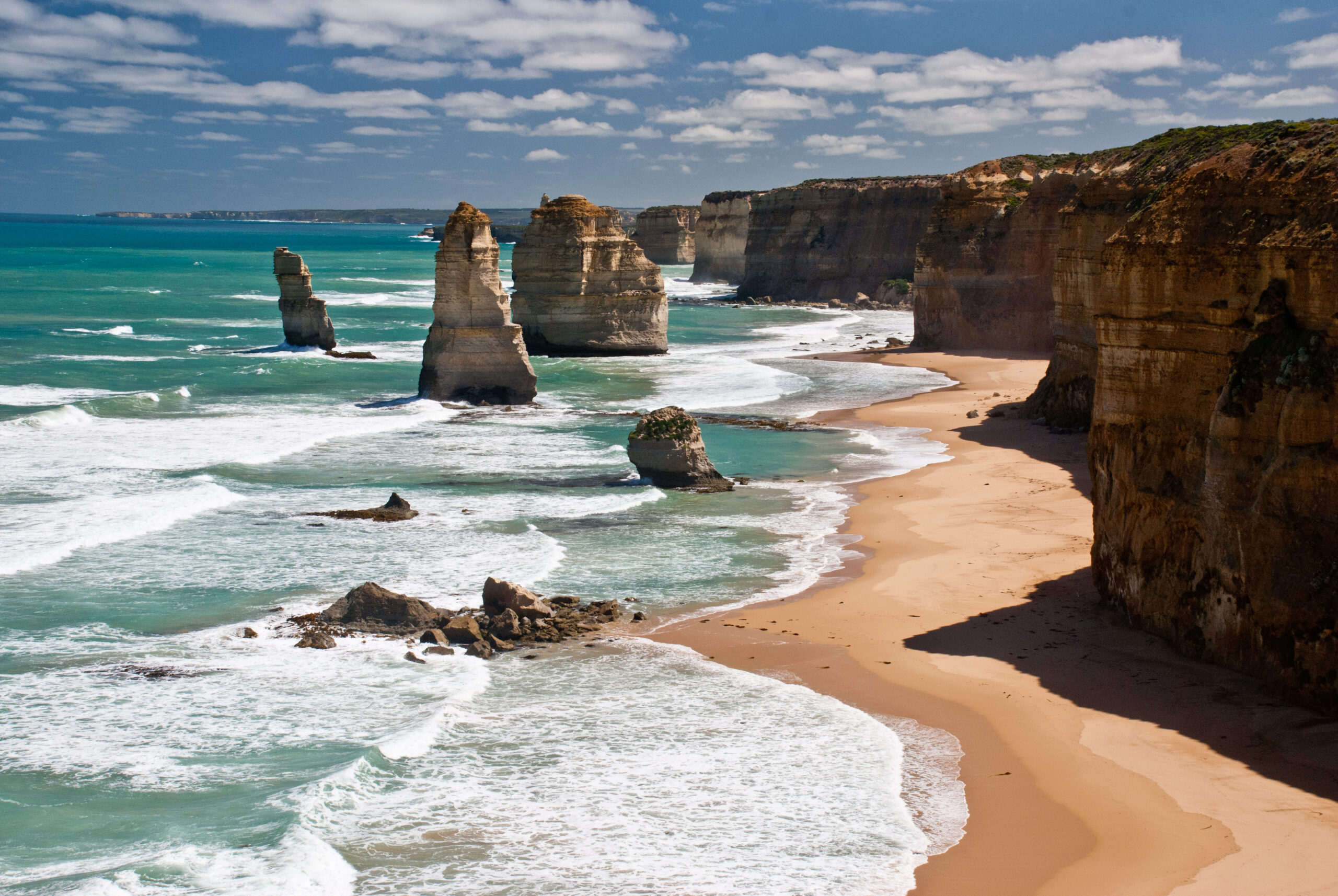
Twelve Apostles coastline on the Great Ocean Road in Victoria Australia
The coastline is spectacular, but route logic matters more than mileage bravado.

For a first visit, compare a Sydney and New South Wales stay, a Melbourne and Victoria trip, or a Queensland reef-and-rainforest journey. Each gives you a real holiday without a compulsory cross-country dash. For a day ashore through my eyes, read Sydney: The Heads at Dawn.

If the Red Centre is your main reason for coming, build around it and add a city only when the flights and available days work. A route is a choice about what you value—not a test of how much ground you can cover.

Coast, outback or city life?

In other words, Australia has multiple personalities. First, pick your primary mood, then layer one complementary mode.

Coast & Nature Australia

You want beaches, ocean walks, national parks, and open-sky days. Think Sydney coast walks, Great Ocean Road, Whitsundays, and reef or rainforest combinations.

Plan like: fewer bases, more full days outdoors, weather-aware flexibility.

Outback & Scale Australia

You want red landscapes, dawn light, and that “small human / big earth” feeling. Uluru and central desert regions deliver that in a way few places can.

Plan like: short but focused outback leg + clear transport and hydration planning.

City + Food + Culture Australia

You want neighborhoods, cafés, markets, museums, and a modern city rhythm. Sydney and Melbourne do this brilliantly, with easy add-on nature escapes.

Plan like: apartment base, transit-first days, one structured outing + one free-flow block.

Rob’s aside

The map has been very economical with the truth

On a world map, Sydney and Perth look like two perfectly reasonable dots in the same country. That is how maps get you into trouble.

Tourism Australia lists the road journey at over 4,000 kilometres. Calling that a little drive is rather like calling a wedding a quick lunch.

My rule: zoom in before you book. Australia hasn't moved the destinations closer together just because you've only got a fortnight.

Read more: Tourism Australia: distances and transport

When to go: the north and south play by different rules

Uluru landscape in Australia
Australia’s timing matters: seasons are reversed, and the tropical north follows wet/dry rhythms.
  • Summer (Dec–Feb): Great for southern coasts and beach life, but can be very hot inland.
  • Autumn (Mar–May): Excellent shoulder season for city + road trip combinations.
  • Winter (Jun–Aug): Strong window for tropical north and Red Centre touring; southern cities are cooler.
  • Spring (Sep–Nov): Balanced all-round season for mixed routes and active outdoors days.
Keep in Mind

Northern Australia often follows wet/dry cycles more than classic four-season expectations. Therefore, check region-specific weather before locking flights and tours.

Sun, surf and long roads: the risks to take seriously

Australia is generally straightforward for travelers, and most stress is preventable with a few non-negotiables.

Water, heat, and distance are the real risk factors

  • Use sun protection daily because UV can be intense even on cloudy days.
  • In remote or hot regions, carry more water than you think you need.
  • Don’t underestimate drive times — fatigue and long distances catch people out.
  • Tell someone your route if you’re heading remote.

Beach and marine safety basics

  • Swim at patrolled beaches and between the red/yellow flags.
  • Check local surf or marine alerts before entering the water.
  • If stung or in trouble, follow lifeguard instructions immediately.
  • Also, respect warning signs — they exist for a reason.

Emergency setup that takes two minutes

  • Emergency number: 000 (Triple Zero).
  • Before heading out, save your accommodation address offline for taxi or emergency use.
  • Also, keep your phone charged and share your location on big travel days.
  • Have travel insurance active before remote legs.

Everyday details that make Australia easier
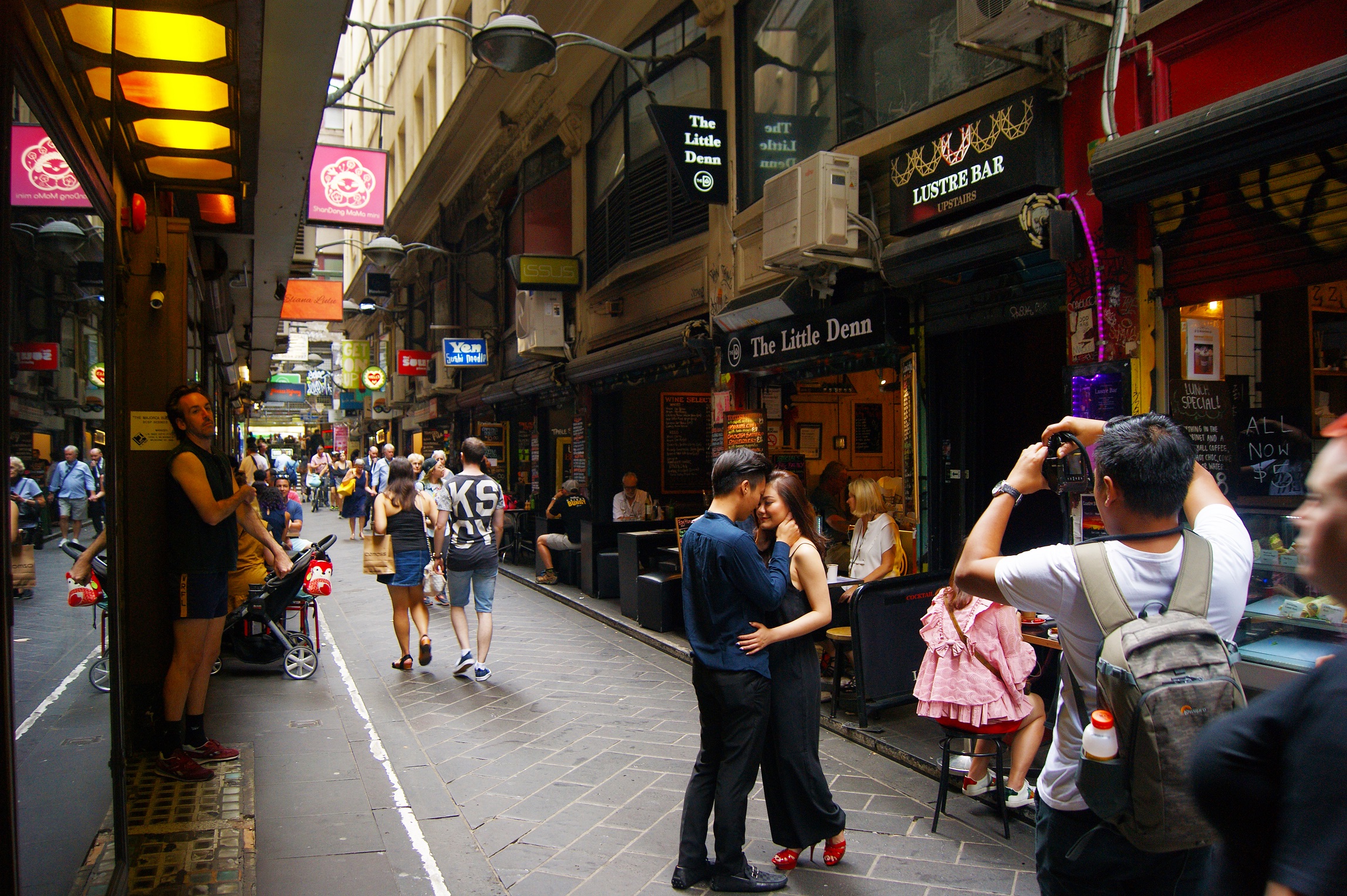
Melbourne laneway with cafes and urban street art
Australia’s city moments are strongest when you leave room for neighborhood flow, not just landmarks.
  • Distances are bigger than they look. A “quick hop” can be a full travel day.
  • Don’t pack every day to 100%. Instead, keep a buffer for weather and delays.
  • City transit is strong. Use trains/trams/ferries where possible before defaulting to rideshare.
  • Coffee culture is real. Your best mornings are often local cafés, not hotel queues.
  • Book icons early. After all, popular experiences can sell out in peak windows.
  • Phone + maps offline. Useful in national parks and longer drives.
  • Driving is left-side. Therefore, give yourself one calm day before longer road legs.
  • Pace beats pressure. In Australia, better flow almost always beats longer checklists.
Rob’s take

Most itinerary frustration in Australia is self-inflicted by over-scheduling. Instead, trim one stop and add one recovery block. As a result, the whole trip can feel more manageable.

Entry, biosecurity and getting around

Australia becomes easy when you lock five basics early: entry, biosecurity, money, emergency setup, and route transport.

Emergency and weather warnings

Save 000 for emergencies and check official warnings during active weather periods, especially for bushfire, flood, or cyclone risk in affected regions.

  • Emergency: 000 (Triple Zero)
  • Official weather warnings: BOM warnings service
  • Beach conditions: Beachsafe before swim days

Driving notes for visitors

Australia drives on the left. Therefore, long rural legs need conservative timing and fuel planning. Avoid night driving in remote wildlife zones when possible, and plan rest breaks into every long day.

Reminder

Route quality is about realism, not bravado. After all, it is better to arrive early and steady than push distance and lose the next day.

Three starting points for your Australia itinerary

Pick one structure and commit. After all, Australia rewards route clarity more than itinerary ambition.

Plan A: East Coast + City Contrast

  • Why: Easiest first-timer rhythm with great infrastructure and broad variety.
  • Do: Sydney + Melbourne (or Brisbane) with one coastal/nature day set.
  • Rule: Avoid stacking early flights back-to-back on days 2–4.
Who it suits

First-timers, mixed-interest travelers, and anyone who wants city comfort plus natural highlights.

Plan B: Red Centre Focus + One City

  • Why: Maximum landscape contrast and iconic outback energy.
  • Do: Uluru/Kata Tjuta-focused leg + city recovery block before or after.
  • Rule: Build around heat and sunrise/sunset windows.
The win

You get the “big Australia” feeling without trying to cover impossible distance.

Plan C: One State Deep Dive

  • Why: Lowest transit fatigue, strongest local immersion.
  • Do: Victoria/Tasmania/WA-focused trip with 2–3 bases max.
  • Rule: Leave white space for weather pivots and local discovery.
Why it works

Fewer transfers = better sleep, better food, better memories.

What makes an Australian holiday expensive
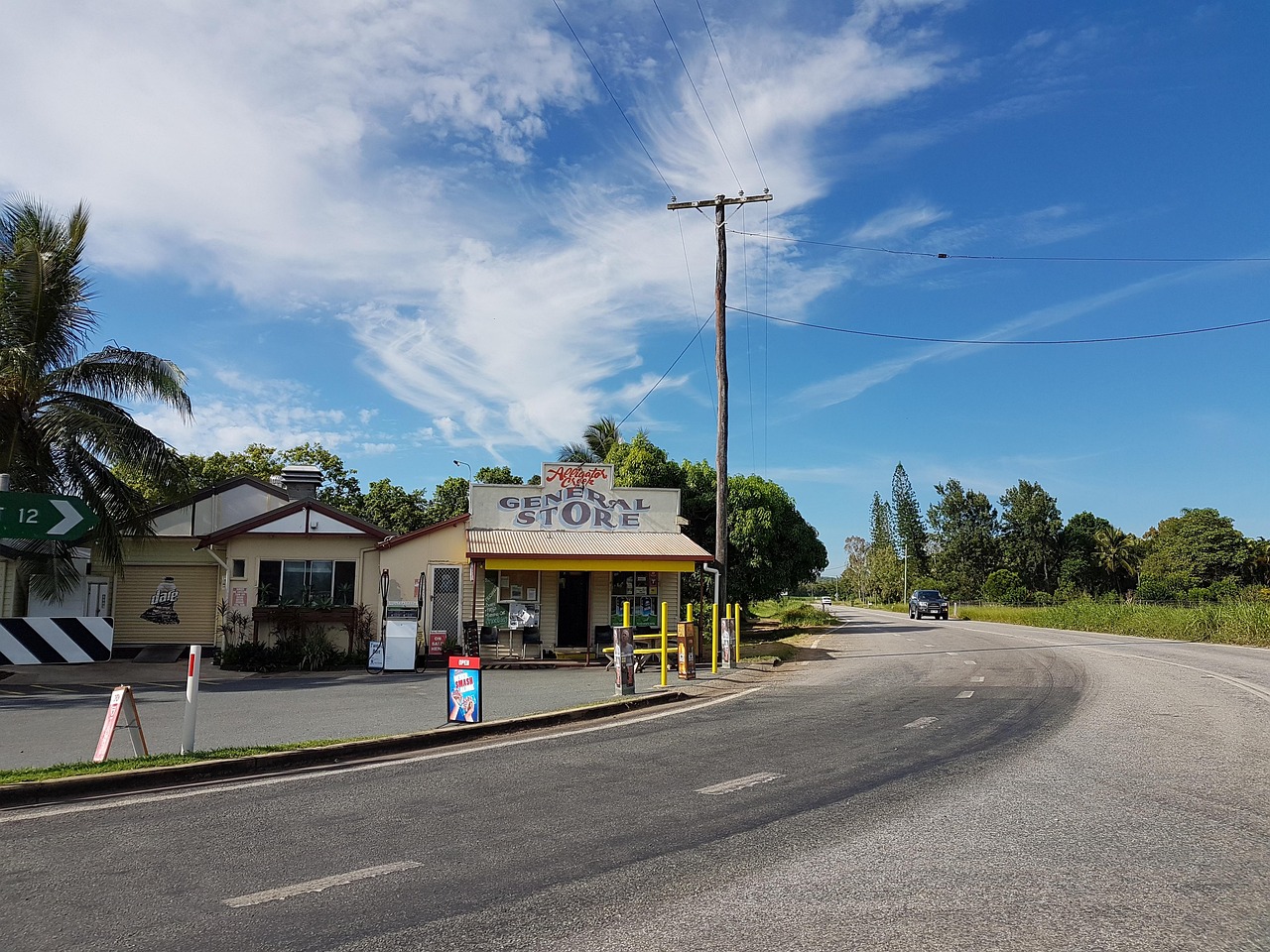
Outback town in Australia
Australia is easier on budget when your pace is deliberate and your base count stays low.

Accommodation, transport and paid activities all shape the bill. Frequent moves can add airport meals, baggage charges and extra transfers. However, staying longer in a luxury property can also cost more. Compare your actual bookings rather than assuming slower always means cheaper.

  • Accommodation: Compare live prices for your dates, including taxes, room occupancy and cancellation terms. Kitchen access can help with meal costs.
  • Food strategy: Supermarket breakfast/lunch + café dinner rotation cuts spend without killing the experience.
  • Transport strategy: City transit passes + selective domestic flights beat random point-to-point chaos.
  • Activity strategy: Mix paid highlights with free coast walks, parks, and local market days.
Reality Check

If you plan Australia like a checklist sprint, it gets expensive and tiring. If you plan it like a rhythm, it gets richer and usually cheaper.

Price the whole trip: Compare accommodation, meals, baggage, transfers and activities for your dates. Sample days below illustrate different paces; they are not current price quotations. A quieter day is not automatically a cheaper one.

🇦🇺 Australia Daily Rhythm Comparison

How pace changes both energy and spend

Relaxed
2–3 anchors
8:30 AM
☕ Local flat white + easy breakfast
10:00 AM – 1:00 PM
🚶 Coastal walk / city neighborhood loop
1:30 PM
🥗 Casual lunch + reset
4:00 PM
🌇 Golden-hour viewpoint or beach time
7:00 PM
🍽️ Dinner + early night
Energy:
Moderate
4–5 anchors
7:00 AM
☕ Early start + quick fuel
8:30 AM – 2:00 PM
🚌 Structured day tour / long scenic day
2:30 PM
🥪 Late lunch + short break
4:30 PM – 6:30 PM
📷 One focused highlight stop
8:00 PM
🍽️ Dinner + planning for next day
Energy:
Intensive
6+ anchors
5:30 AM
☕ Airport start / early transfer
7:00 AM – 2:00 PM
✈️ Transit + baggage + check-in shuffle
2:30 PM
🍔 Quick lunch in-between stops
3:30 PM – 8:30 PM
🏁 Compressed highlight sprint
9:30 PM+
😵 Late dinner + full fatigue
Energy:

A Sydney morning worth leaving space for
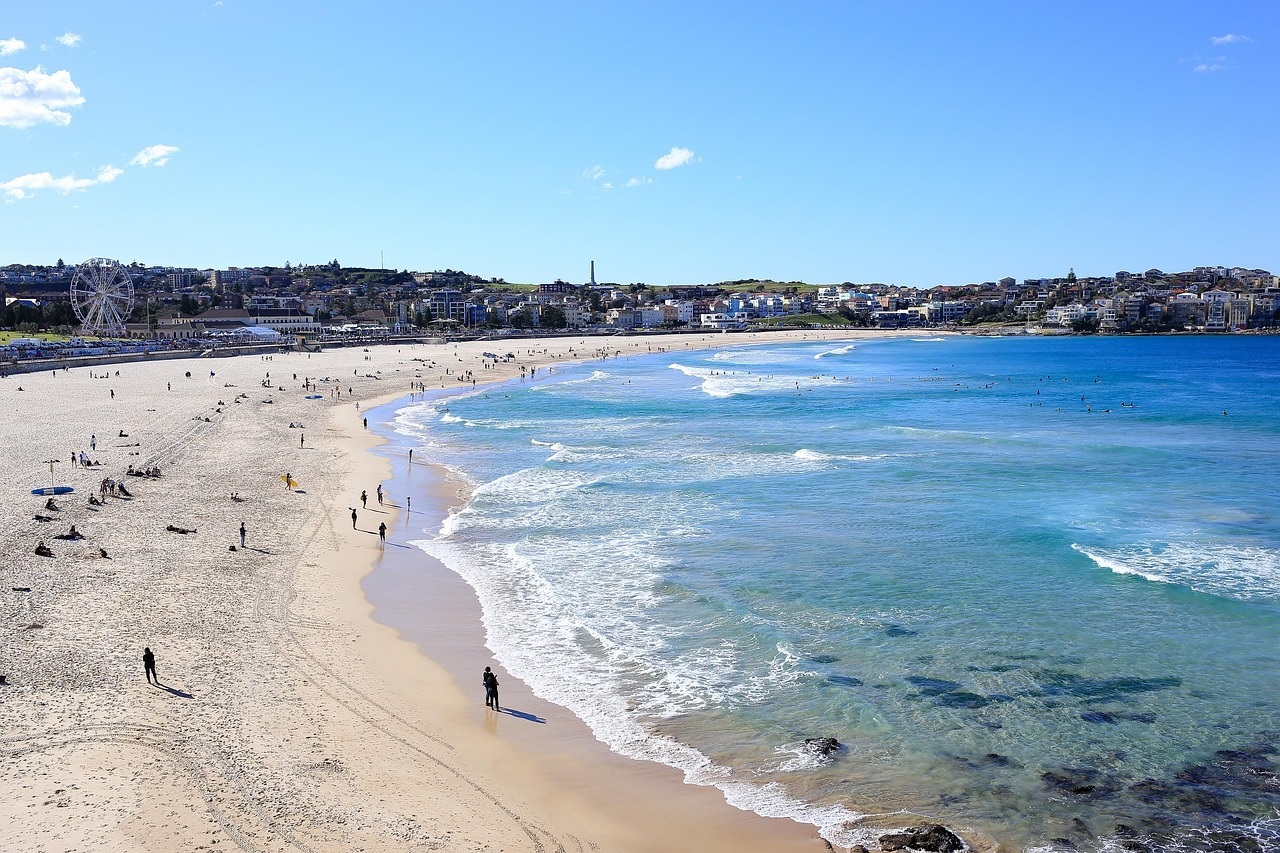
Bondi Beach ocean and coastal path in Sydney Australia
Early coastal light, sea air, and a strong coffee — simple moments that make a big-city trip feel grounded.

The Bondi to Coogee coastal walk is a useful reminder that a city day needn't mean queues and tickets. Check conditions and any route closures, wear suitable shoes, and choose a section that fits your energy.

Leave time for a sit-down breakfast afterwards. Turning a coastal walk into a timed endurance event rather misses the attraction.

Planning a Sydney stop? Start with the Sydney city guide, compare bases in Where to Stay in Sydney, or read Sydney: The Heads at Dawn for my arrival by sea.

Let someone else explain Country

An Aboriginal-led experience can change how you understand a landscape you might otherwise treat as scenery. Choose an experience led by the community connected to that place, rather than assuming one story speaks for the whole continent.

At Uluru, follow the park's cultural guidance and photography restrictions. A beautiful view doesn't give us permission to ignore what it means to its custodians.

Uluṟu–Kata Tjuṯa National Park

Would Australia suit your next trip?

Australia suits you if you enjoy choosing a part of a large country and learning its character. Cities, wildlife, coast and outback offer plenty of variety, but you don't need to include all of them.

If long journeys or a limited budget are the worry, begin with one region and price that trip first. Trying to make a shorter holiday bigger can make it both more expensive and less enjoyable.

Australia travel questions

Quick answers to what people actually worry about.

Is Australia safe for tourists?

Generally yes. Most trip issues are preventable with practical planning: respect weather alerts, swim at patrolled beaches, avoid over-fatiguing long drives, and keep emergency basics ready.

Do I need a visa for Australia?

Most visitors need an approved visa or travel authority before arrival. Therefore, check the official visa listing and confirm based on your passport before booking fixed plans.

What’s the best time to visit Australia?

It depends on region and trip style. For example, shoulder seasons can work well for mixed routes. However, northern tropical areas are strongly shaped by wet/dry timing.

How many days do I need for Australia?

Ten days can work for one region plus one contrast leg. By comparison, two to three weeks gives much better pacing. If you want multiple major regions, longer is better.

Is Australia expensive?

It can be, but pacing and accommodation choices matter more than people think. For example, slower stays, transit use and food planning make a real difference.

Can I drive in Australia as a visitor?

Yes, many visitors do. Australia drives on the left. Keep drives conservative, especially in remote areas, and plan rest/fuel stops early.

What emergency number should I save?

Save 000 for police, fire, and ambulance emergencies in Australia.

Can I combine reef, city, and outback in one trip?

Yes, but only with realistic pacing. Therefore, keep base count low and don’t turn transfer days into full sightseeing days.

World Travel Course

The free World Travel Course helps turn a travel idea into a practical plan.

Explore the course →

Join the conversation

Planning Australia soon? Share your draft route, timeframe, and travel pace — and if you’ve done a trip already, drop your practical wins (especially route logic, budget saves, and “wish I knew this earlier” tips) to help the next traveler plan smarter.

Leave a Reply

Your email address will not be published. Required fields are marked *