FIJI • ISLAND RHYTHM WITH REAL DEPTH
Fiji Travel Guide: Island Rhythm, Reef Days
& Routes That Actually Work
Fiji is often sold as a postcard: turquoise water, palm trees, and resort infinity pools. That version exists — and it’s beautiful — but Fiji is much richer when you build your route with intention.
My core Fiji rule is simple: pick one mainland anchor + one outer-island mood. Use Viti Levu (Nadi, Coral Coast, Pacific Harbour, Suva) for flexibility, food, and movement. Then add either the Yasawas for barefoot blue-water escape, the Mamanucas for easy-access reefs, or a deeper Vanua Levu/Taveuni leg if you want rainforest, diving, and fewer crowds.
If you over-stack transfers, Fiji can become a beautiful blur. If you pace it right, though, Fiji feels calm, vivid, and restorative — with reef mornings, long ocean afternoons, and evenings that actually let your nervous system slow down.

Need the Gist? (60-Second Scan)
Fiji is easy to love — and easy to overcomplicate. Keep the route clean and the experience gets better fast.
- Best first move: Land in Nadi and give yourself one decompression day before island transfers.
- When it clicks: When your trip has one anchor and one contrast leg (reef + culture, or beach + rainforest).
- Money truth: Fiji can be budget-friendly or expensive fast — your transfer choices drive the bill.
- Classic mistake: Trying to do too many island groups in one week.
- Easy win: Use mainland days for recovery, admin, and food variety; use island days for sea time.
- Quiet flex: Sunrise water time (snorkel/paddle) beats crowded midday outings every single time.
Fiji is not about doing everything — it’s about doing a few things slowly and well.
60-Second Fit Check
- Ideal trip length: 7–10 days (good), 11–14 days (sweet spot).
- First-timer friendly: Yes, especially Nadi + Coral Coast + one outer-island leg.
- Energy level: Low to moderate if planned right.
- Budget vibe: Mid-range by default; budget possible with fewer transfers and local stays.
- Best for: Reef lovers, slow travelers, honeymooners, reset trips, soft-adventure seekers.
Fiji has 300+ islands, but you only need a handful of well-chosen stops to feel the magic.
The Fiji That Clicks: Mainland Ease + One Island Focus
If you want Fiji to feel smooth instead of scattered, use this framework: Viti Levu as your logistics base, then add one outer-island chapter.
Your mainland gives you structure — airport access, easier transport, broader dining, and buffer time for weather. Your outer-island leg gives you the emotional center of the trip: clear-water snorkeling, reef color, slower mornings, and that classic barefoot pace people come for.
The route that works for most first-timers: Nadi (1–2 nights) → Coral Coast (2–3 nights) → Yasawas or Mamanucas (3–5 nights). If you have more time, then add Suva or Taveuni.
10 days: 2 nights mainland start, 5 nights island leg, 2 nights mainland finish, 1 flex day for weather/transfer buffer.

Vibe Check: Which Fiji Are You Actually After?
Pick your dominant mood first, then layer one contrast. That keeps your route coherent.
The Reef Reset Fiji
You want water clarity, soft-sand afternoons, and simple days that run on ocean time. Best fit: Mamanucas or Yasawas.
Plan like: 4–6 island nights, minimal transfers, sunrise snorkeling rhythm.
The Adventure + Nature Fiji
You want hikes, waterfalls, reef + rainforest, and a bit more movement. Best fit: Coral Coast + Pacific Harbour + Taveuni/Vanua Levu combo.
Plan like: 2 mainland bases + one outer island.
The Culture + Coast Fiji
You want local rhythm, markets, community encounters, and coastal downtime. Best fit: Suva side + Coral Coast + one island stay.
Plan like: slower mornings, fewer checklists, intentional village etiquette.

Fiji in Four Seasons: What Changes and What Doesn’t
- Dry season (May–October): Cooler air, lower humidity, great visibility, and generally easier movement.
- Shoulder months (April/November): Good value windows with mixed weather and lighter crowds.
- Wet season (November–April): Warmer, more humid, heavier rain bursts, and weather variability.
- Cyclone risk period: Typically within wet season — always keep route flexibility and check forecasts.
In Fiji, flexibility beats perfection. Leave at least one non-committed day when transfers are weather-sensitive.
Safety: Smart Moves That Keep Fiji Easy
Fiji is generally welcoming and relaxed, but a few practical habits make a big difference.
Personal safety basics
- Use normal city awareness in busy transit zones and nightlife pockets.
- Don’t leave valuables visible in vehicles or on open beaches.
- For night arrivals, pre-arrange your airport transfer.
- Keep digital copies of passport, insurance, and bookings.
Ocean and weather safety
- Respect currents, wind shifts, and local marine briefings.
- Use reef shoes where coral/rock entries are sharp.
- Follow operator guidance for snorkel and boat excursions.
- During wet/cyclone season, keep buffer days and monitor official weather updates.
Street Smarts: Small Fiji Rules That Save Big Stress
- “Fiji time” is real. Build softer expectations around exact timing.
- Sunday rhythm is slower. Services may reduce in smaller areas.
- Village etiquette matters. Dress modestly and follow local customs when visiting communities.
- Reef-safe sunscreen matters. Protect your skin and reduce reef impact.
- Cash still helps. Cards are common in many tourist zones, but smaller operators may prefer cash.
- Mosquito prep is non-negotiable. Repellent and light evening coverage help a lot.
The people are warm, but respectful behavior gets you a better experience everywhere — especially beyond resort walls.
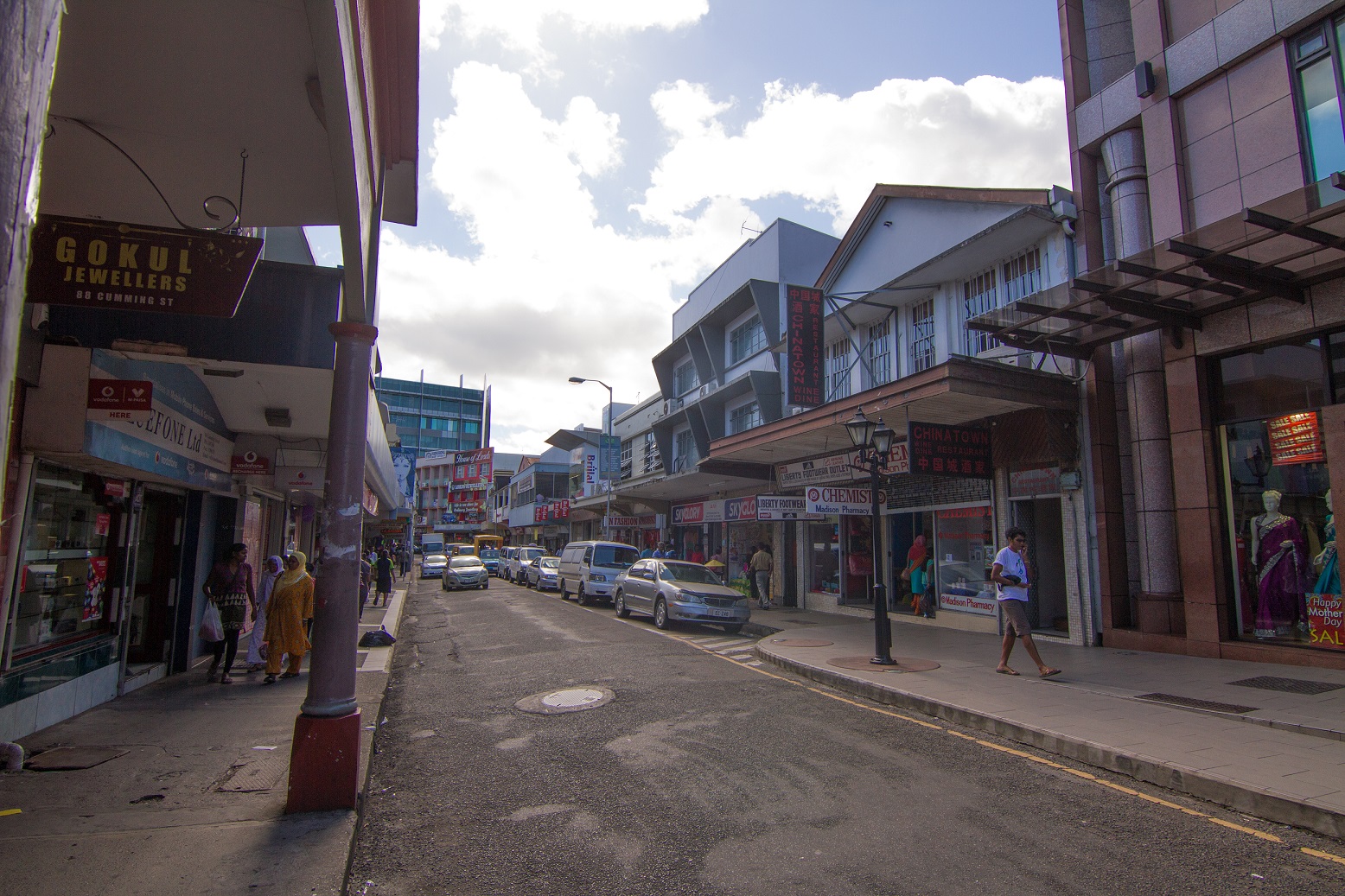
Logistics Lite
Keep the practical foundation clean and the trip feels far easier on day 4 and day 9.
Entry and travel documents
Entry rules vary by nationality and can change, so confirm your requirements before departure using official sources. Keep proof of onward travel and accommodation details ready.
Money and everyday costs
Fiji uses the Fijian dollar (FJD). Major tourist hubs support cards, but cash remains useful for smaller vendors, local transport, and some activity operators.
Power, SIMs, and emergency prep
Fiji commonly uses Type I plugs and a 240V system. Set up eSIM/SIM early if you need consistent connectivity, especially for multi-leg transfer days.
- General emergency: 911
- Health + insurance: keep digital policy docs accessible offline
Getting around without chaos
Inter-island travel runs on ferries, flights, and resort transfer networks. Build buffer windows between major legs, and avoid stacking tight same-day connections when weather is uncertain.
Transfer days are real travel days. Treat them as light days, not activity-heavy days.
Base Plans: 3 Ways to Build a Fiji Trip That Still Feels Good at Day 7
Choose your rhythm first. Then route to match that energy.
Plan A: Easy First-Timer Loop
- Do: Nadi (2) → Coral Coast (3) → Nadi (1–2)
- Why: Minimal complexity, strong beach + activity blend.
- Best for: First Fiji trip, mixed interests, lower stress.
Plan B: Reef-Forward Escape
- Do: Nadi (1) → Yasawas/Mamanucas (5–7) → Nadi (1)
- Why: Maximum water time and barefoot rhythm.
- Best for: Honeymooners, snorkel/diving focus, pure reset.
Plan C: Culture + Coast + Nature
- Do: Nadi/Coral Coast (3–4) → Suva side (2) → Island leg (3–4)
- Why: Broader Fiji perspective without over-rushing.
- Best for: Return travelers or longer stays.

Costs & Pace: What Actually Moves the Needle in Fiji
Fiji can feel expensive if you move too often and rely on premium transfer layers. But it becomes far more manageable when you stay longer in each base and mix higher-cost days with lighter local days.
- Budget style: guesthouses/local stays, fewer transfers, simple meals.
- Mid-range style: mix of comfortable resorts + selected excursions.
- Comfort style: premium island stays, private transfers, higher activity density.
- Cost lever #1: number of inter-island transfer days.
- Cost lever #2: accommodation tier and meal plans.
In Fiji, pace is money. Slow itineraries almost always feel better and cost less.
🇫🇯 Fiji Daily Rhythm Comparison
How pace changes your day (and your spend)
Prices are illustrative (USD-first) and show pace relationship, not fixed quotes.
Rob’s Pointers: Sunrise Water + Slow Lunch = Perfect Fiji Day
If I could give you one Fiji day template to copy, this would be it.
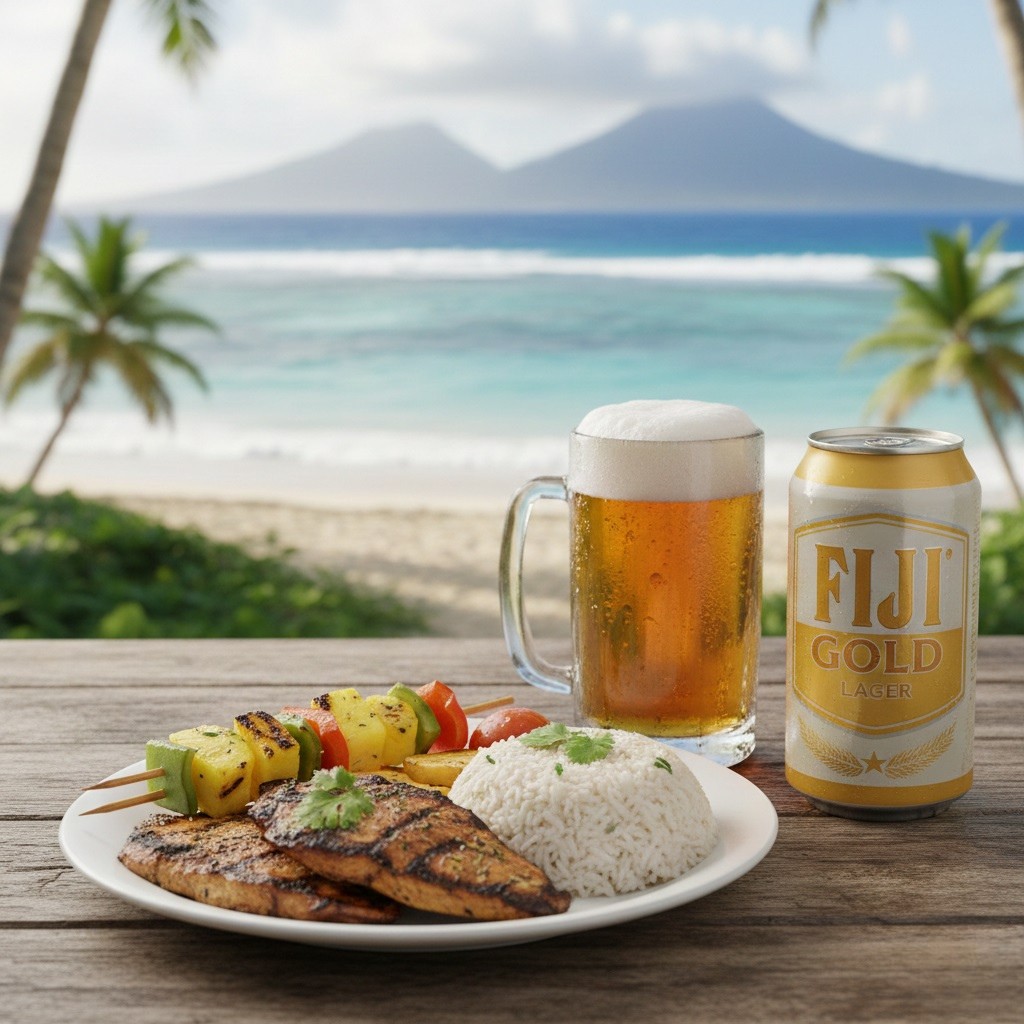
Do the best part of Fiji before 10:30 AM
Wake early, get into the water before the wind picks up, and take your best snorkel/paddle window first. Then shift into long lunch mode — ideally something local and simple — and keep the afternoon intentionally light.
Why the early water window matters more in Fiji than almost anywhere else. Morning trade winds are gentle or nonexistent — the lagoon goes glassy, visibility peaks, and reef fish are actively feeding rather than hiding in the coral.By 11 a.m., surface chop makes snorkeling harder, the sun gets punishing, and tour boats arrive. You're not just beating crowds; you're accessing a fundamentally different ocean.
The difference between 7:30 a.m. and noon isn't marginal — it's the gap between turquoise clarity and squinting through rippled water.
This one tweak changes everything: better water, less crowding, less heat load, and a calmer nervous system. You stop “chasing moments” and start living the place.
Early reef session → proper lunch break → sunset shoreline walk. Repeat with small variations.
Un-Googleable Fiji: Tiny Choices That Improve the Whole Trip
Not hidden gems — just smart behaviors that compound.
Keep one no-plan afternoon per base
Fiji is strongest when your schedule has space. A blank afternoon often turns into your best memory.
Don’t overbook transfer days
If you’re moving islands, that’s your main task. Treat anything else as optional.
Prioritize sunrise water sessions
Conditions are often better early, and your whole day starts stronger.
Bring a dry bag and reef-safe essentials
Small gear decisions reduce hassle and protect both your day and the environment.
Choose fewer bases, stay longer
You’ll spend less, recover better, and actually feel the local rhythm.
Respect local customs in community spaces
Courtesy and cultural respect open doors that logistics alone never can.
Gap Analysis: Is Fiji Right for Your Trip Style?
Fiji is exceptional for some travelers and frustrating for others. Here’s the honest split.
You’ll love Fiji if…
- You value ocean time, calm pace, and sensory reset.
- You’re happy doing fewer things with better quality.
- You like nature-forward travel with flexible rhythm.
- You’re okay with travel-day unpredictability in exchange for place quality.
Plan around Fiji if…
- You prefer tightly timed city-style schedules every day.
- You dislike weather-related adjustments.
- You need nonstop nightlife and dense urban variety.
- You want to see everything in one short trip window.
Fiji rewards travelers who choose depth over speed.
Fiji FAQs
Quick answers to common planning questions.
How many days do I need for Fiji?
Seven to ten days is a strong first trip. Eleven to fourteen days gives you room for a deeper island leg.
Is Fiji expensive?
It can be. Transfer frequency and accommodation tier are the main budget drivers.
What’s the best first-time route?
Nadi + Coral Coast + one outer-island leg is usually the most balanced first-time structure.
When is the best time to visit Fiji?
Many travelers prefer the drier months (roughly May to October), but shoulder months can offer strong value.
Can I rely on cards everywhere?
Cards are common in many tourist areas, but cash is still useful in smaller or more local settings.
What should I verify before flying?
Check entry requirements for your passport, weather outlook, transfer schedules, and your insurance terms.
Join the conversation
Planning Fiji soon? Share your draft route and travel style — reef reset, mixed adventure, or culture + coast. If you’ve been, add your practical tips so the next traveler can plan smarter.