DESTINATIONS · REGION HUB
Oceania Travel Guide
Oceania isn’t complicated — but it is spread out. And once you understand that, planning a great trip here gets a lot calmer. I’ve watched people try to “cover” Oceania like it’s a compact loop, and they usually end up exhausted. The trips that feel best are built around one anchor and a steady rhythm: fewer hops, longer stays, and enough time to actually arrive.
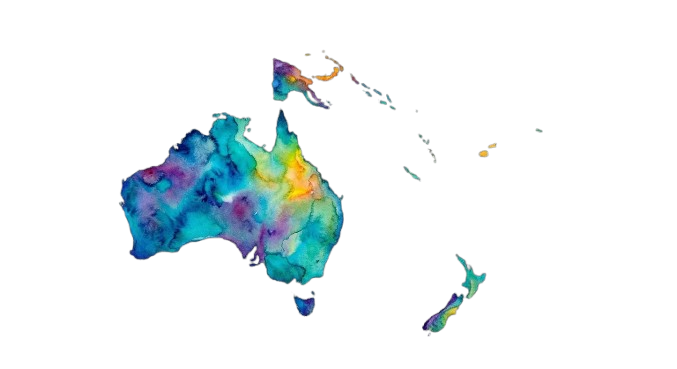
Oceania risk and advisory snapshot
Use this as a planning lens, not as fear fuel. In Oceania, the biggest practical risks are often weather, remoteness, and medical/transport limitations rather than day-to-day instability.
| Country | Risk Level | Advisory Summary |
|---|---|---|
| Australia | Level 1 | Very safe; standard precautions for petty crime in cities and extreme weather. |
| New Zealand | Level 1 | Very safe; watch for natural hazards like earthquakes and volcanic activity. |
| Fiji | Level 1 | Stable environment; exercise normal precautions. Higher vigilance in urban areas at night. |
| Vanuatu | Level 1 | Generally safe; monitor alerts for volcanic activity and tropical cyclones. |
| Solomon Islands | Level 1* | Overall safe, but Level 2 (Yellow) for Honiara due to potential political unrest. |
| Samoa / Tonga | Level 1 | Stable and safe. Observe local modesty and Sunday laws in Tonga. |
| Palau / Nauru | Level 1 | Low risk; exercise normal safety precautions. |
| Kiribati / Tuvalu / Marshall Islands | Level 2 | Increased caution for limited medical facilities and remote transport risks. |
| Fed. States of Micronesia | Level 2 | Increased caution; infrastructure and medical services are limited. |
| Papua New Guinea | Level 3 | High levels of serious crime and tribal violence; Level 4 for Highlands regions. |
Pick a starting lens
If Oceania feels massive, that’s because it is — it just hides it behind ocean. The quickest way to get grounded is to choose one lens and start there. You can widen the trip later. For first-timers especially, calm beats “coverage.”
Two visuals that make Oceania feel simpler
When I help someone plan Oceania, I start with two things: (1) pick your travel style, and (2) respect the seasons and distances. Do that, and the rest becomes a set of smaller decisions.
Planning truths (no drama)
- Australia and New Zealand are anchors — great infrastructure and natural base + loop routes.
- Island travel runs on schedules — fewer flight days, slower logistics, and the occasional weather reshuffle.
- Flights are part of the plan — long distances make “one smart hop” better than endless travel days.
- Seasons vary — the tropics and NZ don’t share the same calendar, so match timing to your route.
Independence + ease (quick decisions)
- Build buffer days for islands — you’ll enjoy the trip more when the schedule breathes.
- Pre-book your first 1–2 nights so arrival day stays calm.
- Go hybrid when needed — independent in cities, guided for remote nature moments.
- Rule of thumb: one anchor + one add-on beats trying to “collect” destinations.
Rob truth: Oceania gets better the moment you stop trying to do “everything” and start letting one place sink in.
Explore by what you love
If you already know what you want more of — reefs, landscapes, culture, food — let that lead the plan. Then we fit the logistics around it.
Nature & landscapes
Reefs, rainforests, volcanoes, fjords, deserts — big scenery that changes your sense of scale.
Beaches & islands
Lagoon days, snorkel time, slow mornings — the kind of travel that feels like exhaling.
History & culture
Māori and Pacific cultures, living heritage, and stories that shape daily life — not museum-only history.
Food & local life
Markets, seafood, cafés, island plates — the everyday rhythms that make a place feel real.
Popular places to start with
Launch-lean truth: you don’t need ten options. Pick one anchor and make it good. These are common, sensible entry points for first-time planning.

Australia
City + coast + nature with strong transport links. Best approached as one region at a time.
Explore Australia
New Zealand
Road-trip rhythm, compact routes, and dramatic scenery — perfect for a slower itinerary.
Explore New Zealand
Fiji
Island ease with good international access — great for a first island trip that stays simple.
Explore Fiji
French Polynesia
Lagoon life and slower travel days — best enjoyed with fewer moves and longer stays.
Explore French Polynesia
Samoa
Culture-forward island travel — welcoming, grounded, and best at a relaxed pace.
Explore Samoa
Tonga
Quiet, spacious island time — ideal if you want a true reset away from the rush.
Explore Tonga
Vanuatu
Volcanoes, reefs, and low-key adventure — good for travelers who like nature with breathing room.
Explore Vanuatu
Papua New Guinea
Culture-rich and logistics-heavy — best for experienced planners or guided/hybrid trips.
Explore Papua New GuineaOceania countries and page status
Full region list for Oceania, with publication status. LIVE pages are linked; TBA pages stay visible so readers can see what’s coming next.
Australia
LIVENew Zealand
LIVEPapua New Guinea
LIVEFiji
LIVESolomon Islands
TBADestination page in progress.
Vanuatu
LIVEKiribati
TBADestination page in progress.
Marshall Islands
TBADestination page in progress.
Federated States of Micronesia
TBADestination page in progress.
Nauru
TBADestination page in progress.
Palau
TBADestination page in progress.
Samoa
LIVETonga
LIVETuvalu
TBADestination page in progress.
If this is your first time in Oceania
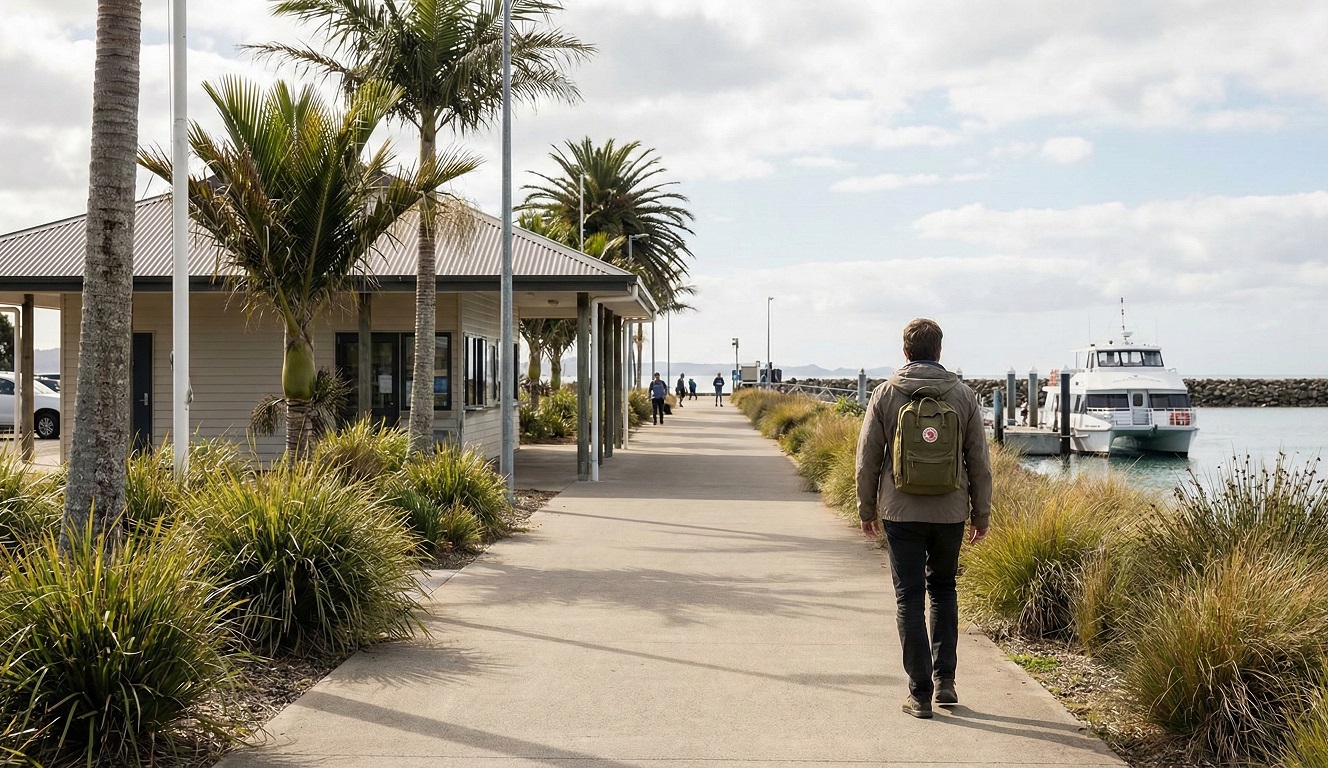
You don’t need a bold plan here — you need a comfortable rhythm. Start with one anchor, add one layer if you want it, and leave space for the trip to breathe.
Australia: city + nature loop
Choose one coast or region
The best first Australia trips aren’t “everything.” They’re one strong base with day trips and a short hop or two.
New Zealand: one island, done slowly
North or South can be enough
NZ rewards road rhythm. Give it time, and you’ll spend less of the trip moving and more of it living.
One island nation reset
Base + local exploring
The simplest first-timer win: one island group, fewer transfers, and a pace that actually feels like a holiday.
Anchor + add-on
Australia or NZ + one island
This is the “best of both worlds” pattern I recommend most often — variety without itinerary chaos.
Not sure where to start yet?
Pick the next step that matches how your brain works today — clarity first, details later.
Join the conversation
Where in Oceania are you leaning — and what’s pulling you that way? Share your plans, questions, or “I have no idea yet” thoughts in the comments. If you’ve been, drop one tip to help another traveler choose a calm starting point.