Free Spirit Travel
Free Spirit Travel
Around The World With Rob
Free Spirit Travel

EFATE, SANTO AND TANNA • FOLLOW LOCAL KNOWLEDGE

Vanuatu Travel Guide: Blue Holes, Volcanoes and Kastom

Vanuatu can offer the sort of scenery that makes your camera roll look excessive: blue water, volcanic landscapes and green island interiors. This Vanuatu travel guide starts with the practical question behind that impressive collection: which islands can you properly enjoy in the time you have?

Efate, Espiritu Santo and Tanna offer different experiences. Choose according to your interests and confirmed transport, then check local conditions before fixing excursions. A volcano visit is a decision about current access and hazards, not simply an item to tick.

The cultural side deserves equal attention. Kastom is part of living community life, and permission matters. Ask local hosts what a visit involves, who benefits and what is appropriate to photograph. Curiosity will get you further than arriving with a camera already raised.

By Rob Editorial review: November 2026 Currency: VUV (Vatu) Region: Oceania
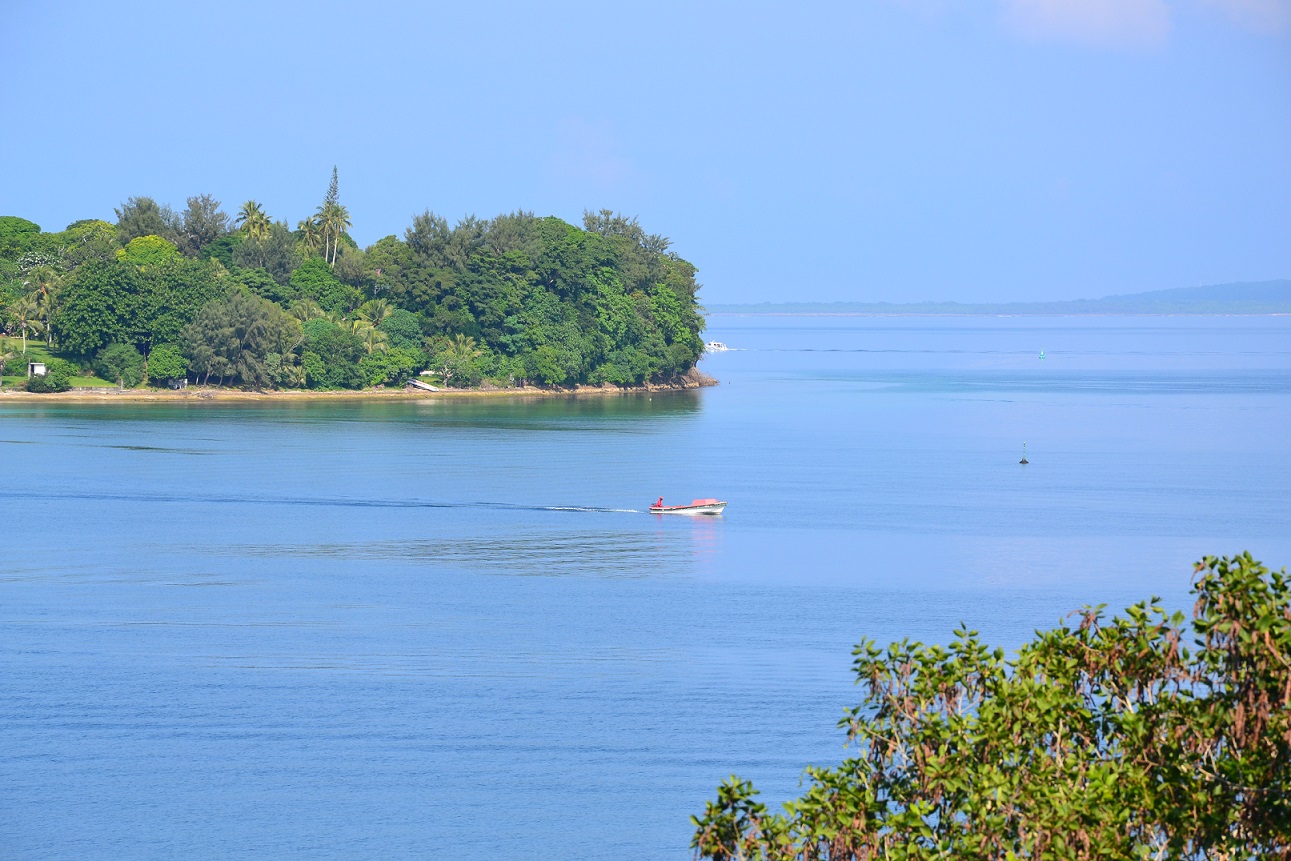
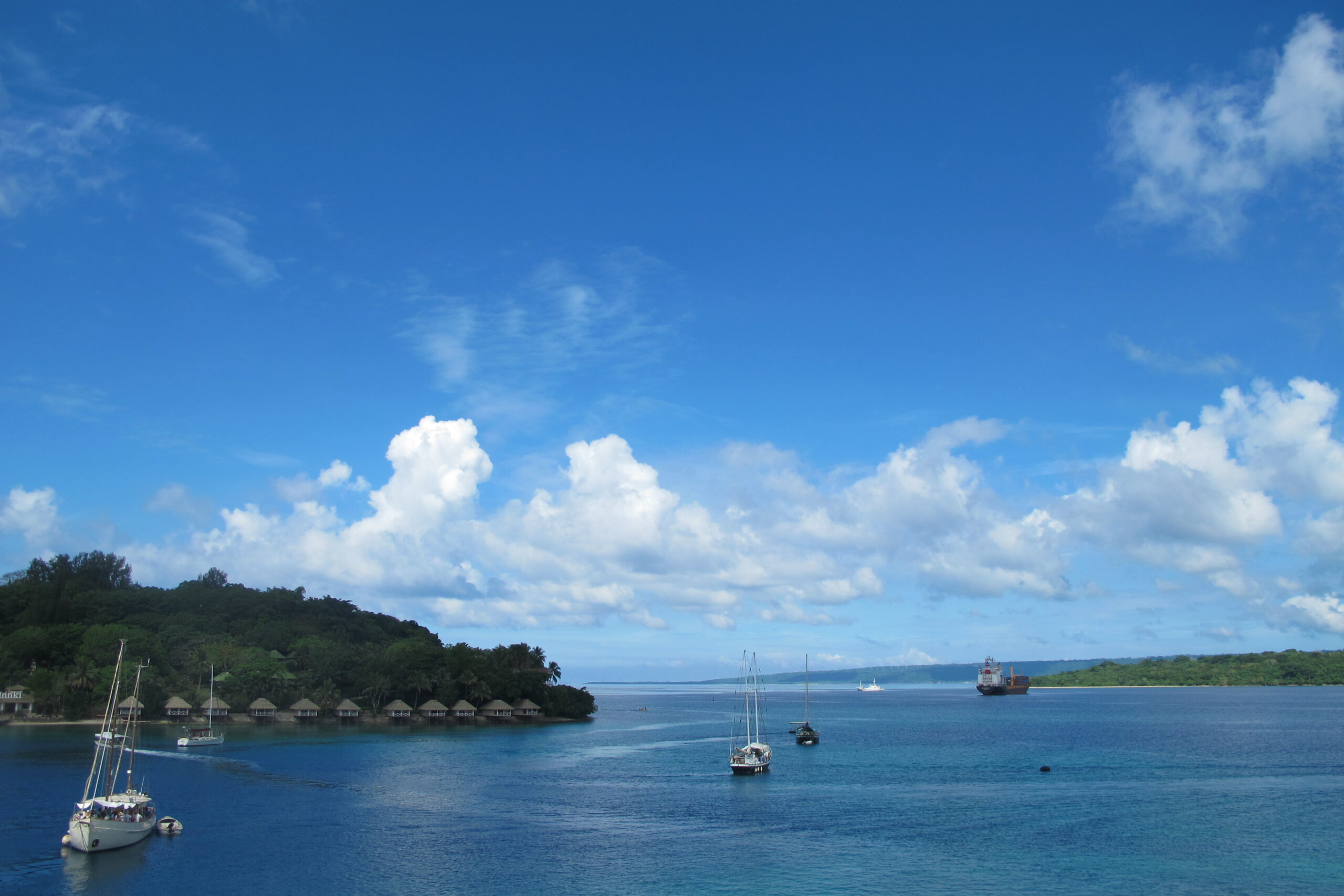
Boats and waterfront buildings at Port Vila harbour, Vanuatu
Vanuatu: choose the experiences that matter to you, then make room to enjoy them.

Vanuatu: the decisions that matter

  • Compare Efate, Santo and Tanna by what you want to do, not just which photographs look best.
  • Confirm current inter-island services before building a route around them.
  • For a volcano outing, check official alerts and local access decisions.
  • Ask about permission, fees and photography at cultural and natural sites.
  • Price the complete transfer and activity arrangements, particularly for a short visit.
  • Keep a fallback plan for weather, closures or transport changes.

Give each island a reason to be in the plan
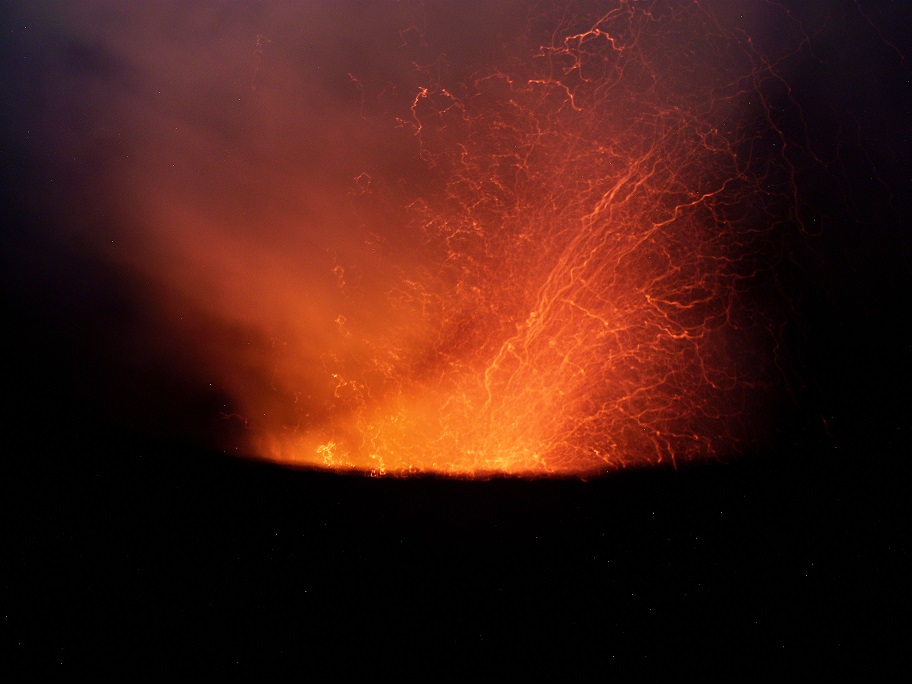
Mount Yasur volcano crater on Tanna Island Vanuatu
Vanuatu’s wow factor is real — but it’s strongest when your logistics are calm and deliberate.

Efate can suit a visit based around Port Vila and island outings. Santo may appeal for beaches, blue holes and diving, while Tanna draws travellers interested in volcanic landscapes and local cultural visits.

Choose a second island only after checking current services and access. Flight availability, local permissions and geohazard advice should shape the route before a photograph does.

Water, landscapes and cultural encounters

Vanuatu has distinct travel moods. Choose your primary one, then add a complementary second layer.

Water + Blue-Hole Vanuatu

Santo offers blue holes and coastal outings for travelers drawn to the water. Before swimming or snorkeling, check local conditions and guidance.

For water days: Leave time to adjust your plans if conditions change.

Volcano + Adventure Vanuatu

Tanna may appeal if volcanic landscapes are your priority. However, check official alerts, access restrictions and local advice before making plans.

For volcano trips: Check official updates and keep a backup day.

Culture + Local Rhythm Vanuatu

Markets and community visits can add context to your trip. For a respectful visit, follow local guidance and ask before taking photographs.

For local experiences: Stay longer in one place and leave time to listen.

Rob’s aside

A volcano is not a viewing platform with attitude

It is surprisingly easy to look at a photograph of a crater and start thinking like a customer. Is the view good? Is sunset included? Can we get a bit closer?

The volcano, meanwhile, has not agreed to provide a service.

For Yasur or another volcanic outing, current alerts, local access decisions and qualified guidance come first. If the answer is no today, that is the answer—not the opening of a negotiation.

Read more: Vanuatu Tourism: volcano visits and access

When to visit Vanuatu: seasons and disruption
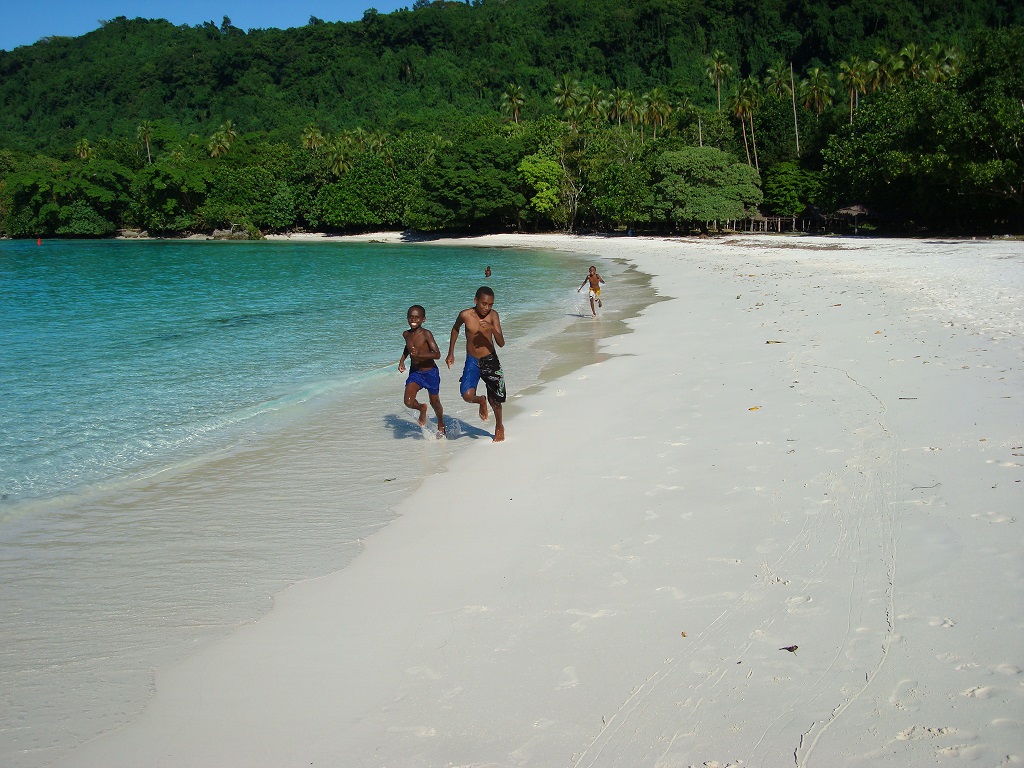
Champagne Beach in Vanuatu with clear blue water
Better timing means better outcomes: Vanuatu’s wet/cyclone window and drier window shape route quality.
  • Summer (Dec–Feb): Warm and humid with higher rain/cyclone risk windows.
  • Autumn (Mar–May): Transition period; conditions can vary by week and island.
  • Winter (Jun–Aug): Often drier, cooler-trade-wind period and popular for mixed itineraries.
  • Spring (Sep–Nov): Strong shoulder period for water activities and multi-island pacing.
Keep in Mind

Tropical cyclone season is commonly treated as November to April, so monitor official updates before and during travel.

Volcano alerts, ocean conditions and practical safety

Vanuatu is rewarding, but nature is an active player here. Smart travel means daily awareness, not anxiety.

Natural hazards are real, so monitor official channels

  • Vanuatu experiences earthquakes and volcanic activity, so prepare for changing conditions.
  • Before a volcano trip, check VMGD alerts and local access guidance. Also, follow official weather and marine warnings.
  • Cyclone risk is typically higher during Nov–Apr windows.
  • Keep one flexible day in your plan for weather or transport shifts.

Local security and civil disruption awareness

  • Follow local advice around demonstrations or periods of tension.
  • Avoid crowds if situations change quickly in town centers.
  • Use registered transport and avoid isolated areas late at night.
  • Keep copies of passport and insurance details offline.

Emergency setup that takes two minutes

  • Police: 111 on Digicel or 1111 on TVL, according to the Vanuatu Police contact page. Ask your host which number to use on your network.
  • Ambulance: 115 in Port Vila and Luganville; ask locally about emergency arrangements elsewhere.
  • Fire: 113
  • Save your accommodation location in offline maps before major day trips.

Water and activity safety

  • Check local sea/reef conditions before open-water plans.
  • Use reputable operators for adventure or volcanic excursions.
  • Hydrate aggressively on hot days and carry sun protection.
  • Respect all local closures and warning notices.

Kastom, permission and everyday visits
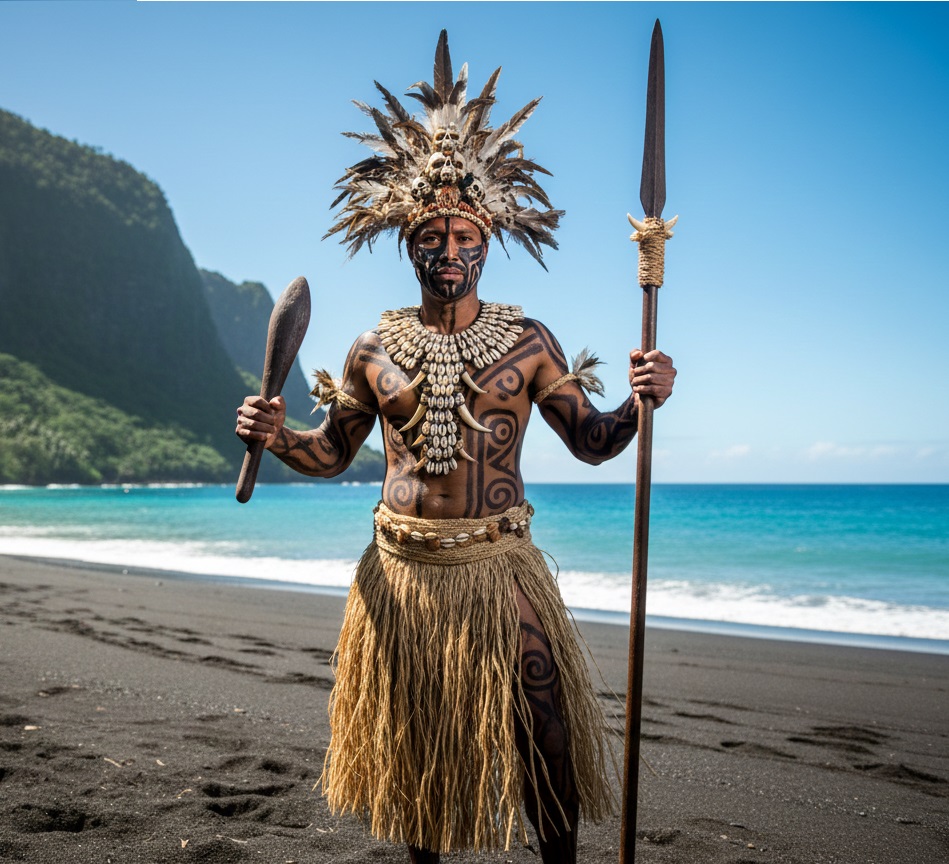
Ceremonial dress in Vanuatu
Vanuatu’s best days usually come from rhythm and space, not aggressive checklists.
  • Inter-island transfer days are real travel days. Don’t overbook them.
  • Carry layered cash strategy. Cards work in hubs, but small cash helps in local settings.
  • Dress respectfully beyond beach zones. Modest presentation is appreciated in many local contexts.
  • Book high-demand experiences early. Keep backup timing in case of weather shifts.
  • Respect local pace. Things can run slower; frustration never improves outcomes.
  • Offline maps + screenshots. Network consistency can vary outside main areas.
  • Give yourself reset time. Island quality drops fast when you force nonstop activity.
Rob’s take

Most Vanuatu stress comes from over-planning islands and under-planning logistics buffers. Trim one move, add one buffer, and your trip quality jumps.

Entry, money and transport that needs checking

Vanuatu gets easier when you lock five basics early: entry, hazards, money, island transfers, and communication backup.

Hazards and weather planning

Vanuatu’s weather and geohazard context matters operationally. Check VMGD before volcano excursions, marine activities, and during storm periods.

Inter-island transport reality

Domestic flights and boats define route quality. Prioritize transfer reliability first, then fill activity blocks around those anchors.

  • Treat transition days as half-days at best.
  • Avoid chaining multiple high-stakes moves in a row.
  • Keep one contingency day when island-hopping.
Travel logistics & transit (site guide)

Connectivity and backup habits

Keep offline copies of key documents, bookings, and route screenshots. On islands, simple backup habits outperform “perfect signal” assumptions.

Reminder

Bring a small power bank and keep critical contacts in both phone and paper form.

Health and insurance basics

For island and adventure itineraries, active travel insurance and practical health prep are non-negotiable. Confirm coverage for the specific activities you plan to do.

Choosing travel insurance

Vanuatu itineraries with a sensible Plan B

Pick one structure and commit. Vanuatu rewards clear route logic over island quantity.

Plan A: Efate + Santo

  • Why: First-timer friendly blend of logistics, culture, and water highlights.
  • Do: Port Vila base first, then Santo for blue holes, beaches, and snorkel rhythm.
  • Rule: Keep one no-booking half-day on each island.
Who it suits

Couples, mixed-interest travelers, and anyone wanting a balanced intro to Vanuatu.

Plan B: Efate + Tanna

  • Why: Maximum contrast: coastal ease + volcano intensity.
  • Do: Build around Yasur timing with local operators and official alerts.
  • Rule: Protect recovery time after active/late volcano windows.
The win

You get iconic Vanuatu energy without trying to cover the whole map.

Plan C: One-Island Deep Dive

  • Why: Lowest transfer friction and strongest local immersion.
  • Do: Efate or Santo with 2–3 focused day blocks, not daily packing.
  • Rule: Let weather and local recommendations shape final details.
Why it works

Less movement means better sleep, better conversations, and better trip memory.

Where the Vanuatu budget can grow

Lagoon waters in Vanuatu
In Vanuatu, pace and transfer count influence both budget and overall trip quality.

Vanuatu cost levels depend less on “cheap vs expensive destination” and more on how you move. Every extra island transfer can add compound cost and fatigue. Fewer bases and cleaner timing usually mean better value and better experience.

  • Accommodation strategy: Simple guesthouses/homestays vs upscale island resorts create the biggest spread.
  • Food strategy: Market breakfasts + local lunch spots + selective premium dinners keep budgets sane.
  • Transport strategy: Lock core inter-island legs early; avoid ad-hoc high-cost fixes late.
  • Activity strategy: Pair one major paid highlight with one low-cost nature/culture block each day.
Reality Check

Too many island transfers can add cost and fatigue. Instead, a slower route gives you more time in each place.

Price the whole trip: Compare accommodation, meals, baggage, transfers and activities for your dates. Sample days below illustrate different paces; they are not current price quotations. A quieter day is not automatically a cheaper one.

🇻🇺 Vanuatu Daily Rhythm Comparison

How pace shifts both energy and spend

Relaxed
1–2 anchors
8:00 AM
☕ Market coffee + fruit breakfast
9:30 AM – 1:00 PM
🌊 Beach/blue-hole/swim window
1:30 PM
🥗 Local lunch + shade reset
4:30 PM
🌅 Short coast walk + sunset
7:00 PM
🍽️ Simple dinner + early wind-down
Energy:
Moderate
3–4 anchors
7:00 AM
☕ Early start + logistics check
8:30 AM – 2:00 PM
🚐 Structured day trip / reef + culture mix
2:30 PM
🥪 Late lunch + short reset
4:30 PM – 6:30 PM
📷 One focused scenic stop
8:00 PM
🍽️ Dinner + next-day prep
Energy:
Intensive
5+ anchors
5:30 AM
☕ Early transfer start
7:00 AM – 2:00 PM
✈️/⛴️ Inter-island transfer chain
2:30 PM
🍔 Fast meal in transit
3:30 PM – 8:30 PM
🏁 Compressed highlight sprint
9:30 PM+
😵 Late check-in + fatigue rollover
Energy:

A blue-hole visit with time around it

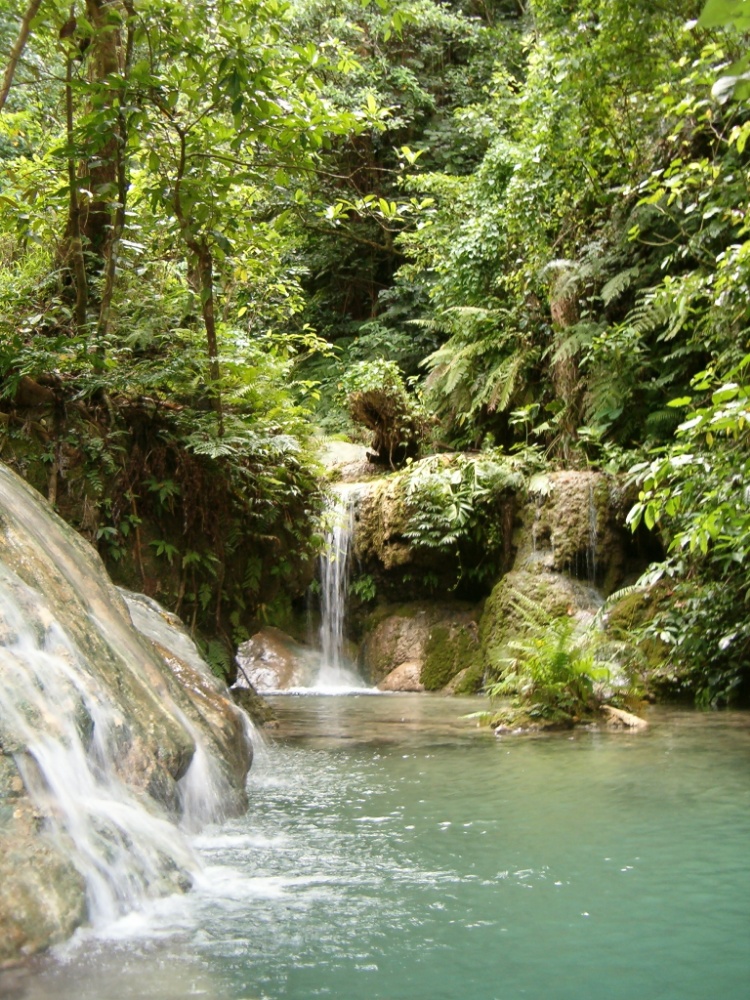
Tropical waterfall in Vanuatu near Mele
A waterfall scene in Vanuatu. Santo’s spring-fed blue holes offer a different kind of swim.

If you’re staying on Santo, give one blue hole a proper morning rather than racing around three. These spring-fed freshwater pools are a different experience from the waterfall scenery pictured here.

Choose the outing, not just the photograph

Matevulu, Riri and Nanda are among Santo’s best-known blue holes. Compare road access with a locally arranged canoe or kayak outing. However, don’t assume every paddle is an easy alternative to driving: ask about the route, conditions and experience required.

Before you leave your accommodation

Confirm opening, entrance fees and your return transport. Carry cash in vatu, drinking water, a towel and dry clothes. Ask about changing facilities and suitable footwear, too. Slippery entries and deep water deserve attention; a rope swing is an invitation to assess the conditions, not proof that jumping is safe.

Staying on Efate instead?

You don’t need to change islands for a nature outing. Mele Cascades, near Port Vila, offers forest paths and waterfall pools. Check current access and local guidance before setting off, and wear shoes with grip.

My preference: one good swim, an unhurried lunch and enough time to dry off before the next journey. Holiday achievement badges remain entirely optional.

Plan with the Vanuatu Tourism blue-hole guide and Efate visitor information.

Kastom is more than an excursion label

Before a cultural visit, ask who is hosting, what permission has been arranged and whether photography is welcome. Different communities have different expectations; your local guide should explain them.

The same courtesy applies to natural sites on customary land. Paying for access doesn't remove the need to listen to the people responsible for the place.

Vanuatu Tourism Office

Would Vanuatu suit your next trip?

Vanuatu is a compelling choice if its landscapes and cultural encounters are the attraction, and you can build some flexibility into the arrangements. A well-chosen single-island stay can offer plenty.

If a cancelled excursion would ruin the holiday, choose a base with alternatives you would actually enjoy. Volcanoes and transport services don't become more predictable because you've used your last available day.

Vanuatu travel questions

Quick answers to the questions people usually have before booking.

Is Vanuatu safe for tourists?

Conditions can change, particularly around weather and volcanic activity. Therefore, check current official advisories and follow local guidance before each excursion.

Do I need a visa for Vanuatu?

It depends on passport and visit purpose. Use Vanuatu Immigration’s official tourist visa and visa application pages before booking fixed plans.

What’s the best time to visit Vanuatu?

Many travelers prefer the drier/trade-wind period, while Nov–Apr can carry higher cyclone risk. Check official updates before finalizing dates.

How many days do I need in Vanuatu?

Eight to ten days works for one island plus one contrast. Twelve to sixteen days gives much better pacing and flexibility.

Is Vanuatu expensive?

Costs depend on transport and accommodation choices. For a clearer budget, compare current prices before booking.

What emergency numbers should I save?

Save fire 113 and ProMedical 115; ambulance coverage is limited to Port Vila and Luganville. Vanuatu Police lists 111 for Digicel and 1111 for TVL. Confirm the local arrangements and mobile-network numbers with your accommodation before travelling further.

Can I combine volcano, beach, and culture in one trip?

Yes, and the easiest structure is Efate + one contrast island (Tanna or Santo), with transfer buffers and one flexible weather day.

Should I plan every day in advance?

Plan anchors in advance, not every hour. Lock high-value activities and transport first, then keep adaptive space for weather and local opportunities.

Join the conversation

Planning Vanuatu soon? Share your draft island mix, timeline, and pace. If you’ve already been, add your practical wins — especially transfer strategy, weather pivots, and what you’d do differently next time — so other travelers can plan smarter.

Keep exploring

Compare Oceania destinations

Australia travel guide →

New Zealand travel guide →

Fiji travel guide →


Plan the bigger journey

The free World Travel Course helps turn a travel idea into a practical plan.

Explore the course →

Back to top ↑

Leave a Reply

Your email address will not be published. Required fields are marked *