NEW ZEALAND, WHERE BIG NATURE MEETS CALM PACIFIC RHYTHM
New Zealand Travel Guide: Fjords, Volcanoes
& Road-Trip Rhythm Done Right
New Zealand looks small on a map, yet it travels big in real life. Distances feel longer, weather changes quickly, and the scenery keeps pulling you into unplanned stops. That can be magical — or messy — depending on how you build your route.
My rule here is simple: anchor one island first, then add contrast. If you start North Island, lean into geothermal landscapes, Māori culture, and city-to-coast variety. If you start South Island, lean into mountain drama, alpine lakes, and deep nature rhythm. Then, once your first anchor is clear, add the second island without trying to “do everything.”
Also, New Zealand rewards pacing more than checkbox speed. So if you protect buffer days, keep your base changes light, and plan for weather pivots, your trip feels richer and less frantic. That’s when Aotearoa stops being a highlights reel and starts feeling like a place you actually experienced.
At a Glance (60-Second Scan)
If you read one section before you book anything, read this.
- Best first move: Pick one island as your anchor, then add one contrast leg — don’t build a “both islands in 7 days” sprint.
- When it clicks: You accept longer real-world drive times and protect scenic buffer hours.
- Money truth: NZ is not a shoestring destination, but pace choices can reduce costs dramatically.
- Easy win: Lock major nature experiences (Milford cruise, key hikes, ferries) first, then fill around them.
- Classic mistake: Too many one-night stays. You end up seeing roads more than places.
- Quiet flex: Small DOC walks and lesser-known bays often beat “famous” stops at midday.
New Zealand is best with fewer bases + weather flexibility + early starts. Keep it simple, and the trip feels effortless.
60-Second Fit Check
- Ideal trip length: 9–12 days (solid), 14–18 days (sweet spot for both islands).
- Best energy level: Medium-to-high if self-driving; medium if you base-hop less.
- First-timer friendly: Yes — if you avoid overpacking your route.
- Budget vibe: Mid-range destination; savings come from pacing, self-catering, and timing.
- My simple rule: If every day has a long transfer, trim your stops.
In practical trip planning terms, New Zealand is a “time realism” destination: maps look close, while winding roads and scenic pauses stretch travel days.
The New Zealand That Clicks: One Island Anchor + One Contrast Leg
The best New Zealand trips usually follow one principle: commit to a clear first identity, then contrast it. Start with North Island if you want city culture, geothermal landscapes, and smoother logistics. Start with South Island if you want big-mountain visuals, fjords, and outdoor depth.
For example, North-first can look like Auckland → Rotorua/Taupō → Wellington. Then, once you’ve got that rhythm, you add Queenstown or Wānaka for the alpine contrast. Conversely, South-first can look like Christchurch → Tekapo/Aoraki → Queenstown/Fiordland, then a North Island cultural add-on if you still have days left.
The reason this works is psychological as much as practical: you avoid decision fatigue. You’re not trying to optimize everything every day. Instead, you’re moving through coherent zones, and each stop feels earned, not rushed.
For a first visit with 12–14 days: Auckland (2) → Rotorua/Taupō (2–3) → Wellington (1–2) → fly south → Queenstown (3) + Fiordland day (1) + one alpine lake stop (1–2).
Vibe Check: Which New Zealand Are You Actually Here For?
Decide your primary trip personality first. Then layer second and third priorities around it.
Adventure New Zealand (high-energy days)
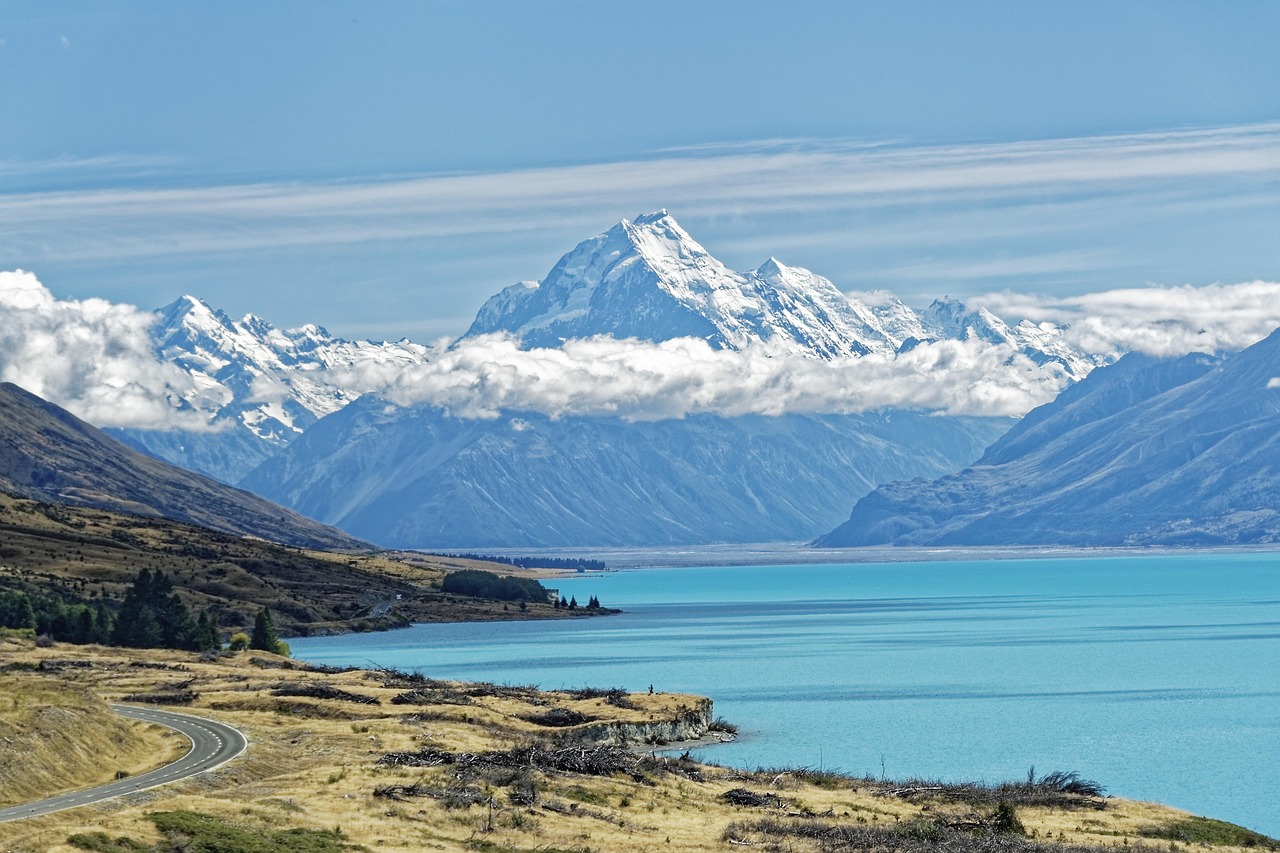
You want hikes, viewpoints, jet boats, alpine drives, and active days. Queenstown, Wānaka, Aoraki/Mount Cook, and Fiordland are your core.
Plan like: 2–3 regional bases, early starts, weather backup options.
Nature + Calm New Zealand (slow scenery depth)
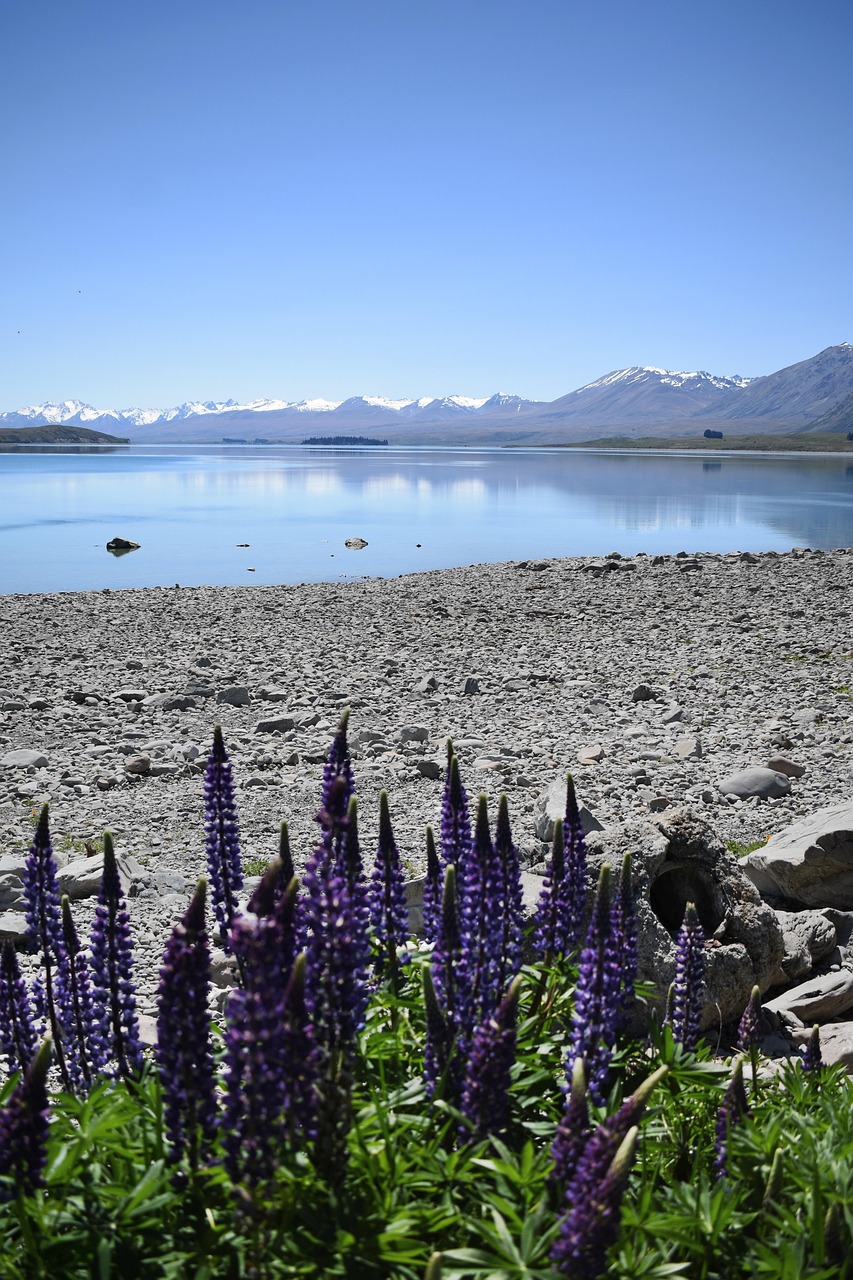
You want coastlines, lake towns, short walks, long views, and fewer transfers. Think Coromandel, Abel Tasman, Lake Tekapo, and West Coast stops.
Plan like: longer stays, picnic days, sunset timing.
Culture + Food + Wine New Zealand
You want urban pulse plus local food and wine: Wellington cafés, Hawke’s Bay, Marlborough, and local markets. Add one major nature leg for balance.
Plan like: city base + vineyard/coast day trips + one alpine highlight.
New Zealand in Four Seasons: Same Country, Different Game Plan
- Summer (Dec–Feb): Longer days, peak demand, and highest prices. Great for road trips, beaches, and mountain viewpoints.
- Autumn (Mar–May): My favorite for calmer roads, beautiful color shifts, and easier booking windows.
- Winter (Jun–Aug): Snow regions and alpine towns shine. Some routes need extra caution and winter gear planning.
- Spring (Sep–Nov): Wildly beautiful and changeable. Bring layers and keep weather-flex days.
Weather swings can happen in one day, especially around alpine and coastal zones. Build flexible plans, not rigid hour-by-hour itineraries.
Street Smarts: Small New Zealand Rules That Save Big Stress
- Road time is real time. Maps understate travel fatigue on winding roads.
- Book headline nature activities early. Milford, key ferries, and major tracks can fill fast in peak periods.
- UV can be intense. Cloudy does not mean safe — sunscreen and hats matter.
- Respect water conditions. Swim between flags, and don’t underestimate surf or river flow.
- Biosecurity checks are strict. Declare relevant food/outdoor gear and keep boots clean.
- Weather pivot mindset wins. If one region closes in, swap day order instead of forcing it.
- Keep left when driving. Especially at intersections and roundabouts after long flights.
- Add safety margin to alpine plans. Daylight, layers, and turnaround time matter more than ego.
New Zealand is beginner-friendly if you respect nature and roads. Most problems come from rushed pacing, not from the country itself.

Logistics Lite
Keep the essentials clean: entry rules, declaration process, transport strategy, and safety basics.
Entry basics: visa-waiver travellers usually need NZeTA + IVL
Many visitors can enter on a visa waiver, but most still need an NZeTA before travel. If applicable, the IVL (International Visitor Conservation and Tourism Levy) is commonly paid in the same flow. Always verify your nationality-specific requirements before booking.
If you need a Visitor Visa, stays can be longer than a short waiver
Visitor Visa pathways can allow extended stays (commonly up to 9 months under conditions), but documentation and eligibility differ by profile. Check current policy details before assuming timelines.
Arrival declarations: complete NZTD and take biosecurity seriously
New Zealand Traveller Declaration (NZTD) is part of the modern arrival flow, and biosecurity rules are strict by design. Declare relevant items honestly, and clean outdoor gear before arrival to avoid issues.
Money and practical spend reality
New Zealand uses NZD. Cards are widely accepted, although carrying a little cash helps in smaller areas. As a planning baseline, many trips land around: Budget NZ$90–140/day, Mid-range NZ$180–320/day, Comfort NZ$350+/day.
Power, connectivity, and emergency numbers
New Zealand uses Type I plugs, and power supply is 230/240V, 50Hz. Emergency number is 111 (police, fire, ambulance). Mobile coverage is strong in main corridors but less reliable in remote wilderness pockets.
- Emergency (all services): 111
- Plan remote days: Download offline maps first
- Adapter tip: Bring Type I plug adapter
Getting around: drive smart, or mix flights + short self-drive loops
Self-drive is common and rewarding, but you need realistic timing. New Zealand drives on the left, and many roads are narrow or winding. Typical default speed limits are often 50 km/h urban and 100 km/h open road unless signed otherwise.
If you’re arriving after a long-haul flight, overnight first before picking up a car. Fatigue plus left-side driving is not the combo you want on day one.
Base Plans: 3 Ways to Build a New Zealand Trip That Still Feels Good by Day 6
Choose one planning style and commit. Route clarity beats overambition.
Plan A: North Island First (first-timer friendly)
- Why: Easier logistics and strong mix of city + geothermal + coast.
- Do: Auckland (2) → Rotorua/Taupō (2–3) → Wellington (1–2).
- Rule: Add experiences, not extra beds.
First-time visitors, moderate pace travelers, and mixed-interest couples/groups.
Plan B: South Island Classic (big scenery focus)
- Why: Alpine lakes, mountain drama, and iconic scenic drives.
- Do: Christchurch (1) → Tekapo/Aoraki (2) → Queenstown/Wānaka (3–4) + Fiordland day.
- Rule: Keep at least one weather-flex day for fjords and mountain views.
You get maximum visual payoff without route chaos.
Plan C: Balanced Both-Island Loop (12–16 days)
- Why: Strong variety without the “exhaustion tax.”
- Do: North anchor (5–6 nights) + internal flight + South anchor (6–8 nights).
- Rule: Never build a day where travel + activity both run max intensity.
You keep contrast high while still preserving recovery rhythm.
Costs & Pace: What Actually Moves the Needle in New Zealand
New Zealand can feel expensive if every day includes long drives, paid headline activities, and last-minute bookings. However, it becomes much more manageable when you slow your base changes, self-cater some meals, and mix premium highlights with low-cost nature days.
- Accommodation strategy: Hostels/backpackers, simple motels, and apartment stays can cut costs dramatically.
- Food strategy: Split café meals with supermarket picnics and occasional self-cooking.
- Transport strategy: Fewer long drives + one strategic domestic flight often beats a forced road marathon.
- Activity strategy: Pair paid icons (cruises/adventure) with free DOC walks and viewpoints.
- Planning strategy: Shoulder seasons and early booking lower stress and spend.
In NZ, pace is your budget lever. Fast trips cost more and feel worse. Slower trips often cost less and feel better.
🇳🇿 New Zealand Daily Rhythm Comparison
How your pace changes both your energy and your spend
Spend bands are illustrative to show pace-to-cost relationship, not a quote.
Rob’s Pointers: Give Yourself One “Unrushed Morning” in Lake Country
If I could pick one repeatable move that improves almost every NZ itinerary, this is it.

Keep One Morning Empty — Then Let the Place Lead
New Zealand rewards space in the schedule. So instead of stacking every day, leave one lake-town morning open — no hard booking, no race to the next checkpoint. Grab a flat white, take a short shoreline walk, watch the weather, and decide from there.
That one unscripted window often becomes the moment you remember most: cleaner light, calmer roads, better conversations, and lower stress. Meanwhile, your whole trip starts feeling less like logistics and more like travel.
Why Lake Country Mornings Work
- The light is different: early lake light is soft and cinematic.
- The setup helps: towns are built for slow mornings, not rushing.
- Weather becomes visible: you can see what the day is doing before you commit.
What to Actually Do
- Walk to a pier or shoreline point before traffic builds.
- Find a local bakery, not just the busiest social-media café.
- Check DOC conditions while your coffee is still warm.
- Ask one local what works best today, not in general.
Use it after a transfer-heavy day. Keep options ready (short walk, café, local lookout), then choose based on weather and energy rather than forcing a fixed plan.
Try a simple local combo: strong coffee + savory pie before a short lake circuit. It’s humble, easy, and very New Zealand.
Un-Googleable New Zealand: Tiny Decisions That Change the Whole Trip
These aren’t secret places. They’re practical habits that make your route feel smoother and smarter.
Book one marquee activity early, then relax the rest
Lock your highest-demand item first (like a popular cruise/day tour), and let other days stay flexible. This protects your trip from weather stress and sold-out panic.
Use “first-light windows” for iconic spots
Early starts usually mean fewer crowds, cleaner photos, and calmer driving. Even 60–90 minutes earlier can transform the experience.
Treat every transfer day like a half-day
If the route says 4 hours, plan it as most of your day after stops, fuel, and scenic pull-offs. You’ll feel less rushed and make better decisions.
Pair paid experiences with free DOC short walks
This gives you value balance and keeps your budget from drifting while still delivering amazing scenery.
Always keep one weather pivot option nearby
If your headline plan gets blocked by weather, switch to your backup local option without losing momentum.
Plan fewer “must-do” lists and more “must-feel” moments
In New Zealand, memory quality usually comes from pace, place, and presence — not from raw stop count.
Gap Analysis: Is New Zealand Right for Your Current Travel Style?
Honest fit check. No hype, just practical alignment.
You’ll love it if…
- You value scenery and outdoor depth over big-city nightlife.
- You can handle weather pivots without frustration.
- You enjoy road-trip rhythm and thoughtful pacing.
- You prefer quality days over maximum stop counts.
- You want one destination that can do adventure + calm in the same trip.
Plan around it if…
- You dislike driving or long transfers (solution: strategic flights + fewer bases).
- You need very low daily budgets (solution: shoulder season + self-catering + free nature days).
- You need guaranteed weather (solution: build flexible sequencing, not fixed daily blocks).
- You prefer urban-heavy travel (solution: compress NZ and prioritize Wellington/Auckland + one nature leg).
New Zealand is excellent for travelers who respect pace, weather, and route logic. If that’s your style, it delivers hard.
New Zealand FAQs
Quick answers to the questions people ask right before booking.
Do I need an NZeTA to visit New Zealand?
Many visa-waiver travelers do need an NZeTA before travel. Requirements depend on nationality and status, so check official Immigration NZ guidance before booking flights.
Is New Zealand expensive for tourists?
It can be mid-to-high cost, especially with fast-paced routing. Slower bases, self-catering, shoulder seasons, and selective paid activities can reduce costs meaningfully.
How many days do I need for New Zealand?
9–12 days is solid, while 14–18 days is the sweet spot for both islands with less rush.
Is it better to drive or use public transport?
Self-drive offers the most flexibility for scenic stops and regional depth. You can also combine domestic flights with shorter local loops if you prefer less driving.
Which island should I do first?
North Island first if you want easier culture + geothermal variety. South Island first if you want mountain/fjord impact.
What is the emergency number in New Zealand?
111 connects you to police, fire, and ambulance in emergencies.
Do I need to declare items on arrival?
Yes — New Zealand has strict biosecurity controls. Declare relevant food, outdoor, and risk items honestly, and clean outdoor gear before arrival.
When is the best time to go?
It depends on your style: summer for long daylight and broad access, autumn for great balance, winter for alpine/snow focus, and spring for dramatic variety with weather flexibility.
Join the conversation
Are you planning a North-first or South-first New Zealand route? Share your rough itinerary, your trip length, and where you feel stuck — especially if you’re deciding between more stops vs. better pace. If you’ve done NZ before, drop practical tips that helped your trip run smoother.