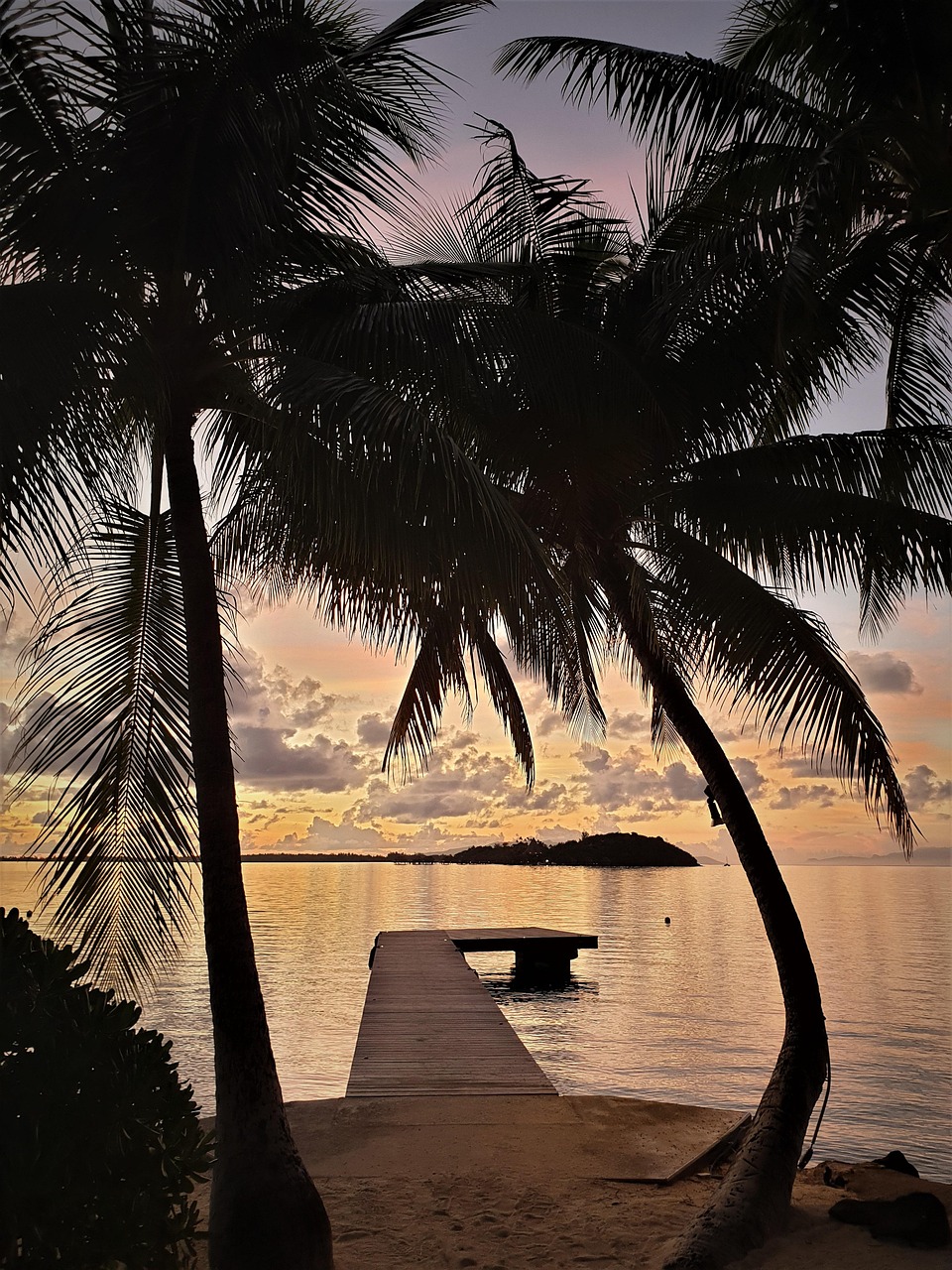
TAHITI, MOOREA AND THE ISLANDS BEYOND
French Polynesia Travel Guide: Beyond the Bungalow
An overwater bungalow is a powerful piece of advertising. Give it turquoise water and breakfast on a tray, and the credit card starts making its own decisions. This French Polynesia travel guide takes a breath before joining in.
Bora Bora may be the dream, but Tahiti, Moorea, the other Society Islands and the more distant archipelagos offer very different trips. Decide whether you want lagoon time, mountain walks, diving, cultural experiences or a particular stay—and then work out the connections.
My blunt take: there is no point buying an extraordinary room if you're too anxious about the bill to enjoy lunch. Spend on what matters to you, and remember that the islands contain considerably more life than the resort photograph.
French Polynesia: the decisions that matter
- Decide whether the dream is a particular resort or the islands themselves; both are valid, but they lead to different bookings.
- Compare Tahiti and Moorea before assuming Bora Bora must be the centre of the holiday.
- Plan a Tuamotu or Marquesas trip around those islands, rather than leftover days.
- Add meals, airport or boat transfers and domestic baggage conditions to the accommodation price.
- Confirm the transport for every island change before fixing activities.
- Leave some time beyond the property to meet the place hosting you.
Start with the experience, then choose the island
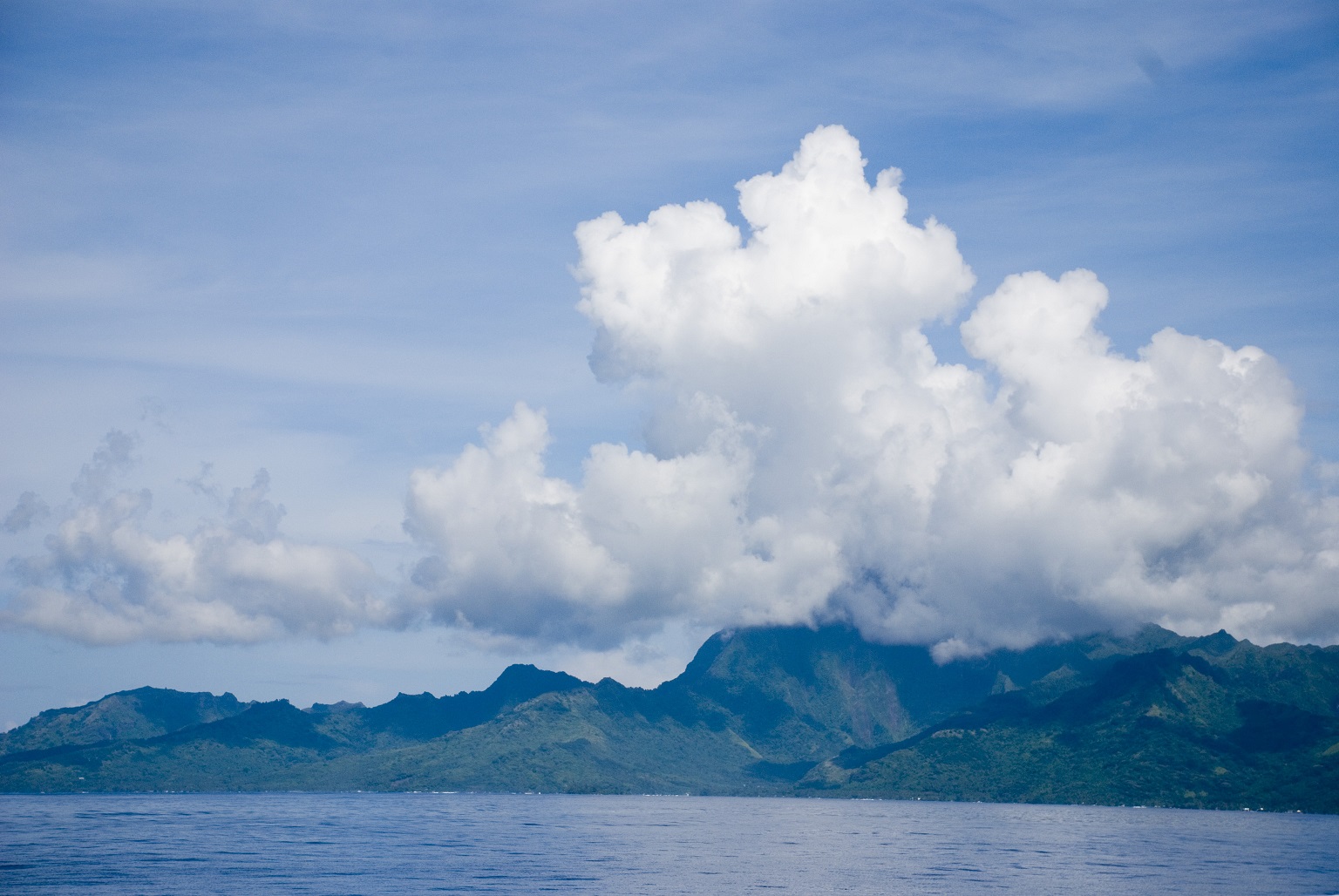
Tahiti and Moorea can make a useful pair for a first visit. Bora Bora adds a different lagoon-and-accommodation choice, while the Tuamotus and Marquesas invite more specialised planning. Those are options, not a compulsory sequence.
Work backwards from the experience you most want. A diving holiday, a walking-and-culture trip and a resort anniversary stay should not automatically share the same itinerary. Confirm the flight or ferry connections before adding another night in another place.
Lagoon, mountains, culture or diving?
Pick your primary mode first. Then add one complementary mode so the trip feels balanced, not repetitive.
Lagoon + Soft Luxury
You want turquoise water, easy boat days, sunset pace, and restorative time. Think Bora Bora and Moorea with structured downtime and quality dining.
Plan like: fewer hotels, longer stays, intentional “do less, enjoy more” blocks.
Active Island Days
You want hiking, snorkeling, diving, and full outdoor daylight use. Moorea and selected outer islands work well when you pace activity with recovery.
Plan like: morning-heavy activity + calm afternoons + one flex day per transfer cycle.
Culture + Local Rhythm
You want markets, local food, dance/craft culture, and neighborhood atmosphere. Tahiti gives your strongest access to daily-life texture and practical logistics.
Plan like: one home base, transit realism, and less “resort-hopping pressure.”
Rob’s aside
The bungalow has an excellent publicist
Somewhere along the way, a room standing in water became the job description for a perfect Pacific holiday.
It can be wonderful. However, it remains a room. The people, food, landscape and conversations are elsewhere, and they don't become less interesting because your bed is on dry land.
Book the bungalow if it's your dream. Just make sure the room isn't the only thing you meet.
When to visit—and what the weather can change
- Summer (Dec–Feb): Warm, humid, and often wetter; still beautiful, yet plan more weather flex. Tropical storms are possible, so check official forecasts and keep plans flexible.
- Autumn (Mar–May): Transition window with mixed conditions; good value opportunities can appear. Weather is unpredictable — can be stunning or stormy within the same week. Whale watching is seasonal, so check locally for current viewing opportunities and rules. Pack for both sun and rain.
- Winter (Jun–Aug): Drier/cooler relative conditions in many islands; a popular travel window. Conditions vary by island, so check forecasts and sea conditions before planning water activities. Popular dates can fill early, especially for flights and accommodation.
- Spring (Sep–Nov): Shoulder-to-transition timing; often strong for balanced pace itineraries. Weather becomes warmer and wetter as summer approaches. However, conditions and prices vary by island and travel date.
The underlying truth: French Polynesia works year-round if you adjust expectations. Each season has trade-offs in weather, cost, crowds, and available activities.
Do not plan by “month name” alone. Check forecast patterns and sea conditions island-by-island before finalizing boat or activity days.
Lagoon safety and practical precautions
French Polynesia is generally straightforward for travelers, and most stress points are preventable with basic planning discipline.
Sun, heat, and hydration are the real daily risks
- Use sun protection before you feel the heat.
- On excursions, carry enough water for the day.
- At midday, take a break in the shade.
- Respect fatigue signs — tropical tiredness sneaks up fast.
Lagoon and reef safety basics
- Follow operator guidance for currents, entry points, and reef zones.
- Protect the reef by controlling your fins and avoiding contact with coral.
- Before a boat trip, arrange sun protection and drinking water.
- If conditions shift, pivot plans quickly rather than forcing the schedule.
Emergency setup that takes two minutes
- Medical: 15
- Police: 17
- Fire: 18
- EU emergency number: 112
Weather and marine conditions
- Use weather checks as a daily habit in island travel.
- In the warmer months, prepare for heavier rain and storms.
- For open-water activities, follow local operators and official warnings.
Small details to settle before island-hopping
- Transfer days are real days. Instead, treat them as logistics-first days.
- Before your outbound flight, keep a buffer night. That way, you have room for disruption before departure.
- Book key inter-island legs early, especially for fixed dates. This matters especially when your dates are fixed.
- Every few days, leave a half-day open. Since weather and energy can change, leave some time open.
- Pack light between islands. With fewer bags, moving between islands is easier.
- Front-load essentials. Sunscreen, water gear, and basics are easiest to buy once, early.
- Don’t over-stack paid activities. Instead, leave time to enjoy the lagoon.
- Pace beats pressure. In French Polynesia, quality almost always wins over quantity.
Disappointment often comes from trying to “collect islands” too quickly. So consider cutting one move to give the rest of the trip room to breathe.
Entry, currency and inter-island transport
Before you leave, arrange five basics: entry documents, money, inter-island transport, weather checks, and emergency contacts.
Entry rules & visa pathway
Entry conditions vary by passport and length of stay. So before you book fixed, non-refundable plans, confirm your exact route through official visa/immigration channels.
Visas & entry requirements (site guide)Money, cards, and everyday spend
French Polynesia uses the CFP franc (XPF). Cards are common in many traveler areas, while cash backup still helps in smaller or remote contexts.
Inter-island movement
In practice, your main tools are domestic flights for longer island jumps and ferries for short core links (like Tahiti–Moorea). First arrange major transfers, then plan activities around them.
Weather and marine planning
Before setting out, check the official weather forecast. Sea conditions can change quickly, so ask local operators for advice.
Emergency readiness
Save emergency numbers on day one, share accommodation details offline, and keep one charged power bank for transfer days. Together, these basics make a disrupted transfer easier to handle.
- Medical: 15
- Police: 17
- Fire: 18
- General emergency: 112
Route pacing rule
Your route quality matters more than island count. Plan one “nothing slot” each week for recovery and weather pivots, and the whole trip becomes more enjoyable.
In French Polynesia, under-planning transfers is costlier than under-planning activities.
Routes from Tahiti: simple pairs and longer journeys
First choose a structure that fits your time. Then leave some room for weather and delays.
Plan A: Tahiti + Moorea (First-Timer Sweet Spot)
- Why: A straightforward route with variety and a ferry connection.
- Do: Urban/cultural anchor in Tahiti + lagoon/outdoor rhythm in Moorea.
- Rule: Keep one day open in case weather changes or you need a rest.
A good choice for first visits, especially when travelers have different interests.
Plan B: Society Islands Trio (Tahiti + Moorea + Bora Bora)
- Why: Strong contrast between local rhythm and iconic lagoon visuals.
- Do: Keep each island long enough to settle (ideally 3+ nights).
- Rule: After a transfer, allow time to settle in before booking an excursion.
As a result, you get the classic scenery with more time to enjoy it.
Plan C: Core Pair + One Outer Extension
- Why: It adds depth, especially if you have more time.
- Do: Tahiti/Moorea as backbone, then one Tuamotu or Marquesas leg if timeline allows.
- Rule: Before your international departure, allow a buffer night.
A longer stay on one island can be more rewarding than rushing through two.
What the postcard doesn't say about the bill
Yes, French Polynesia can run premium — especially with frequent flights and resort-heavy routing. However, your pace still controls the budget more than people expect. Fewer transfers can reduce costs, while a mix of accommodations gives you more control over spending.
- Accommodation strategy: Mix guesthouses with a special splurge night if your budget allows.
- Food strategy: Try local counters and markets, then choose a special dinner.
- Transport strategy: Book major legs early, then avoid unnecessary island jumps.
- Activity strategy: Balance a lagoon tour with lower-cost beach or hiking days.
If you plan French Polynesia like a transfer sprint, it gets expensive quickly. If you plan it like an island rhythm, value improves.
Price the whole trip: Compare accommodation, meals, baggage, transfers and activities for your dates. Sample days below illustrate different paces; they are not current price quotations. A quieter day is not automatically a cheaper one.
🇵🇫 French Polynesia Daily Rhythm Comparison
How pace changes both energy and spend
These amounts are examples, so check current prices for your dates and chosen islands.
Moorea: leave lunch in the plan
A lagoon outing and an unhurried local lunch can make a satisfying Moorea day. Choose your water activity with an operator who explains conditions and wildlife rules, rather than simply promising the best photograph.
Then try somewhere serving local food. Poisson cru is worth looking out for if raw fish suits your preferences and dietary needs.
One island isn't an introduction to all the others
Tahiti and Moorea make a practical starting pair because they have a ferry connection. More distant island groups need a different conversation about flights, accommodation and the experiences available.
If the Marquesas or Tuamotus are the real draw, plan around them from the beginning. They deserve more than whatever days remain after the resort booking.
Would French Polynesia suit your next trip?
French Polynesia makes sense if lagoon landscapes, island culture or a particular diving or walking experience justify the journey and budget for you. A simple guesthouse holiday and a major resort celebration are different versions of the destination.
If every meal or transfer would make you anxious about money, price the full itinerary before committing. You can choose simpler accommodation—or another destination—without failing some imaginary test of the perfect Pacific holiday.
French Polynesia travel questions
Here are quick answers to common planning questions.
Is French Polynesia safe for tourists?+
Take normal precautions, protect valuables, and check local marine conditions before entering the water. Also consult the current U.S. travel advisory and allow time for transfers.
Do I need a visa for French Polynesia?+
Requirements depend on passport and stay length. Before booking non-refundable arrangements, confirm the rules through official channels.
What is the best time to visit French Polynesia?+
Many travelers prefer the generally drier period (roughly May–October), while November–April tends to be warmer and wetter. Exact conditions still vary by island and week.
How many days do I need?+
Eight to ten days can work for two islands. With twelve to sixteen days, you can spend longer in each place.
Is French Polynesia expensive?+
It can be premium, but your pace and accommodation mix matter a lot. Fewer transfers and practical food habits often reduce spend more than people expect.
What currency should I plan for?+
The local currency is the CFP franc (XPF). Although cards are widely used in tourist areas, carry some cash as a backup.
What emergency numbers should I save?+
Save 15 (medical), 17 (police), 18 (fire), and 112 (general emergency number).
Can I do Tahiti, Moorea, and Bora Bora in one trip?+
Yes, if you have enough time. Allow several nights per island, and avoid scheduling a major activity on a transfer day.
Keep exploring
Plan the bigger journey
The free World Travel Course helps turn a travel idea into a practical plan.
Join the conversation
Planning French Polynesia soon? Share your draft route, timeline, and preferred pace. And if you’ve already done this trip, drop your practical wins (especially transfer logic, budget saves, and “wish I knew this earlier” tips) so the next traveler can plan smarter.