HIGHLANDS, COAST AND REEFS • PREPARATION FIRST
Papua New Guinea Travel Guide: Culture and Careful Plans
Papua New Guinea deserves more than being described as somewhere adventurous. It is home to communities, histories and landscapes that cannot be understood through a single travel label. This Papua New Guinea travel guide starts with a careful decision about whether, where and how to visit.
Cultural visits, diving and trekking require different routes, skills and local support. Choose the main purpose of the trip, then discuss the entire journey with experienced providers, including transfers, contingency arrangements and access permissions.
Read current official travel advice before committing money. Crime, unrest, health provision and natural hazards can affect the decision to go as well as the route. A thoughtful plan respects those limits; enthusiasm cannot substitute for one.
Papua New Guinea: the decisions that matter
- Read the current travel advisory and decide whether the proposed regions are appropriate before booking.
- Choose a clear purpose: cultural visits, a specialist reef stay or a supported trek require different preparation.
- Ask experienced providers to explain every transfer and any community permissions.
- Get written contingency arrangements for disrupted transport and medical emergencies.
- Consult a travel-health professional about your exact route and personal needs.
- Confirm that your insurer covers the locations and activities before paying.
Begin with a purpose and an experienced provider
A reef stay, a highland cultural itinerary and a Kokoda trek are very different undertakings. Select the experience first, then ask an established specialist to explain the route, permissions, support and contingency arrangements.
Do not treat a suggested route here as a statement that every place is suitable to visit now. Current advisories, conditions and your own preparation determine that decision. Cut an extension if it weakens the time or support available for the main journey.
Highlands, reefs or a guided trek?
PNG has multiple personalities. Pick your dominant mode first, then add one support mode.
Reef & Coastal Nature PNG
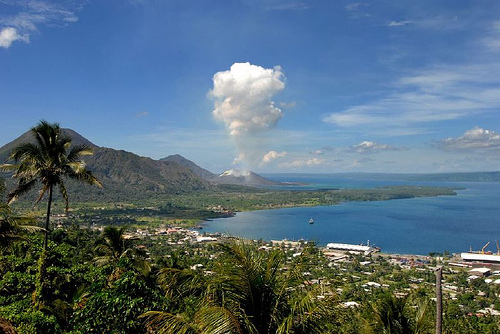
You want marine life, coastal calm, and layered nature days. Think lower-friction rhythm, slower mornings, and fewer transfers.
Plan like: one coastal base + day excursions + weather buffer.
Culture & Human Story PNG
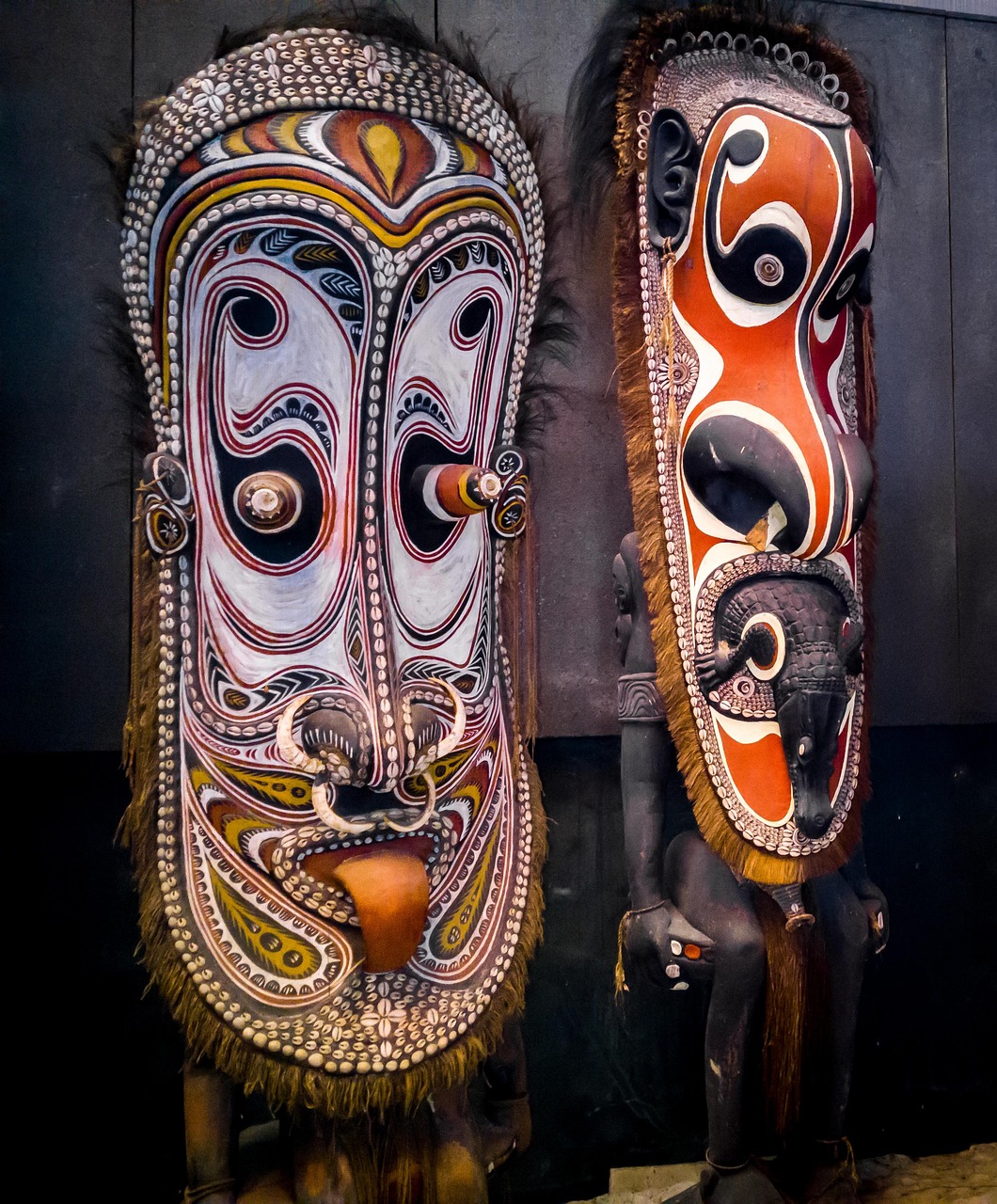
You’re here for cultural depth, lived tradition, and local perspective. This lane is strongest when you go with trusted local guidance and respectful pacing.
Plan like: pre-arranged ground support + intentional community etiquette.
Trek & Highlands PNG
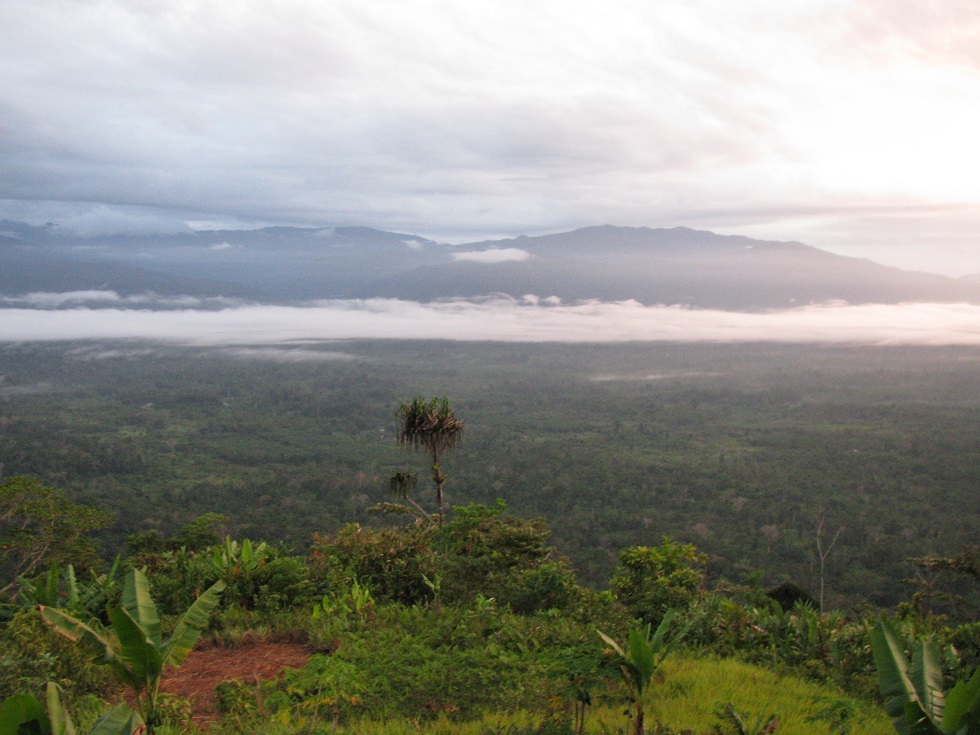
You want mountain challenge and expedition energy. High reward, but also higher logistics and security sensitivity by area.
Plan like: licensed operator, current advisory checks, conservative timing.
Rob’s aside
Ask a name before asking for a portrait
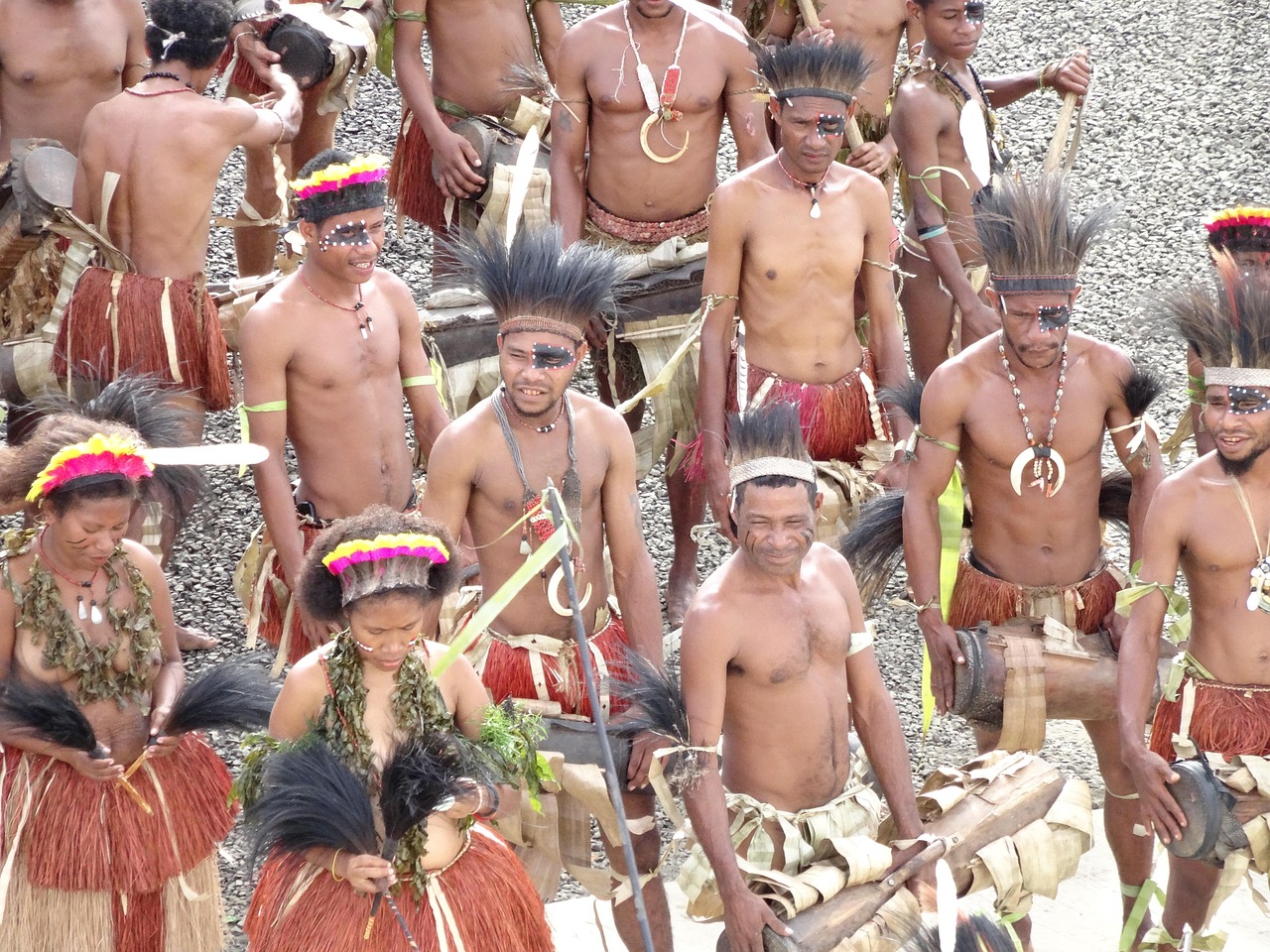
Travel photography has an unfortunate habit of turning somebody's home into our backdrop. A striking face, beautiful ceremonial dress, a camera lifted—and somehow the conversation never happened.
My rule: ask permission, learn a name if someone wants to share it, and accept a no without trying a more persuasive smile.
The best thing you bring home may be something that never appeared on your memory card.
Timing depends on the province and activity
- General pattern: PNG is tropical, with regional variability and humidity year-round.
- Often drier windows: Many routes are easier in mid-year shoulder-to-drier periods.
- Often wetter windows: Heavier rain periods can affect flight/road reliability in some areas.
- Best practice: Build your final timing around your exact provinces, not national averages.
In PNG, weather and logistics are connected. Add time buffer around important transfer days.
Read the travel advisory before committing
The U.S. State Department advisory checked for this review is Level 3: Reconsider Travel. It cites crime, civil unrest and piracy, with additional concerns including kidnapping, unexploded ordnance, healthcare availability and natural disasters. Some areas have stronger restrictions.
Read the full current U.S. advisory and your own government’s advice before booking. Guidance can change, so recheck near departure. An operator’s willingness to sell a trip does not settle the decision.
Ask about the entire journey
Use experienced providers for airport transfers, accommodation and specialist activities. Discuss local conditions, community permissions and contingency arrangements. Avoid improvising movement in unfamiliar areas, especially after dark.
Health preparation needs a separate appointment
Arrange a pre-travel consultation using current destination advice. Discuss your exact route, prescriptions and access to medical care. Confirm evacuation and activity cover with your insurer before paying for remote, diving or trekking segments.
Respect, photography and local guidance
- Treat transfer days as transfer days. Don’t overload them with major activities.
- Protect your first 24 hours. Keep day one low complexity and reset properly.
- Use operator quality as a filter. In PNG, provider quality changes outcomes quickly.
- Carry cash backup sensibly. Card acceptance can vary by area and business type.
- Download offline maps/docs. This saves time and anxiety when connectivity dips.
- Keep one free half-day every 3–4 days. Weather and energy both need buffer.
- Don’t chase every headline location. Depth beats coverage here.
- Finish strong, not exhausted. A calmer final third improves the whole trip memory.
PNG is one of those destinations where your planning behavior matters as much as your destination list.
Visas, operators, transfers and health preparation
PNG gets much easier once five basics are locked: visa pathway, advisory checks, route simplicity, vetted transfers, and health prep.
Entry rules & visa pathway
Visitor visa details are published by PNG’s Immigration & Citizenship Authority, and eVisa options are available through official channels. Confirm your passport pathway before committing to non-refundable bookings.
Visas & entry requirements (site guide)Advisory checks are part of route planning
Don’t treat advisories as “optional reading.” Use them to shape where you go, how you move, and who you book with. Re-check shortly before each transfer leg.
Money, cashflow, and daily spend control
PNG uses the kina (PGK). Costs can escalate in remote legs, especially when movement is frequent. Keep base count modest and avoid unnecessary one-night hops.
Getting around
Plan key transfers early and give yourself timing margin. In PNG, “tight” itineraries are where stress begins.
- Prioritize fewer, stronger bases over frequent location switches.
- Use known operators for airport transfers and specialized routes.
- Keep a contingency option for weather or schedule changes.
Connectivity and documents
Keep passports, visa approvals, and core bookings available both online and offline. Save important contacts and route notes in two places.
Health setup before departure
Book a travel-health check before you fly, especially for longer or remote itineraries. Bring core prescriptions and practical first-line meds.
In remote contexts, prevention beats improvisation every time.
Possible trip structures to discuss with an operator
Pick one and commit. Route clarity is your best friend in PNG.
Plan A: Coast / Nature Focus + City Buffer
- Why: Strong visual reward with manageable complexity.
- Do: One coastal/nature base + Port Moresby entry/exit buffer.
- Rule: Protect the day before your international departure.
First-time PNG visitors who want depth without expedition overload.
Plan B: Culture-Led Route
- Why: Human story and place-based learning become the core memory.
- Do: One city orientation + one curated local-cultural region.
- Rule: Go with high-trust local partnerships.
You travel with context, not just coordinates.
Plan C: Trek Lane + Recovery Lane
- Why: Maximum challenge and meaning with a controlled structure.
- Do: Trek-focused block + recovery/coastal close-out.
- Rule: Do not compress this plan into a short timeline.
It keeps your body and logistics in sync with the mission.
Why specialist journeys cost more
In PNG, your cost profile is shaped less by “cheap vs expensive mindset” and more by route complexity. Every additional transfer can compound spend, risk, and fatigue.
- Accommodation strategy: Fewer bases and longer stays often improve value and flow.
- Food strategy: Build simple daily routines where available to avoid convenience-cost creep.
- Transport strategy: Anchor flights/transfers first, then build activities around them.
- Activity strategy: Choose a few high-value experiences instead of paying for constant movement.
- Budget truth: Remote and specialist segments usually price higher than urban blocks.
PNG is not where aggressive itinerary stacking saves money. Usually it does the opposite.
Price the whole trip: Compare accommodation, meals, baggage, transfers and activities for your dates. Sample days below illustrate different paces; they are not current price quotations. A quieter day is not automatically a cheaper one.
🇵🇬 Papua New Guinea Daily Rhythm Comparison
How pace shifts energy, cost pressure, and trip quality
Pace bands are illustrative planning aids, not a quoted price guide.
Tufi: let local hosts shape the day
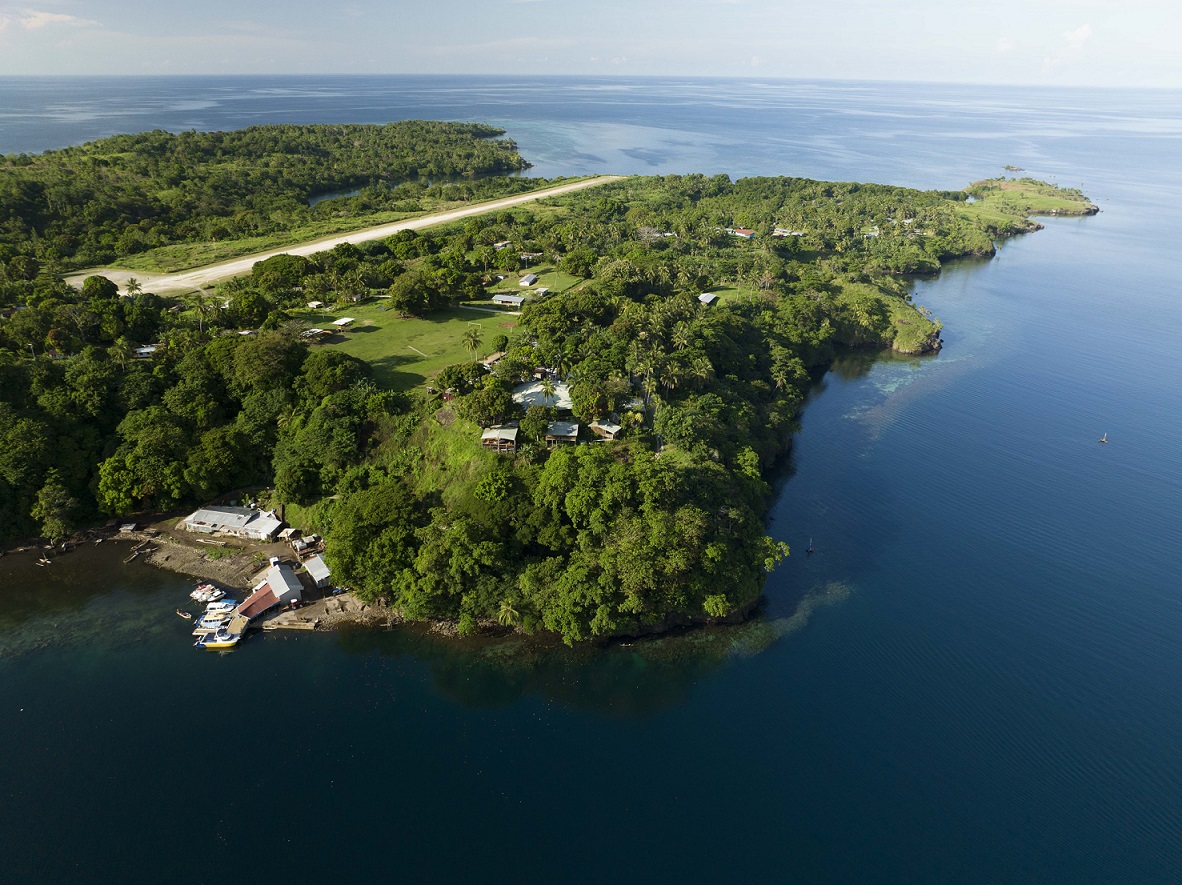
If Tufi is part of an advised, organised route, ask your accommodation or operator about appropriate local activities, community visits and water conditions. Choose the outing for its substance, rather than a promise of an untouched place.
Keep transfers and any movement beyond the property coordinated with trusted local providers. An early start isn't a substitute for that support.
Ask what happens when the plan changes
Before paying, ask who handles a cancelled domestic flight, where you would stay, which transfers are provided and how you would obtain medical help. Get the answers in writing.
For a cultural visit, ask who has invited the group and how the community benefits. For trekking or diving, ask about qualifications, emergency plans and the specific cover your insurer requires.
Would Papua New Guinea suit your next trip?
Papua New Guinea is a trip to consider if you have a specific reason to go and are prepared to organise the support it requires. Cultural visits, diving and trekking need different skills and providers.
If you want a spontaneous, easy-to-improvise journey or cannot budget for the necessary support, choose another trip for now. That is a sensible decision. No destination is an obligation, however compelling the photographs.
Papua New Guinea travel questions
Quick answers to what travelers usually worry about first.
Is Papua New Guinea safe for tourists?+
It depends strongly on where and how you travel. Current official advisories from multiple governments flag elevated risk in parts of PNG, so route choice, operator quality, and daylight logistics matter a lot.
Do I need a visa for Papua New Guinea?+
Check PNG Immigration’s official visitor visa guidance and eVisa options based on your passport before booking fixed, non-refundable elements.
What’s the best first route for PNG?+
One main lane (coast, culture, or trek) plus one contrast leg. Keep base count low and avoid stacking transfer-heavy days.
How many days do I need?+
Ten to fourteen days is workable for one lane. Fifteen to twenty-one days is better for depth and calmer pacing.
Is PNG an expensive destination?+
It can be, especially with remote logistics and frequent internal movement. Fewer bases and smarter sequencing usually improve value.
Should I travel independently or with operators?+
A hybrid approach works well for many travelers: independent where straightforward, and vetted local operators for complex or sensitive legs.
What health prep should I do?+
Get a pre-trip travel-health consultation, check vaccine status, and carry practical first-line meds plus your core prescriptions.
Can I combine reef, culture, and trekking in one trip?+
Yes — but only with realistic pacing and a low base count. If the route looks tight, remove one transfer and quality goes up.
Keep exploring
Plan the bigger journey
The free World Travel Course helps turn a travel idea into a practical plan.
Join the conversation
Planning Papua New Guinea? Share your draft route, timeframe, and travel pace — and if you’ve already gone, add your most practical wins so other travelers can plan safer, calmer, and smarter.