OCEANIA LANE • SAMOA
Samoa Travel Guide: Lagoon Rhythm,
Upolu-Savai'i Flow & Practical Island Planning
Samoa is one of those places where the trip improves the moment you stop “collecting sights” and start planning around island rhythm: weather windows, road pace, and water time.
My rule here is simple: pick one anchor island first, then add one contrast. If you anchor on Upolu, add a slower Savai'i leg. If you anchor on Savai'i, finish with Apia-side convenience. That single choice keeps your route calm and your energy steady.
Samoa rewards travelers who leave breathing room. Distances look short on paper, but beach stops, village speed limits, weather shifts, and ferry timing can stretch your day. Build your plan around time, weather, and recovery blocks, and the trip feels rich instead of rushed.

Need the Gist? (60-Second Scan)
If you only read one section, read this. Samoa shines when you simplify island flow and protect recovery time.
- Best first move: Start with one island anchor (Upolu or Savai'i), then add one contrast leg.
- When it clicks: When you plan around weather + water + energy, not just map pins.
- Money truth: Costs rise fast when you change bases too often and book transfers late.
- Easy win: Keep at least one unbooked half-day every 3–4 days.
- Classic mistake: Overloading day trips and turning every transfer into a sightseeing sprint.
- Quiet flex: Village beaches and local food stops usually beat checklist tourism here.
Samoa gets better as your itinerary gets cleaner: fewer bases, more depth, better mornings.
60-Second Fit Check
- Ideal trip length: 7–10 days (solid), 11–14 days (sweet spot).
- Best energy level: Low to medium with occasional active days.
- First-timer friendly: Yes, if you avoid overscheduling.
- Budget vibe: Mid-range island destination with great value when paced well.
- My simple rule: If your route has more than 3 hard transfer days in 10 days, trim it.
Samoa’s climate is typically drier May–October and wetter November–April, so season timing can change trip quality.
The Samoa That Clicks: One Anchor Island + One Contrast Leg
The cleanest structure is Upolu + Savai'i with clear roles: one island for convenience and day-flow, the other for slower immersion. Keep your ferry day protected and don’t stack a heavy tour on top of it.
Why this works: you get variation without constant reset fatigue. Upolu gives easy arrivals, Apia access, and core logistics. Savai'i gives spacious pace, beach rhythm, and deeper “switch-off” time.
I’d rather do fewer places properly than race the islands. Samoa rewards depth. Let each base breathe and your trip shifts from “efficient” to genuinely restorative.
Days 1–4 Upolu (arrival + lagoon/coast days), Day 5 transfer, Days 6–9 Savai'i, Days 10–11 optional Upolu close-out before departure.

Vibe Check: Which Samoa Trip Are You Actually Here For?
Pick your primary mood first. Then add one complementary mode so the trip feels complete.
Lagoon & Slow Beach Samoa
You want open-water swims, easy beach days, village tempo, and low-pressure evenings. This is the “recover, breathe, reset” version of Samoa.
Plan like: fewer transfers, earlier starts, longer afternoons.
Road + Nature Samoa
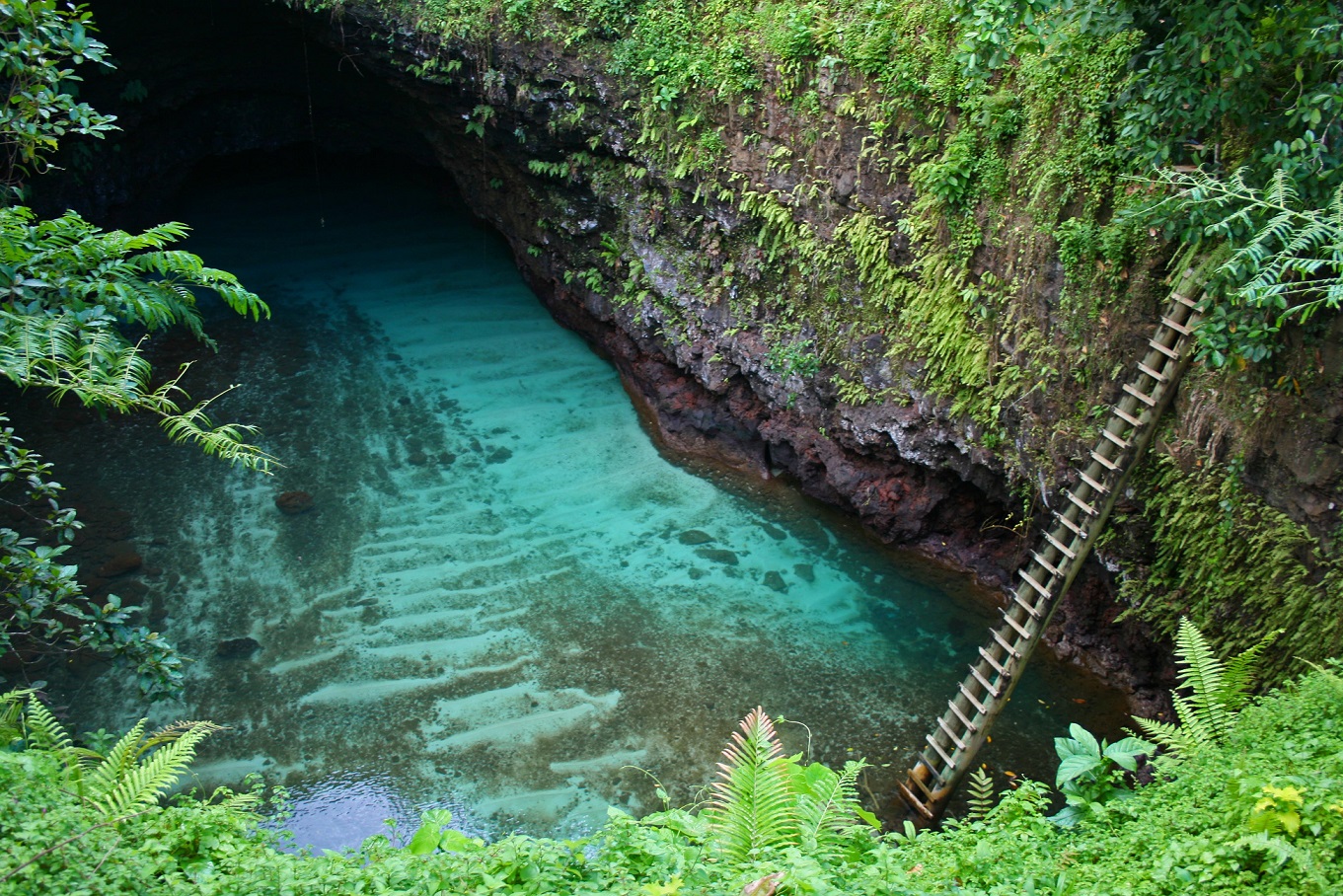
You want waterfalls, coastal loops, viewpoints, and natural pools. Great option if you like active days with soft landings.
Plan like: one major outing per day + one recovery block.
Culture + Local Rhythm Samoa
You want markets, village rhythm, and local food moments over “big attraction” pressure. This gives the deepest emotional memory of Samoa.
Plan like: flexible mornings, community-respect mindset, no rushed evenings.
Samoa in Four Seasons: What Changes and What Stays
- Summer (Dec–Feb): Tropical heat and wetter conditions; build in weather flexibility.
- Autumn (Mar–May): Transition period; still humid, but can be a good shoulder window.
- Winter (Jun–Aug): Drier, often easier for road loops and outdoor days.
- Spring (Sep–Nov): Warm and generally strong for mixed beach + activity itineraries.
In practice, most travelers treat Samoa as a dry-season vs wet-season planning destination (typically drier May–October and wetter November–April).
Safety: Keep It Simple, Stay Water-and-Road Smart
Samoa is very manageable when you respect ocean conditions, road pace, and weather realities.
Water and weather basics
- Check local conditions before swim sessions in ocean or trench/rock-pool spots.
- Prioritize reef-safe habits, hydration, and sun protection every day.
- During wetter months, keep backup plans for heavy-rain days.
- Don’t force exposed-water plans in poor conditions.
Road and transfer safety
- Drive with patience; village zones and road conditions reward conservative speed.
- Leave margin around ferry/transfer days.
- Avoid fatigue-driving after long activity days.
- Use seat belts and keep to local road rules.
Emergency setup that takes one minute
- Emergency number: 911 in Samoa.
- Save accommodation details offline for quick navigation or support.
- Keep travel insurance active, especially for multi-island legs.
- Share day plans when heading to remote coastal areas.
Practical safety links
- Emergency response information is listed on Samoa travel advice pages.
- Driving guidance is available through official Samoa travel resources.
- Use official climate pages before locking weather-sensitive activities.
Street Smarts: Small Samoa Rules That Save Big Stress
- Plan fewer hard transitions. Multi-stop island days look simple but add up quickly.
- Protect your ferry day. Keep it light and flexible.
- Start early for nature days. Better light, calmer conditions, better pace.
- Carry cash backup. Helpful for smaller local purchases and village-side stops.
- Respect local spaces. Ask before photographing people or private/community settings.
- Don’t stack everything into one day. One major outing + one easy block is the winning formula.
- Offline maps matter. Useful when signal quality shifts outside main town zones.
- Pace beats pressure. In Samoa, that’s where the real trip quality lives.
If your itinerary feels “efficient,” it may already be too tight. Cut one transfer and your whole trip usually improves.

Logistics Lite
Samoa becomes easy when you lock five basics early: entry, customs, money, emergency setup, and transport rhythm.
Entry rules & permit reality
Samoa’s official travel guidance notes that stays under 60 days generally don’t require a pre-entry permit, with conditions such as passport validity and onward/return travel evidence. Nationality-specific rules can differ, so always verify before booking non-refundable plans.
Customs and biosecurity
Samoa customs rules apply to incoming goods, and it’s worth checking the official guidance before arrival. If you’re unsure about an item, verify first rather than guessing at the airport.
Money, cards, and daily spend
Samoa uses the Samoan tālā (WST), divided into 100 sene. Keep cards where accepted, but maintain a cash buffer for smaller local spending.
Emergency and support basics
Save 911 for emergencies and keep your accommodation details saved offline. Also, check weather guidance before water-heavy days.
- Emergency: 911
- Driving side: Left
- Seat belts: Mandatory per Samoa travel advice
Getting around: island logic
Use a small number of bases and keep transfer days practical. Plan road loops geographically, not by social media order. If you include both major islands, protect your transition day.
Driving notes for visitors
Samoa is left-side driving. If you rent a vehicle, drive calmly and avoid turning long loop days into deadline races.
Your safest trip is rarely your fastest trip. Keep margins in the plan.
Base Plans: 3 Simple Ways To Build Samoa So Day 8 Still Feels Good
Pick one structure and commit. Samoa rewards clarity, not complexity.
Plan A: Upolu Focus + Short Savai'i Add-on
- Why: Smooth first-timer structure with easier logistics.
- Do: 4–6 nights Upolu + 2–4 nights Savai'i.
- Rule: Keep one buffer block around transfer day.
First-time visitors who want variety without overloading the itinerary.
Plan B: Savai'i-First Slow Travel
- Why: Best for calm pace, beach rhythm, and space.
- Do: Longer Savai'i stay + short Upolu finish.
- Rule: Don’t overbook activity days; let weather lead.
Lower decision fatigue, better rest, stronger “this is why I came” feeling.
Plan C: One-Island Deep Dive
- Why: Lowest transit fatigue and best immersion.
- Do: 7–10 nights single-island with 2–3 mini-zones.
- Rule: Balance one active day with one softer day.
Fewer moves = stronger daily flow and usually better value.

Costs & Pace: What Actually Moves the Needle in Samoa
Samoa is often more affordable than people expect, but pacing still drives spend. Constant transfers, late bookings, and “all-day, every-day” activities can inflate costs quickly. Slower clusters, smart food rhythm, and fewer move days keep both quality and budget under control.
- Accommodation strategy: Simple stays can be strong value; comfort-tier rises with location and inclusions.
- Food strategy: Mix local casual spots with a few signature meals; avoid defaulting to premium every night.
- Transport strategy: Plan loop days by zone to reduce backtracking and fuel/taxi waste.
- Activity strategy: Pair paid highlights with low-cost beach, market, and village-rhythm days.
- Daily average: Costs vary by style; slower travel usually improves value dramatically.
If Samoa feels expensive, it’s often a pace problem first, not a destination problem.
🇼🇸 Samoa Daily Rhythm Comparison
How pace changes both energy and spend
Costs are illustrative (WST) to show pace impact — not a quote.
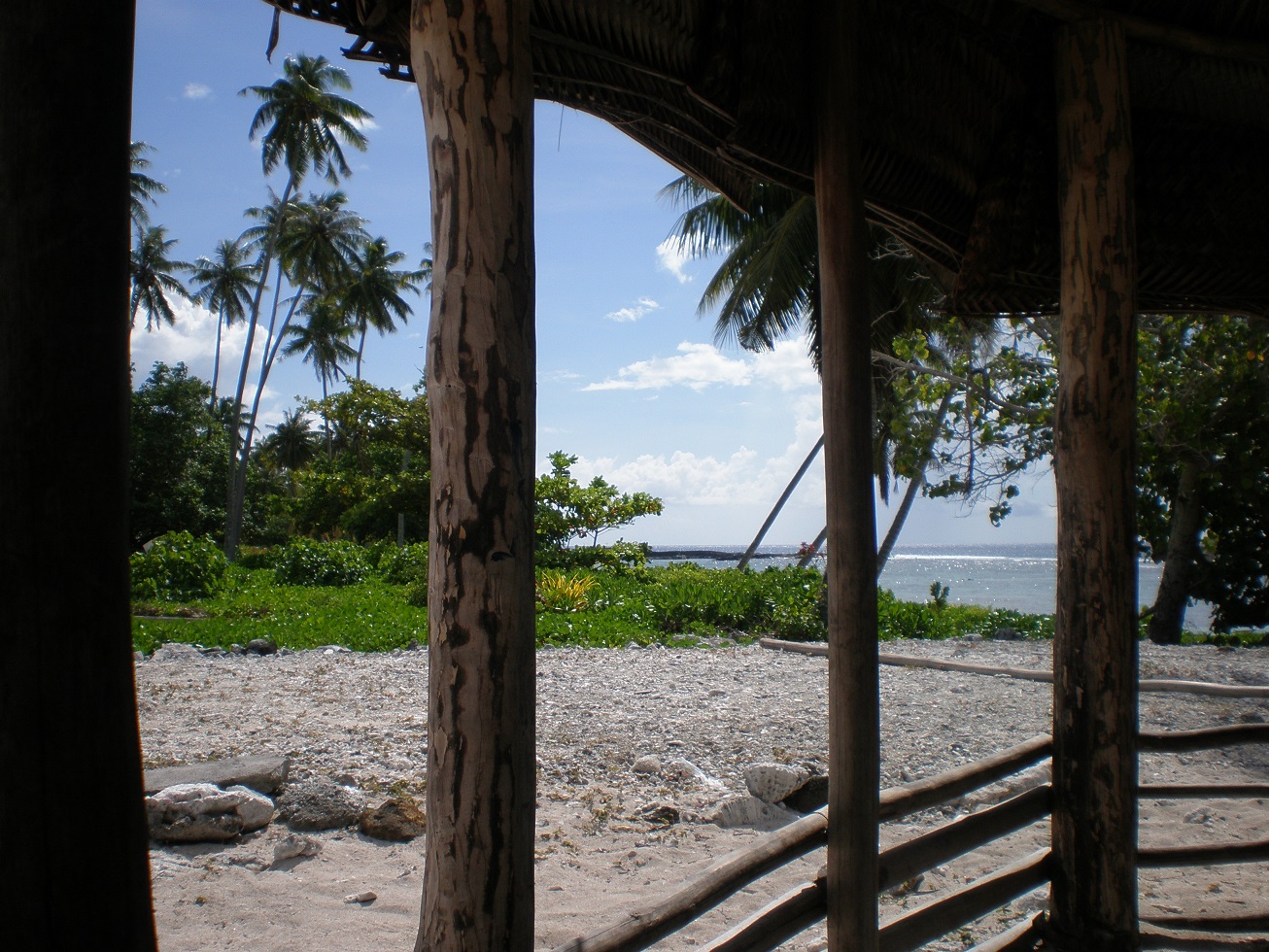
Rob’s Choice: Late-Afternoon Beach Fale Time on Savai'i
My favorite Samoa reset: one low-noise afternoon with nowhere to be and no “must-do” list.
Do this once and thank me later
Pick one beach-fale afternoon and guard it. No rushed hop, no stacked activities. Swim, read, watch the light change, and stay through golden hour.
Why this works: it balances active outing days and keeps your energy level stable. In island travel, emotional quality comes from rhythm, not volume.
Keep reef shoes, water, and a dry bag handy. Small comfort choices make these slower sessions much better.
Un-Googleable Samoa: Tiny Choices That Change the Whole Trip
Not “hidden gems” — just behavior that makes your trip smoother and more human.
Front-load your practical setup on Day 1
SIM/eSIM, cash backup, water, snacks, and tomorrow’s route check. This prevents friction for days 2–4.
Treat transfer days as transfer days
Avoid attaching major sightseeing to ferry or long-road transitions.
Pick one strong outing, not three average ones
In Samoa, depth almost always beats volume.
Build your schedule around daylight quality
Early starts and golden-hour windows improve both comfort and photos.
Leave one social-flex slot each week
The best travel stories often come from unscripted local moments.
Respect place before performance
Ask before filming people or private/community spaces; it improves both trust and experience.
Gap Analysis: Is Samoa Right for Your Kind of Trip?
Honest fit check — with fixes, not fluff.
You’ll love it if…
- You want beach-and-nature travel with calmer daily tempo.
- You value local rhythm over attraction checklists.
- You enjoy simple planning with strong payoff.
- You can travel with weather flexibility.
- You prefer meaningful days over fast itinerary churn.
Plan around it if…
- You only enjoy high-density city trips (fix: keep Samoa as one restorative leg).
- You hate transfer uncertainty (fix: reduce island switches).
- You need rigid day-to-day certainty (fix: add weather buffer blocks).
- You overpack activity days (fix: one major outing per day max).
- You dislike slower pace (fix: keep trip shorter and focused).
Samoa is easy to enjoy when your plan is realistic. Build around rhythm, and the trip overdelivers.
Samoa FAQs
Quick answers to what people actually ask before booking.
Is Samoa safe for tourists?
Generally yes for most travelers using practical caution. Ocean conditions, weather windows, and road pacing are the main things to manage well.
Do I need a visa or permit for Samoa?
Samoa’s official guidance indicates many short stays do not require a pre-entry permit, but passport validity and onward/return proof are typically required. Always confirm your nationality-specific rules before departure.
What’s the best time to visit Samoa?
Many travelers prefer the drier May–October window. November–April is typically wetter, so plan with more weather flexibility.
How many days do I need for Samoa?
Seven to ten days is a strong first trip. Eleven to fourteen days gives better island rhythm and less transfer pressure.
What currency does Samoa use?
Samoa uses the Samoan tālā (WST), divided into 100 sene.
What emergency number should I save in Samoa?
Save 911 for emergencies in Samoa.
Can I drive in Samoa as a visitor?
Yes, with proper local compliance. Samoa is left-side driving, and a calm pace is the right approach for island roads.
Should I do both Upolu and Savai'i in one trip?
Yes, if your timeline supports it. Keep base count low and avoid overloading transfer days.
Join the conversation
Planning Samoa? Share your draft route, island split, and timeframe — and if you’ve already been, add your practical wins (especially pacing, transfer strategy, and local-cost tips) so other travelers can plan with less stress.