OCEANIA LANE • TONGA
Tonga Travel Guide: Lagoon Rhythm,
Whale Season & Island Life Done Right
Tonga works best when you stop planning it like a “country checklist” and start planning it like an island rhythm: one anchor island group, one contrast leg, and breathing room between transfers.
My core rule here is simple: choose your pace before you choose your places. If your pace is calm, Tonga becomes deeply restorative — reef days, village pace, coastal drives, and sky that feels bigger than your to-do list. If your pace is rushed, inter-island logistics can quickly eat your trip.
Also, timing matters. Weather windows and ocean conditions shape outcomes here more than people expect. So if you align your route with season + sea state + your energy, Tonga feels smooth and memorable instead of patchy.

Need the Gist? (60-Second Scan)
If you only read one section, read this. Tonga gets better when your itinerary protects island rhythm.
- Best first move: Choose one anchor (Tongatapu or Vavaʻu) and one lighter contrast leg.
- When it clicks: When you treat inter-island days as travel days, not activity days.
- Money truth: Costs rise quickly with rushed transfers; slower stays usually spend better.
- Easy win: Keep 1 flex day for weather/sea conditions.
- Classic mistake: Booking too many islands in too few days.
- Quiet flex: Early mornings + local food stops beat overbooked excursion stacks.
Tonga feels richer when you protect pacing, anchor one base properly, and avoid transfer-heavy itinerary stress.
60-Second Fit Check
- Ideal trip length: 7–10 days (good), 11–16 days (sweet spot), 3+ weeks for multi-island depth.
- Best energy level: Low to medium — calm island rhythm with intentional activity days.
- First-timer friendly: Yes, if you keep logistics simple and route realistic.
- Budget vibe: Mid-range island destination with high-value slow-travel upside.
- My simple rule: If your plan has back-to-back inter-island hops, cut one.
Timing matters in Tonga: wetter/cyclone-prone months and drier months produce very different trip quality.
The Tonga That Clicks: One Anchor + One Contrast
If you want Tonga to feel coherent, use this structure: one anchor island group + one contrast layer. Example: Tongatapu for grounding logistics + Vavaʻu for water-based highlights.
Here’s why this works: you get variety without resetting your whole trip every two days. The anchor gives practical stability (arrival/departure, essentials). The contrast leg gives the emotional “wow” — reef clarity, marine life windows, and quiet pace.
Personally, I’d rather do fewer islands properly than bounce around and lose flow. Tonga is about texture and atmosphere, and that only lands when you give each place enough room.
Days 1–3 Tongatapu (settle + coastal highlights), Days 4–8 Vavaʻu (water days + reef rhythm), then one buffer day before outbound connections.
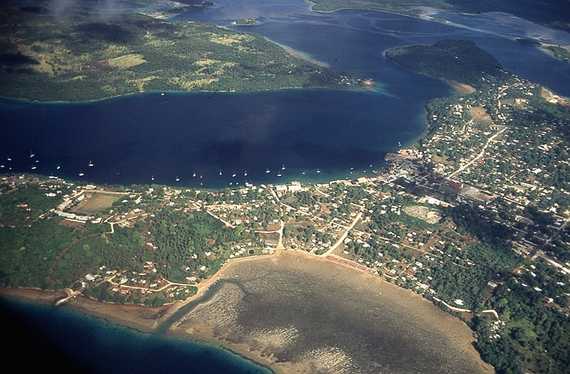
Vibe Check: What Kind of Tonga Trip Are You Actually Here For?
Tonga has different moods. Pick one primary mode first, then add one complementary layer.
Lagoon & Water Tonga
You want clear-water days, reef time, snorkel/boat windows, and gentle island tempo. This is the “reset my nervous system” Tonga.
Plan like: weather-aware flexibility + fewer base moves.
Culture & Community Tonga
You want local rhythm, town markets, Sunday calm, and respectful place-based travel. This is slower and more relational than checklist tourism.
Plan like: keep space for local timing and cultural etiquette.
Whale-Season Tonga
You’re building around humpback season windows and marine experiences. Timing and operator quality matter more than “more activities.”
Plan like: lock core marine anchors early, keep backup day(s).
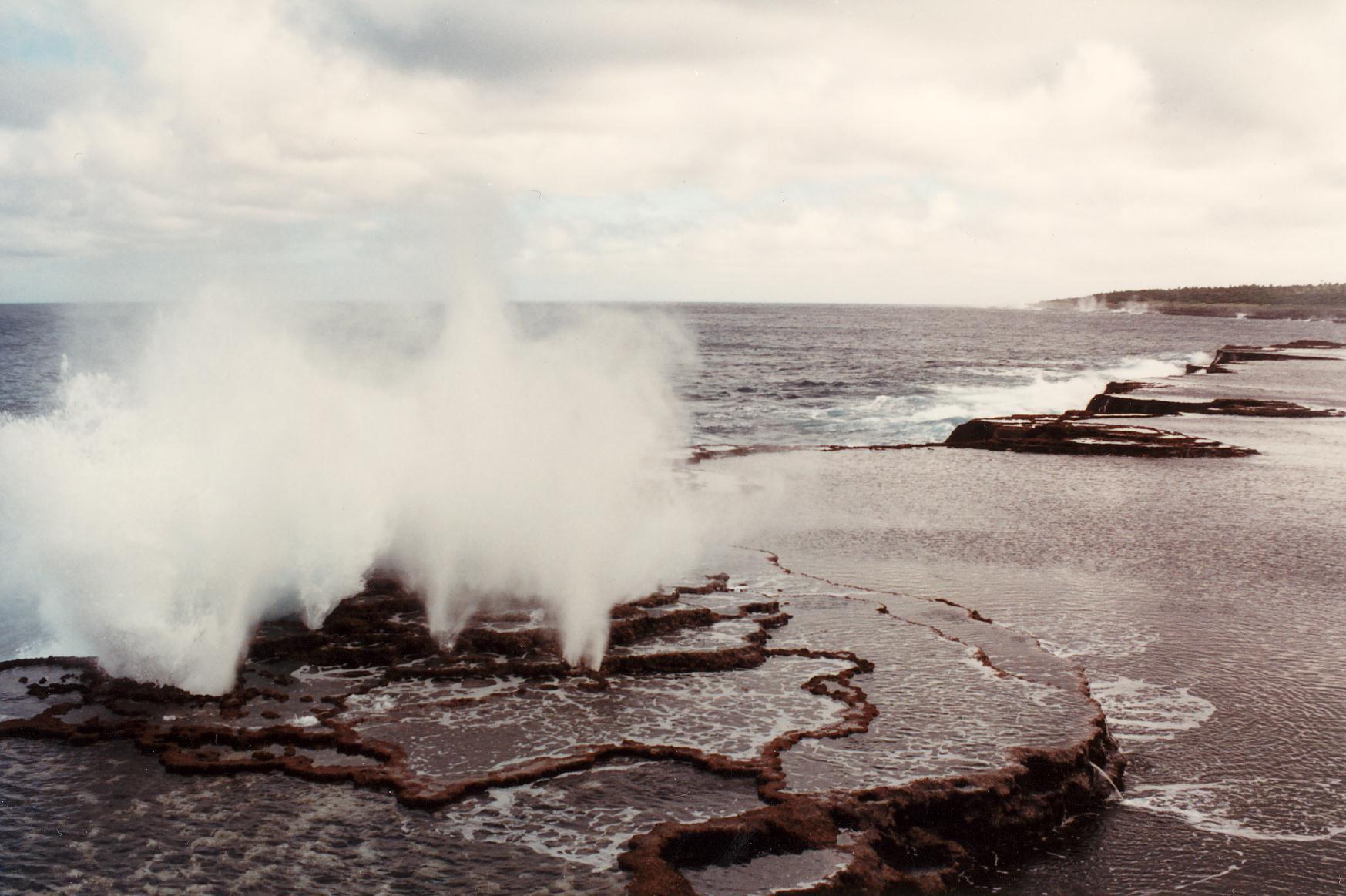
Tonga in Four Seasons: Timing Changes Everything
- Summer (Dec–Feb): Warm, humid, and generally wetter; monitor marine conditions closely.
- Autumn (Mar–May): Transition period; good value windows can appear with flexible planning.
- Winter (Jun–Aug): Typically drier/cooler and popular for marine-focused trips.
- Spring (Sep–Nov): Strong shoulder mix; great for balanced island pace before deeper wet-season risk.
Cyclone risk is usually highlighted for roughly November–April, and whale activity is commonly targeted in mid-year windows.
Safety: Keep It Simple, Stay Smart
Tonga is very manageable when you respect ocean conditions, weather systems, and practical island logistics.
Emergency setup that takes two minutes
- Police: 922
- Fire: 933
- Ambulance: 911
- Save your accommodation location offline for quick dispatch references.
Weather and cyclone awareness
- Check official weather/warning updates before boat or outer-island days.
- In wetter/cyclone-risk months, build backup plans instead of rigid stacks.
- If warnings escalate, prioritize conservative decisions and local guidance.
Water and marine safety basics
- Use reputable operators for water activities.
- Never force a rough-sea day because it’s the “only slot.”
- Use reef shoes where appropriate and protect against sun exposure.
- Hydrate aggressively on long sun/water days.
Routine travel precautions
- Keep valuables low-profile and split backup cards/cash.
- Use travel insurance before remote/boat-heavy segments.
- Share your daily plan with a companion or host when heading out-island.
Street Smarts: Small Tonga Rules That Save Big Stress
- Inter-island logistics are real. Keep buffer around domestic hops.
- Respect local rhythm. Polite dress and cultural sensitivity go a long way.
- Treat sea-state as itinerary boss. Flex days are not “wasted,” they protect quality.
- Carry small cash. Cards are common in some places, patchier in others.
- Sun is non-negotiable. UV + salt + wind can drain energy faster than expected.
- Keep one low-effort day every 3–4 days. Better energy, better decisions.
- Driving is on the left. Stay conservative if you’re not used to that flow.
- Pace beats pressure. In Tonga, quality always wins over checklist volume.
Most trip friction in Tonga comes from over-scheduling marine and transfer days together. Separate them, and the whole route feels calmer.
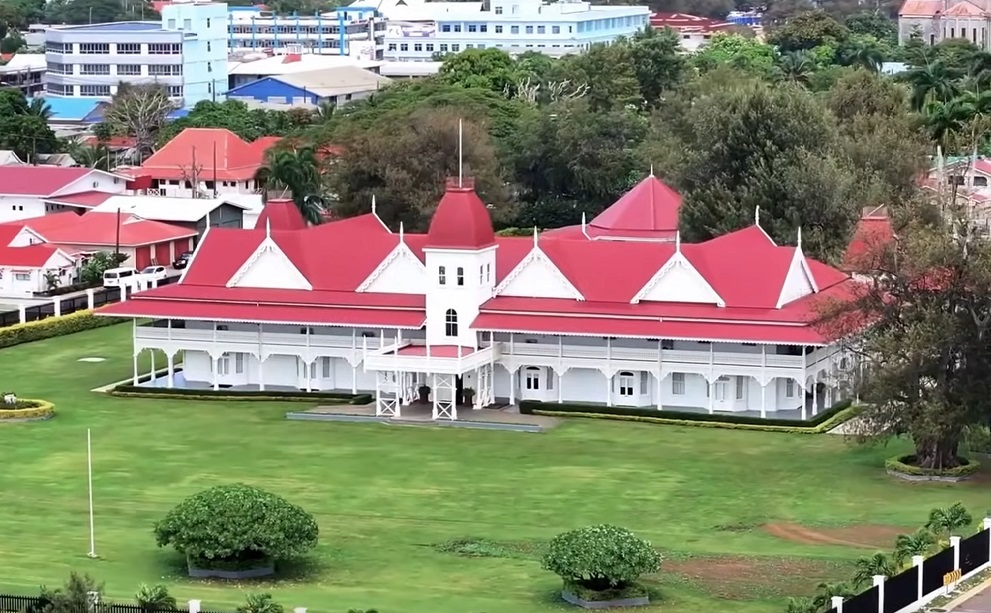
Logistics Lite
Tonga gets easier when you lock five basics early: entry, weather windows, money, inter-island transfers, and emergency setup.
Entry rules & passport basics
A passport with sufficient validity is essential, and many travelers can enter for short stays before needing extension steps. Always verify your passport-specific conditions before booking non-refundable plans.
Visas & entry requirements (site guide)Currency, payments, and daily money flow
Tonga uses the Tongan paʻanga (TOP). Keep a card + cash combo, especially if you move beyond main urban spots. Build a simple spend rhythm: accommodation + food + transfer + one paid activity.
Inter-island planning
Flights and ferries are core route tools. Build same-day connection risk out of your itinerary where possible, and add at least one weather/operations buffer day on multi-island plans.
Treat transfer days as travel days, not “full excursion + transfer” combo days.
Weather, warnings, and ocean conditions
Marine-dependent itineraries should be forecast-led. Conditions can shift quickly, so keep flexible order for snorkel/boat days.
- Official weather: Tonga Meteorological Services
- Advisory context: monitor your own government travel advice
- Emergency contacts: keep local numbers saved before day trips
Driving and practical setup
Driving is on the left. Keep routes conservative, especially if you’re adjusting to road side changes. Download offline maps and keep fuel/time buffers for outer drives.
Connectivity and documents
Keep copies of passport, insurance, and onward travel docs available offline. For island transitions, screenshot bookings and key contact numbers before departure days.
Base Plans: 3 Simple Ways To Build a Tonga Trip That Still Feels Good at Day 7
Pick one structure and commit. Tonga rewards route clarity more than itinerary volume.
Plan A: Tongatapu + Vavaʻu Classic
- Why: Best first-time balance of logistics + marine depth.
- Do: 3–4 nights Tongatapu + 4–6 nights Vavaʻu.
- Rule: Keep a buffer before final departure connection.
First-timers, mixed-interest travelers, and anyone wanting a high-reward, manageable route.
Plan B: Whale-Season Focus Route
- Why: Built around marine encounter windows and calm pacing.
- Do: Base where reputable operators and weather backup are strongest.
- Rule: Never force daily water plans in poor conditions.
You get quality encounters without burning energy on rushed island hopping.
Plan C: One-Island Deep Reset
- Why: Lowest transit fatigue, strongest local immersion.
- Do: 7–10 nights in one island cluster with day-level variety.
- Rule: Build activity-light/activity-heavy alternation for steady energy.
Fewer moves mean better sleep, better mood, and better memory of the place itself.

Costs & Pace: What Actually Moves the Needle in Tonga
Tonga can be budget-friendly or surprisingly costly depending on pace. The main cost escalators are rushed inter-island movement, peak-demand marine activities, and late booking behavior. Slower base strategy usually improves both value and experience.
- Accommodation strategy: guesthouses + small hotels often offer best value-to-comfort balance.
- Food strategy: local spots + market/simple breakfasts reduce spend without reducing experience.
- Transport strategy: consolidate islands instead of chasing every cluster in one pass.
- Activity strategy: lock 1–2 premium marine anchors, then build lighter days around them.
- Daily average (illustrative): Budget T$140–220/day, mid-range T$260–430/day, comfort T$480+/day.
If your route is fast, Tonga gets expensive and tiring. If your route is steady, it feels calmer and often costs less.
🇹🇴 Tonga Daily Rhythm Comparison
How pace changes both energy and spend
Costs are illustrative (TOP) to show pace impact — not a quote.
Rob’s Choice: Haʻamonga at Golden Hour
One of my favorite Tonga moments is simple: late-afternoon light, light wind, and a slower end-of-day rhythm near Haʻamonga.
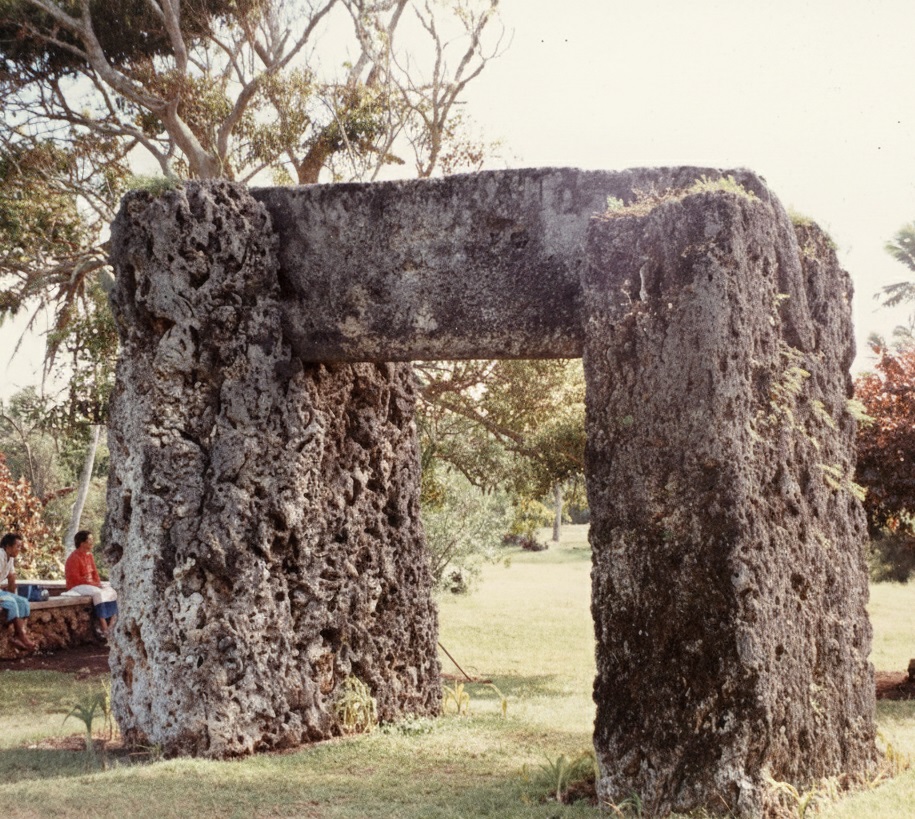
Do this once and thank me later
Keep this as an “anchor evening.” Don’t crowd it with extra transfers or heavy activity. Arrive with time to settle, walk slowly, and let the day close without pressure.
Why this works: it gives you emotional contrast. After movement days, one grounded cultural stop can reset your travel energy fast.
Combine this with a light local meal afterwards. Simple evenings often become your strongest memory.
Un-Googleable Tonga: Tiny Choices That Change the Whole Trip
Not “hidden gems” — just practical behavior that protects quality.
Protect transfer margins
Island logistics are manageable, but only if you stop stacking same-day pressure.
Front-load supplies once
One early grocery stop reduces daily friction and random spending.
Keep marine days weather-flexible
Trip quality improves when your water plans can move without stress.
Book the few key anchors early
Lock core experiences, then leave supporting days adaptable.
Use one slower day every 3–4 days
Recovery blocks keep mood, decision quality, and enjoyment high.
Treat local etiquette as route logic
Respectful conduct opens better interactions and smoother day-to-day travel.
Gap Analysis: Is Tonga Right for Your Kind of Trip?
Honest fit check — with fixes, not fluff.
You’ll love it if…
- You value calm island rhythm over rushed sightseeing.
- You’re happy planning around ocean/weather reality.
- You want marine/nature value with a slower travel pace.
- You can handle moderate logistics between island groups.
- You enjoy culturally respectful, low-noise travel styles.
Plan around it if…
- You hate itinerary uncertainty (fix: build 1–2 flex days).
- You only have very short time (fix: one anchor island only).
- You prefer dense city entertainment (fix: combine with a city stop elsewhere).
- You dislike marine-condition dependence (fix: choose a more land-heavy destination).
- You want zero-transfer travel (fix: single-island deep dive).
Tonga is deeply rewarding when your route respects island pace. Force it, and the logistics will feel heavier than the destination deserves.
Tonga FAQs
Quick answers to what travelers usually worry about first.
Is Tonga safe for tourists?
Generally yes for most travelers using normal precautions. The bigger risks are weather/ocean conditions and rushed island logistics, not dramatic street risk.
Do I need a visa for Tonga?
Entry rules depend on passport and stay length. Check Tonga Immigration and your own government advisory pages before booking fixed plans.
What currency does Tonga use?
Tonga uses the Tongan paʻanga (TOP). Keep both card and some cash for smoother day-to-day movement.
What is the best time to visit Tonga?
Many travelers prefer drier/cooler mid-year windows, while wetter/cyclone-risk months need more flexibility and weather awareness.
When is whale season in Tonga?
Whale-focused trips are commonly planned in mid-year season windows; always confirm current timing with official tourism/operators before locking plans.
What emergency numbers should I save?
Commonly listed contacts: Police 922, Fire 933, Ambulance 911. Save these with your accommodation details before active trip days.
Can I island-hop easily in Tonga?
Yes, but not infinitely. Keep realistic buffers and avoid stacking marine excursions onto transfer days.
How many days do I need for Tonga?
7–10 days can work well for one anchor plus contrast. 11–16 days is more comfortable for deeper island rhythm.
Join the conversation
Planning Tonga soon? Share your draft route, dates, and pace. If you’ve been already, drop your practical wins — especially transfer logic, weather pivots, and what made your island rhythm actually work — so other travelers can plan smarter.