SOUTHEAST ASIA LANE
Malaysia Travel Guide: City Pulse, Rainforest Depth, and Island Time Without Route Chaos
Malaysia is a brilliant multi-style destination, but only if you build the route by zones instead of trying to do everything at once.
My planning framework: one urban anchor, one nature leg, and one coast or island contrast.
If you stack too many transfers, the trip feels rushed. If you group your route by Peninsular blocks (or add Borneo intentionally), Malaysia flows beautifully.

At a Glance (60-Second Scan)
Malaysia rewards route logic: city + nature + coast beats trying to squeeze every headline stop into one trip.
- Best first move: Start with Kuala Lumpur as a logistics anchor.
- Ideal first trip: 8–12 days for Peninsular Malaysia balance.
- Classic mistake: Adding Borneo without enough time buffer.
- Big win: Group your route north/south to reduce transfer fatigue.
- My rule: One travel-heavy day should be followed by one lighter day.
Malaysia looks easy on a map, but over-stacking flights, buses, and ferries will wear you out fast.
- Strong mix of modern cities, rainforests, beaches, and food culture.
- Excellent value potential with smart mid-range choices.
- Monsoon patterns differ by coast, so timing matters.
- Public transit is strong in major urban corridors.
60-Second Fit Check
- Ideal style: Flexible travelers who like variety in one country.
- Energy level: Low to medium (medium-high if island hopping hard).
- First-timer friendly: Yes, especially on a Peninsular-focused route.
- Budget vibe: Excellent value from backpack to comfort tiers.
- Transport spine: Flights for long hops, rail/coach for peninsular legs.

The Malaysia That Clicks: Urban Anchor + Nature Depth + Coastal Reset
The route pattern that works most often is: Kuala Lumpur (entry anchor) + one highland/rainforest leg + one beach/island leg.
Example: KL → Cameron Highlands (or Taman Negara) → Langkawi/Penang coast rhythm. You get contrast without burning your transfer budget.
My blunt take: trying to do both Peninsular and Borneo on a short first trip usually reduces quality.
Days 1–3 KL, Days 4–6 nature leg, Days 7–10 coast/island, Day 11 flexible buffer, Day 12 depart.

Vibe Check: Which Malaysia Are You Here For?
Pick a dominant lane first, then add one contrast lane.
City + Food + Culture
KL and Penang for urban energy, layered food culture, and heritage districts.
Highlands + Rainforest
Cooler mountain rhythm, national park windows, and lower-speed nature days.
Coast + Island Reset
Langkawi or east-coast island pace when you need water, recovery, and lighter tempo.
The Major Destinations
Start with these anchors, then add depth only when your transfer rhythm is stable.
Kuala Lumpur + Klang Valley
Kuala Lumpur is Malaysia’s strongest first base: major flight connectivity, rail links, and easy onward moves. Use it to settle in, then branch to heritage, islands, or Borneo with cleaner logistics.
- Best for: first arrival flow and multi-region trip setup.
- Trip logic: start here, then split Peninsula + Borneo if time allows.
- Pacing tip: keep day one light and avoid immediate long transfers.
KL acts like a control tower for the rest of your Malaysia route.
George Town (Penang) + Melaka
George Town and Melaka are the historic-strata anchors of Malaysia and are jointly recognized by UNESCO. This leg gives your itinerary cultural architecture depth and street-food identity, not just city stopovers.
- Best for: old-town texture, food culture, walkable heritage districts.
- Trip logic: pair one with KL, add the second if you have extra days.
- Pacing tip: mornings for heritage walks, evenings for food streets.
If you skip this heritage leg, Malaysia can feel flatter than it really is.
Langkawi + West Coast Reset
Langkawi is your easiest soft-landing beach and nature reset in Peninsula Malaysia. It works especially well after dense city days and before you transition to Borneo or fly home.
- Best for: lighter tempo, coast, and decompression days.
- Trip logic: insert after KL/Penang for rhythm balance.
- Pacing tip: schedule at least one “no agenda” day here.
Coast legs are most valuable when they lower your trip’s average intensity.
Sabah/Sarawak: Kinabalu + Mulu Corridor
For nature depth, Borneo is the defining Malaysia contrast. Kinabalu Park (Sabah) and Gunung Mulu National Park (Sarawak) are UNESCO-recognized anchors with very different terrain and experiences.
- Best for: rainforest, biodiversity, caves, mountain landscapes.
- Trip logic: treat Borneo as a dedicated leg, not a rushed add-on.
- Pacing tip: build weather and transit buffer into this segment.
Malaysia shines most when you combine city/heritage Peninsula with one Borneo nature leg.
Malaysia in Four Seasons (Text + Icons)
No image here by design—just practical weather planning by rhythm.
Drier Shoulder Windows
Best for: mixed city + nature itineraries with fewer weather disruptions.
Monsoon-Influenced Periods
Best for: flexible routes where indoor culture days can replace outdoor plans.
Warmer Coastal Stretches
Best for: beach and island pace with early starts and midday shade blocks.
Highland Comfort Windows
Best for: cooler-temperature hiking and slower, restorative pace.
Malaysia weather planning is coast-specific. Always check your exact zone, not just country-wide averages.
Daily Rhythm Comparison (Malaysia Edition)
One dominant tempo per destination block will give you a better overall trip.
Urban Rhythm (KL / Penang)
- Morning: major site or district while heat is lower.
- Midday: food + indoor museum/café reset.
- Late afternoon: second neighborhood loop.
- Evening: hawker/food market anchor.
- Energy load: Medium.
Nature Rhythm (Highlands / Parks)
- Morning: trail or nature effort block.
- Midday: recovery nutrition + hydration.
- Late afternoon: short scenic loop.
- Evening: low-key local meal + early sleep.
- Energy load: Medium to high.
Coast/Island Rhythm
- Morning: beach/water session before peak heat.
- Midday: shaded downtime + light admin.
- Late afternoon: activity or slow walk.
- Evening: sunset dinner and recovery.
- Energy load: Low to medium.
Don’t run city tempo, jungle tempo, and island tempo in one day. Split by destination block.
Rob’s Tips: One Food Win + One Activity Win
Anchor your memory with one signature meal and one signature movement block.
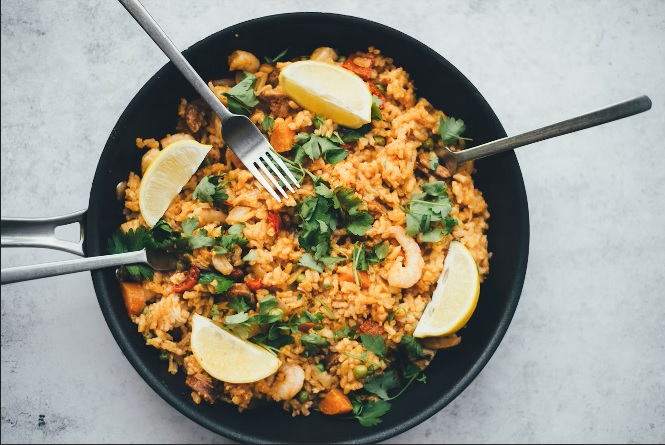
Food pick: A focused hawker evening
Instead of random snacking all day, commit one full evening to a real hawker crawl with a simple plan. Taste with intention, not speed.
Activity pick: Sunrise city-view or nature walk
Early windows are cooler, calmer, and usually your highest-quality movement block of the day.
One food anchor + one movement anchor each day gives structure without feeling rigid.
Safety: Suggestions, Warnings, and Smart Route Discipline
Most Malaysia issues are avoidable with pacing, weather awareness, and transport discipline.
Smart habits
- Use registered transport and confirm long-haul tickets early.
- Hydrate hard in humidity-heavy zones.
- Keep backup card + split cash strategy.
- Download offline maps and accommodation pins.
- Use daylight orientation walks in new neighborhoods.
Warnings worth respecting
- Monsoon or rough-sea windows can impact island/ferry plans.
- Overnight transfers can drain your next day’s quality.
- Heat + high activity stacking is a fatigue trap.
- Busy transit hubs require normal pickpocket awareness.
- Re-check official advisories close to departure.
In Malaysia, the main trip killer is poor energy management—not lack of things to do.
Official checks before departure
Women travelers: confidence plan
- Choose centrally located stays with strong recent reviews.
- Use trusted rides at night for unfamiliar zones.
- Share route plans with one contact on transfer days.
- If a setting feels off, move to busier areas immediately.
Logistics Lite
Set these once, then let the trip run smoothly.
Entry + pre-arrival checks
Entry requirements vary by passport. Confirm visa windows and any arrival declarations before final bookings.
Getting around
Use rail/coach for Peninsular legs and flights only where they truly save time and energy.
Money + payments
- Cards are widely accepted in cities, but keep cash for smaller vendors and remote zones.
- Track conversion fees and ATM charges.
- Keep a reserve card separate from day-use wallet.
Connectivity + map discipline
- Download offline maps for each route block.
- Screenshot all long-distance ticket confirmations.
- Use a simple transfer-day checklist note.
Base Plans: 3 Malaysia Structures That Work
Plan A: KL + Highlands + Penang (10 Days)
- Best first-timer blend of city, nature, and culture/food.
- Low-friction overland routing.
- Excellent value-to-variety ratio.
Plan B: KL + Langkawi + Penang (9–11 Days)
- Urban base with coastal reset and heritage depth.
- Great for medium-energy travelers.
- Easy to balance premium and budget choices.
Plan C: Peninsular + Borneo Split (14+ Days)
- Only if you have real time for transfer buffers.
- High reward, but more complexity.
- Best for repeat visitors or slower-paced travelers.
Costs: What Actually Moves the Budget
Where people overspend
- Extra domestic flights that could be overland.
- Premium hotels in every destination block.
- Too many paid activities stacked daily.
- Late booking during peak windows.
- Untracked transfer-day snacks, rides, and add-ons.
How to keep it sane (USD-first mindset)
- Set a USD daily target and track spend in MYR.
- Use one premium experience per destination block.
- Lean on hawker/local meals to keep quality high and costs controlled.
- Protect recovery days to avoid fatigue spending.
Malaysia gives strong value when your route is simple and your transport decisions are intentional.
Un-Googleable Malaysia: Small Moves, Big Difference
Do transfer admin the night before
Seat, terminal, pickup, and accommodation pins sorted early removes most day-of stress.
Keep one “known good” meal zone in each city
It lowers decision fatigue and keeps daily rhythm stable.
Build weather pivots into every nature day
One backup indoor or short-loop option keeps momentum when rain shifts the plan.
Protect your final 24 hours
Avoid complex repositioning before departure unless absolutely necessary.
Gap Analysis: Is Malaysia Right for Your Style?
You’ll love it if…
- You want variety without changing countries constantly.
- You enjoy food culture as a core part of travel.
- You like mixing urban comfort with nature contrast.
- You value route efficiency and budget flexibility.
Plan around it if…
- You dislike humidity-heavy climates.
- You only want static resort travel with no movement.
- You’re trying to do Peninsular and Borneo too fast.
Malaysia is one of the best “variety-per-day” destinations when you commit to clean route blocks.
Malaysia FAQs
Short answers to practical planning questions.
How many days do I need for Malaysia?
Eight to twelve days is a strong first-trip range for Peninsular Malaysia.
Should I add Borneo on my first trip?
Only if you have enough buffer time. Otherwise focus on Peninsular quality first.
Is Malaysia budget-friendly?
Yes. It can be excellent value with smart transport and accommodation choices.
What breaks trips here most often?
Overpacked routing, no weather pivot plan, and too many transfer-heavy days.
What should I confirm before departure?
Entry rules, season patterns by coast, transport windows, and current advisories.
Join the conversation
Are you planning Malaysia as city + culture, rainforest + highlands, or coast + island reset? Share your rough route so other travelers can learn from your setup too.