SOUTHERN AFRICA LANE
Namibia Travel Guide: Desert Scale, Safari Rhythm, and a Route That Actually Breathes
Namibia is not a speed-run destination. It rewards calm route logic: fewer bases, earlier starts, slower sunsets, and deliberate reset time.
My planning rule here is simple: pick one core terrain (desert, wildlife, or coast), then add one contrast leg instead of stacking long transfers back-to-back.
If you keep daily drive pressure low and protect recovery time, Namibia feels expansive and easy. If you over-pack the route, it gets tiring fast.
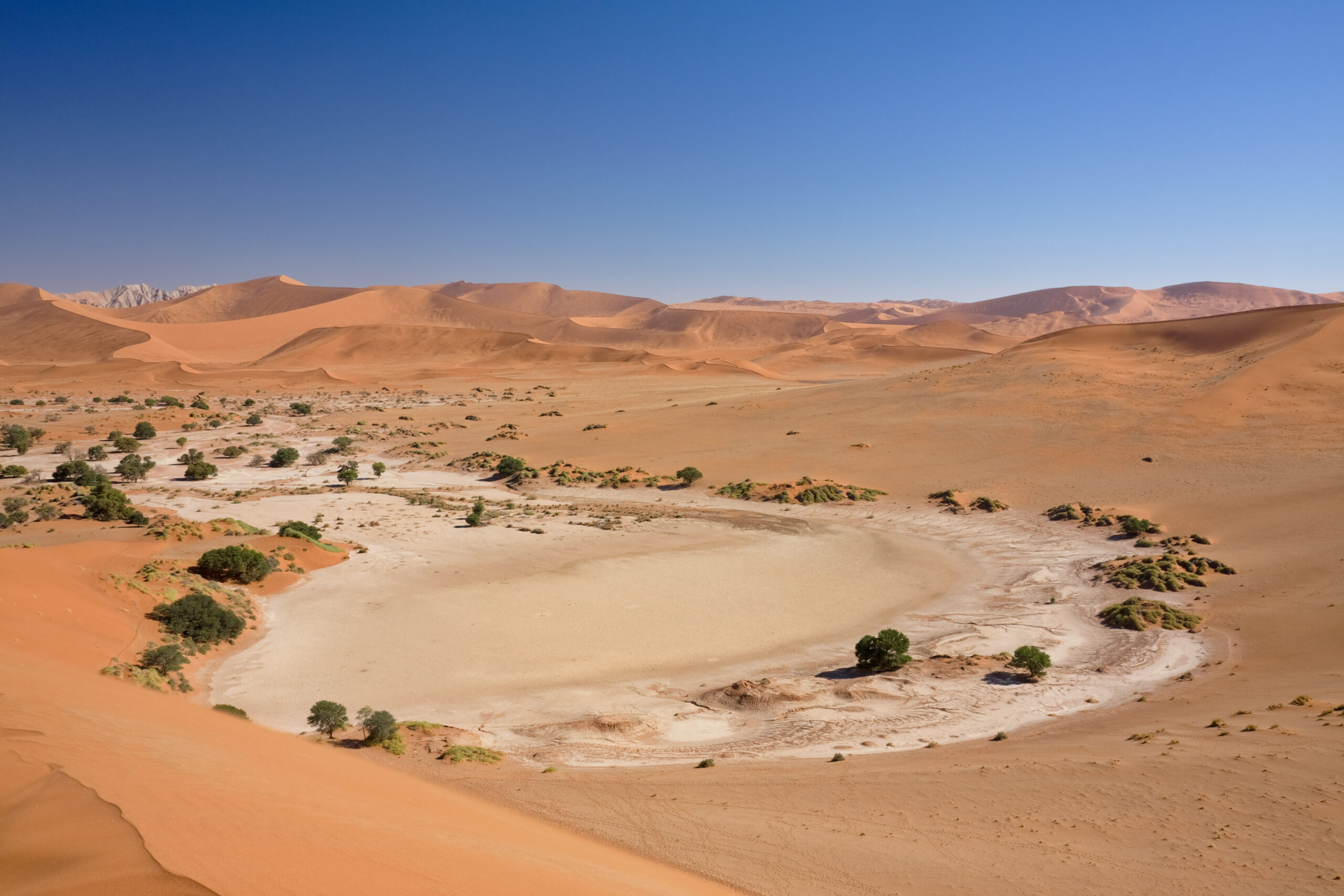
At a Glance (60-Second Scan)
Namibia rewards clean route design: one anchor loop, one contrast leg, and protected low-output evenings.
- Best first move: Decide if your core is desert, wildlife, or coast.
- Ideal first trip: 8–12 days for depth without burnout.
- Classic mistake: Too many long drive days in a row.
- Big win: Base 2+ nights per stop instead of one-night hops.
- My rule: Every heavy drive day gets a lighter next morning.
Namibia is easy to love and easy to over-schedule. Keep your route simple and your energy stays high.
- Expect high sunshine and dry conditions in most regions.
- Distances are the real planning variable, not attraction count.
- Cash + card backup still matters outside major centers.
- Early starts improve road comfort, wildlife viewing, and heat management.
60-Second Fit Check
- Ideal style: Nature + road-trip + wide-open landscapes.
- Energy level: Medium-high on drive-heavy routes.
- First-timer friendly: Yes, with realistic distances.
- Budget vibe: Flexible; fuel + distance shape spend.
- Transport spine: Self-drive or guided circuit planning.
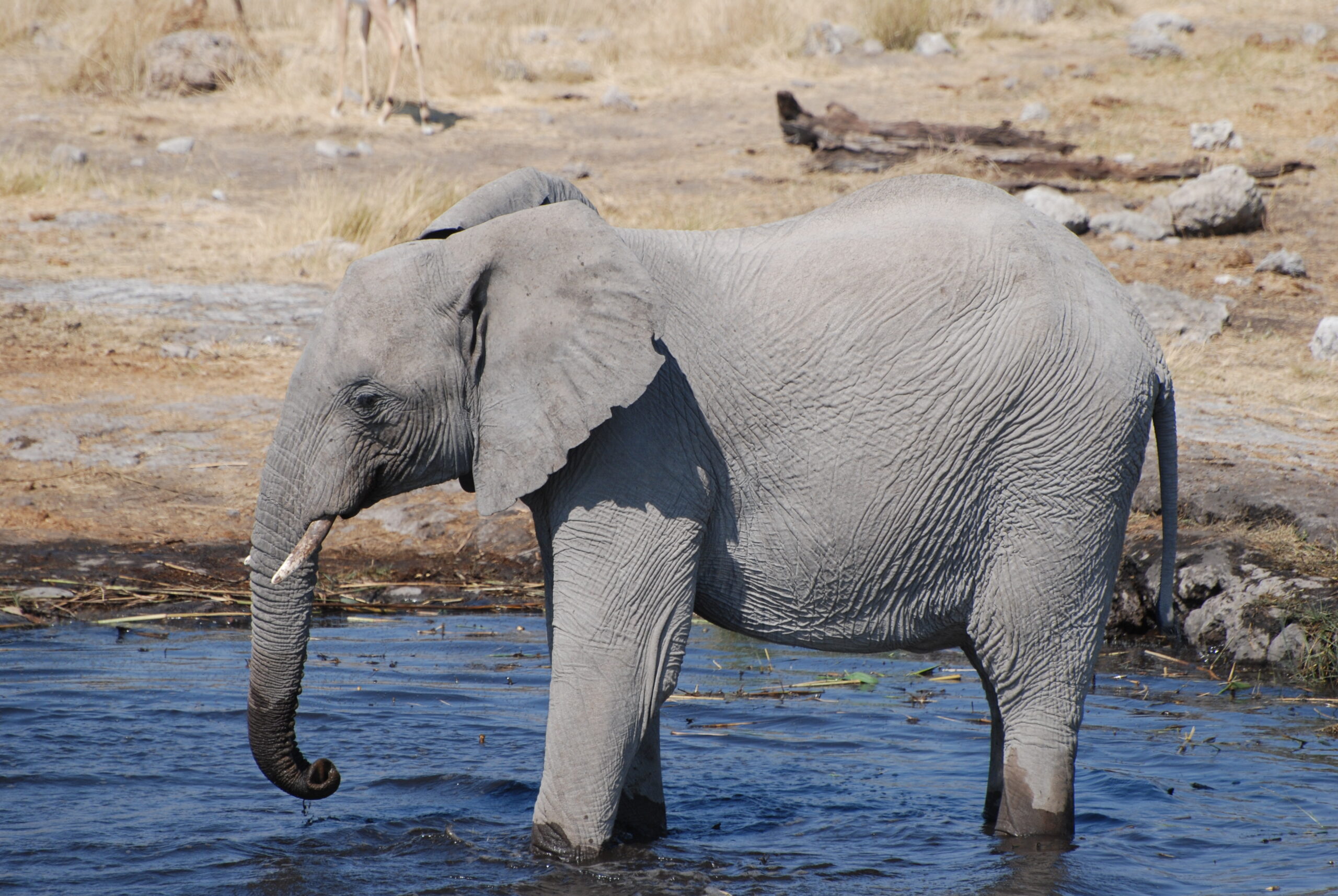
The Namibia That Clicks: Core Terrain + Contrast Leg + Recovery Buffer
Think in threes: one core terrain, one contrast add-on, and one low-output reset block. That structure keeps the trip memorable without fatigue.
Example: Desert core (Sossusvlei area), coast contrast (Swakopmund), then wildlife window (Etosha) with one lighter day before/after your longest transfer.
My blunt take: Don’t try to “cover Namibia.” Build one coherent loop and do it well.
2 nights desert, 2 nights coast, 3 nights wildlife lane, with buffer mornings.

Vibe Check: Which Namibia Are You Here For?
Pick your dominant lane first, then design around it.
Desert Scale + Photography
Dunes, big skies, low light drama, and early starts that actually pay off.
Wildlife Windows + Waterholes
Game-viewing rhythm, patience, and structured morning/evening drives.
Coast + Reset Energy
Cooler Atlantic air, slower pace, and recovery between heavier inland legs.
Daily Rhythm Comparison (Namibia Edition)
Same planning tool we used in the Europe series—adapted for long-distance, low-density Namibia travel days.
Rhythm A: Scenic Slow Flow
- Morning: relaxed start + short scenic drive.
- Midday: check-in + downtime.
- Evening: golden-hour viewpoint + early dinner.
- Best for: couples, photographers, calm-first travelers.
Rhythm B: Safari Prime Windows
- Morning: early wildlife drive.
- Midday: rest in shade / admin block.
- Evening: second game-viewing window.
- Best for: wildlife-first itineraries.
Rhythm C: Transfer + Recover
- Morning: purposeful long transfer.
- Midday: hydration + arrival settle-in.
- Evening: low-output local walk.
- Best for: route progression days.
Quick Comparison Matrix
Match your daily rhythm to your terrain. Namibia planning is mostly energy management disguised as route design.
Namibia in Four Seasons (Text + Icons)
No image placeholder here by design—quick planning scan only.
Spring
Best for: shoulder-season transitions and lighter route pressure.
Summer
Best for: long daylight and dramatic skies; manage heat and storm variability.
Autumn
Best for: stable road pacing and mixed desert/coast loops.
Winter
Best for: cooler nights, crisp mornings, and strong game-viewing windows.
Pack for large day-night temperature swings. Layers matter more than heavy clothing.
Rob’s Pointers: One Food Win + One Activity Win
Simple anchors create memorable days without itinerary clutter.

Food pick: One proper local grill night
Pick one intentional dinner in your anchor town and slow it down. A single well-chosen meal beats three rushed stops.
Activity pick: Dawn dune or waterhole session
Do one early start properly. Namibia rewards first-light effort with better conditions and fewer crowds.
One food anchor + one sunrise activity often becomes the part you remember most.
Safety: Suggestions, Warnings, and Calm Road Rules
Most Namibia trip friction is solved by route realism and daylight discipline.
Smart habits
- Prioritize daylight arrivals in new locations.
- Keep fuel, water, and offline maps topped up on drive days.
- Use visible parking/security habits in city stops.
- Split cards/cash across bags for redundancy.
- Share next-stop ETA with your accommodation host when remote.
Warnings worth respecting
- Don’t stack multiple high-distance days without recovery.
- Night driving outside cities raises risk significantly.
- Heat, dehydration, and fatigue decisions are the real trap.
- Keep wildlife distance discipline in all parks.
- Re-check advisories just before departure.
Namibia feels easy when your planning respects distance, weather, and daylight.
Official checks before departure
Solo travelers: confidence plan
- Book first and last nights in straightforward, well-reviewed areas.
- Do a daylight orientation walk on arrival.
- Keep your route visible to one trusted contact.
- If something feels off, switch location early—no sunk-cost logic.
Logistics Lite
Set these once and your Namibia route gets smoother immediately.
Entry + visa rhythm
Rules vary by passport, and changes introduced in 2025 made pre-checking essential before booking non-refundable segments.
Route backbone
Design Namibia by terrain blocks, not attraction count. Distances, daylight, and road conditions set the real pace.
Money + payments
Namibia uses NAD. ZAR is also legal tender in Namibia; keep mixed payment options for non-urban legs.
- Carry smaller notes for remote stops.
- Keep one backup card separate from your main wallet.
- Track fuel/ATM fees so distance doesn’t quietly inflate budget.
Connectivity + maps
- Download offline maps before long transfer days.
- Save all accommodation pins in one shared note.
- Pre-plan fuel and rest stops for each longer leg.
African Region Currencies (Quick Reference)
Useful if your Namibia route extends across Africa lanes. Namibia itself uses NAD, with ZAR also legal tender.
North Africa
Common lane codes: MAD, DZD, TND, LYD, EGP
- Planning tip: Convert per segment, not all upfront.
West Africa
Shared bloc: XOF
- Also common: NGN, GHS, GNF, SLL, LRD, CVE, GMD
Central Africa
Shared bloc: XAF
- Also common: CDF, AOA, STN
East Africa
Common lane codes: KES, TZS, UGX, ETB, RWF, BIF
- Planning tip: Mobile money strength varies by country.
Southern Africa
Regional anchors: NAD, ZAR
- Common lane codes: BWP, NAD, LSL, SZL, ZMW, MWK, MZN
- Planning tip: Keep small cash reserves for remote fuel/food stops.
On multi-country Africa routes, treat currency as a logistics layer: withdraw by leg, not for the whole trip.
Base Plans: 3 Namibia Structures That Work
Plan A: Desert + Coast Loop
- Windhoek anchor.
- Sossusvlei/Namib leg for scale and sunrise sessions.
- Swakopmund reset before return.
Plan B: Wildlife Priority
- Windhoek orientation night.
- Etosha-focused multi-night rhythm.
- Optional short coast add-on if time allows.
Plan C: Balanced First-Timer
- 1 city night + 2 desert nights + 2 coast nights + 2–3 wildlife nights.
- Built-in recovery windows after longest transfer segments.
- Best balance of variety and realism.
Costs: What Actually Moves the Budget
Where people overspend
- Long unplanned route changes mid-trip.
- One-night stays across big distances.
- Late bookings in high-demand windows.
- Premium experiences stacked on consecutive days.
- Underestimating fuel and transfer buffer costs.
How to keep it sane (USD-first mindset)
- Set a daily USD range and track local spend in NAD.
- Book high-impact stays first, then fill around them.
- Choose one premium add-on; skip low-return extras.
- Protect at least one low-cost reset block every 2–3 days.
In Namibia, budget control is mostly route discipline, not penny-pinching.
Un-Googleable Namibia: Small Moves, Big Difference
Do one ultra-early start the right way
One planned dawn session beats several random rushed mornings.
Treat arrival afternoons as tactical resets
Short walk, hydrate, early meal, sleep. Next day quality jumps.
Keep one fallback overnight option
Distance days are cleaner when you’ve pre-selected a backup stop.
Plan by daylight, not by map distance
On Namibia routes, timing and road context matter more than raw kilometers.
Gap Analysis: Is Namibia Right for Your Style?
You’ll love it if…
- You like landscapes and open-space travel.
- You can enjoy slower pacing between highlights.
- You value sunrise/sunset windows over packed midday schedules.
- You want a strong contrast between desert, wildlife, and coast.
Plan around it if…
- You dislike long transit legs between bases.
- You only enjoy dense city-style itineraries.
- You struggle with early starts and variable road days.
Namibia rewards travelers who pace intelligently and respect distance.
Namibia FAQs
Short answers to practical planning questions.
How many days do I need for Namibia?
Eight to twelve days is a strong first-trip range for Namibia without rush fatigue.
Is Namibia a good self-drive destination?
Yes, if you keep realistic distances, daylight arrivals, and buffer time in the route.
What’s the biggest planning mistake?
Too many one-night stops across large distances with no recovery blocks.
Do I need cash in Namibia?
Yes. Cards are common in many places, but cash backup is wise for remote legs and small stops.
What should I confirm right before departure?
Entry rules by passport, advisories, route weather, and first-night logistics.
Join the conversation
Are you planning Namibia as a desert-first, wildlife-first, or balanced loop? Share your draft rhythm and route logic so others can compare and improve theirs too.