Home › Destinations › North America › Canada
EXPLORE CANADA · ROOM TO FIND YOUR OWN PACE
Canada Travel Guide: Find Your Kind of Wide Open
Canada has a habit of making the map look more manageable than the journey. A mountain lake, a Montréal neighbourhood and an Atlantic harbour all sound like one wonderful holiday. They may be three. This Canada travel guide helps you choose the part that fits your time, your interests and the season.
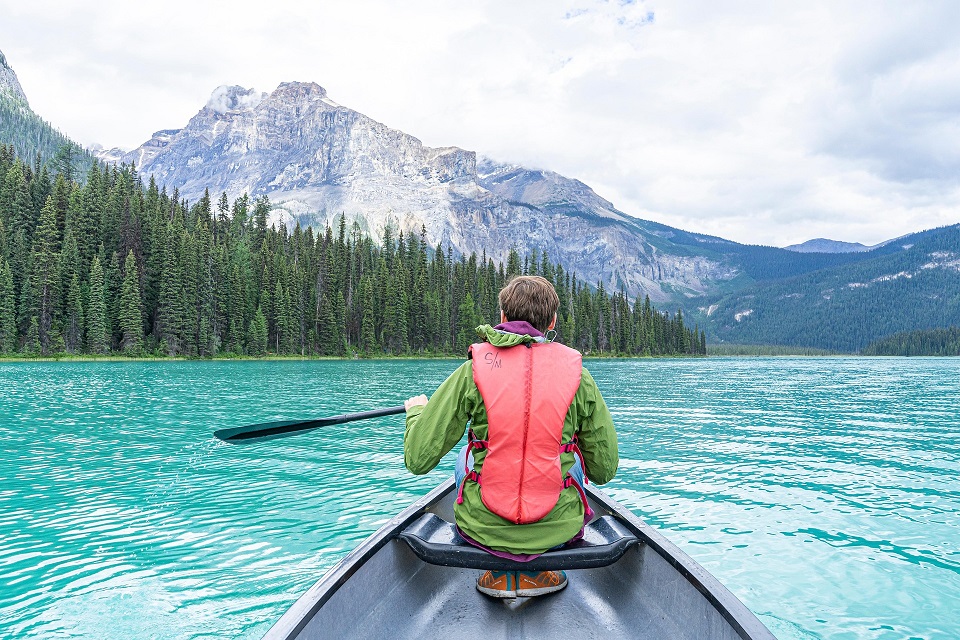
Yoho National Park, British Columbia. The Canadian Rockies cross provincial boundaries; they do not end at Alberta.
By Rob Wheatley · For domestic and international travellers · Canadian dollars (CAD)
Seven ways into Canada
Use this Canada travel guide to narrow the map before choosing hotels. These are practical browsing groups, not official boundaries. Pick one pathway first; next, decide which places within it belong in your trip.
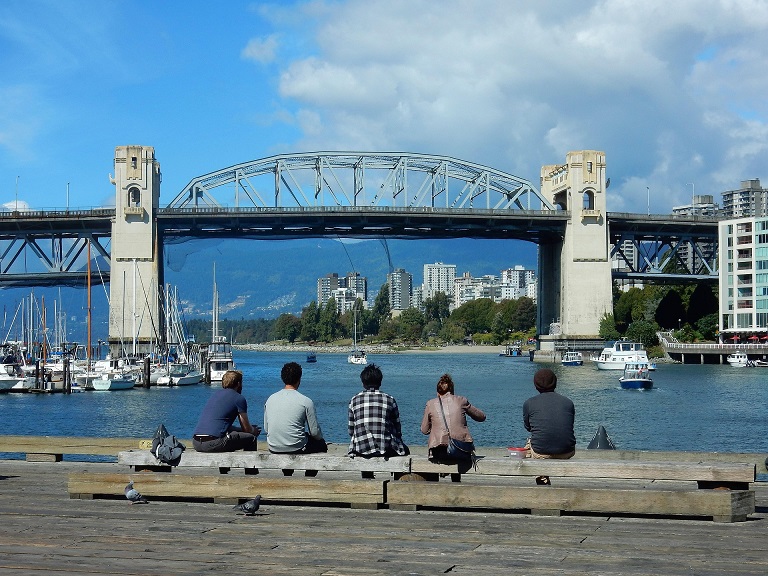
British Columbia
Pacific days, island time and mountain detours.
Coast · Cities · Outdoors
Help me choose
Start with Vancouver and decide whether your second base belongs on Vancouver Island or in the interior. Those are different journeys, so compare the actual transfer before booking.
My planning rule: If you add an island, count the ferry or flight and the onward journey. Then leave room for a day that does not involve moving accommodation.
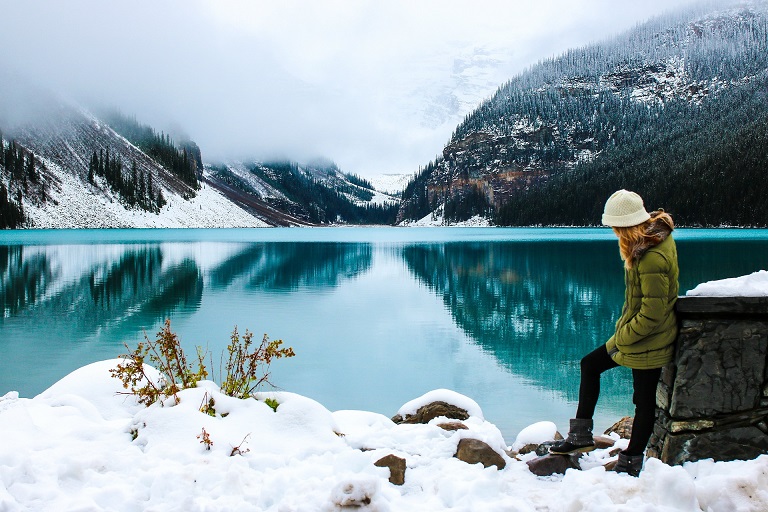
Alberta & the Canadian Rockies
The mountains deserve more than a windscreen visit.
Lakes · Trails · Scenic drives
Help me choose
Consider Calgary as a gateway, then choose a small number of mountain bases. Banff and Lake Louise are starting points for comparison, while Yoho lies across the border in British Columbia.
My planning rule: First choose the walks or outings you want. Then check park access, shuttles, accommodation and current conditions rather than building the trip around a photograph alone.
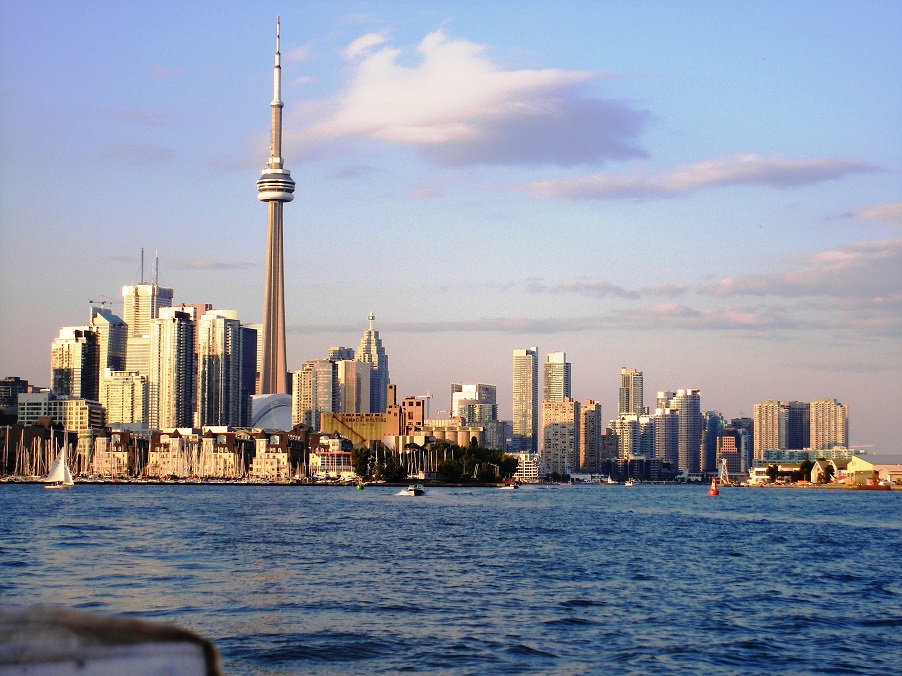
Ontario
Big-city energy with a lakeside change of pace.
Toronto · Ottawa · Niagara
Help me choose
Toronto, Ottawa and Niagara offer very different days. Choose two priorities before adding lake country, because Ontario is much larger than the cluster of sights most visitors first imagine.
My planning rule: Compare a city pairing with one city and nearby outings. However, a train between cities does not solve every local connection.
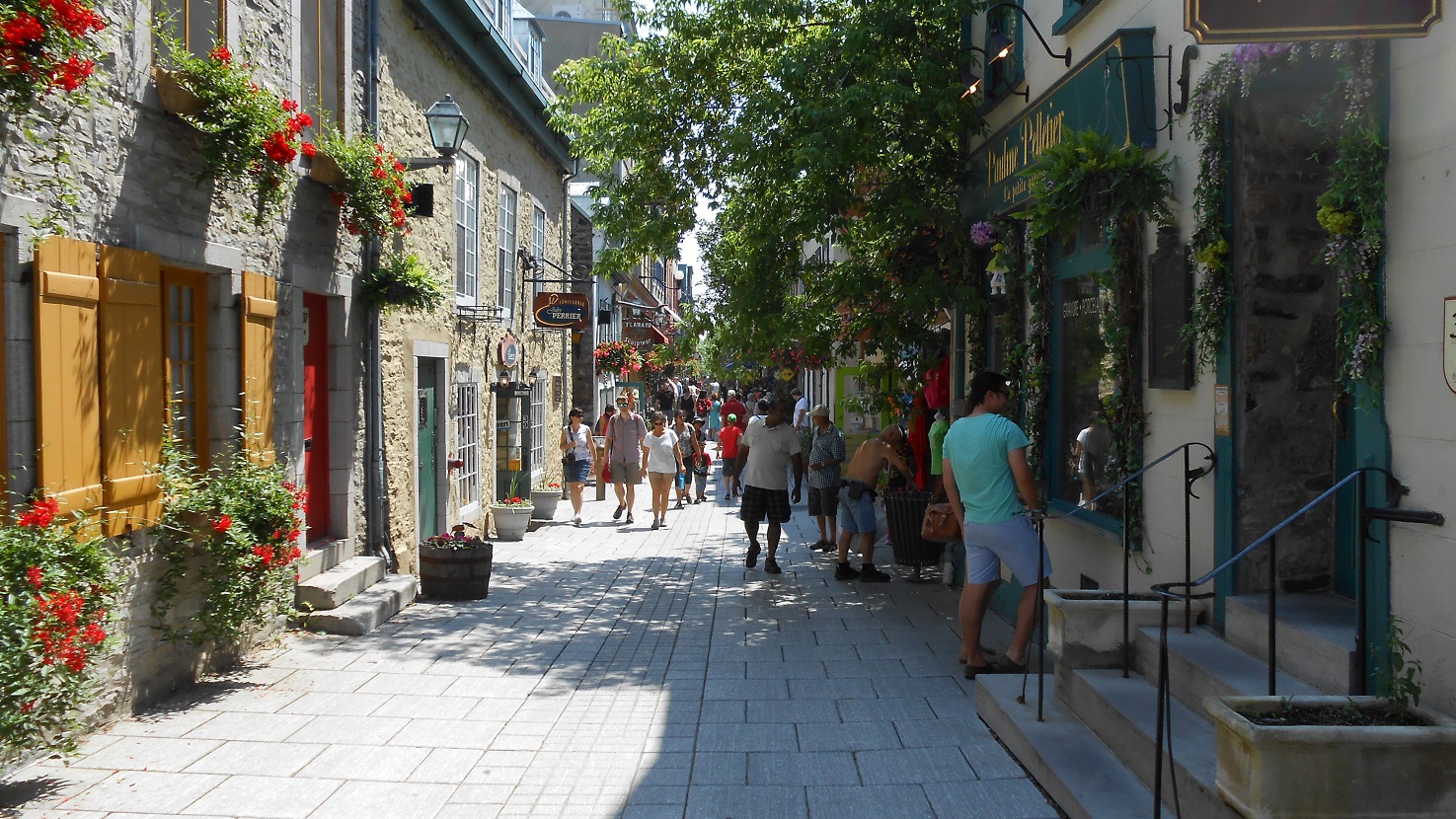
Québec
Neighbourhood wandering, good food and a different rhythm.
Montréal · Québec City · Culture
Help me choose
Montréal and Québec City make a focused starting pair. Alternatively, use one city as the beginning of a countryside journey, with fewer hotel changes and more time between the headline sights.
My planning rule: Decide whether this is a city holiday or a regional road trip. Then match transport to that choice, and make space for local food and everyday neighbourhood life.
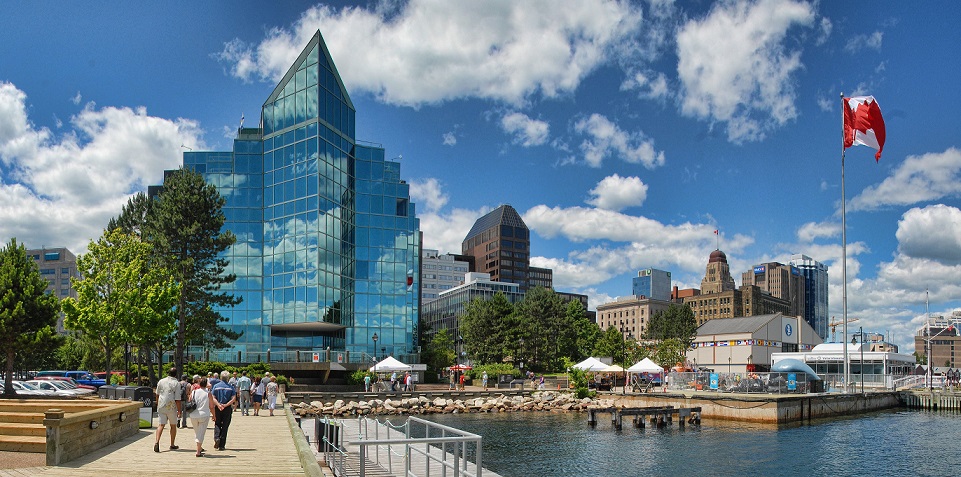
Atlantic Canada
Harbour towns, coastal roads and reasons to linger.
Nova Scotia · New Brunswick · PEI · Newfoundland & Labrador
Help me choose
These four provinces are a browsing group, not a single compact itinerary. Start with one province or a carefully checked neighbouring combination. Newfoundland and Labrador needs its own transport planning.
My planning rule: First check the journeys between your chosen places. In addition, confirm ferry arrangements where relevant before treating an apparent map connection as a simple drive.

The Prairies
Wide horizons—and destinations beyond the drive through.
Manitoba · Saskatchewan · Local life
Help me choose
For this guide, the Prairies pathway covers Manitoba and Saskatchewan; Alberta sits with the Rockies above. Choose a city, cultural interest or landscape as the reason for coming, then plan the surrounding days.
My planning rule: Winnipeg, Saskatoon and Regina are possible starting points to investigate. However, do not add distant wildlife experiences as casual city day trips; check their specific access and season.
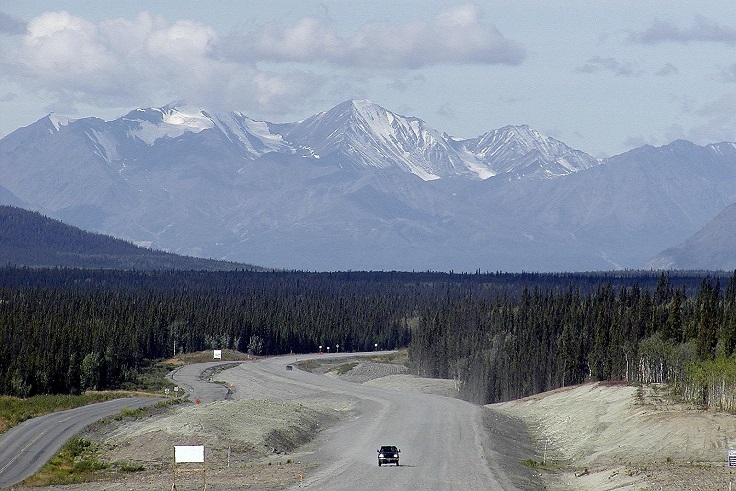
Northern Canada
A journey built around a place, a season and a purpose.
Yukon · Northwest Territories · Nunavut
Help me choose
Choose the territory and experience first. A Yukon driving holiday, a visit to Yellowknife and a community-based journey in Nunavut have different transport needs. They should not share one generic itinerary.
My planning rule: Confirm operators, accommodation, connections and contingency arrangements early. Also, ask locally about suitable clothing, access and respectful community visits.
What would make this your kind of Canada?
Cities & culture
Start with Toronto, Montréal, Québec City or Vancouver. Then choose neighbourhoods and activities that suit your interests, rather than collecting every major city.
Mountains & lakes
Choose the activity before the view: a gentle shoreline walk, a scenic outing or a more demanding trail. Next, match your season and base to that choice.
Coastal journeys
Consider British Columbia or Atlantic Canada, then narrow the coast further. In particular, check the actual connections before adding islands or distant peninsulas.
Rail & road trips
A journey can be the experience itself. However, compare nights on the move with nights in a destination before choosing a long-distance rail trip or ambitious drive.
Choose a journey you have time to enjoy
The durations below are my suggested planning structures, not fixed itineraries. Count arrival, departure and transfer days within your available time. Then check current services and the activities that matter to you.
A week: Montréal & Québec City
Suggested split: 4 nights + 3 nights
This is a focused city pairing for food, history and neighbourhood exploring. Compare the train with your accommodation locations, then leave at least one unstructured stretch in each city.
With fewer nights, I would choose one city and nearby outings.
10–14 days: a Rockies journey
Example: Calgary gateway → Banff area → Lake Louise / Yoho area
Use a small number of bases, with several nights in each. Then select outings that fit your ability and the actual access arrangements. A car or organised journey needs comparing against your chosen stops.
I would not automatically add Vancouver; first count the extra travel it introduces.
10–14 days: city & Pacific coast
Example: Vancouver + one Vancouver Island area
Start with several city nights, then settle into one island area. Before deciding the split, check ferry or flight connections and your final journey home. Also, leave a buffer around a time-sensitive departure.
Choose the island base for the experience you want, rather than attempting every coastline.
Two weeks: one Atlantic focus
Example: Halifax + a limited Nova Scotia loop
Choose a few coastal bases and spend several nights in each. Alternatively, investigate a neighbouring province combination, but calculate the full driving and any ferry time first.
Newfoundland and Labrador deserves a separate plan rather than a hurried extra stop.
Canada has city life, too

Leave space between the landmarks
A good Canada travel guide should leave room for neighbourhood wandering, markets and a meal that lasts longer than planned. Toronto offers a different starting point from the Rockies, but neither needs to stand for the whole country.
For a city-focused holiday, compare Ontario and Québec with the western landscape options above. Then choose the journey that matches how you actually want to spend the day.
Canada travel guide by season
There is no single best month for all of Canada. Instead, choose the experience and region, then investigate the dates. These calendar seasons provide an orientation; local weather, elevation and operating periods matter more.
🌷
Spring
March–May
Think city exploring and a season in transition. However, spring in a city does not mean high mountain trails are ready. Check local opening dates before planning outdoor days.
☀️
Summer
June–August
A starting point to investigate for longer outdoor journeys. Meanwhile, popular accommodation and activities can require advance planning. Check park access, heat, smoke and current local conditions.
🍁
Autumn
September–November
Consider city and countryside combinations, with foliage as a possible bonus. However, colour timing varies, and mountain conditions can change early. Confirm seasonal services for your particular dates.
❄️
Winter
December–February
Choose winter deliberately: a city break, a ski holiday or a specialist experience. Then check suitable clothing, transport and cancellation terms. Northern lights are a possibility to plan around, never a guaranteed performance.
Keep in mind: a season label is not a forecast. Check local weather and alerts before travelling, and leave room to adjust the plan.
Car, train or flight? Match the journey
Cities and the Ontario–Québec corridor
Compare local transit and station locations before hiring a car. VIA Rail offers routes linking cities in Ontario and Québec; however, check your exact service, fare conditions and onward connection.
Road trips and coastal journeys
Count parking, fuel, rental conditions and any one-way charge. In addition, check ferry requirements where relevant. A scenic route still needs time for stops, weather and the unexpected.
Distant regions and the North
Compare flights using the full transfer day, not just the airborne time. For northern travel, confirm each connection and local transport. Then ask what happens if weather disrupts a service.
Guided and accessible alternatives
If driving is not suitable, compare organised journeys or a single base with arranged outings. Ask about step-free access, walking distances and assistance before booking. A national label cannot tell you whether a particular activity fits.
The park pass is only one part of the plan
First decide what you want to do: a short walk, paddling, a scenic drive or an overnight stay. Then check the individual park’s current information. Parks Canada directs visitors to confirm camping, parking and shuttle arrangements where applicable, as well as available services.
Wildlife, weather and respectful visits
Use official advice for the specific place and activity. Keep wildlife viewing within local rules, and ask your operator what suitable preparation involves. Also, investigate Indigenous-led experiences as a meaningful part of the journey, rather than treating different communities as one interchangeable attraction.
Destination Canada provides planning resources and wildfire guidance. Before a rural or remote journey, download essential information and check current local advice.
Budget for the whole journey
This Canada travel guide uses CAD, not US dollars. I would price a sample trip for your dates rather than rely on one national daily average: a city stay and a remote organised journey buy very different things.
Make a real comparison
Add accommodation, transport, parking, activities and food. Then check taxes, fees and what the quoted price includes. Compare the same dates and conditions before deciding one option is cheaper.
Protect the expensive pieces
Read cancellation terms for rooms, tours and transport before booking the next connection. In addition, compare insurance against the activities and disruption risks in your actual plan.
Entry requirements
International visitors should use the official Canadian entry checker for their circumstances. Requirements can depend on documents and how you travel, so do not assume a US visit also covers entry to Canada.
Everyday planning
Confirm payment options, mobile coverage and any access needs with the relevant provider. For longer rural journeys, plan fuel and supply stops too. Finally, keep essential information available without a data connection.
Questions to answer before booking
Should I choose Eastern or Western Canada?
Start with your main reason for travelling. For a city pairing, compare Ontario and Québec; for a mountain-focused journey, investigate the Rockies. British Columbia offers another city-and-coast choice. Then let the available days decide how far to extend it.
Can I see both coasts in two weeks?
You can investigate flights between distant regions, but count the transfer time honestly. My starting recommendation is one region or a focused pairing. Otherwise, the holiday can become an impressive list of airports.
Do I need a car?
Not for every trip. A city-focused journey can use public transport, while dispersed outdoor stops need a different solution. Compare your exact hotel and activity connections before choosing a car, guided journey or arranged transfers.
Is Yoho in Alberta?
No. Yoho National Park is in British Columbia. It can feature in a Canadian Rockies plan, but check the journeys and park arrangements rather than using provincial boundaries as an itinerary.
How should I use this Canada travel guide?
Choose one regional pathway, compare a realistic trip structure, then check the season and transport. The suggested durations are my editorial starting points. Meanwhile, official sources linked here provide changing access, service and entry information.
Planning sources checked October 30, 2026: Destination Canada, Parks Canada, VIA Rail and Government of Canada visitor information. Regional groupings and suggested pacing are editorial recommendations.
Let’s talk about your Canada trip
Which part of Canada is calling you, and what is the decision holding up your plan? Share your available time and the experience you want—or a practical lesson that could help the next traveller.