Home › Destinations › North America › United States
UNITED STATES · CHOOSE YOUR JOURNEY
USA Travel Guide: Find Your Kind of America
City lights or canyon country? Live music or a road that disappears into the mountains? This USA travel guide helps you choose your America—and leave enough time to enjoy it.
Pick a feeling. Find a region. Make the journey fit.



By Rob Wheatley · For domestic and international travelers · USD
USA Travel Guide: Eight Regional Pathways
Which landscape—or way of life—pulls you in? These eight browsing regions help you narrow the map. Choose one, then build a trip around the places within it.

Northeast
Big-city days, historic streets and autumn colour.
Cities · History · Rail
Planning notes
Think New York City, Boston, Philadelphia and Washington, D.C., alongside the smaller towns and landscapes of New England. However, a city-focused journey and a rural New England road trip need different transport plans.
My starting point: For a first visit, I would choose one city or a pair with a clear connection. Then decide whether countryside time matters enough to add a car.

The South
Follow the food, the music and the warmer welcome.
Food · Music · Coast
Planning notes
Florida, the Deep South, Appalachia and Texas each deserve their own thinking. For example, a music-focused city visit asks different questions from a beach stay or a long Texas drive. Use this pathway to choose a smaller area.
My starting point: Start with the experience rather than treating the whole South as one route. Then compare the distances between the places that actually interest you.

Midwest & Great Lakes
Waterfront cities and room to discover the unexpected.
Cities · Lakes · Road trips
Planning notes
Chicago can anchor a city stay, while Great Lakes destinations and inland towns offer a different pace. However, selecting one lake area is a more useful first decision than attempting to cover the entire region.
My starting point: Choose city time or a city-and-lakes combination. Afterward, check the last leg to your accommodation; a train or flight into a city does not solve every onward journey.

Southwest
Red-rock drama, desert roads and enormous horizons.
Canyons · Parks · Driving
Planning notes
Nevada, Arizona, Utah and New Mexico offer very different ways into the Southwest. Las Vegas can be a city break in its own right or part of a carefully planned wider journey. Meanwhile, outdoor time needs attention to heat and current conditions.
My starting point: Choose a small park selection and protect time at each base. Then check the exact park entrances, driving route and overnight stops.
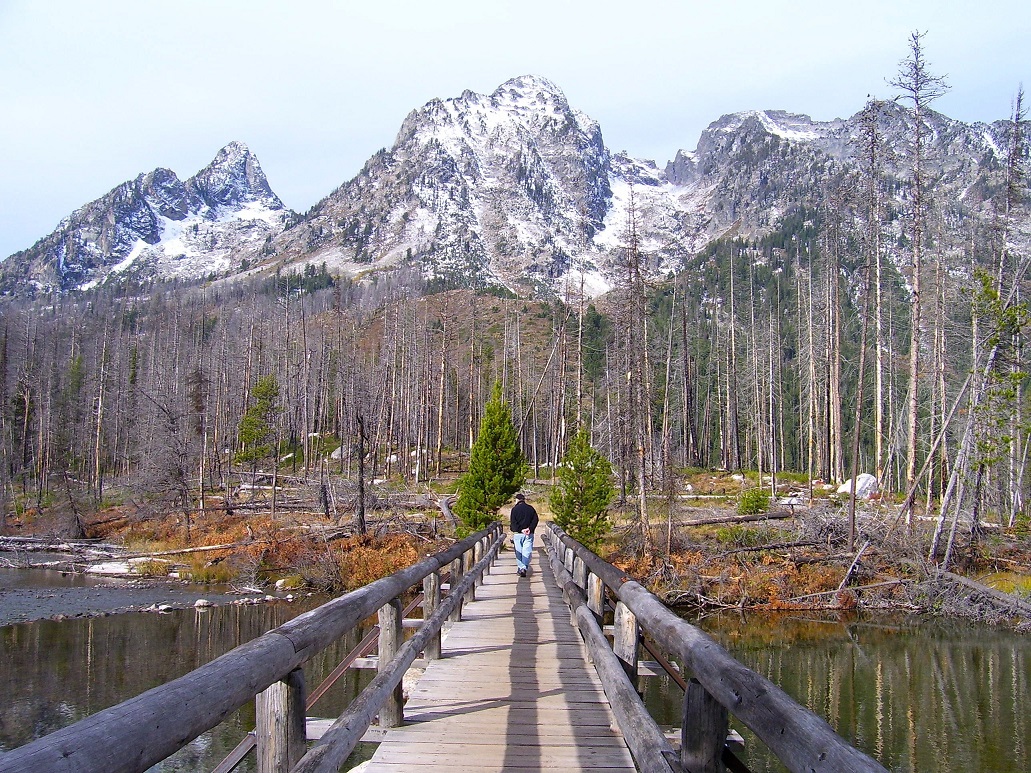
Rocky Mountains
Mountain mornings and a trail worth slowing down for.
Peaks · Trails · Lakes
Planning notes
Colorado, Wyoming, Montana and Idaho provide several possible starting points. However, a mountain road, a town stay and a remote park visit bring different demands. First, choose the activity and setting that fit your abilities.
My starting point: Check seasonal road access, elevation and the practical distance from your arrival airport. In addition, leave room for a gentler first day rather than scheduling your hardest activity immediately.

Pacific Coast
Ocean roads, creative cities and a different pace.
Coast · Cities · Road trips
Planning notes
San Francisco, Los Angeles, coastal towns and the Pacific Northwest offer a wide range of trips. Nevertheless, the entire coast is a substantial journey. Decide whether you want city time, a particular stretch of coast or a northern focus.
My starting point: For a California drive, confirm the intended road is open before fixing every overnight stop. Then give the journey time for the places between the headline cities.

Alaska
Make the journey part of the adventure.
Rail · Wilderness · Wildlife
Planning notes
Alaska deserves a separate trip plan. Compare cruising, road travel, rail and guided experiences according to the places you want to reach. A cruise itinerary and an independent land journey offer different forms of access.
My starting point: Start with one main experience and work through the actual connections. Also, ask providers about seasonal operations before assuming an activity will run on your dates.

Hawaii
Island life, local flavour and time to settle in.
Islands · Culture · Coast
Planning notes
Hawaii is more than a beach extension to a mainland holiday. Choose an island around your interests, then give it enough time. Culture, volcanic landscapes and everyday island life deserve space alongside the sea.
My starting point: I would compare the islands before deciding how many to visit. Then include flights, transfers and check-in when pricing the appeal of adding another island.
What kind of America do you want to experience?
Choose the feeling of the trip before the state list. Then use the regional pathways below to find a smaller area that can deliver it.
How to use this USA travel guide
Whether you are traveling from another state or arriving from overseas, start with your available days and the experience you want. Then make the map fit those choices. These are my suggested planning limits, not rules about how everyone should travel.
About a week
Choose one city with nearby outings, or a compact regional stay. Then protect time for the arrival and departure. I would resist adding a distant second coast.
Ten days to two weeks
Choose one main region and a small number of bases. Alternatively, compare two cities with a straightforward connection. Leave time to experience the places between transfers.
Three weeks or more
Add depth within a region, or compare two carefully chosen regions linked by a flight. However, more time still does not make every part of the USA fit comfortably.
Three route ideas with room to enjoy the places
The route examples in this USA travel guide explain why particular stops belong together. First, use them as starting structures. Then check your dates, the real transfer time and the activities that matter most.
Northeast city pairing
Suggested starting point: 7–10 days
New York City + Washington, D.C.
How to make it work
For a city-focused first trip, I would compare this pair and the current rail options between them. Allow enough nights in each to explore neighborhoods as well as landmarks. If Boston is essential too, extend the trip or replace a stop rather than simply adding another transfer.
A useful direction for travelers who prefer public transport. Check the Amtrak Northeast Regional route and the locations of both hotels.
Southwest with a clear purpose
Suggested starting point: 10–14 days
Las Vegas + a small selection of parks
How to make it work
Start with the landscapes you most want to see, such as Zion or the Grand Canyon, then work out the exact route and entrances. These places are not interchangeable nearby day trips. Therefore, plan overnight bases and leave room for rest as well as driving.
I would choose fewer parks before cutting nights at every stop. Also, review heat, road conditions and park-specific access requirements.
California without the checklist
Suggested starting point: about 14 days
San Francisco + a chosen coastal stretch + Los Angeles
How to make it work
If these are your priorities, give the city stays and the journey between them their own time. However, do not automatically add Yosemite, Las Vegas and another national park to the same fortnight. Each addition changes the route.
Check Caltrans highway conditions before committing to a coastal road plan. These are editorial starting structures, not fixed itineraries or current availability promises.
Start with a story, then build a plan

Las Vegas: showgirls, bad bets and second chances
A relationship visit, a showgirl distraction and a city that rarely does anything quietly. Alongside the story, I look at spending limits, practical choices and leaving room for the unexpected.

Hawaii: beyond beaches, lava and resorts
It begins on Waikīkī Beach with a young radio DJ imagining paradise with a payslip. Then it moves into choosing an island, respecting the place and planning a visit with more depth than a resort brochure.
USA Travel Guide by Season
There is no single best season for the entire country. Instead, compare the destination, elevation and main activity. These Northern Hemisphere seasons are a starting framework; check a local forecast and current operating conditions before fixing the plan.
🌸
March–May
Spring
Compare city visits and lower-elevation outdoor trips. However, do not assume that a mountain road has opened simply because the calendar says spring.
☀️
June–August
Summer
Research northern destinations, lake stays and mountain trips around actual access dates. Meanwhile, take extreme heat seriously when considering desert or other exposed activities.
🍂
September–November
Autumn / fall
Compare city-and-country combinations and foliage-focused journeys. Nevertheless, leaf colour, mountain conditions and storm risks need location-specific checks; one national best-week rule would mislead.
❄️
December–February
Winter
Choose between a winter-weather experience and a milder destination. Then check road access and operating schedules. Hawaii and Alaska each need their own seasonal planning rather than a mainland shortcut.
Keep in mind: heat, winter weather, wildfire smoke and storms can change a trip. Check the National Weather Service and the relevant park or road authority. A season label is not a forecast.
Do you need a car? Start with the last mile
A city-focused trip
Compare the neighborhood, local transit and station connections before renting a car. Along the Northeast corridor, Amtrak connects several major cities. However, the hotel and the sights you choose still determine how easy the day feels.
A regional road trip
A car may suit dispersed stops, but count collection time, parking, fuel, insurance terms and any one-way charge. Then check the driving route yourself. I would also leave a day without packing up and moving on.
Two distant regions
Compare flying with the full day it consumes: airport transfer, check-in, baggage and onward travel. Then decide whether the contrast is worth that time. A flight can connect two places without making them one compact trip.
An organized alternative
If driving is not appealing, compare a guided tour, rail journey or a stay with arranged outings. Ask how much flexibility you keep and what is included. In addition, check access needs and the length of each transfer.
National parks: choose the experience, then check access
The useful question is what you want to do there: take a scenic drive, walk a short trail, spend several nights or join a guided activity. Then use each park’s official page to confirm entrances, road conditions, accommodation and any reservation requirements.
An entrance pass is not the whole plan
The National Park Service asks visitors to check whether fees, reservations, timed entry or activity passes apply. Therefore, verify your particular park and dates before booking the rest of the journey. Also, check current alerts and suitable equipment.
Coast and islands: pick the pace as well as the place
A California coastal journey, a Florida stay and an island holiday in Hawaii are different choices. First, decide whether the sea is the main event or one part of a wider trip. Then compare your preferred base, transport and season.
Hawaii deserves time of its own
Before adding it to a mainland itinerary, compare the flight and transfer days with the time you would actually spend on the island. My Hawaii guide brings island choice, culture, practical planning and a rather optimistic radio-career idea together.
Practical decisions that save trouble later
Use this USA travel guide to separate shared planning decisions from the entry checks that only apply to international visitors. Then work through the questions relevant to your own trip.
For every visitor: start with the real cost
Compare the full stay: accommodation, applicable taxes and fees, transport, parking, activities and dining. Then examine cancellation terms. A low advertised room rate does not tell you what the trip will cost.
For international visitors: entry first
Check the requirements for your passport and purpose of travel before making non-refundable bookings. Some travelers may use the Visa Waiver Program with ESTA; others need a visa. Use Brand USA’s entry guide and follow its official government links.
Domestic flights and identification
Confirm acceptable identification with the Transportation Security Administration and your airline. Separately, compare baggage and change conditions before choosing a fare. Domestic residents and international visitors may use different documents.
Health, insurance and access needs
Check what your insurance covers for the journey and planned activities. In addition, confirm specific access needs directly with accommodation, transport and activity providers. Ask about the actual route, boarding arrangements and walking surfaces.
Neighborhoods and everyday safety
Choose accommodation around the day you want to have, then research the precise area and onward transport. Also, keep valuables discreet and review local advice. A national impression is too broad to judge every neighborhood.
Travel with respect
Make room for local history and Indigenous perspectives, and follow the rules of the places you visit. For outdoor journeys, use the official land manager’s information. Meanwhile, leave wildlife and the landscape enough space.
USA travel guide: questions worth answering first
How much can I see in two weeks?
My recommendation is one main region or a carefully selected city pairing. However, the answer depends on how you like to travel. Count actual nights in each place and every transfer day before deciding that another stop fits.
Do I have to drive?
No. Choose destinations and accommodation around public transport, a guided journey or arranged outings. Then check the entire route, including the final journey to your hotel. A car-free city visit and a remote outdoor itinerary need different plans.
Should I plan the East and West coasts together?
You can compare that option, but include the flight and transfer time. For a shorter holiday, I would ask what the second coast adds and what you would have to give up. Staying longer in one area is often a better fit.
Is this only for first-time international visitors?
No. The route and destination choices work for domestic trips too. International visitors also need to check entry requirements, while everyone should compare transport, the full cost and the conditions for their chosen dates.
Where do the practical facts come from?
Suggested durations, region groupings and pacing choices are my editorial recommendations. For changing requirements, use the official sources linked above: Brand USA, the National Park Service, Amtrak, the National Weather Service and the relevant transport or destination authority. Sources checked October 30, 2026.
Let’s Talk About Your USA Trip
Which part of America is calling you, how much time do you have, and what is the decision you are trying to make? Share your rough idea—or a lesson that would help the next traveler.