TRAVEL FIELD NOTES · HAWAII
Hawaii Travel Guide: Beyond Beaches, Lava & Resorts
I was young, sunburned and convinced a job in Hawaiian radio was only an introduction away. Paradise with a payslip. What could possibly go wrong?
By Rob Wheatley – Program Director & traveler.
Personal reflections with practical information checked October 21, 2026.

This Hawaii travel guide begins on Waikīkī Beach, where a South African radio DJ imagined paradise with a payslip. Beyond that personal story, compare islands, explore Hawaiian culture and volcanic landscapes, and plan your reservations, wildlife encounters and budget. Leave enough space for the experiences you never thought to book.
Young, sunburned and dreaming of Waikīkī radio
I remember the sunscreen and salt, the sun on my face, and Color Me Badd’s “All 4 Love” playing in my headphones as I lay on Waikīkī Beach. I was young, loving life and fairly convinced that anything was possible. Waikīkī was doing very little to discourage me.
Back home in South Africa, I was a radio DJ. American radio fascinated me. So naturally, instead of just enjoying the beach like a normal person, I tuned in to KIKI FM and had an idea.
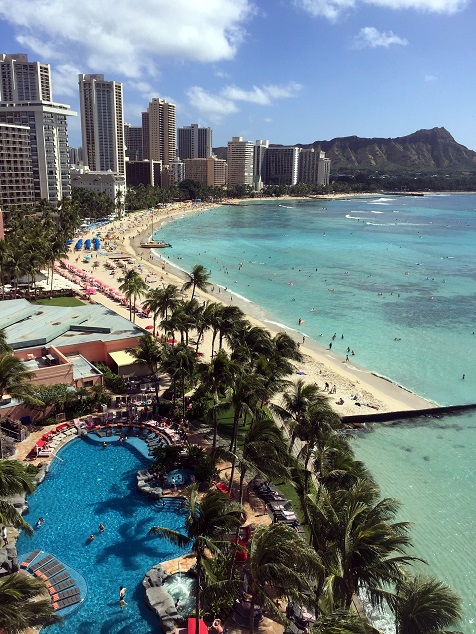
What if I could get a visit, and maybe even a gig?
Think about it. Working at a radio station with Waikīkī as the backdrop. The beach, the bronzed beauties, the surf. That wasn’t a job. That was paradise with a payslip.
It was the sort of plan that makes perfect sense when you’re young: hear a radio station you like, walk in and offer yourself a new life. So, bold, confident and slightly sunburned, I walked into KIKI a few days later and introduced myself.
The vibe was cool. The people were friendly. The gig, however, never materialised.
Never mind. I’d had the experience, and I’d walked into an American radio station on pure nerve. Not a bad way to spend a holiday.
That was me in Hawaii: young enough to see an open door as an invitation, stretched out on a beach one minute and mentally rearranging my entire career the next.
The Hawaii that followed me home
What stays with me is how quickly a holiday became a possibility. I had arrived somewhere I had heard about, watched on television and imagined from a distance. Then I was there, listening to its radio and wondering whether I could become part of the daily life behind the scenery.
The job never happened. The memory stayed.
That is the spirit of this guide. Enjoy the beach, certainly. However, leave room for whatever draws you beyond it: a conversation, a cultural visit, a volcanic landscape or a small adventure you could never have put on an itinerary.
Which Hawaiian island should you visit?
Start by choosing the kind of days you want, rather than asking which island wins. The official Hawaii visitor site is a useful starting point for comparing the islands and checking local updates.
For a first trip, I would usually begin the comparison with Oʻahu, Maui, Kauaʻi and the island of Hawaiʻi. That is a planning suggestion, not a ranking of their value.
| Island | Consider it for | Planning trade-off |
|---|---|---|
| Oʻahu | Honolulu, Waikīkī, history, food and a mix of city and coast | An urban base can be convenient; do not expect every part of the island to feel secluded |
| Maui | Beach time, varied landscapes and Haleakalā | Group outings by area; check current local guidance and access before planning a route |
| Kauaʻi | Green landscapes, scenic outings and walking | Weather, trail conditions and access reservations can shape the day |
| Island of Hawaiʻi (Big Island) | Volcanic landscapes, cultural sites and a strong contrast between regions | Distances matter: plot your priorities before choosing where to stay |
These are broad starting points. All four offer more than the shorthand suggests. For example, Oʻahu is not only a city break, and the Big Island does not require a full week devoted to volcanoes.
Molokaʻi and Lānaʻi are also options, but plan their accommodation, transport and visitor experiences individually. They should not be treated as effortless additions to a crowded itinerary.
How many islands can you enjoy in one trip?
My preference for a week-long first visit is one island. For roughly ten to fourteen days, two islands can make sense if you genuinely want different experiences.
These are suggestions rather than rules. What matters is remembering that an interisland flight takes more out of the day than its flying time. Packing, check-out, the airport, luggage collection, transport and another check-in all want a share of your holiday.
Try this test: if you removed the second island, what would you lose that you cannot reasonably experience on the first? If the answer is mainly the satisfaction of adding another pin to the map, I would keep the extra days.
On the island of Hawaiʻi, also compare the locations of your priorities before choosing one base or a split stay. A cheap room stops feeling quite so clever after repeated long drives. My slow travel guide explains why fewer moves can produce a fuller trip.
Make room for Hawaiian culture
Hawaii is more than a scenic setting for a visitor’s personal transformation. Native Hawaiian culture is a living culture, with its own language, histories, relationships and traditions.
The useful starting point is listening. Choose a museum, historic site, guided walk or cultural program that explains what you are seeing and makes clear who is sharing the knowledge. The official Hawaiian culture resources can help you begin.
A performance can be enjoyable, but allow yourself to learn something beyond the costume and the photograph. Ask about the meaning of a place or practice when questions are welcomed. Also, accept that some knowledge, spaces or ceremonies are not being offered to visitors.
For me, travel becomes more interesting when I stop treating every unfamiliar idea as something to collect. A good encounter can leave you with more questions. That is often a better souvenir than an instant claim to understanding.

Leave room to learn. A performance becomes more meaningful when you understand the stories being shared. Choose cultural experiences that offer context, and listen as closely as you watch.
The volcanic landscapes are extraordinary enough
The Hawaiian Islands formed through volcanic activity associated with the Hawaiian hotspot. They did not all emerge from one volcano, and the island of Hawaiʻi is not the same thing as the entire state.
For a trip focused on volcanic landscapes, the island of Hawaiʻi deserves close consideration. Hawaiʻi Volcanoes National Park offers a way to understand the landscape even when visible lava is not part of the visit.
Do not book on the assumption that you will see an eruption. Activity, viewing opportunities, weather and access can change. Use the park’s current conditions page and follow ranger instructions, closures and barriers.
It is tempting to make the volcano story even more dramatic. It does not need much assistance. For geological background, use the USGS Hawaiian Volcano Observatory, rather than treating a tour’s sales language as a science lesson.
Wildlife encounters: let the animals set the distance
Watching wildlife can be one of the most memorable parts of a trip. Nevertheless, the desire for a close encounter does not make one appropriate.
In particular, do not plan to swim with Hawaiian spinner dolphins. NOAA’s rules prohibit swimming with, approaching or remaining within 50 yards of them in the covered nearshore waters and designated waters between islands. Those protections apply to people and vessels.
When choosing any wildlife excursion, ask how the operator avoids disturbing animals, what happens if conditions are unsuitable and whether an encounter is guaranteed. Be wary when the promise of a photograph takes priority over the animal’s behavior.
The same attitude helps on land and at the beach: give wildlife space, obey posted guidance and leave an animal an unobstructed route. An encounter does not become less special because you stayed back.
What to reserve before you arrive
Some of Hawaii’s most popular outdoor places have reservation systems. Therefore, choosing your island is only the first booking decision.
| Place or experience | What to check | Official starting point |
|---|---|---|
| Diamond Head, Oʻahu | Advance reservations for visitors without qualifying Hawaiʻi resident ID; book the correct entry and parking option | Diamond Head reservation FAQ |
| Hāʻena, ʻĪao Valley and Waiʻānapanapa | The applicable access, transport and reservation rules for each park | Hawaiʻi State Parks |
| Haleakalā sunrise, Maui | A sunrise reservation for Summit District entry during the 3am–7am period, plus the separate park-entry arrangements | National Park Service sunrise guidance |
Check availability before building the rest of a day around a particular visit. Also, read cancellation terms and keep a weather alternative. A reservation controls access; it cannot arrange clear skies on your behalf.
Build a day that gives Hawaii a chance
I would plan around one main activity a day, then leave enough space for the journey, food, weather and whatever catches your attention.
| The day you want | One main focus | Leave space for |
|---|---|---|
| Culture and context | A museum, historic site or locally led cultural visit | Lunch, questions and a walk nearby |
| Landscape and learning | A park visit or a suitable guided outing | The drive, changing conditions and rest |
| A quieter reset | Beach or coast time appropriate to the conditions | A slow meal and an evening without another booking |
Food is another good way to give a place more attention. Look beyond a familiar resort menu, ask what ingredients or dishes a business specializes in, and let the answer influence lunch. My food tourism guide offers more ways to do that without turning every meal into homework.
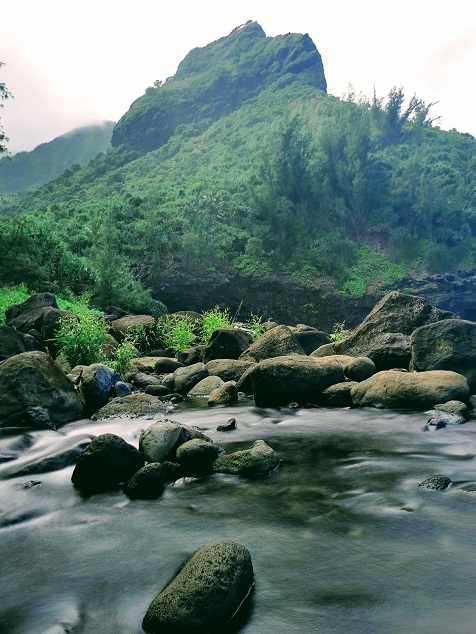
A slower day still counts
Not every good day needs a reservation number. Keep some time unclaimed, especially after a long journey or a demanding outing.
Giving yourself that space is the thinking behind mindful travel: paying attention to the trip you are actually having.
What should a Hawaii trip cost?
Hawaii can put pressure on a travel budget. However, a single daily dollar figure hides too much: a solo traveler paying for a room and car faces a different calculation from two people sharing them.
Build your estimate from the actual dates and itinerary. Divide shared costs only after you know who is traveling, and keep per-person expenses separate.
- Accommodation: compare the final total, including taxes, any resort fee and parking.
- Getting around: add vehicle hire, insurance choices, fuel and parking, or price your planned transport alternatives.
- Changing islands: include flights, baggage and transfers as well as the time involved.
- Food: allow for the meals you want; check whether your accommodation makes simpler breakfasts or lunches practical.
- Experiences: price permits, park entry and your priority tours before adding optional extras.
Then leave a contingency. A holiday where every small decision starts an argument with the budget is exhausting. My travel budget guide gives you a method for building the total.
When to go—and how to get around
Choose dates by comparing your priorities, accommodation prices, weather patterns and any events you want to attend. There is no single month that gives every island ideal conditions for every activity.
Conditions vary across an island as well as between islands. Ocean conditions also change, so a beach that appears in a lovely photograph is not automatically suitable for swimming on the day you arrive.
Plan transport around your base and intended outings. Parts of Honolulu and Waikīkī can suit a stay with less driving, while a more spread-out itinerary may make a rental car useful. Check routes, service hours, parking and tour pick-up points before deciding.
Finally, be realistic about arrival day. A long flight, time-zone change and an unfamiliar drive are already a program. Dinner and a quiet evening can be a perfectly respectable achievement. My travel logistics guide can help you make the connections easier.
Visit with care, without turning it into a performance
The practical version of being a considerate visitor is fairly straightforward: stay on permitted routes, respect private property and closures, take your rubbish away and follow local guidance.
Choose local businesses and guides thoughtfully. If volunteering interests you, find an organized activity that a community or conservation group actually wants help with. Turning up unannounced with a camera and good intentions is not quite the same thing.
For the ocean, look for lifeguarded beaches, ask about conditions and heed warnings. If you are unsure about entering the water, choose another way to enjoy the coast. Keep a weather alternative for hikes and boat trips too.
For more on choosing experiences carefully, read my guide to what ecotourism really means. It starts with the effect of the activity, rather than the reassuring label on the booking page.
The job never happened. The memory stayed.
I didn’t leave Hawaii with a radio contract. I left with the memory of walking into a station because, for a few sunburned days, the idea seemed entirely reasonable.
Travel does that. Somewhere familiar from a screen or a song becomes a real place, and suddenly you start asking different questions.
For me, Hawaii began with Waikīkī, headphones and an optimistic career proposal. Your way in might be a trail, a history lesson, a good meal or several quiet hours beside the sea.
There is room for all of those. Choose an island that suits you, make the necessary bookings, then leave some space for the place itself. A holiday does not need to change your life to give you a story worth keeping.
And if you happen to pass a radio station, you now know what I would be tempted to do.
For the bigger question, explore why we travel, then use the destination guides to plan your next step.
Questions about planning a Hawaii trip
Which Hawaiian island is best for a first visit?
There is no universal winner. Compare Oʻahu for city, history and coast; Maui for beach time and varied landscapes; Kauaʻi for scenery and walking; and the island of Hawaiʻi for volcanic landscapes and regional contrasts. Choose around your interests, budget and transport.
How many days should I spend in Hawaii?
My suggestion is about a week on one island, or roughly ten to fourteen days if you want to combine two. These are planning preferences, not minimum requirements. Account for the time lost when changing islands.
Can I see lava on a trip to Hawaii?
Possibly, but visible lava is never guaranteed. Volcanic activity and safe viewing access change. Check Hawaiʻi Volcanoes National Park and USGS updates before visiting, and follow all closures and instructions.
Can I swim with spinner dolphins in Hawaii?
Do not plan to swim with Hawaiian spinner dolphins. NOAA prohibits swimming with, approaching or remaining within 50 yards of them in the waters covered by its rule. Choose wildlife viewing that respects the animals and current regulations.
Do I need reservations for Hawaii parks?
Some parks and experiences require advance reservations. Check your exact destination, including Diamond Head, Hāʻena, ʻĪao Valley, Waiʻānapanapa and Haleakalā sunrise, through the relevant official operator.
Do I need a rental car?
It depends on your base and route. A stay focused on parts of Honolulu and Waikīkī may need less driving. A spread-out itinerary can make a car useful, but compare parking costs and alternatives before booking.
Is Hawaii a good place for a retreat?
It may suit you if the location, schedule, hosts and price match what you want. Check the provider and inclusions carefully. Personal meaning is subjective; no destination or retreat can guarantee transformation.
What changed your picture of Hawaii?
Did Hawaii give you an unexpected encounter, a favorite place or a wildly optimistic idea? Tell me which island you visited and what stayed with you. I can’t promise a job in radio, but I would love to hear the story.
Choose your next step
Plan your world travel
Choose a route and rhythm that suit your interests, time and budget.