SOUTHERN AFRICA LANE
Botswana Travel Guide: Delta Calm, Safari Depth, and a Route That Actually Works
Botswana rewards travelers who choose depth over distance. You can do wild places here in a way that feels calm, not rushed.
My planning rule is simple: pick one wildlife anchor, add one landscape contrast, then protect a reset day so the whole trip stays human.
Delta water rhythm, Chobe game energy, and Kalahari quiet are three very different moods. The win is choosing two well, not forcing all three too fast.

Need the Gist? (60-Second Scan)
Botswana works best as a deliberate rhythm: one wildlife anchor, one contrast landscape, and one protected recovery lane.
- Best first move: Choose one anchor (Okavango, Chobe, or Kalahari lane).
- Ideal first trip: 8–10 days for quality sightings and less transfer fatigue.
- Classic mistake: Trying to stack too many camps in too few days.
- Big win: Use 2–3 bases max, then let each base breathe.
- My rule: Every two early starts gets one slower morning.
Botswana is not difficult. Rushed routing is the difficult part.
- Botswana’s currency is the pula (BWP).
- Okavango Delta and Tsodilo are UNESCO-listed sites.
- Travel style here is typically quality over quantity.
- Distances can be longer than they look on a map.
- Safari timing matters as much as destination choice.
60-Second Fit Check
- Ideal style: Wildlife + nature + route discipline.
- Energy level: Medium (higher on transfer-heavy plans).
- First-timer friendly: Yes, with clean base logic.
- Budget vibe: Mid to premium, but value improves with structure.
- Transport spine: Regional flights + road legs + planned transfers.

The Botswana That Clicks: Anchor, Contrast, Recovery
If you want this trip to feel extraordinary and sustainable, use this simple frame: one anchor ecosystem + one contrast leg + one recovery lane.
Example: Delta water-based days first, then Chobe game intensity, then a gentler final day before departure. Or Delta plus Nxai/Makgadikgadi for wide-open contrast.
My blunt take: Botswana is where fewer moves create better memories. You’re not collecting stamps here; you’re building moments.
Day 1 settle, Day 2–3 deep game rhythm, Day 4 recovery window, Day 5–7 second ecosystem lane.
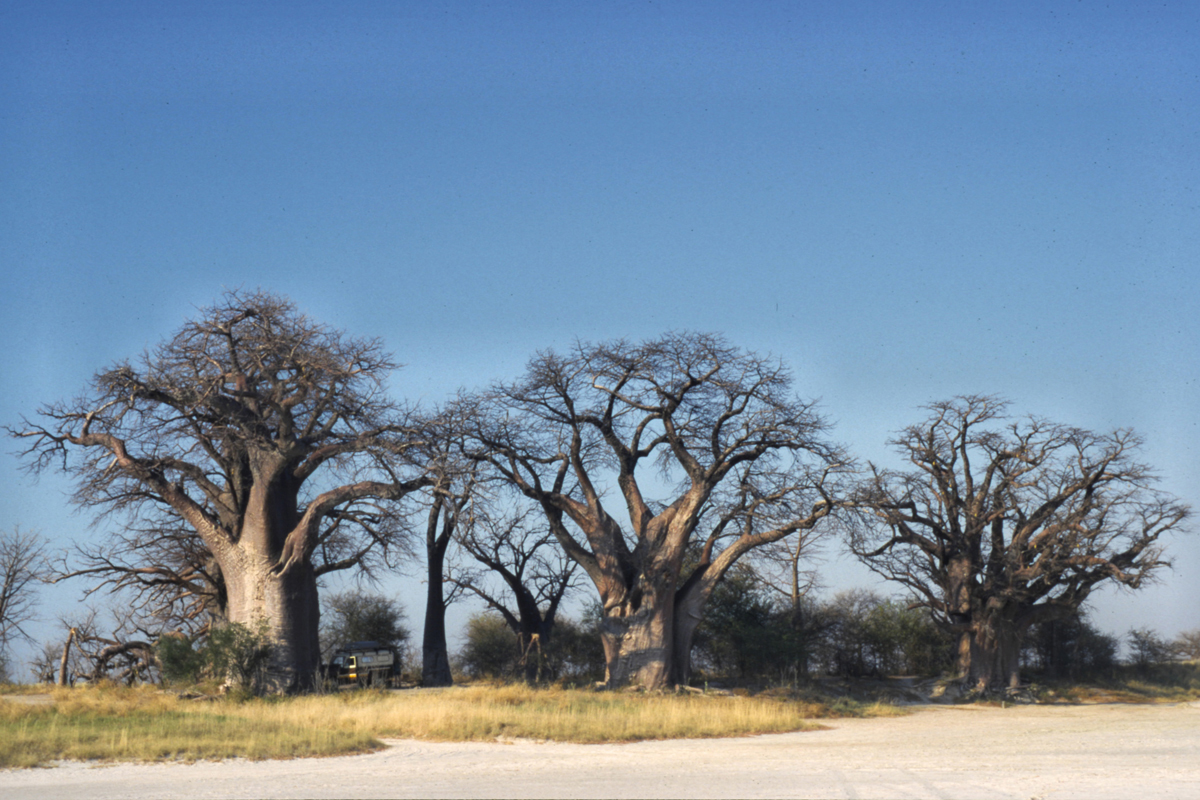
Vibe Check: Which Botswana Are You Here For?
Pick your dominant mood first, then build everything else around it.
Delta Calm
Water channels, softer pace, and high-impact quiet moments.
Chobe Energy
Big-game days, strong wildlife rhythm, and active viewing windows.
Kalahari Space
Open horizons, night-sky texture, and slow-burn desert character.
Daily Rhythm Comparison (Botswana Edition)
Same principle we used in Europe, now adapted for safari flow: choose the rhythm before you lock the route.
Slow & Deep
Best for first-timers who want quality sightings without burnout.
- Morning: One early activity.
- Midday: Full rest + shade + hydration.
- Late day: Optional light drive/boat.
- Evening: Early dinner + recovery sleep.
Balanced Classic
Strong fit if you’re active, but still want legs that feel sustainable.
- Morning: Core activity window.
- Midday: Partial downtime.
- Late day: Second activity window.
- Evening: Plan next day + wind down.
Fast Track
Possible, but only with strong stamina and fewer total days.
- Morning: Early start + transfer/activity.
- Midday: Travel/admin time.
- Late day: Second movement block.
- Evening: Late arrival risk.
In Botswana, your daily rhythm decides your trip quality more than your country checklist.
Botswana in Four Seasons (Text + Icons)
No image placeholder here by design—quick, practical, and easy to scan.
Green Season
Best for: dramatic skies, birdlife, and strong landscape color.
Dry Season
Best for: classic wildlife visibility around key water zones.
Shoulder Windows
Best for: balanced weather and fewer timing extremes.
Cool Nights Period
Best for: clearer evenings and layered camp comfort.
Pack for variable mornings and evenings; temperature swings can be real even when days feel warm.
Rob’s Tips: One Food Win + One Activity Win
Keep it simple: one flavor memory and one movement memory.

Food pick: Seswaa + pap in a relaxed setting
Instead of chasing ten random meals, choose one unhurried local meal and make it intentional. That single memory tends to outlast rushed “food ticking.”
Activity pick: Sunrise mokoro glide
Early light, quieter channels, and fewer distractions. It’s one of the easiest ways to feel the true pace of Botswana.
One food anchor + one nature anchor gives your route emotional structure without overplanning.
Safety: Suggestions, Warnings, and Calm Route Rules
Most stress points are solvable before departure and controllable on the ground.
Smart habits
- Use licensed operators and verified transfers for remote legs.
- Respect wildlife distance rules every time, even in “quiet” moments.
- Carry sun, hydration, and a simple first-aid layer on day activities.
- Save accommodation pins and route notes offline before moving bases.
- Keep one backup payment method separate from your main wallet.
Warnings worth respecting
- Do not assume casual self-driving on rough routes without proper prep.
- Night transfers increase fatigue and decision risk.
- Heat and distance can quietly compound—pace your day, not just your route.
- Wildlife zones are not casual walking zones; follow camp/operator guidance.
- Re-check advisories and health guidance close to departure.
Good safety in Botswana is mostly good planning plus calm execution.
Official checks before departure
Remote-leg mindset
- Treat transfer days as real travel days, not “empty” days.
- Build schedule slack around flights and longer road segments.
- Use daylight for new-route arrivals whenever possible.
- Prioritize operator reliability over tiny price differences.
Logistics Lite
Set these pieces once, and the trip runs much smoother.
Entry + visa rhythm
Rules vary by passport and can change. Verify directly before final payment deadlines.
Air + transfer backbone
Use a base-first route: lock anchor locations first, then fill transfer links logically.
Money + payments
Botswana uses BWP. In some areas, cards work well; in others, cash backup still matters.
- Carry small cash for tips and smaller local transactions.
- Split payment methods between bags/pockets.
- Track FX/ATM costs so they don’t quietly eat your budget.
Connectivity + maps
- Download offline maps before transfer days.
- Save every camp/hotel pin in one notes file.
- Use shared live itinerary notes with your travel partner/group.
African Region Currencies (Quick Reference)
Useful if your Botswana route extends into other African lanes. Botswana itself uses BWP.
North Africa
Common lane codes: MAD, DZD, TND, LYD, EGP
- Planning tip: Exchange per leg, not all at once.
West Africa
Shared bloc: XOF (West African CFA franc)
- Also common: NGN, GHS, GNF, SLL, LRD, CVE, GMD.
Central Africa
Shared bloc: XAF (Central African CFA franc)
- Also common: CDF, AOA, STN.
East Africa
Common lane codes: KES, TZS, UGX, ETB, RWF, BIF
- Planning tip: Mobile-money strength varies by country.
Southern Africa
Botswana focus: BWP (Botswana pula)
- Common lane codes: ZAR, NAD, BWP, LSL, SZL, ZMW, MWK, MZN.
- Planning tip: Keep small local-currency buffers per border leg.
On multi-country Africa routes, treat currency as a route layer: withdraw by segment, not by emotion.
Base Plans: 3 Botswana Structures That Work
Plan A: Delta + Chobe Classic
- Water-based rhythm first, then game-density contrast.
- Best for first-time Botswana routes.
- Ideal when you want reliable variety without over-jumping.
Plan B: Delta + Salt Pan Contrast
- Mix channel calm with wide-landscape drama.
- Great for photographers and pace-aware travelers.
- Stronger “space and silence” character.
Plan C: Kalahari-Forward Route
- Fewer bases, longer stays, calmer logistics.
- Best for travelers who value depth over volume.
- Excellent if you want fewer transfer-heavy days.
Costs: What Actually Moves the Budget
Where people overspend
- Too many location jumps in one week.
- Last-minute transfer fixes and premium urgency costs.
- Upgrading every day instead of choosing one premium highlight.
- Ignoring hidden costs around long transfer legs.
- Booking peak windows too late.
How to keep it sane (USD-first mindset)
- Set a daily USD range, then track real spend in BWP.
- Book core anchors first, then fill optional extras.
- Pick one “wow” upgrade and protect essentials around it.
- Keep one low-pressure half-day every 2–3 days.
Botswana can deliver high value, but rushed route design is what inflates cost fastest.
Un-Googleable Botswana: Small Moves, Big Difference
Protect your second morning
It’s when your body catches up to travel fatigue. Keep that morning light and your trip improves fast.
Build one no-plan hour daily
That hour often creates the best stories, especially in nature-focused routes.
Don’t schedule every sunset
If every evening is programmed, your route starts feeling like admin instead of travel.
Keep one reliable base contact
A trusted point person saves time when transfer changes happen.
Gap Analysis: Is Botswana Right for Your Style?
You’ll love it if…
- You value wildlife quality over speed-travel volume.
- You can commit to fewer bases with better depth.
- You enjoy early starts when they produce real payoff.
- You want a nature-first trip with meaningful quiet.
Plan around it if…
- You only enjoy high-frequency city nightlife itineraries.
- You dislike early activity windows entirely.
- You want to switch accommodation every night.
Botswana rewards patience, route logic, and attention to rhythm more than checklist speed.
Botswana FAQs
Practical short answers for clean planning decisions.
How many days do I need for Botswana?
Eight to ten days is a strong first-trip window if you want both quality sightings and recovery space.
Can I do Botswana without overcomplicated logistics?
Yes. Keep to two or three bases, pre-book key legs, and avoid overstacking transfers.
Is Botswana expensive?
It can sit in a mid-to-premium range, but route discipline and early core bookings improve value significantly.
Do I need to check visa rules myself?
Absolutely. Requirements depend on passport and can change, so always verify official sources before booking.
What’s the biggest planning mistake?
Trying to do too much geography instead of designing one coherent rhythm.
Join the conversation
Are you building Botswana around Delta calm, Chobe intensity, or a Kalahari-forward route? Share your plan and where you’re unsure so other travelers can benefit from your thinking too.