EAST AFRICA LANE
Kenya Travel Guide: Safari, Coast, City Energy — Planned Without Burnout
Kenya gives you contrast fast: wildlife drama, Indian Ocean breeze, highland mornings, and big-city momentum. The win is to run it in clean layers, not a rushed checklist.
My formula is simple: one anchor base + one high-impact nature lane + one reset lane. You’ll remember more, spend smarter, and avoid transfer fatigue.
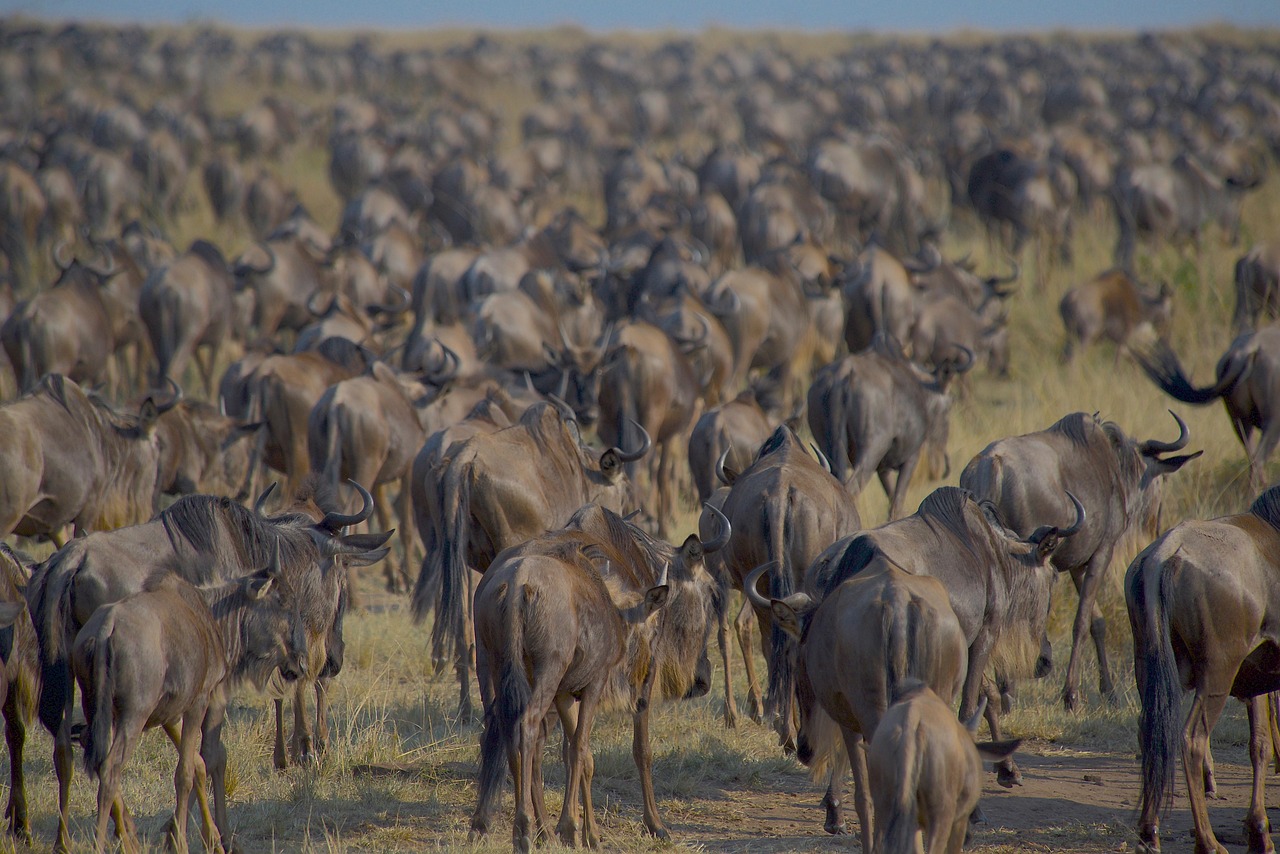
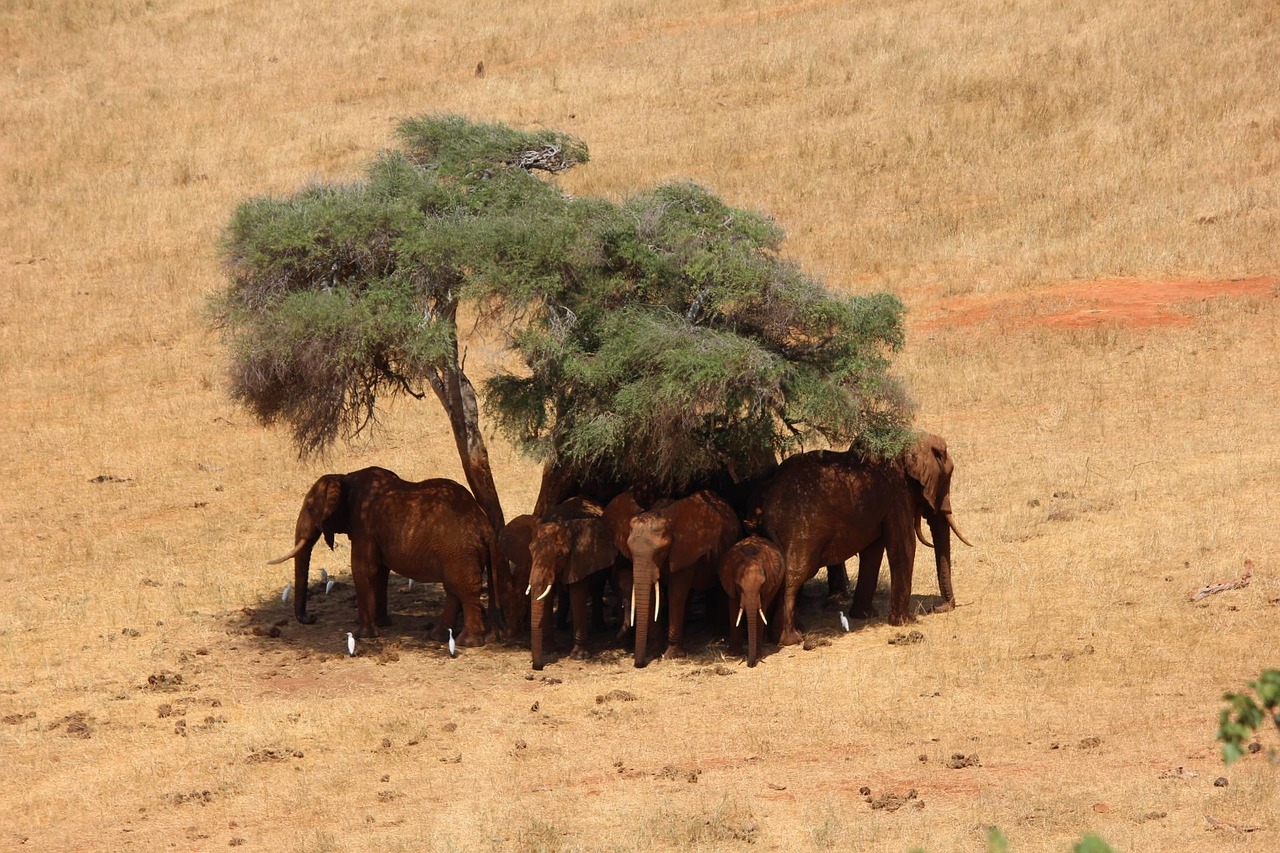
Nairobi works as your anchor - arrive, adjust to altitude, hit the Giraffe Centre or David Sheldrick Elephant Orphanage while you're still wired from the flight. Then push into your safari lane: Masai Mara for the Big Five and migration drama, or Amboseli if you want Kilimanjaro backdrops with your elephants.
Your coast reset isn't optional - it's strategic. After early wake-up game drives and dust, Diani Beach or Lamu Island lets your nervous system downshift. The Indian Ocean isn't just scenery; it's where jetlag finally releases and your photos start making emotional sense again.
Most travelers either skip the coast (mistake - you'll return home exhausted) or add too many parks (three safaris blur together). Two ecosystems max, then water. That's the structure that actua
For first-timers, I usually start with Nairobi or the Mara corridor, then add either Amboseli or a coast finish (Diani/Watamu side) depending on your rhythm.

In a Nutshell (60-Second Scan)
Kenya works best as a layered route: city orientation, wildlife depth, and a coast or highland reset.
- Best first move: Pick one anchor (Nairobi or one safari base).
- Ideal first trip: 8–12 days if you want city + safari + coast.
- Classic mistake: Stacking long transfers back-to-back.
- Big win: Keep one buffer day before any international flight.
- My rule: After every two “big” days, add one lighter day.
Kenya is not “hard” to travel — it’s hard to travel well if you overpack your route.
- Kenya is in UTC+3 year-round.
- M-Pesa/mobile payments are common in many daily transactions.
- Mara migration viewing windows are often strongest mid-year to early Q4, but timing varies with rains.
- You can combine safari and coast in one trip if you avoid excessive one-night stops.
60-Second Fit Check
- Ideal style: Wildlife + landscape + culture + coast.
- Energy level: Medium to high (depends on transfer load).
- First-timer friendly: Yes, with strong routing logic.
- Budget vibe: Flexible; costs climb quickly in peak safari windows.
- Transport spine: Targeted domestic hops + road sectors + selective rail.
The Kenya That Clicks: Anchor, Wildlife Peak, Reset
If you want Kenya to feel incredible instead of chaotic, use this frame: Anchor base + one signature wildlife block + one reset block.
Example: Nairobi orientation, Mara or Amboseli depth, then coast reset. Or: Nairobi + Rift Valley flow if you prefer less flight friction.
My blunt view: Trying to “tick every park” on one trip usually dilutes the experience. Fewer moves, deeper days, better memories.
Prioritize drive-time realism first. That single decision protects your entire itinerary.
Vibe Check: Which Kenya Are You Here For?
Pick your core lane first, then build logistics around it.
Wildlife + Big Landscapes
Game drives, sunrise starts, conservation stories, and serious nature focus.
City + Culture + Food
Nairobi neighborhoods, design energy, local food rhythms, and modern East Africa momentum.
Coast + Slow Recovery
Indian Ocean air, lighter days, and a calmer ending after higher-energy inland legs.
Kenya in Four Seasons (Text + Icons)
No image placeholder here by design — clean scan, clearer planning.
Jan–Feb (Short Dry Window)
Best for: generally strong visibility in many safari areas and comfortable travel flow.
Mar–May (Long Rains)
Best for: fewer crowds and greener scenery; some roads/areas can be slower.
Jun–Oct (Long Dry, Peak Wildlife Focus)
Best for: classic safari rhythm and high-demand windows in popular reserves.
Nov–Dec (Short Rains / Shoulder Transition)
Best for: value opportunities and mixed conditions; confirm regional weather before final routing.
Kenya’s weather pattern is regional. Coast, highlands, and safari zones can feel very different on the same week.
Rob’s Pointers: One Food Win + One Activity Win
One grounded local meal plus one movement-based memory gives the trip texture.

Food pick: Nyama choma + kachumbari done right
Pick one trusted local spot and treat it as an event, not a quick stop. You’ll understand the social rhythm of the meal, not just the menu.
Nyama Choma (roasted meat) and Kachumbari (fresh tomato and onion salad) are the quintessential pairing of East African cuisine, particularly in Kenya and TanzaniaActivity pick: One guided nature walk or community-linked outing
Game drives are great, but one on-foot or community-context experience adds perspective and balance.
Walking safaris change the equation entirely - you're tracking prints, smelling the bush, hearing your guide explain termite mounds and acacia symbiosis. Suddenly you're inside the ecosystem, not watching it through glass. Ol Peyeta, Laikipia, and some Mara conservancies offer guided walks where the learning curve spikes fast.
Community visits work best when they're structured, not performative. Look for homestays in Maasai villages with transparent benefit-sharing, or cultural centers like Ngare Sero near Arusha where locals control the narrative. You want real exchange - cooking together, hearing actual daily challenges, understanding conservation from their side - not a photo-op with someone in costume.
These slower moments also recalibrate your trip rhythm. After the adrenaline of a lion sighting, a two-hour village walk or nature hike brings
One food anchor + one context-rich activity makes Kenya feel human, not transactional.
Safety: Suggestions, Warnings, and Calm Street Rules
Most travel stress drops fast when you lock these basics early.
Smart habits
- Use vetted drivers/transfers and save details offline before each move.
- Keep valuables low-key in dense transport areas and busy city zones.
- Carry one backup payment method separate from your main wallet.
- Confirm domestic transfer timing the day before, not only at booking.
- Use reputable operators for wildlife and adventure activities.
Warnings worth respecting
- Do not build same-day, multi-leg plans with zero contingency margin.
- Coastal and city nightlife areas need normal big-city awareness.
- Road travel times can expand with weather and traffic — plan buffers.
- In wildlife zones, always follow guide instructions and distance rules.
- Re-check official advisories close to departure.
Risk usually rises when people rush, improvise late, and ignore local timing.
Official checks before departure
Wildlife-area common sense
- Never step out of vehicles where it is not explicitly allowed.
- Keep flash/lighting polite and minimal around wildlife.
- Respect quiet periods around sightings and lodges.
- Hydrate aggressively on long game-drive days.
Logistics Lite
Set this up once and your route runs cleaner from day one.
Entry + eTA rhythm
Kenya entry rules and exemptions can change. Check official eTA guidance before booking non-refundable legs.
Transport backbone
Plan your spine first: primary hubs, realistic transfer days, then experiences around that framework.
Money + payments
Kenya uses KES. Card and mobile payments can be strong in many areas, but cash still matters in smaller contexts.
- Carry small denominations for day-to-day friction points.
- Keep ATM and FX fee leakage visible in your budget tracker.
- Split payment methods across bags/pockets.
Connectivity + maps
- Download maps and key pins before each transfer day.
- Save every accommodation and pickup location offline.
- Use one shared trip note with booking refs + emergency contacts.
African Region Currencies (Quick Reference)
Useful if Kenya is part of a wider Africa route. Kenya itself uses KES.
North Africa
Common codes: MAD, DZD, TND, LYD, EGP
- Tip: Exchange in-country per route leg.
West Africa
Bloc anchor: XOF
- Also common: NGN, GHS, GNF, SLL, LRD.
Central Africa
Bloc anchor: XAF
- Also common: CDF, AOA, STN.
East Africa
Current lane: KES (Kenya)
- Also common: TZS, UGX, ETB, RWF, BIF.
Southern Africa
Regional anchor: ZAR
- Also common: BWP, NAD, LSL, SZL, ZMW, MWK, MZN.
Multi-country Africa routes work better when you treat currency as a logistics layer, not an afterthought.
Base Plans: 3 Kenya Structures That Work
Plan A: Nairobi + Mara Core
- Urban orientation first, then focused safari depth.
- Great first-time route with clear logistics.
- Add one recovery day before flying onward.
Plan B: Nairobi + Amboseli + Coast
- Iconic landscapes plus ocean reset.
- Best for travelers wanting contrast in one trip.
- Works well in 10–12 day windows.
Plan C: Rift + Highlands Rhythm
- Less checklist pressure, more pace control.
- Good for return visitors and slow-travel styles.
- Can be more budget-stable than peak safari stacks.
Costs: What Actually Moves the Budget in Kenya
Where people overspend
- Peak-window safari decisions made too late.
- Extra domestic hops that add little trip value.
- Back-to-back premium lodges with no pacing logic.
- Private transfers booked under time pressure.
- Overpaying for convenience without comparing route options.
How to keep it sane (USD-first mindset)
- Set a daily USD target and track actual in KES.
- Book high-demand safari blocks earlier than city days.
- Keep one premium highlight; cut filler add-ons.
- Protect one no-transfer day every 3–4 travel days.
Kenya can be excellent value, but rushed logistics usually cost more than experiences.
Un-Googleable Kenya: Small Moves, Big Difference
Use day 1 for orientation, not ambition
When you map your practical flow first, the rest of the trip feels effortless.
Keep one “soft morning” after long transfers
You recover faster, spend less reactively, and enjoy more of the next block.
Ask “how long does this really take?” locally
In Kenya, realistic timing beats theoretical timing almost every time.
Protect your final 48 hours
Don’t put your highest-risk logistics at the end of the itinerary.
Gap Analysis: Is Kenya Right for Your Style?
You’ll love it if…
- You enjoy strong nature-and-culture contrast in one destination.
- You’re happy with structured days and early wildlife starts.
- You want meaningful experiences, not just photo stops.
- You can pace a trip around realistic transfer time.
Plan around it if…
- You only like hyper-fixed schedules with zero variability.
- You dislike early mornings and road-time trade-offs.
- You want to do every major region in under one week.
Kenya rewards focused planning and punishes itinerary greed.
Kenya FAQs
Short answers to practical planning questions.
How many days do I need for Kenya?
For a first trip with real depth, 8–12 days is usually a strong range.
Do I need to pre-book safari parts early?
Yes — especially for peak wildlife windows and top lodges. Late booking reduces your best options fast.
Is Kenya expensive?
It can be very flexible. Safari choices and transfer structure are the biggest cost drivers.
Do I need an eTA for Kenya?
Requirements and exemptions can change. Always verify on Kenya’s official immigration/eTA portals before departure.
Can I combine safari and coast in one itinerary?
Yes. It works very well when you keep transfer days realistic and avoid too many one-night stops.
Join the conversation
Are you building Kenya around wildlife depth, city culture, or a coast reset? Share your route idea and what you’re unsure about so others can learn from your planning too.