EAST AFRICA LANE
Mauritius Travel Guide: Lagoon Calm, Volcanic Trails, and a Route That Doesn’t Waste Your Days
Mauritius looks “easy” on paper. In reality, people either run it too slow and under-see it, or too fast and miss the island rhythm. The win is balance.
My approach: pick one coast as your anchor, then add one inland contrast and one food-and-town day.
That gives you the beach reset you came for, without turning the trip into a resort loop with no local texture.
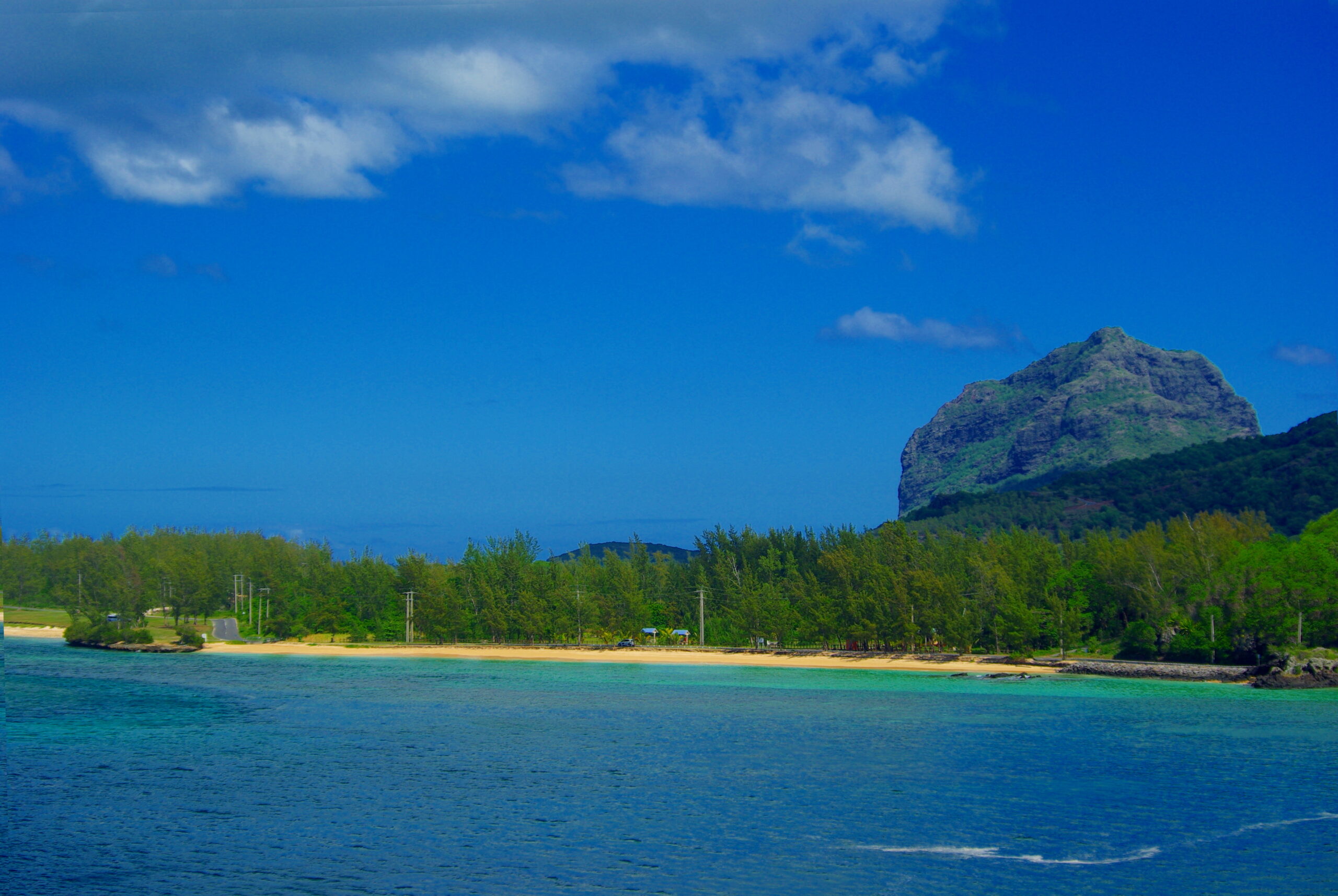
Need the Gist? (60-Second Scan)
Mauritius works best when you treat it as coast + contrast + recovery, not a non-stop driving checklist.
- Best first move: Pick one anchor coast (west or north is easiest).
- Ideal first trip: 6–9 days for depth without drift.
- Classic mistake: Changing base too often on a compact island.
- Big win: Pair one nature day with one town/food day.
- My rule: Every two active days gets one low-effort half-day.
Mauritius is not “just beaches.” If you skip inland and local neighborhoods, you miss half the country.
- Currency is MUR.
- Two UNESCO anchors: Le Morne and Aapravasi Ghat.
- Warm humid season is generally Nov–Apr; cooler dry season Jun–Sep.
- Cyclone risk window is officially 1 Nov to 15 May.
60-Second Fit Check
- Ideal style: Beach + food + soft adventure.
- Energy level: Low to medium (unless you stack hikes/water sports).
- First-timer friendly: Yes, very, with basic weather awareness.
- Budget vibe: Mid-range to premium, with smart-value pockets.
- Transport spine: Driver/self-drive + targeted day loops.
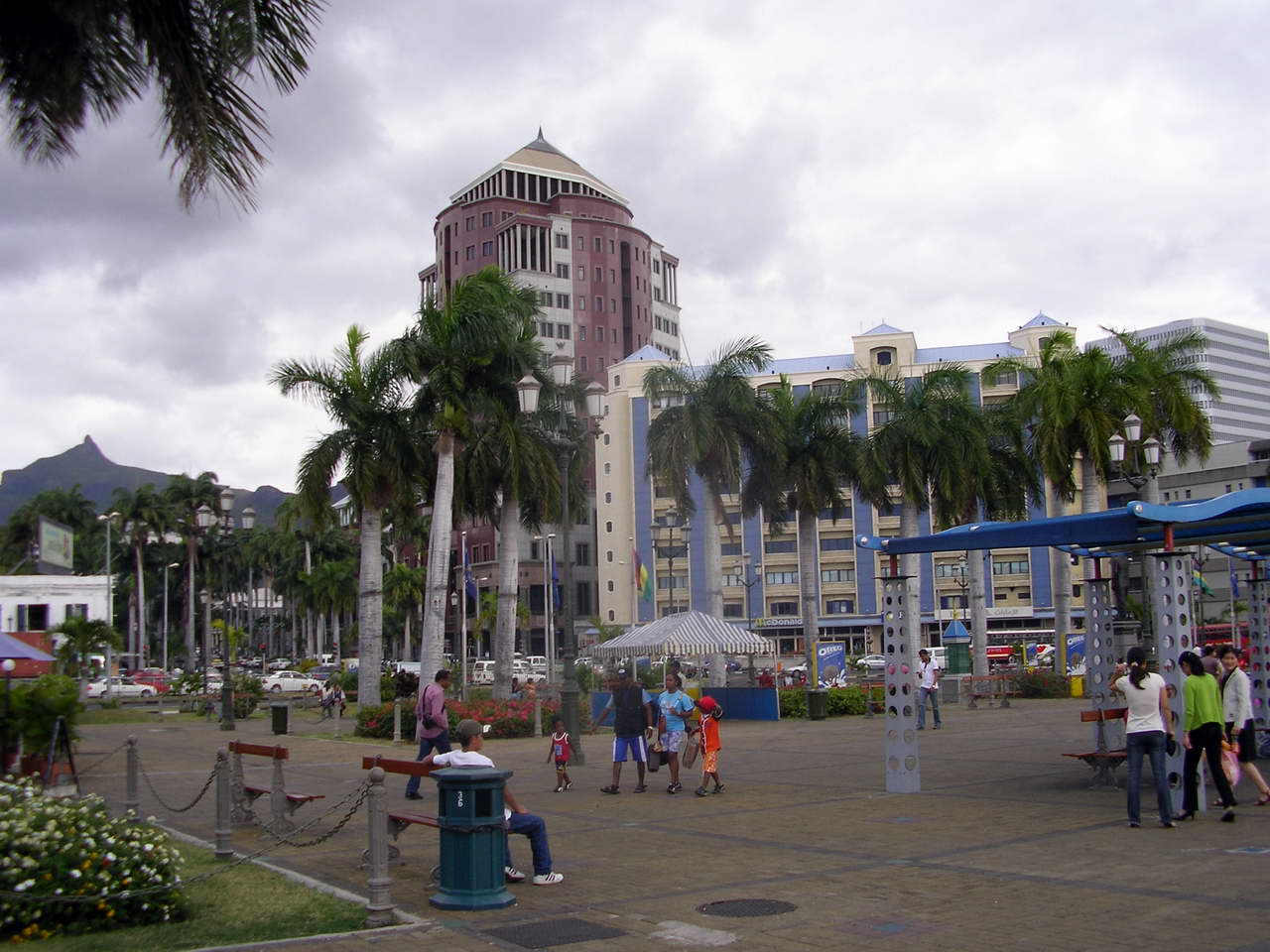
The Mauritius That Clicks: One Coast Anchor + One Inland Contrast
The clean frame here is simple: Anchor coast for sleep and reset, then run inland contrast days for identity and memory.
A good first shape: west coast base for sunset and easier movement, one Le Morne/Chamarel day for terrain, then one Port Louis or Mahebourg food-and-history day.
My blunt take: Don’t change hotels every two nights. You’ll burn time packing and miss the relaxed island tempo that makes Mauritius work.
Day 1–2 settle + lagoon, Day 3 inland contrast, Day 4 lighter reset, Day 5 town/food, Day 6 optional adventure.
Daily Rhythm Comparison (Europe-Series Style)
Pick your rhythm before you pick activities. That one choice protects energy, mood, and budget.
Soft Coast Rhythm
- Morning: Beach walk + long breakfast.
- Midday: One light activity (reef/snorkel/spa).
- Evening: Early dinner, sunset, no hard logistics.
- Move load: Low.
Balanced Explorer Rhythm Recommended
- Morning: Start early for one anchor experience.
- Midday: Heat break + flexible lunch window.
- Evening: Local food lane or calm town walk.
- Move load: Medium.
Active Island Loop
- Morning: Early transfer or full-day outing.
- Midday: Structured activity blocks.
- Evening: One clear reset rule to avoid burnout.
- Move load: High.
If you’re unsure, run Balanced Explorer. It gives enough motion to feel alive, without turning the trip into logistics work.
Vibe Check: Which Mauritius Are You Here For?
Choose your lane first, then the map gets easy.
Lagoon + Reset
Calmer mornings, water clarity, long lunches, and slower evenings.
Nature + Contrast
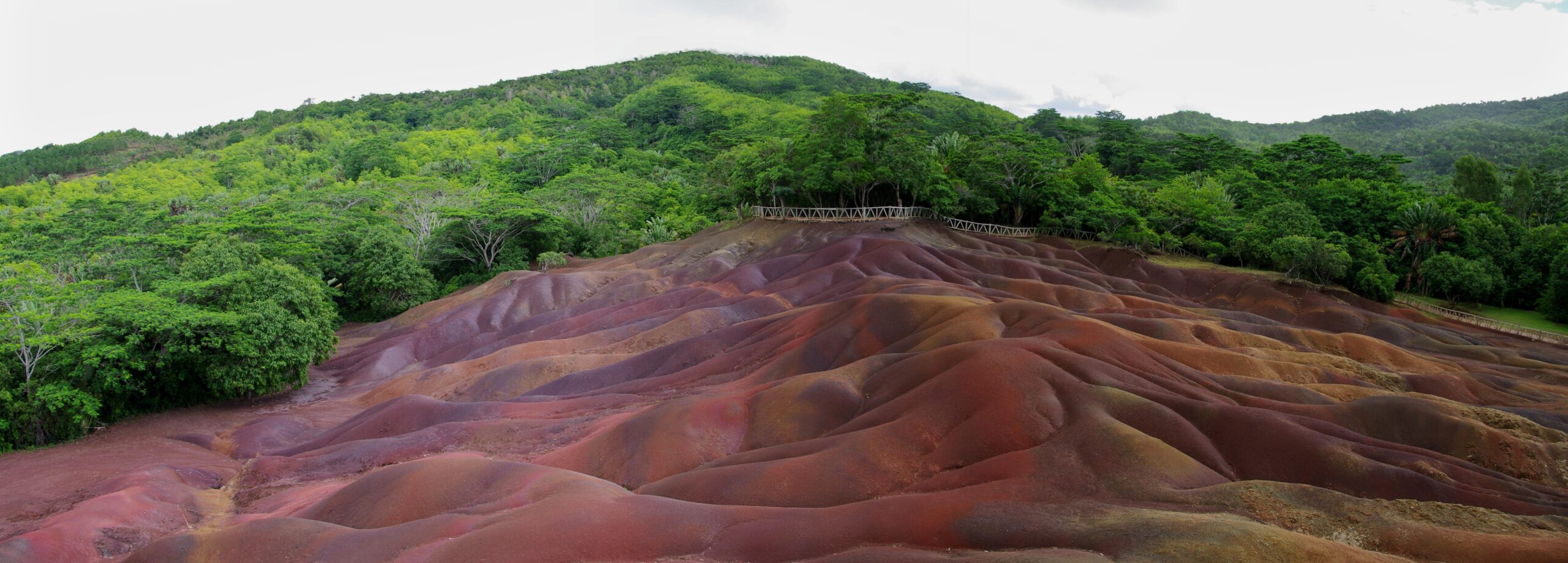
Le Morne climbs, Chamarel terrain, viewpoints, and inland texture.
Food + Local Pulse
Street food, market lanes, mixed cultural roots, and town rhythm.
Mauritius in Four Seasons (Text + Icons)
By design: quick seasonal planning without image clutter.
Nov–Apr (Warm, humid summer)
Best for: warm-water days and tropical energy. Build in weather flexibility.
May + Oct (Transition months)
Best for: shoulder-season balance and easier pacing.
Jun–Sep (Cooler, drier winter period)
Best for: active days, hiking comfort, lower humidity.
Cyclone window awareness
Official season: 01 Nov to 15 May. Check live bulletins before water and transfer days.
Even in beach season, sea state can shift. Check daily conditions, not just monthly averages.
Rob’s Choice: One Food Win + One Activity Win
Keep it simple: one taste memory and one movement memory.
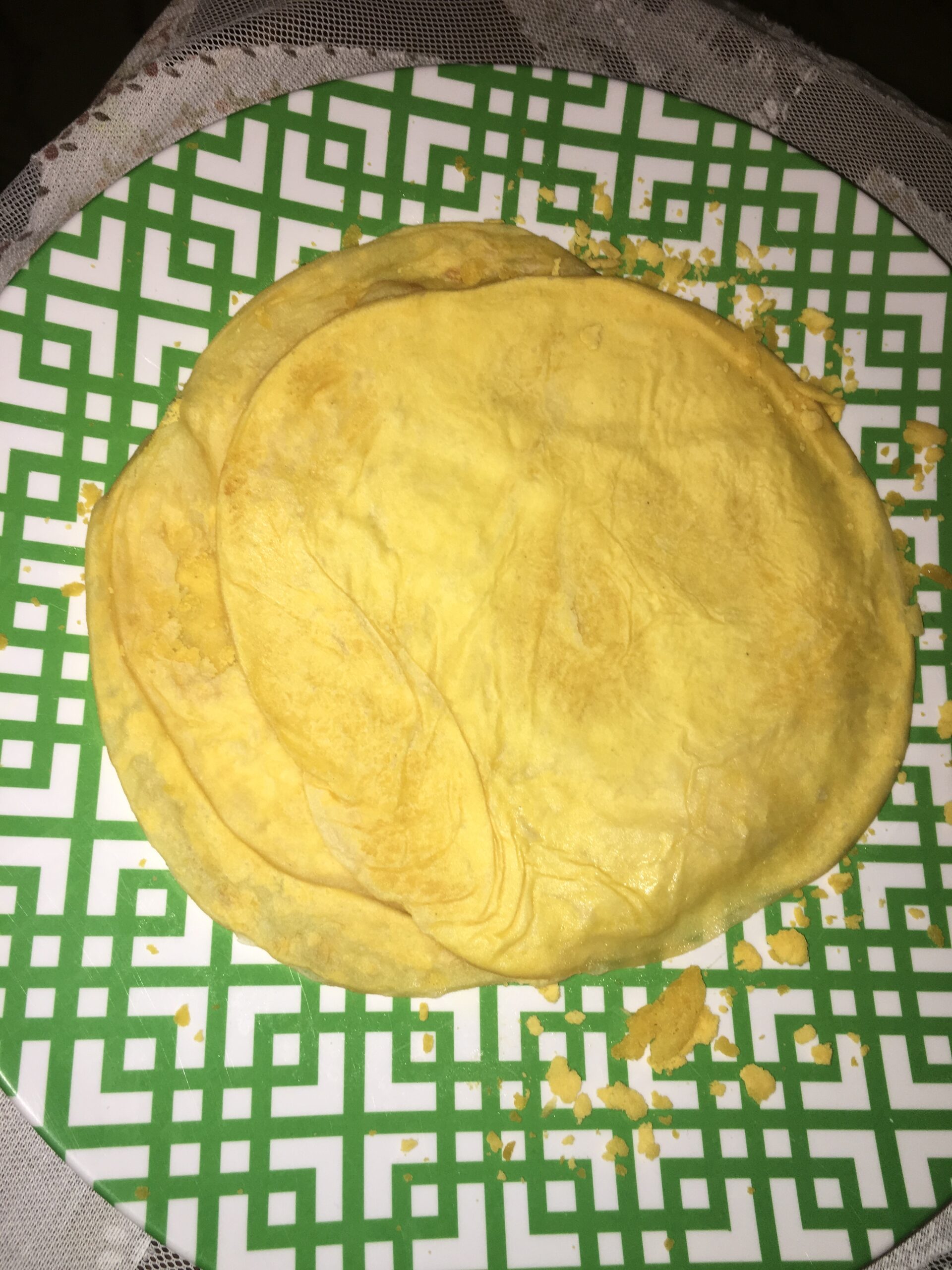
Food pick: Dholl puri + street-side accompaniments
This is one of the easiest ways to tap into local daily life. Go where queues are steady and turnover is high.
Activity pick: Sunrise Le Morne viewpoint or coastal dawn walk
Early light beats midday heat, and you’ll get cleaner photos plus calmer trails.
One local food lane + one sunrise movement lane gives the trip identity fast.
Dholl puri (or dhal puri) is often considered the national dish of Mauritius. It is a thin, soft, savory flatbread made from ground yellow split peas (chana dal), seasoned with turmeric and cumin, and griddled until pliable. Unlike other flatbreads, the legumes are incorporated directly into the dough or used as a very fine stuffing, giving it a distinct yellow hue and a delicate earthy flavor.
The Street Food ExperienceIf you find a "dholl puri man" on a street corner, you’ll see the flatbreads kept warm in a cloth-lined wicker basket or a metal box. They are traditionally served on a sheet of greaseproof paper, rolled up like a wrap, and handed over for a quick, affordable, and incredibly flavorful meal on the go.
Safety: Suggestions, Warnings, and Smart Island Habits
Mauritius is generally comfortable, but weather and water decisions still matter.
Smart habits
- Use licensed taxis or confirmed transfers for late arrivals.
- Keep valuables low-profile in busy public areas and beaches.
- Check sea conditions before open-water swims or boat trips.
- Carry sun/heat basics daily: water, hat, sunscreen, light layer.
- Save accommodation pin and offline map before day loops.
Warnings worth respecting
- Do not ignore rough-sea flags and local advice near reefs/currents.
- During cyclone-risk months, monitor official bulletins daily.
- Avoid isolated beaches/roads late at night if unfamiliar.
- Secure passports and split cards/cash between locations.
- Re-check entry/advisory pages close to departure.
Most trip stress here is weather timing, not city complexity. Plan around conditions, not ego.
Official checks before departure
Water day checklist
- Check wind/sea state each morning.
- Use reef shoes where entry is coral-heavy.
- Keep one backup inland plan for rough-sea days.
- Book flexible activities in shoulder/cyclone windows.
Logistics Lite
Dial these in once and everything feels smoother.
Entry + visa rhythm
Visa conditions vary by passport. Confirm official conditions before non-refundable bookings.
Arrival + transport backbone
Most trips run best with one base plus day loops. Airport gateway is SSR International (MRU).
Money + payments
Mauritius uses MUR. Cards are common in tourist zones, but cash still matters in local lanes.
- Carry small notes for markets, snacks, and short rides.
- Track ATM/FX fees so “small” charges don’t stack.
- Keep one backup card separate from your day wallet.
Connectivity + weather checks
- Download offline maps before road days.
- Pin every stay and day-stop location in advance.
- Check met bulletins daily during unsettled conditions.
African Region Currencies (Quick Reference)
Handy if your Mauritius trip links into multi-country Africa routing. Mauritius itself uses MUR.
North Africa
Common lane codes: MAD, DZD, TND, LYD, EGP
- Strong border-by-border currency differences.
- Exchange per leg; avoid carrying leftovers across multiple borders.
West Africa
Shared bloc: XOF (West African CFA franc)
- Also common: NGN, GHS, GNF, SLL, LRD, CVE, GMD.
- Cash/card reliability varies by corridor.
Central Africa
Shared bloc: XAF (Central African CFA franc)
- Also common: CDF, AOA, STN.
- Remote legs usually require stronger cash planning.
East Africa
Mauritius lane includes: MUR, KES, TZS, UGX, ETB, RWF, BIF
- Also seen: DJF, SOS, ERN, SSP, KMF, SCR, MUR, MGA.
- Island routes often need both card and cash backup.
Southern Africa
Regional anchor: ZAR
- Common lane codes: BWP, NAD, LSL, SZL, ZMW, MWK, MZN.
- Some currencies have practical ZAR linkage in day use.
On multi-country routes, treat money as a logistics layer: withdraw by segment, carry a small emergency reserve, and don’t over-convert.
Base Plans: 3 Mauritius Structures That Work
Plan A: West Coast Anchor
- Flic-en-Flac/Tamarin base for easier route flow.
- Le Morne + Chamarel contrast day.
- Strong first-timer balance.
Plan B: North + Port Louis
- Grand Baie/North coast reset rhythm.
- Add Port Louis market/food/culture day.
- Good social + local texture mix.
Plan C: Split Coast (Longer stay)
- One base west, one base east or southeast.
- Use only for 9+ days to avoid churn.
- Great for repeat visitors wanting range.
Costs: What Actually Moves the Budget
Where people overspend
- Private transfers booked reactively day-by-day.
- Paying resort prices for every meal.
- Overstacked paid excursions with no recovery window.
- Peak-season booking too late.
- Underestimating food/drink drift in beach zones.
How to keep it sane (USD-first mindset)
- Set a daily USD target; track spend in MUR.
- Choose one premium experience and protect it.
- Mix local food lanes with destination dinners.
- Use a rhythm day (low spend) after high-activity days.
Mauritius can feel premium quickly; rhythm planning is what keeps value high.
Un-Googleable Mauritius: Small Moves, Big Difference
Run beach mornings, not beach afternoons
Water is calmer, light is cleaner, and you avoid heat-heavy slump hours.
Do one market day with no rigid schedule
Leave room for food detours and conversations—this is where local texture appears.
Keep one “weather pivot” day open
If sea conditions turn, switch to inland or cultural plans without stress.
Protect day-3 and day-4 energy
That’s when overscheduling catches people. Plan a slower half-day before it happens.
Gap Analysis: Is Mauritius Right for Your Style?
You’ll love it if…
- You want beach calm with optional active add-ons.
- You enjoy food diversity and mixed cultural influence.
- You prefer low-friction logistics with strong payoff.
- You value route quality over country-count speed.
Plan around it if…
- You need nonstop nightlife in multiple cities.
- You dislike weather-flex planning during tropical months.
- You only want mountain/urban intensity every day.
Mauritius rewards balance. If you plan only resort or only activity, you’ll underuse what makes it special.
Mauritius FAQs
Short answers to practical planning questions.
How many days do I need for Mauritius?
Six to nine days is the sweet spot for first-timers who want beach, contrast, and breathing room.
Is Mauritius only a resort destination?
No. You can combine coast, local food culture, markets, and inland nature without overcomplicating the route.
When is cyclone season in Mauritius?
The official cyclone season is 1 November to 15 May. Always check live weather bulletins during that window.
Do I need to move hotels often?
Usually no. One base (or one split base on longer trips) gives better energy and less wasted transit time.
Is Mauritius expensive?
It can be mid-to-premium, but route logic, local food choices, and activity pacing keep value strong.
Join the conversation
Are you planning Mauritius as a pure beach reset or a coast-plus-contrast route? Share your draft rhythm and what you’re unsure about, so other travelers can learn from your approach too.